

We live in a world obsessed with instant results. Food arrives at our doors in minutes, messages travel across continents in seconds, and success stories flood social media every hour. In the middle of all this speed, patience feels almost outdated. People want proof immediately. They want progress they can see. They want rewards they can touch.
That is exactly why the phrase “Trust the process when results lag” carries so much weight.

The message may seem simple at first glance, but it speaks to one of the hardest truths in life: meaningful growth often happens long before visible results appear. Whether you are building a business, learning a skill, improving your health, or working toward financial freedom, there will be periods when your efforts seem invisible. Those moments test character more than talent ever could.
The journey between effort and outcome is often longer than expected. Yet that gap is where resilience is built, habits are formed, and success quietly takes shape.
Why Results Often Take Longer Than Expected
Many people underestimate the time required for meaningful progress. We imagine a straight path from effort to achievement, but reality rarely follows that script.
Life tends to work more like planting a seed. You water it every day, but for a while, nothing appears above the surface. That doesn’t mean nothing is happening. Beneath the soil, roots are developing, strengthening, and preparing for future growth.
The Hidden Stage of Progress
Most achievements have an invisible phase. During this period, work is happening behind the scenes, but there is little evidence to show for it.
A new entrepreneur might spend months building systems before seeing revenue growth. A student may study consistently without immediate improvements in grades. An athlete can train relentlessly while performance appears unchanged.
The lack of visible progress often creates doubt. People start questioning whether their efforts matter. They wonder if they chose the wrong path or if success is meant for someone else.
The reality is far less dramatic. Progress is frequently accumulating beneath the surface, waiting for the right moment to become visible.
Growth Happens Before Recognition
Recognition often arrives long after growth begins. Society tends to celebrate outcomes while ignoring the years of preparation behind them.
Think about a successful musician. Audiences notice the hit song. They rarely see the thousands of hours spent practicing, failing, improving, and performing for tiny crowds.
This delayed recognition can feel frustrating. However, understanding it helps reduce anxiety during slow periods.
When you realize that growth comes before applause, patience becomes easier to maintain.
The Illusion of Overnight Success
Stories of instant success are attractive because they seem exciting. Unfortunately, they are usually incomplete.
What appears to be an overnight breakthrough is often the result of years of consistent effort. The public sees the final chapter and assumes the entire story happened quickly.
This misconception creates unrealistic expectations. People compare their beginnings to someone else’s breakthrough moment.
Trusting the process means understanding that every impressive outcome has a history that remains largely unseen.
The Emotional Challenge of Waiting
Waiting is difficult because humans naturally seek feedback. We want reassurance that our actions are producing results.
When feedback is delayed, motivation can decline. Doubt starts whispering questions that feel impossible to ignore.
The challenge is learning how to continue moving forward without immediate confirmation.
Why Doubt Appears During Slow Progress
Doubt often emerges when expectations clash with reality.
You might expect noticeable improvements after several weeks of effort. When those improvements fail to appear, uncertainty takes over.
This reaction is normal. It does not mean your process is failing. It simply means your mind is searching for evidence that success is coming.
Understanding this can prevent temporary emotions from becoming permanent decisions.
The Danger of Quitting Too Early
Many people abandon their goals just before meaningful progress appears.
Imagine pushing a massive boulder uphill. The climb feels endless, and movement seems minimal. Frustrated, you stop. What you never realize is that the summit was only a few steps away.
This happens every day in business, fitness, education, and personal development.
Trusting the process means resisting the temptation to quit during the slowest part of the journey.
The Relationship Between Consistency and Success

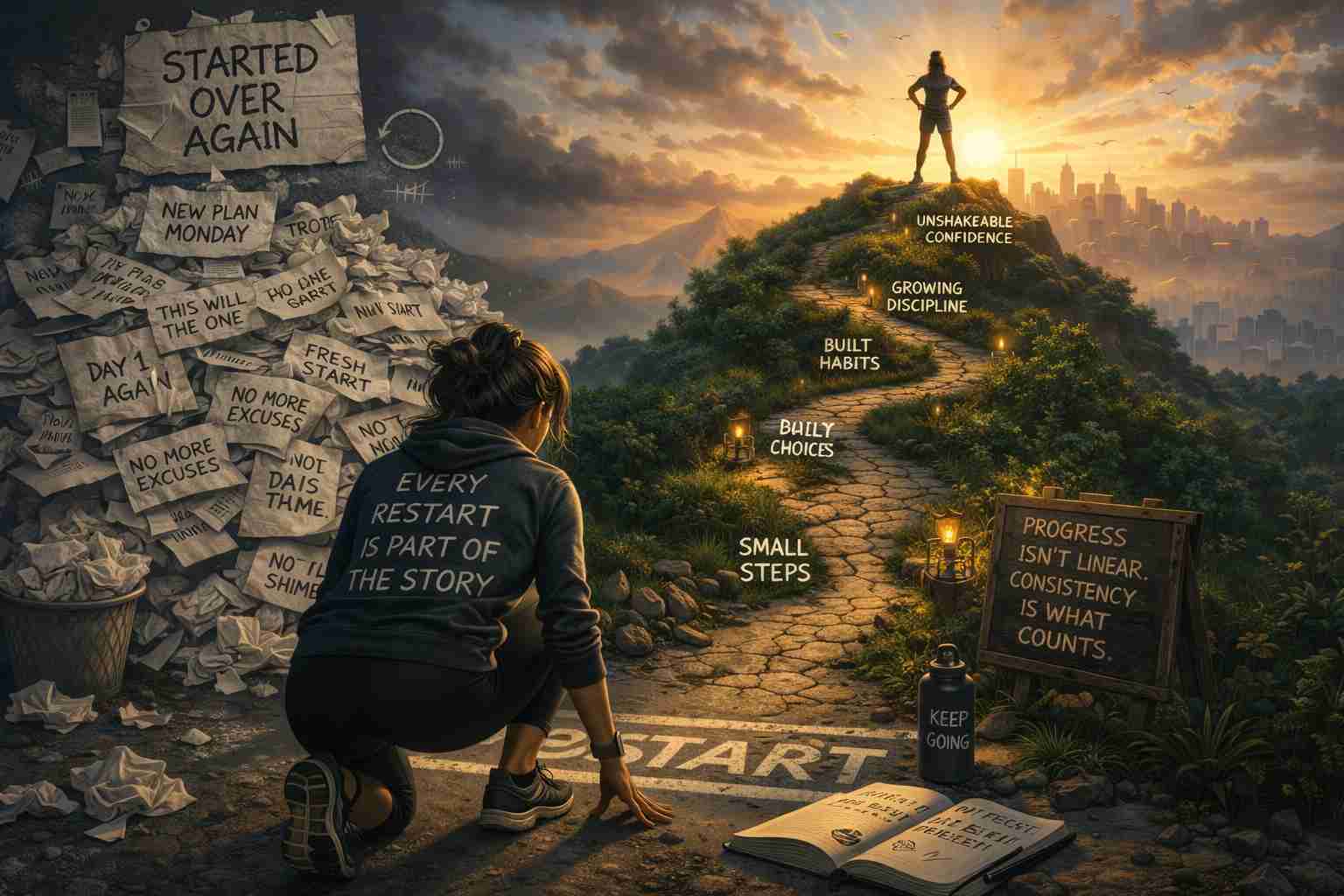
Success rarely belongs to the most talented person in the room. More often, it belongs to the individual who stayed committed long enough for results to arrive.
Consistency creates momentum. Momentum creates progress. Progress eventually creates success.
Small Actions Create Massive Outcomes
People often underestimate the power of repeated actions.
A single workout may not transform your body. One day of studying may not dramatically improve your knowledge. A single business decision may not generate significant revenue.
However, repeated over months and years, those actions become powerful.
Like drops of water carving through stone, consistency achieves what occasional intensity cannot.
The Compounding Effect of Effort
Effort compounds much like money invested over time.
Each positive action builds upon previous actions. Skills improve. Knowledge expands. Confidence grows. Opportunities increase.
The process may seem slow initially because compounding starts quietly.
Eventually, progress accelerates and results become difficult to ignore.
Momentum Changes Everything
Starting is often the hardest part. Continuing is the second hardest.
Once momentum develops, maintaining progress becomes easier. Habits replace willpower, and routines reduce resistance.
Momentum acts like a rolling snowball. It begins small but gathers size and strength as it moves forward.
Trusting the process allows momentum the time it needs to develop.
Why Daily Discipline Matters More Than Motivation
Motivation feels wonderful when it is present. The problem is that it rarely stays.
Some days you feel energized and inspired. Other days you feel tired, discouraged, and distracted.
Relying entirely on motivation creates inconsistency.
Motivation Comes and Goes
Emotions change constantly. Motivation rises and falls like ocean tides.
If progress depends on feeling motivated, results become unpredictable.
Discipline provides stability when enthusiasm disappears. It keeps you moving even when excitement fades.
That reliability becomes a major advantage over time.
Habits Build Long-Term Success
Habits remove the need for constant decision-making.
Instead of asking whether you should work toward your goal, habits make action automatic.
Successful people are not always more motivated. They simply build systems that support consistent behavior.
The process becomes easier when positive actions become part of daily life.
Learning to Trust What You Cannot Yet See


One of life’s greatest challenges is believing in future outcomes without present evidence.
This requires faith—not necessarily in a religious sense, but confidence that your actions will eventually produce results.
Trusting the process often means believing before seeing.
The Importance of Long-Term Thinking
Short-term thinking focuses on immediate rewards. Long-term thinking focuses on eventual outcomes.
The difference between these perspectives can completely change how setbacks are interpreted.
Short-Term Setbacks Are Often Misleading
A bad week does not define a journey. Neither does a disappointing month.
Temporary setbacks can create the illusion of failure even when overall progress remains positive.
Imagine looking at a stock market chart for a single day. The movement might appear discouraging. Looking at ten years tells a completely different story.
Life often works the same way.
Patience Creates Better Decisions
Impatience encourages emotional reactions. Patience encourages thoughtful decisions.
People who rush often change direction too quickly. They abandon effective strategies before results have time to appear.
Patience provides clarity. It creates space for rational thinking and sustained effort.
That combination often leads to better outcomes.
Comparing Yourself to Others Slows Progress
Comparison is one of the fastest ways to destroy confidence.
Someone will always seem further ahead. Someone else will always appear more successful.
Focusing too much on their journey distracts you from your own.
Everyone Has a Different Timeline
Life is not a race with a universal finish line.
Some people achieve success early. Others find it later. Neither path is inherently better.
Comparing timelines ignores individual circumstances, opportunities, and challenges.
Trusting the process means respecting your unique journey.
Progress Is Personal
Real progress is measured against your past self, not someone else’s present reality.
Ask yourself whether you are stronger, wiser, or more capable than before.
Those improvements matter far more than external comparisons.
When progress becomes personal, motivation becomes more sustainable.
What Happens When You Stay Committed

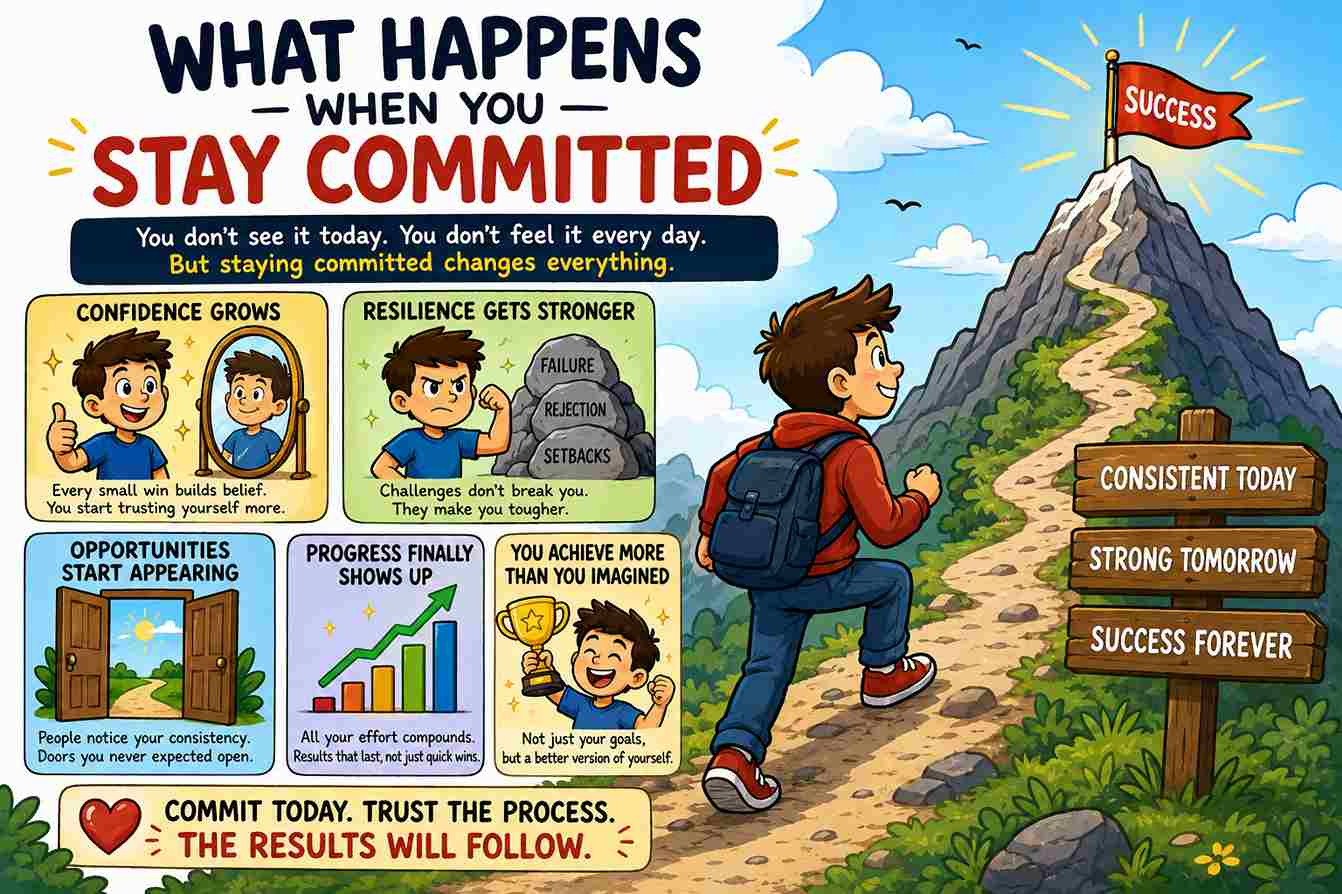
Persistence often creates outcomes that seem impossible during difficult periods.
People who continue showing up eventually gain advantages that cannot be replicated through shortcuts.
Confidence Begins to Grow Naturally
Confidence is frequently misunderstood.
Many believe confidence comes before action. In reality, confidence usually follows action.
Repeated effort creates evidence. Evidence creates belief.
Success Leaves Clues
Every small achievement becomes proof that progress is possible.
Completing a difficult task, learning a new skill, or overcoming an obstacle strengthens self-belief.
These moments accumulate over time.
Eventually, confidence stops feeling forced and starts feeling natural.
Resilience Becomes a Competitive Advantage
Challenges are unavoidable. Resilience determines how people respond to them.
Those who trust the process learn to recover from setbacks more effectively.
Instead of seeing obstacles as signs to quit, they view them as part of the journey.
That mindset becomes increasingly valuable over time.
Opportunities Start Appearing
Persistent effort often creates opportunities that seem lucky from the outside.
In reality, those opportunities frequently result from preparation meeting timing.
Consistency Builds Credibility
People notice reliability.
Whether in business, sports, education, or personal relationships, consistent individuals earn trust.
That trust creates opportunities for collaboration, leadership, and growth.
Credibility becomes one of the most valuable assets a person can develop.
Preparation Meets Opportunity
Luck often receives more credit than it deserves.
Many fortunate moments occur because someone was prepared when an opportunity appeared.
Without preparation, the same opportunity might have gone unnoticed.
Trusting the process ensures you are ready when the right moment arrives.
Finding Strength During Periods of Slow Results


The most important moments in any journey often occur when nothing exciting seems to be happening.
These quiet periods reveal commitment levels more clearly than moments of success.
Focus on the Work, Not Just the Outcome
Obsessing over results can create unnecessary frustration.
When all attention is placed on outcomes, daily progress may feel insignificant.
Shifting focus toward the work itself creates a healthier perspective.
Process-Oriented Thinking Reduces Stress
People who focus exclusively on results often experience constant anxiety.
They evaluate every action based on immediate outcomes.
Process-oriented individuals pay attention to effort, improvement, and consistency instead.
This mindset reduces emotional volatility and increases satisfaction.
Mastery Takes Time
Every meaningful skill requires patience.
Learning, improving, and refining abilities cannot be rushed indefinitely.
Mastery resembles crafting a sculpture. Each small adjustment contributes to the final masterpiece.
The beauty emerges gradually rather than instantly.
Remember Why You Started
During difficult periods, reconnecting with your original purpose can provide valuable motivation.
Goals become easier to pursue when they are connected to meaningful reasons.
Purpose Creates Endurance
People can endure remarkable challenges when they understand why those challenges matter.
Purpose acts like fuel during moments of exhaustion.
It reminds you that temporary discomfort serves a larger objective.
That reminder can make all the difference during difficult seasons.
The Journey Shapes the Person

Many people focus so heavily on reaching their destination that they overlook who they are becoming along the way.
The process develops discipline, patience, resilience, wisdom, and confidence.
Ironically, these qualities often become more valuable than the achievement itself.
The destination matters, but the transformation matters even more.
Final Thoughts
Trusting the process when results lag is not about blind optimism. It is about understanding how meaningful growth actually works. Progress often develops quietly before becoming visible. Success frequently arrives later than expected, but not necessarily later than needed.
The periods that feel slow are often the periods doing the most important work. Roots grow before trees rise. Foundations are built before buildings stand tall. Effort accumulates before results appear.
When doubt surfaces, remember that lack of immediate evidence is not proof of failure. Keep showing up. Keep improving. Keep moving forward.
One day, the results that seemed so distant may arrive all at once, and when they do, you will realize the process was working the entire time.
FAQs
1.Why is it important to trust the process?
Trusting the process helps maintain consistency during periods when visible results are absent. It encourages patience, resilience, and long-term thinking, which are essential for meaningful success.
2.What should I do when I feel discouraged by slow progress?
Focus on your daily actions rather than immediate outcomes. Reflect on how far you have come, celebrate small improvements, and remind yourself why you started.
3.Can success happen without patience?
Short-term success may occur quickly, but lasting success usually requires patience. Most meaningful achievements involve sustained effort over an extended period.
4.How can I stay motivated when results are delayed?
Build habits that support your goals, focus on consistent action, and avoid comparing your progress to others. Motivation becomes easier when progress is measured against your own growth.
5.What is the biggest mistake people make during slow growth periods?
The most common mistake is quitting too soon. Many people stop just before their efforts begin producing visible results, preventing them from experiencing the rewards of persistence.