

When people first hear about forex trading, their minds often picture Wall Street hotshots with years of financial degrees and endless charts covering the walls. It sounds intimidating, right? This gives birth to the myth that you must be a financial genius or hold a PhD in economics to stand a chance in the forex market. But here’s the truth: you don’t need to be a financial expert to trade forex successfully. You just need the right mindset, basic knowledge, and a willingness to keep learning.
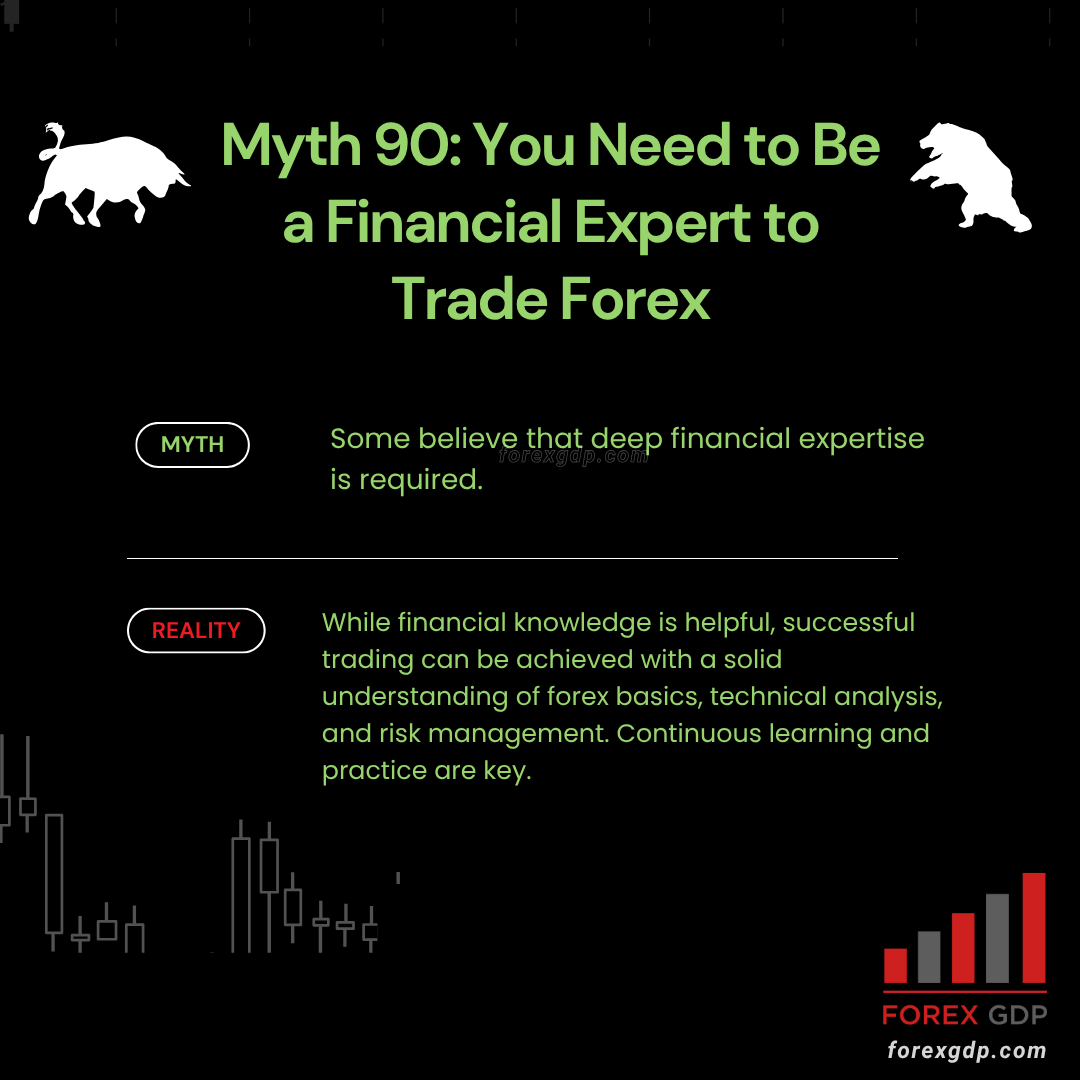
In this article, let’s bust this myth wide open. We’ll dive into what forex trading really requires, why financial expertise is optional (not mandatory), and how ordinary people with zero background in finance are still making it big. We’ll also explore strategies, pitfalls, and the simple yet powerful tools that can help anyone thrive in this market.
The Myth of Financial Expertise in Forex
The myth says: unless you’ve studied finance, you’re doomed to fail in forex. That couldn’t be further from the truth. While financial knowledge helps, forex trading is not reserved for financial elites. It’s more about psychology, discipline, and practical strategies than memorizing economic theories.
Think about it—most successful traders weren’t born financial experts. They started with curiosity, learned the ropes, and gradually improved. The market doesn’t care about your degree; it cares about your decisions.
Why This Myth Exists
So, why do people believe you must be a financial expert? A few reasons:
-
Complex Jargon: Words like “pip,” “lot size,” “Fibonacci retracement,” and “leverage” scare beginners off.
-
Media Influence: Movies and shows portray traders as mathematical geniuses glued to multiple screens.
-
The Fear Factor: Brokers and institutions sometimes feed this myth to keep beginners from trying.
But at the end of the day, forex is a skill like driving a car—you don’t need to know the full mechanics of the engine, just how to operate it safely.
What You Really Need Instead
Instead of deep financial expertise, here’s what you actually need:
-
Basic forex knowledge: Understand pips, spreads, and currency pairs.
-
Technical analysis basics: Learn how to read charts and spot trends.
-
Risk management: The single most important thing—knowing how much to risk per trade.
-
Patience and discipline: More than half the battle is psychological.

With these four pillars, even a complete beginner can start trading responsibly.
Forex Basics Everyone Can Grasp
Let’s break down some essentials:
-
Currency Pairs: You’re always trading one currency against another (EUR/USD, GBP/JPY, etc.).
-
Bid and Ask Price: The price at which you buy and sell.
-
Leverage: Borrowing power that allows small traders to control bigger positions.
-
Pips: Tiny units that measure price changes.
See? Nothing overly complicated. You don’t need to solve algebra equations—just grasp the mechanics.
The Power of Technical Analysis
Charts might look scary at first, but they’re just visual stories of price movement. Learning to read them is like learning to read a map—you don’t need to be a cartographer, just know what the symbols mean.
Some simple tools beginners can use:
-
Moving Averages (MA): Helps spot the trend.
-
Support and Resistance: Key price levels where markets react.
-
Candlestick Patterns: Visual cues for possible reversals or continuations.
Once you understand these, you’ll see patterns everywhere.
Risk Management: The Real Secret
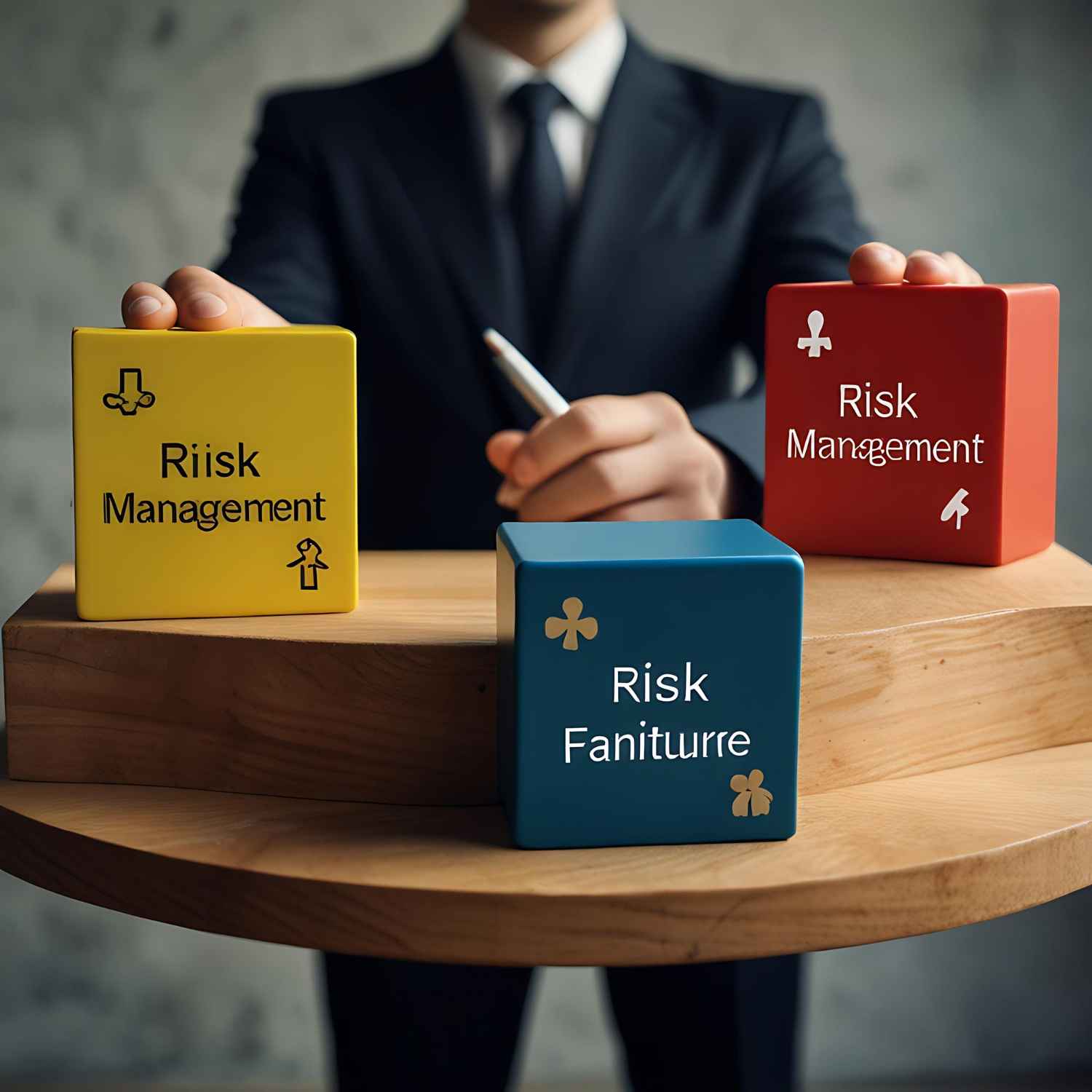
Here’s the truth financial experts won’t tell you: the key to surviving forex is not genius-level market predictions—it’s risk management. Even if you’re wrong half the time, you can still make money if you manage your losses and let winners run.
Golden rules include:
-
Never risk more than 1-2% of your capital per trade.
-
Always use stop-loss orders.
-
Diversify trades rather than putting all money in one basket.
This way, you protect yourself even when the market gets wild.
Why Continuous Learning Beats Expertise
The forex market evolves daily. News events, economic releases, and political shifts constantly shake things up. No one—expert or not—can predict the future with 100% accuracy. That’s why continuous learning and practice matter more than any financial background.
Successful traders treat trading like a marathon, not a sprint. They keep journals, analyze mistakes, and adjust strategies. It’s less about being an expert and more about being adaptable.
Stories of Successful Traders Without Expertise
Believe it or not, many successful traders started with no financial background:
-
A high school teacher turned part-time trader who mastered technical analysis and made trading his main income.
-
A taxi driver who learned forex in his spare time, using demo accounts until he built confidence.
-
Countless students, homemakers, and freelancers who turned small savings into consistent profits.
These stories prove that passion and persistence outweigh formal qualifications.
The Psychological Game
Forex trading is 80% mindset, 20% strategy. Even if you know every financial formula, fear and greed can still destroy you. Emotional control is where non-experts often outperform “experts,” because they aren’t overconfident.
Think of forex as a poker game—you don’t win by knowing every mathematical probability, but by managing your emotions and making smart bets.
Common Mistakes Beginners Make
If you’re starting without a financial background, watch out for these traps:
-
Over-leveraging: Using too much borrowed money.
-
Ignoring stop-losses: Hoping the market “comes back.”
-
Chasing signals blindly: Copying others without understanding.
-
Lack of patience: Expecting to get rich overnight.
Remember, forex isn’t a lottery. It’s a skill that grows with time.
Tools That Make Life Easier
You don’t need to calculate everything manually. Modern trading platforms offer:
-
Charts and indicators: Built-in tools to analyze the market.
-
Risk calculators: To determine safe lot sizes.
-
Trading signals: Alerts that guide entry and exit points.
-
Demo accounts: Practice environments with no financial risk.
These tools level the playing field for non-experts.
The Role of Financial Knowledge (And Its Limits)
Of course, financial knowledge has benefits. Understanding interest rates, inflation, and global economies helps you see the bigger picture. But let’s be honest—even “experts” get it wrong. How many analysts predicted market crashes correctly? Very few.
So, while knowledge helps, don’t let the lack of it hold you back. The forex market rewards smart risk-takers, not just financial theorists.
Why Experience Trumps Theory
You could read every forex book ever written, but until you place real trades, you won’t understand the emotional rollercoaster. Experience builds intuition—the kind no textbook can teach.
It’s like learning to ride a bike. You can study balance and motion all day, but until you hop on, you’ll never master it.
The Path to Becoming a Competent Trader
Here’s a practical roadmap:
-
Start with demo trading.
-
Learn technical basics.
-
Develop a simple trading plan.
-
Transition to small live trades.
-
Keep a trading journal.
-
Scale gradually as confidence builds.
Notice how “get a finance degree” wasn’t on the list?
Why This Myth Can Be Dangerous
Believing you must be an expert can actually stop you from ever starting. Many potential traders miss out because they think they’re “not qualified enough.” The irony? Most who succeed never had formal training. The myth creates unnecessary fear.
Conclusion
The idea that you need to be a financial expert to trade forex is one of the most misleading myths out there. In reality, trading success comes from understanding basics, managing risks, practicing consistently, and controlling emotions. Expertise may give you an edge, but it’s not the gatekeeper. If anything, overconfidence from “expert knowledge” can be more dangerous than ignorance.
So, if you’ve been waiting to become a financial genius before dipping your toes in forex—stop waiting. The best traders are learners, not know-it-alls. Start small, stay disciplined, and let experience shape you into the trader you want to become.
FAQs
1. Can someone with zero financial background really trade forex?
Yes! Many successful traders started with no finance knowledge. The basics are simple, and practice bridges the gap.
2. Do I need to understand global economics deeply?
Not at all. A basic awareness helps, but technical analysis and risk management matter more.
3. How much money do I need to start trading forex?
You can start with as little as $100, thanks to micro-accounts and leverage. The key is starting small.
4. What’s the biggest mistake beginners make?
Over-leveraging and ignoring stop-losses. These lead to quick wipeouts, regardless of experience.
5. Is forex trading risky for non-experts?
Yes, forex is risky for everyone—including experts. But with proper risk management, beginners can minimize losses and grow steadily.