

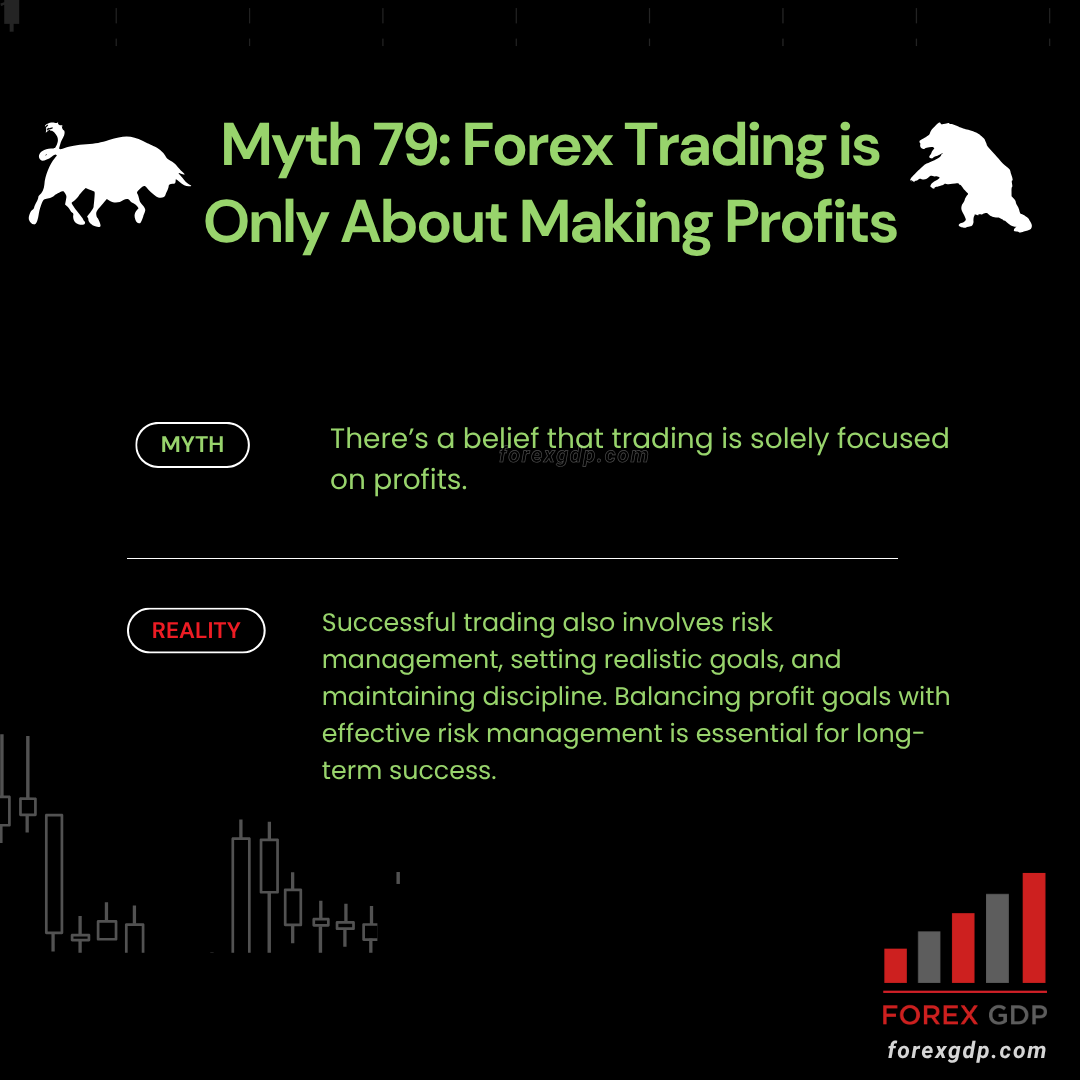
If you’ve ever dipped your toes into the world of forex trading, chances are you’ve heard someone say, “Trading is all about making money.” Sounds exciting, right? But here’s the reality check — if you enter the forex market with this mindset, you’re already setting yourself up for failure. The truth is, forex trading isn’t just about profits. It’s about risk management, discipline, emotional control, and consistency.
Think of forex like driving a sports car — everyone wants to go fast, but without brakes and control, you’ll crash before you reach your destination. In this article, we’ll break down the myth that forex trading is only about making profits and uncover what real, sustainable trading actually looks like.
The Profit-Only Mindset: A Dangerous Illusion
Many new traders join the forex market with glittering eyes and unrealistic expectations. They believe trading is a quick way to double or triple their money. This mindset fuels impulsive decisions, emotional trading, and ultimately, financial loss.
When profit becomes the only goal, traders ignore crucial aspects like stop-loss placement, risk-to-reward ratios, and trade psychology. It’s like building a house with no foundation — it might look fine at first, but it will crumble under pressure.
The irony? The more you chase profits, the less likely you are to achieve them. Professional traders don’t focus on getting rich overnight — they focus on not losing money first.
The Role of Risk Management in Forex Trading
Ask any successful trader their secret, and you’ll likely hear one common phrase: “Risk management is everything.” Risk management isn’t about avoiding losses; it’s about controlling them.
Every trader faces losses. What separates professionals from amateurs is how they handle them. Smart traders risk only a small percentage of their capital on each trade — typically between 1% and 3%. This approach ensures they can survive a series of losing trades without blowing up their account.
Think of risk management as your seatbelt in a speeding car. You might not need it every time, but when things go wrong — and they will — it can save your trading career.
Setting Realistic Goals Instead of Unrealistic Dreams
Many beginners start with the dream of quitting their jobs and becoming full-time traders within a month. But trading isn’t a lottery — it’s a skill that takes years to master.
Setting realistic goals helps keep your expectations grounded. Instead of aiming to make 100% returns in a week, focus on achieving consistent small gains, like 2–5% monthly. These may sound modest, but compounding those returns over time can produce life-changing results.
Remember, even professional hedge funds rarely exceed 20–30% annual returns. If the pros can stay humble, so should you.
Emotional Discipline: The Invisible Weapon

Trading success isn’t just about numbers — it’s also about psychology. Emotional discipline determines how you react to wins, losses, and uncertainty.
When greed, fear, or overconfidence take control, logic flies out the window. You might start revenge trading after a loss or over-leverage a position after a win. Both lead to disaster.
A disciplined trader follows their plan, even when emotions scream otherwise. They treat trading like a business, not a casino. It’s about controlling your emotions before they control your trades.
The Power of Patience and Consistency
Patience is one of the most underrated virtues in forex trading. Markets don’t move on your schedule, and not every day offers a perfect setup.
Impatient traders often enter trades out of boredom or fear of missing out (FOMO). The result? They take low-quality trades that lead to unnecessary losses.
Consistency, on the other hand, compounds over time. Even if you make small, steady profits each month, you’ll outperform 90% of traders who swing wildly between gains and losses. It’s the tortoise, not the hare, that wins in the forex race.
Why Risk-to-Reward Ratio Matters More Than Win Rate
Here’s a shocker — you can lose more trades than you win and still make money. How? By maintaining a favorable risk-to-reward ratio.
For example, if you risk $100 per trade and aim for a profit of $300, even winning just 4 out of 10 trades means you’re profitable overall. That’s the magic of asymmetric returns — a small edge consistently applied can lead to long-term success.
Traders obsessed with having a 90% win rate often end up over-trading or refusing to take losses, which is a one-way ticket to account destruction.
The Importance of Having a Trading Plan
Would you build a house without a blueprint? Of course not. Yet many traders dive into the market with no clear plan.
A trading plan defines your entry and exit rules, risk tolerance, trading hours, and strategies. It acts as a compass that keeps you focused, even when the market gets chaotic.
Without a plan, you’re just gambling — and gambling has no place in forex trading. Successful traders don’t rely on luck; they rely on structured plans that are tested, refined, and executed consistently.
Overtrading: The Silent Account Killer
Overtrading is a common trap for profit-hungry traders. It happens when you take too many trades, often driven by emotion or greed.

Each trade carries risk, and the more trades you take, the more chances you give the market to hit your stop-loss. Overtrading also leads to decision fatigue — you become mentally exhausted and start making poor choices.
Quality always beats quantity in trading. One well-planned trade can be more profitable than ten impulsive ones. Remember: the market rewards patience, not hyperactivity.
The Role of Continuous Learning in Forex Success
Forex is a constantly evolving battlefield. What worked last year may not work today. To stay ahead, traders must commit to continuous learning.
Reading market news, analyzing charts, studying past trades, and learning from mentors are all part of a trader’s growth journey. The market is like an ocean — you can’t control the waves, but you can learn to surf better.
The moment you stop learning, you start losing. Stay humble, stay curious, and keep upgrading your trading knowledge.
Avoiding the “Get Rich Quick” Mentality
The forex industry is flooded with social media influencers flaunting luxury cars, villas, and stacks of cash. But most of that is smoke and mirrors.
This “get rich quick” mentality lures traders into taking reckless risks — using high leverage, trading oversized lots, or following random signal providers. The truth? There are no shortcuts in trading. Every successful trader you see today has likely gone through years of losses, frustration, and learning.
If you want to last in this game, focus on building skill, not chasing thrill. Trading isn’t a sprint — it’s a marathon.
How to Balance Profit and Risk
Striking the right balance between profit and risk is the cornerstone of sustainable trading. Think of it as walking a tightrope — lean too much toward profit and you fall into greed; lean too much toward safety and you miss opportunities.
Use proper position sizing and always define your stop-loss before entering a trade. Never risk more than you can afford to lose, and don’t let a single trade wipe out weeks of progress.
Your goal isn’t to win every battle; it’s to stay in the game long enough to win the war.
Learning to Accept Losses Gracefully
Losses are not your enemy — they’re your teachers. Every trader loses; the key is to lose wisely.
Accepting losses means understanding that no system is perfect. Instead of getting emotional, review your trades objectively. Did you follow your plan? Was your entry logical? Did emotions interfere?
A professional trader doesn’t get angry at losses — they learn from them. As the saying goes, “The market can remain irrational longer than you can remain solvent.” Stay calm, adapt, and move forward.
Building a Long-Term Trading Mindset

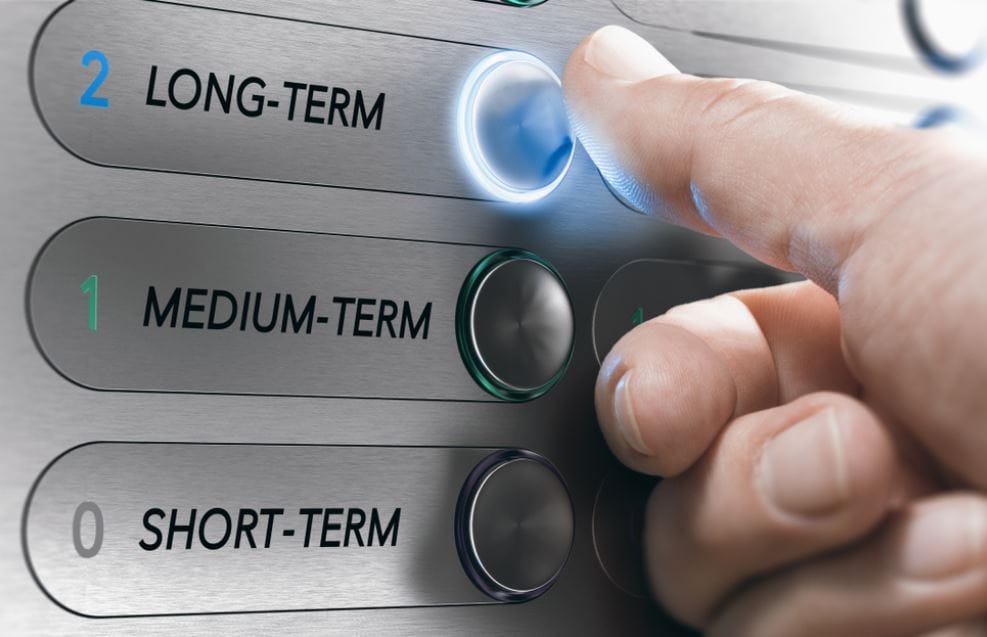
The most successful traders treat forex like a business. They think in terms of months and years, not hours and days.
A long-term mindset helps you focus on process over outcome. Instead of obsessing over daily profits, you evaluate whether you followed your plan, managed risk, and stayed disciplined.
This shift in focus transforms trading from a stressful gamble into a structured profession. Remember — consistency beats intensity every single time.
Common Mistakes That Destroy Traders
Even seasoned traders make mistakes. The most common ones include over-leveraging, emotional trading, ignoring stop-losses, and failing to adapt to market changes.
These mistakes stem from one root cause: lack of discipline. The market doesn’t care about your opinions or emotions. It rewards preparation and punishes carelessness.
If you can eliminate even half of your mistakes, your profitability will skyrocket. Trading isn’t about perfection — it’s about progress.
Turning Knowledge Into Experience
Knowledge alone isn’t power in trading — applied knowledge is. You can read every book, watch every webinar, and follow every signal, but unless you practice, you’ll never master the market.
Use demo accounts to test strategies, journal your trades, and analyze your performance. Experience teaches lessons no textbook ever could.
Trading success comes from doing the right things repeatedly — until they become second nature.
Conclusion
Forex trading isn’t just about making profits — it’s about surviving long enough to make them. Profit is the outcome of discipline, strategy, and emotional control. When you stop chasing quick gains and start focusing on mastering the process, that’s when true success begins.
The myth that forex is all about profit blinds traders from what truly matters — risk management, patience, and consistency. Remember: even the best traders lose, but they lose smart. Trading is not about being right; it’s about being profitable over time. So, focus less on chasing pips and more on protecting capital — because in the long run, that’s what keeps you in the game.
FAQs
1. Can you make consistent profits in forex trading?
Yes, but consistency requires discipline, strategy, and patience. Quick profits are possible, but consistent profits demand time and experience.
2. How much should I risk per trade in forex?
Most professional traders recommend risking no more than 1–3% of your total capital per trade to ensure long-term survival.
3. Why do most forex traders lose money?
Lack of discipline, over-leverage, emotional trading, and unrealistic expectations are the main reasons most traders fail.
4. Is forex trading gambling?
Not if you treat it professionally. Gambling is based on luck; trading is based on analysis, risk control, and psychological discipline.
5. What’s the biggest myth about forex trading?
That it’s only about making profits. In reality, trading success depends far more on managing risks, emotions, and maintaining a consistent process.