

Trading isn’t a race; it’s a waiting game. One of the most valuable lessons any trader can learn is simple yet powerful — “Don’t chase, wait for the retest.” This phrase holds deep meaning, not just as a trading strategy but as a mindset that separates seasoned professionals from emotional beginners.
In this article, we’ll explore what it truly means to wait for the retest, why chasing trades often leads to disaster, and how patience and discipline can make or break your success in the Forex market.
The True Meaning Behind “Don’t Chase, Wait for the Retest”
When traders say “wait for the retest,” they’re referring to waiting for the market to confirm its direction after a breakout before entering a trade. In simple terms, it’s about letting the market come to you rather than chasing after every movement.
A retest happens when price breaks through a key level — like support or resistance — and then returns to test that same level before continuing its trend. This test helps confirm whether the breakout was genuine or just a fake move (often called a “false breakout”).
By waiting for that retest, you’re allowing the market to show its hand — a confirmation that gives you confidence and better risk-to-reward potential.
The Psychology of Chasing Trades
Let’s be honest — chasing trades is a form of FOMO (Fear of Missing Out). Every trader has felt that panic when a chart starts moving quickly, thinking, “I’m going to miss this move!” But this emotional reaction is a trap.
When you chase a trade, you’re not following your plan — you’re reacting to the market emotionally. It’s like running after a bus that’s already left the station; you might catch it, but you’ll likely trip on the way.
Patience, on the other hand, keeps you calm. It allows you to act based on logic, not emotion. The best traders don’t rush into trades — they wait for perfect setups, even if it means missing a few opportunities along the way.
Why Chasing Trades Is a Costly Mistake
There’s a harsh truth in Forex: chasing trades often leads to losses. Here’s why.
When price breaks out, momentum is already high. Jumping in late means you’re entering when the market is overextended — right before it pulls back. That pullback? It’s the retest you were supposed to wait for.
By entering too soon, you not only risk getting caught in a correction but also mess up your risk-to-reward ratio. You end up placing wide stop-losses or getting stopped out early. It’s like buying a car without checking the brakes — it looks great until it doesn’t stop in time.
The Power of the Retest in Trading Strategy

A retest is like a truth serum for the market. It tells you whether the breakout is genuine or false.
When price breaks a resistance and comes back to test it as support (or vice versa), that retest validates the move. If price respects that level, it’s your confirmation that the market agrees with your analysis.
This approach isn’t about being cautious — it’s about being strategically patient. Waiting for a retest allows you to enter at a better price with a tighter stop-loss and higher profit potential.
The Role of Patience in Successful Trading
Patience is more than a virtue in trading — it’s a weapon. Most traders lose not because they lack skill but because they lack patience.
Think of trading like fishing. You cast your line and wait. If you keep pulling your line every five seconds, you’ll never catch anything. The same goes for trading — constant jumping in and out of trades only creates chaos and frustration.
Patience gives you clarity. It helps you see beyond the noise and focus on setups that truly meet your criteria. It’s not about trading more — it’s about trading better.
Understanding Market Manipulation and False Breakouts
The market has a sneaky way of tricking impatient traders. Big players — banks, institutions, and smart money — often create false breakouts to lure traders into bad positions.
Here’s how it works: price breaks above a resistance, retail traders jump in thinking it’s a breakout, and then the price reverses sharply. That’s called a liquidity grab — the market hunts stop-losses before moving in the real direction.
Waiting for the retest helps you avoid falling into these traps. A confirmed retest shows that the market has accepted the new level, filtering out the noise caused by manipulation.
Emotional Discipline: The Key to Avoiding Impulsive Trades
If patience is your weapon, discipline is your armor. Even the best strategies fail without emotional control.
You can’t trade successfully if your emotions run the show. Fear makes you exit too early. Greed makes you enter too soon. Regret makes you hesitate next time. It’s a vicious cycle.
Building emotional discipline means sticking to your plan — no matter what the chart looks like. You set your entry, stop-loss, and target — and let the market do its thing. It’s not easy, but it’s what separates pros from amateurs.
Technical Insights: How to Identify a Retest Properly

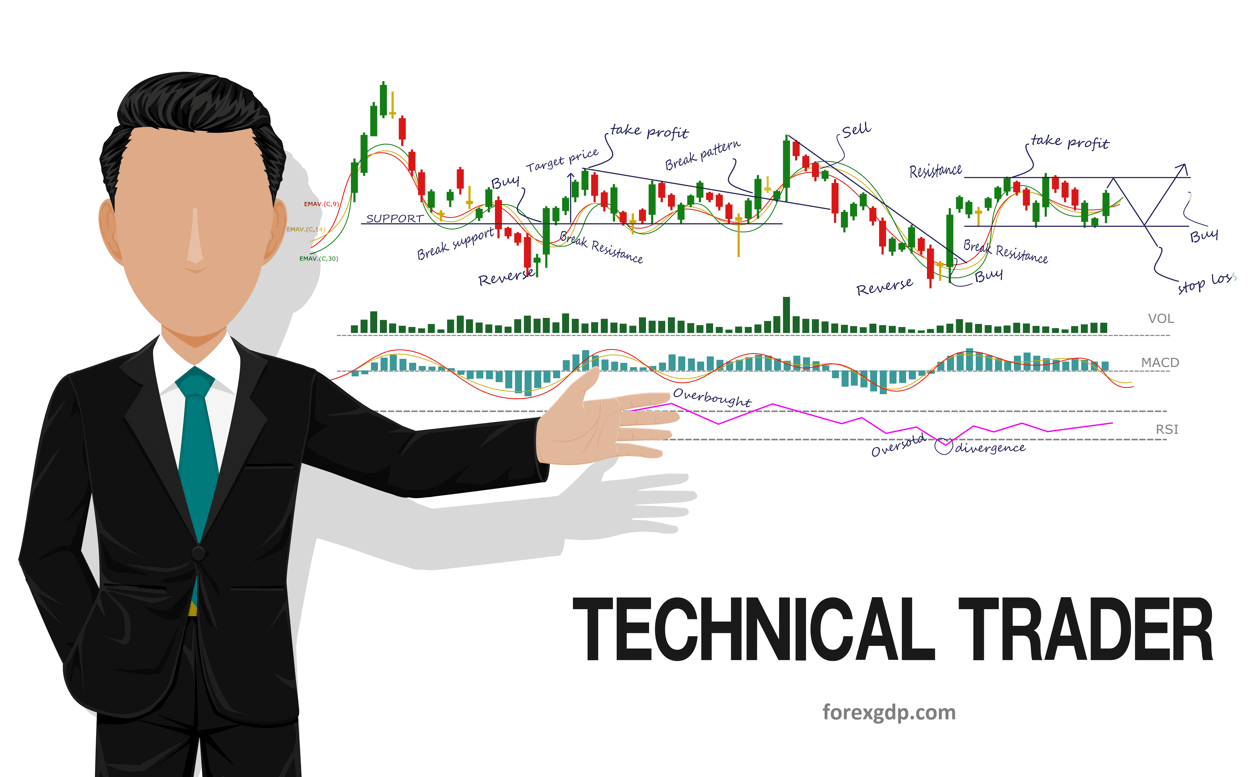
Now that we understand the psychology, let’s talk about the technical side. How do you actually spot a retest?
-
Breakout: Wait for the price to close above resistance (or below support).
-
Pullback: Watch for the market to return to that breakout zone.
-
Confirmation: Look for reversal patterns like bullish engulfing, pin bars, or strong rejections at that level.
-
Entry: Enter the trade once confirmation appears, not before.
Patience here pays off big time. You’re entering the trade when others are fearful — and that’s where the real profit lies.
The Risk-to-Reward Advantage of Waiting
One major benefit of waiting for a retest is improved risk-to-reward ratio.
When you chase a trade, your entry is far from the ideal zone. That means your stop-loss is large, and your potential reward is small. But when you wait for the retest, you get to enter near the base level, reducing your stop size and increasing your profit potential.
This small adjustment can transform your trading results over time. Consistently aiming for trades with a 1:3 or 1:4 risk-to-reward ratio means even if you’re right only half the time, you’ll still be profitable.
Real-Life Example: The Power of Waiting for Confirmation
Imagine EUR/USD breaks through a resistance at 1.1000. The breakout candle looks strong, and your emotions scream “buy now!”
But instead, you wait. A few hours later, price drops back to 1.1000 — retesting it. You notice a bullish engulfing candle form, confirming the support. You enter your trade at 1.1005 with a tight stop at 1.0980.
Price then shoots up to 1.1100, giving you a clean 1:4 reward ratio. If you had chased the initial breakout at 1.1040, you would’ve risked more, earned less, or even hit your stop on the pullback.
That’s the beauty of waiting — you let the market come to you.
The Long-Term Impact of Trading Patience
Patience compounds over time — just like interest. Each patient decision builds confidence, consistency, and clarity.
Over months and years, this habit creates a powerful shift. You stop reacting to the market and start anticipating it. You no longer panic when others do because you understand that the best opportunities don’t come often — but when they do, they’re worth the wait.
Many traders quit not because they’re bad analysts but because they can’t handle the boredom between trades. The market rewards patience, not impatience.
Common Mistakes Traders Make When Chasing


Even experienced traders sometimes fall into the chasing trap. Here are a few common mistakes:
-
Entering late after a big move: You see a candle breaking out and jump in without confirmation.
-
Ignoring your plan: You trade impulsively, not following your rules.
-
Moving stop-losses out of fear: You widen stops, hoping the trade “comes back.”
-
Revenge trading: You try to make up for losses by forcing trades.
All these mistakes come from the same root — impatience. Recognizing them is the first step to breaking the cycle.
How to Train Your Mind to Wait for the Retest
Training patience isn’t easy, but it’s doable. Start by accepting that not trading is also part of trading. Sitting on your hands is sometimes your best move.
Use a trading journal to record your emotional triggers. Every time you feel the urge to enter early, note it down. Over time, you’ll recognize patterns — moments when emotion clouds logic.
Another trick? Backtest your setups. Seeing how many times a retest offers better entries will build your confidence. Once you trust your method, you’ll naturally become more patient.
Building a Strategy Around Retests
A complete strategy focused on retests includes more than just patience — it requires precision. Here’s a simple structure:
-
Identify key zones (support/resistance).
-
Wait for a breakout with volume confirmation.
-
Let the price return to the breakout zone.
-
Watch for entry signals (candlestick patterns or moving average crossovers).
-
Place stop-loss just beyond the retest zone.
-
Set realistic targets based on structure or Fibonacci extensions.
This method works across timeframes — from scalping to swing trading. It’s consistent, logical, and backed by solid risk management.
The Emotional Benefits of Waiting for the Retest
There’s an emotional calmness that comes from knowing you entered a trade with confirmation. You’re not second-guessing yourself, and your confidence grows.

Instead of staring at charts nervously, you learn to trust your analysis. Even if a trade loses, you know you followed your plan — and that’s a win in itself. Over time, this discipline turns trading from a stressful gamble into a strategic process.
Comparing Impulsive vs. Patient Traders
Let’s paint two pictures:
-
Trader A: Sees a breakout, jumps in instantly, panics during the pullback, gets stopped out, and blames “bad luck.”
-
Trader B: Sees the same breakout, waits patiently, enters after confirmation, holds the trade calmly, and walks away with profit.
Both traders saw the same chart. The only difference? Patience. One reacted emotionally; the other acted strategically. And that’s what defines long-term success in Forex.
Why Waiting Feels Boring but Works Wonders
Most people equate action with progress. But in trading, action without thought leads to destruction. Waiting feels boring — like watching paint dry. But that boredom is your edge.
The more you wait for high-probability setups, the fewer mistakes you make. And fewer mistakes mean better results. Successful traders don’t trade all the time — they trade at the right time.
So, embrace the boredom. The waiting phase is where winners are made.
How Waiting for the Retest Protects Your Capital
Capital preservation is your number one job as a trader. The more impulsive you are, the faster your capital disappears.
Waiting for the retest means you’re only entering trades with confirmation — reducing false entries and unnecessary losses. Over time, this approach compounds your profits by avoiding costly mistakes.
Remember, your capital is your ammunition. Don’t waste it firing blindly at every move. Save it for the right moment — the confirmed retest.
The Retest Principle Beyond Forex
This principle isn’t limited to Forex. It applies to stocks, crypto, commodities, and even life.
In crypto, waiting for the retest before buying a breakout prevents FOMO-driven losses. In stocks, it helps avoid buying tops. In life, “waiting for the retest” means letting situations unfold before reacting.
It’s a universal mindset: patience before action. Waiting for confirmation always pays off — in trading and beyond.
The Ultimate Mindset Shift for Long-Term Traders
Here’s the ultimate truth — trading isn’t about being right; it’s about managing risk. And waiting for the retest is the best way to manage it.
When you stop chasing trades, you stop chasing the market’s approval. You’re no longer a victim of emotions but a master of your system. This shift — from reaction to anticipation — is what builds consistent profitability.
So, next time you see a breakout, take a breath. Remind yourself: “Don’t chase, wait for the retest.” That one decision could save your account — and your sanity.
Conclusion
Trading is 80% psychology and 20% strategy. “Don’t chase, wait for the retest” is not just a trading rule — it’s a philosophy that defines smart trading.
It teaches patience, emotional control, and confidence. It reminds us that successful trading is not about catching every move but about catching the right ones.
So, slow down. Let the market show you its intentions. Wait for the confirmation. Because in trading — as in life — patience isn’t just a virtue; it’s profitability in disguise.
5 Unique FAQs
1. What exactly does a retest mean in Forex trading?
A retest occurs when the market revisits a broken support or resistance level to confirm it before continuing in the breakout direction. It’s a way to verify that the breakout is genuine.
2. Why do traders often fail to wait for retests?
Most traders fall victim to FOMO — the fear of missing out. They jump into trades too early, driven by emotion rather than logic, and end up entering at poor price points.
3. Can every breakout have a retest?
Not always. Some strong momentum breakouts continue without retesting. However, statistically, most markets do return to test key levels, especially on higher timeframes.
4. How can I practice patience in trading?
Use a trading plan and journal. Backtest your setups, observe how many fakeouts happen, and remind yourself that missing a trade is better than taking a bad one.
5. Is waiting for the retest suitable for beginners?
Absolutely! In fact, it’s one of the safest strategies for beginners. It teaches discipline, patience, and better timing — all crucial traits for long-term success.