

We like to think life is endless, or at least flexible enough to ignore the clock. But time is brutally honest. If you’re lucky enough to live to seventy-five, the math doesn’t flatter you. A third of that life disappears into sleep. Another third is swallowed by work. What’s left is the thin slice we romantically call “living.” That realization hits harder than any motivational quote ever could.

When you see it laid out like that, it feels almost unfair. Decades spent trading hours for paychecks, repeating routines, and postponing joy. Most people don’t notice the pattern until the years feel heavier. The tragedy isn’t working itself. It’s working without building anything that lasts beyond the workday.
Why most people never stop to question it
The system rewards obedience, not curiosity. From school onward, we’re trained to accept the idea that work equals survival. Questioning that deal feels rebellious, even irresponsible. So people stay quiet, nod along, and tell themselves they’ll “enjoy life later.”
Later, however, is slippery. It keeps moving. The paycheck arrives, the bills leave, and the reminder pops up to repeat the process next month. It’s not that people don’t want more freedom. They’re just exhausted from running on a treadmill that never slows down.
Understanding the Three Lives We All Live
The life spent asleep
Sleep is non-negotiable. It’s the silent partner in your existence, claiming hours without apology. You can’t negotiate with it, hustle around it, or outsmart it. Sleep doesn’t care about ambition. It shows up every night and takes what it’s owed.
That’s not a bad thing. Sleep restores you, sharpens you, and keeps you human. The issue isn’t the time spent asleep. It’s pretending that the remaining hours are limitless when they clearly aren’t.
The life spent working

Work has a strange dual personality. It can give purpose or drain it. For most people, it’s closer to the latter. Eight hours a day sounds manageable until you multiply it by decades. Suddenly, entire seasons of your life vanish into offices, factories, and screens.
Working isn’t the enemy. Working forever is. When all your income depends on your presence, your freedom becomes fragile. Miss a day, and the system reminds you who’s really in control.
The life meant for living
This is the part everyone romanticizes and rarely protects. The moments of laughter, exploration, and stillness. The time to sit without checking the clock. The freedom to say yes or no without fear.
Ironically, this part of life often gets squeezed between exhaustion and responsibility. It’s treated like a reward instead of a right. That’s where owning assets changes everything.
Why Owning Assets Changes the Entire Game
Assets as silent workers
An asset is like hiring someone who never complains, never sleeps, and never asks for a raise. It works quietly in the background while you focus on living. Stocks, real estate, businesses—these aren’t just financial tools. They’re time machines, slowly giving your hours back.
The beauty of assets is their indifference. They don’t care if you’re tired or unmotivated. Once set up properly, they keep producing. That’s a level of reliability most jobs can’t match.
Income without constant effort
There’s something deeply comforting about earning money without clocking in. It feels almost rebellious at first. You realize that income doesn’t have to be directly tied to your physical presence.
This doesn’t mean zero effort. It means front-loaded effort. You work hard early so you don’t have to work endlessly. That trade-off is what separates survival from stability.
Freedom as the real currency
Money is just a medium. Freedom is the prize. The ability to choose how you spend your day, who you spend it with, and what you say no to. Assets buy that freedom slowly, quietly, and steadily.
Without assets, freedom stays theoretical. With them, it becomes practical. You stop asking for permission and start making decisions.
The Cost of Relying Only on a Job
The illusion of security
A paycheck feels safe until it isn’t. Layoffs, economic shifts, and health issues don’t announce themselves politely. They arrive uninvited and unforgiving. Relying on a single income source is like balancing your entire life on one leg.
Jobs offer predictability, not permanence. The illusion of security keeps people complacent. By the time the rug moves, it’s often too late to adjust comfortably.
Burnout as a lifestyle
Working endlessly without building assets is like pouring water into a bucket with holes. You keep filling it, but it never stays full. Over time, frustration hardens into burnout.
Burnout isn’t just physical exhaustion. It’s emotional erosion. It’s waking up tired of a life that feels smaller than your potential. Assets don’t cure burnout, but they prevent it from becoming permanent.
Time poverty and regret
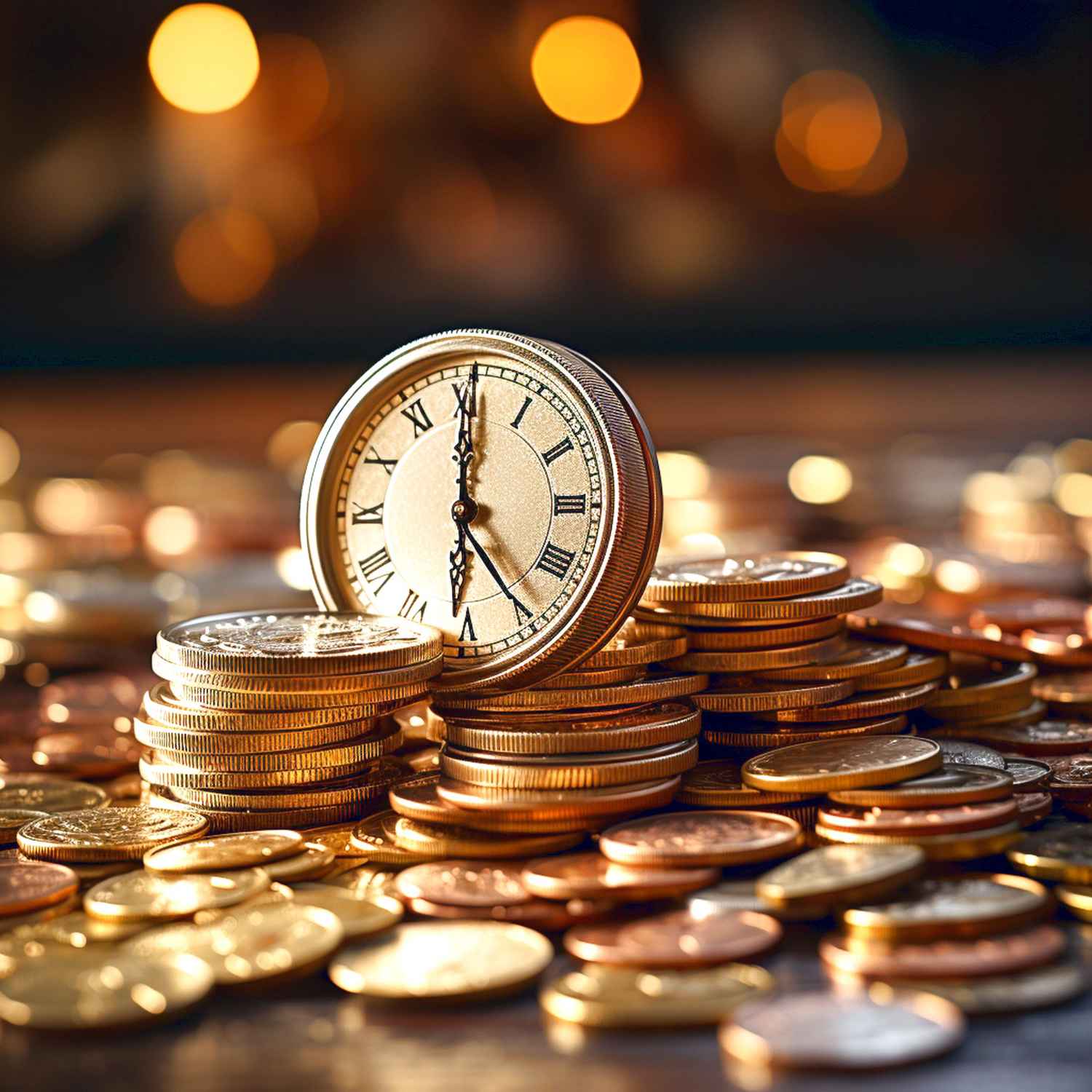
You can always make more money. You can’t make more time. People who reach later stages of life often regret not taking control sooner. Not because they wanted luxury, but because they wanted options.
Time poverty sneaks up quietly. One year becomes five. Five become twenty. Assets interrupt that pattern by giving you leverage over your future self.
Learning to Think Like an Owner
The shift from earning to owning
Earning money is active. Owning assets is strategic. One keeps you busy; the other makes you powerful. The mental shift is subtle but transformative.
Owners think long-term. They ask how today’s effort compounds tomorrow. Earners focus on immediate results because they have to. Ownership creates breathing room for patience.
Delayed gratification done right
Delayed gratification gets a bad reputation because people associate it with suffering. But there’s a difference between pointless waiting and intentional sacrifice. Investing in assets is the latter.
You’re not denying yourself joy. You’re buying better joy later. The kind that doesn’t expire when the alarm clock rings.
Breaking free from consumption traps
Modern life encourages spending over building. New gadgets, bigger homes, shinier cars. None of these are evil, but they distract from ownership.
Assets don’t always look exciting at first. They grow quietly. While others chase upgrades, owners accumulate leverage. Over time, that difference becomes impossible to ignore.
Assets That Can Fund Your Freedom
Stocks as long-term partners
Stocks are often misunderstood. They’re not lottery tickets. They’re ownership slices in real businesses. When those businesses grow, so does your stake.
The power of stocks lies in patience. Short-term noise fades. Long-term growth compounds. It’s slow, sometimes boring, but incredibly effective.
Real estate and tangible security
There’s something grounding about real estate. You can touch it, see it, walk through it. It provides shelter and income at the same time.
Real estate isn’t always glamorous. It requires responsibility. But it offers stability that few other assets can match when managed wisely.
Businesses that outlive your effort
Owning a business doesn’t always mean running one day-to-day. Systems, teams, and processes can turn effort into structure.
A well-built business becomes an engine. It keeps moving even when you step away. That’s the dream many chase without realizing it’s achievable.
The Emotional Side of Financial Freedom
Fear at the starting line
Let’s be honest. Starting feels scary. There’s fear of loss, fear of mistakes, fear of looking foolish. That fear keeps people stuck longer than logic ever could.
Fear doesn’t disappear. It just changes shape. Over time, fear of staying stuck becomes louder than fear of moving forward.
Confidence built through ownership
Owning assets changes how you carry yourself. There’s a quiet confidence that comes from knowing you’re not entirely dependent on one source.
This confidence spills into other areas of life. Decisions feel lighter. Risks feel manageable. You stop operating from desperation.
Peace that money alone can’t buy
Wealth without freedom feels hollow. Freedom without stability feels anxious. Assets bridge that gap.
The peace that comes from sustainable income isn’t flashy. It’s subtle. It shows up in better sleep, calmer mornings, and fewer “what if” spirals.
Why Most People Start Too Late
The myth of perfect timing
People wait for the perfect moment. More money. More knowledge. More confidence. That moment rarely arrives.
The truth is messy starts outperform perfect plans. Assets reward action more than intention.
Social pressure and comparison
Watching others spend freely can make restraint feel like failure. Social media amplifies this pressure.
What you don’t see are the quiet owners building foundations while others showcase lifestyles. Comparison steals focus and delays progress.
Underestimating small beginnings
People dismiss small investments as pointless. They forget that compounding thrives on consistency, not size.
Small beginnings grow. No beginning grows if it never starts.
Redefining Success on Your Own Terms
Success beyond status symbols
Success isn’t a car, a title, or a corner office. It’s control. Control over your schedule, your energy, and your choices.
Assets strip success down to its essence. They reveal what actually matters when the noise fades.
Designing a life, not escaping one

Financial freedom isn’t about running away from work. It’s about choosing meaningful work.
When income isn’t desperate, creativity thrives. You design life instead of enduring it.
Leaving options for your future self
Your future self is counting on you. Every asset is a gift forward in time.
You may not feel the impact immediately. But years from now, you’ll thank yourself for starting early.
A Final Reflection on Ownership and Life
Life isn’t evenly divided between sleep, work, and joy by accident. That division reflects choices, systems, and habits passed down without question. Owning assets isn’t about greed or laziness. It’s about respect for your limited time.
When money works without demanding your constant attention, life expands. Mornings feel slower. Decisions feel freer. You stop measuring days by exhaustion and start measuring them by meaning.
Owning assets won’t magically solve every problem. But it changes the direction of your life. Instead of running endlessly, you begin building something that runs for you. And in a world that constantly asks for more of your time, that might be the most powerful choice you can make.
FAQs
1.Is owning assets only for wealthy people?
No. Assets aren’t reserved for the rich. Many wealthy people became that way by starting small and staying consistent over time.
2.Do assets mean I never have to work again?
Not necessarily. Assets give you choice. You can work because you want to, not because you have to.
3.Is it risky to invest in assets?
All progress involves risk. The bigger risk is relying solely on one income source for decades without a backup plan.
4.How long does it take before assets make a difference?
It varies. The impact is often slow at first, then surprisingly fast once momentum builds.
5.Can assets really improve quality of life?
Yes. Not by buying happiness, but by buying time, options, and peace of mind.