

Trading in the forex or stock market isn’t just about luck—it’s about timing, strategy, and execution. If you enter a trade at the wrong time, even if your analysis is correct, you’ll likely end up on the losing side. That’s where trade entry strategies come into play. You don’t need to reinvent the wheel; some classic entry methods have stood the test of time because they simply work. Among the most reliable are Reversal, Range Fade, Breakout, and Pullback entries.

In this article, we’ll take a deep dive into these 4 common trade entries. By the end, you’ll not only understand how they work but also when to use them, what traps to avoid, and how to maximize their potential in your trading journey.
1. Why Trade Entries Matter More Than You Think
You’ve probably heard the phrase: “The money is made in the exit.” While that’s true, your entry point sets the tone for the entire trade. A poor entry forces you into stressful decisions, tighter stop-losses, and second-guessing. On the flip side, a solid entry gives you breathing room, confidence, and higher profit potential.
Think of it like boarding a moving train—if you jump too early, you might get hurt; too late, and you miss the ride. Entries are about catching that sweet spot.
2. The Four Pillars of Trade Entries
There are endless ways to enter a trade, but most of them boil down to these four foundational methods:
-
Reversal – Catching the market as it flips direction.
-
Range Fade – Betting against price inside a sideways channel.
-
Breakout – Riding the momentum when price smashes past key levels.
-
Pullback – Waiting for price to “retest” after a move before joining the trend.
Each of these has its strengths and weaknesses. Let’s break them down one by one.
3. Reversal Entries – Buying Low, Selling High

A reversal entry is when you anticipate that the market will stop moving in one direction and start heading the other way. Imagine catching a falling knife—but safely.
-
When to Use: At major support or resistance zones.
-
Confirmation Signals: Candlestick patterns like double bottoms, hammer candles, or RSI divergence.
-
Risk: High, because sometimes what looks like a reversal is just a pause before the trend continues.
Example
If EUR/USD is falling hard but suddenly bounces off a strong support level seen on the daily chart, a reversal entry allows you to ride the wave upward.
But here’s the catch—many traders jump in too soon. They think, “This has to be the bottom,” only to watch the market continue sinking. That’s why confirmations matter.
4. Range Fade – Playing Ping-Pong with Price
Markets don’t always trend; in fact, they often move sideways in ranges. A range fade entry means you sell at the top of the range and buy at the bottom, betting price will stay inside.
-
When to Use: In consolidating markets with clear boundaries.
-
Confirmation Signals: Multiple bounces from the same support/resistance zone, low volatility.
-
Risk: Breakouts can ruin the party if price suddenly escapes the range.
Example
Think of GBP/USD bouncing between 1.2500 and 1.2700 for weeks. A range fade trader buys near 1.2500 with a stop just below and sells near 1.2700 with a stop just above.
It’s like playing ping-pong—you’re just hitting the ball back and forth until someone smashes it through.
5. Breakout Entries – Catching the Explosion

A breakout entry is the opposite of range fading. Instead of betting that price will stay inside the box, you wait for it to escape.
-
When to Use: After prolonged consolidation or near major support/resistance.
-
Confirmation Signals: High volume, big candlestick breaking through the level, news catalysts.
-
Risk: False breakouts (a.k.a. “fakeouts”) that trap traders before snapping back.
Example
If USD/JPY has been stuck under 150.00 for months, a breakout entry above that level could signal a strong upward move as new buyers flood in.
Breakouts are like champagne bottles—pressure builds up inside, and when the cork pops, things move fast.
6. Pullback Entries – Waiting for the Discount
The pullback entry is a favorite among trend traders. Instead of chasing price when it first moves, you patiently wait for it to “pull back” to a support or resistance level, then join in.
-
When to Use: In trending markets.
-
Confirmation Signals: Price retracing to moving averages, Fibonacci levels, or prior breakout zones.
-
Risk: Sometimes pullbacks never come, and you miss the trade entirely.
Example
If gold breaks out above $2,000, instead of buying right away, a pullback trader waits for price to return to $2,000, tests it as support, and then enters long.
It’s like waiting for a sale—you know the item is valuable, but you’d rather get it at a discount.
7. Comparing the Four Entries
Let’s stack them up side by side:
| Entry Type | Works Best In | Strengths | Weaknesses |
|---|---|---|---|
| Reversal | Support/Resistance zones | Huge profit if you catch the turn | High risk of false signals |
| Range Fade | Sideways markets | Easy to spot levels | Breakouts destroy the setup |
| Breakout | Consolidations | Can ride strong momentum | Fakeouts can cause losses |
| Pullback | Trending markets | Safer than chasing moves | Sometimes no pullback comes |
8. Common Mistakes Traders Make with Entries
Even with these proven methods, traders often sabotage themselves. Some common errors include:
-
Entering too early without confirmation.
-
Using huge lot sizes out of excitement.
-
Ignoring risk management and wide stop-loss placement.
-
Mixing strategies (e.g., fading a range while also betting on a breakout).
It’s like driving with one foot on the gas and one on the brake—you’re going nowhere fast.
9. The Role of Psychology in Trade Entries
Entries aren’t just technical—they’re deeply psychological. Fear of missing out (FOMO) makes traders chase breakouts, while fear of loss makes them bail on reversals too soon.
The truth? Patience is your best weapon. Sometimes the best entry is no entry at all.
10. Tools and Indicators That Can Help
While price action alone is powerful, indicators can give you an edge:
-
Moving Averages – Great for spotting pullback zones.
-
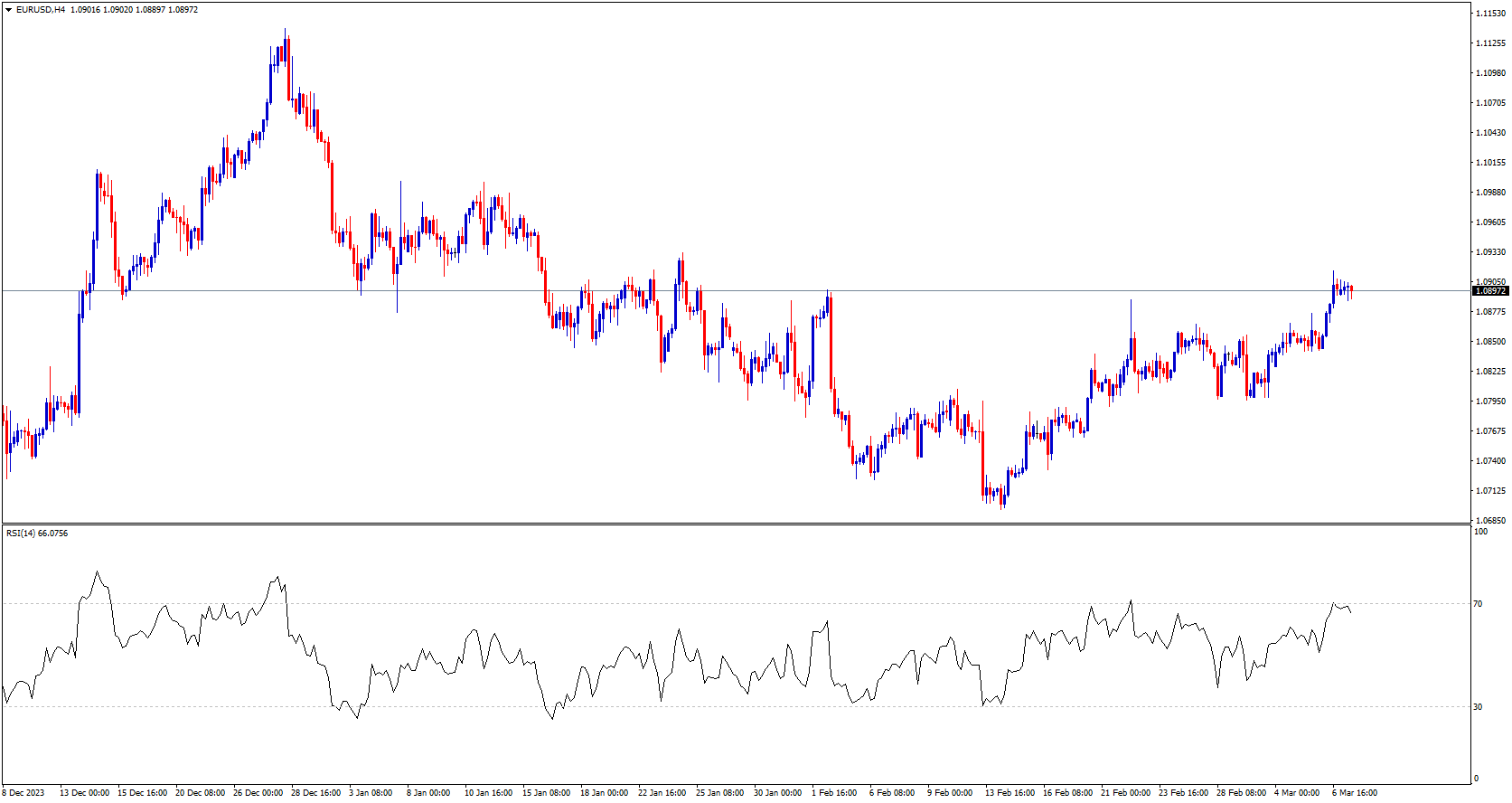
RSI/Stochastic – Helpful in reversal setups.
-
Volume Indicators – Crucial for confirming breakouts.
-
Bollinger Bands – Perfect for identifying range-bound markets.
Think of them as your trade entry “backup singers”—they support the main act but shouldn’t take over the show.
11. Risk Management with Entry Strategies
No matter how perfect your entry seems, things can go wrong. That’s why stop-losses and proper position sizing are non-negotiable.
-
Reversals: Place stops just beyond the key level.
-
Range Fades: Keep stops tight outside the range.
-
Breakouts: Use wider stops to avoid noise.
-
Pullbacks: Place stops below the retracement zone.
Remember: A good trader doesn’t just ask, “How much can I make?” but also, “How much can I lose?”
12. Building a Trading Plan Around Entries
The real power comes when you build a plan around these entries. For example:
-
Identify the market condition (trending, ranging, consolidating).
-
Choose the right entry style (reversal, range fade, breakout, pullback).
-
Confirm with signals and tools.
-
Manage risk with stop-loss and position sizing.
-
Stick to the plan—no improvising.
Consistency beats randomness every single time.
13. Advanced Tips for Mastering Trade Entries
-
Combine strategies: For example, wait for a breakout, then trade the pullback.
-
Use multiple timeframes: Spot the trend on the daily chart, fine-tune the entry on the 1-hour.
-
Journal every trade: Record why you entered, how it played out, and what you’d improve.
Trading is like sports—you don’t become a pro by playing once a week. You train, review, and refine.
Conclusion
The four common trade entries—Reversal, Range Fade, Breakout, and Pullback— aren’t just theories; they’re practical, time-tested approaches that traders worldwide rely on daily. Each has its place, and the secret is knowing when to use which one.
Don’t try to master all at once. Pick one, practice it until you know it inside out, then expand your toolkit. With patience, discipline, and risk management, you’ll start turning entries from random guesses into calculated moves.
Trading isn’t about predicting the future—it’s about preparing for it. And with these four entries in your arsenal, you’ll be better prepared than most.
FAQs
1. Which trade entry is best for beginners?
Pullback entries are usually the easiest for beginners since they align with trends and offer safer risk-to-reward setups.
2. How do I know if a breakout is real or fake?
Look for volume confirmation. Real breakouts usually happen with strong participation, while fakeouts occur with weak or declining volume.
3. Can I use multiple entry strategies at once?
Yes, but it’s better to master one at a time. Mixing them without experience often leads to confusion and poor results.
4. Do I need indicators to use these strategies?
Not necessarily. Price action alone is powerful, but indicators can act as supporting evidence for your decisions.
5. How do I avoid overtrading with these setups?
Create a trading plan with strict entry rules and only trade when all conditions align. Patience is more profitable than chasing every move.