

Trading can sometimes feel like trying to read a book in a foreign language. You see charts, candles, lines, and sudden moves — and you wonder, what on earth is going on? That’s where price action basics step in. If you can read price action, it’s like finally cracking the code. You no longer need fancy indicators cluttering your screen. Instead, you focus on what really matters: price movement itself.

In this article, we’re going to break down the foundations of price action — support/resistance, trendlines, and triangles. These simple concepts are the building blocks of profitable trading strategies. But don’t be fooled by their simplicity; they’re powerful enough to give you an edge in the chaotic world of forex, stocks, or crypto.
What Is Price Action Trading?
Price action trading is all about studying raw price movements without overloading your chart with indicators. Traders focus on candlestick formations, chart patterns, and how price reacts at key levels. Think of it like driving a car: indicators are the GPS, but price action is your windshield. Would you ever cover the windshield with gadgets and still expect to drive safely? Exactly.
Why Price Action Beats Indicators
Indicators lag. They always give you information after the move has already started. By the time your RSI screams “overbought,” the big players have already taken their profits. Price action, on the other hand, tells you the story in real-time. It’s like watching the market’s heartbeat.
So, instead of reacting late, you’re anticipating moves. That’s the difference between chasing trades and staying ahead of the curve.
The Core Pillars of Price Action
Price action rests on a few timeless concepts:
-
Support and Resistance
-
Trendlines
-
Triangles and Consolidation Patterns
These four elements show up repeatedly, no matter the market, no matter the timeframe. If you master them, you’ll be equipped to trade forex, stocks, or crypto like a pro.
Support and Resistance: The Market’s Invisible Barriers
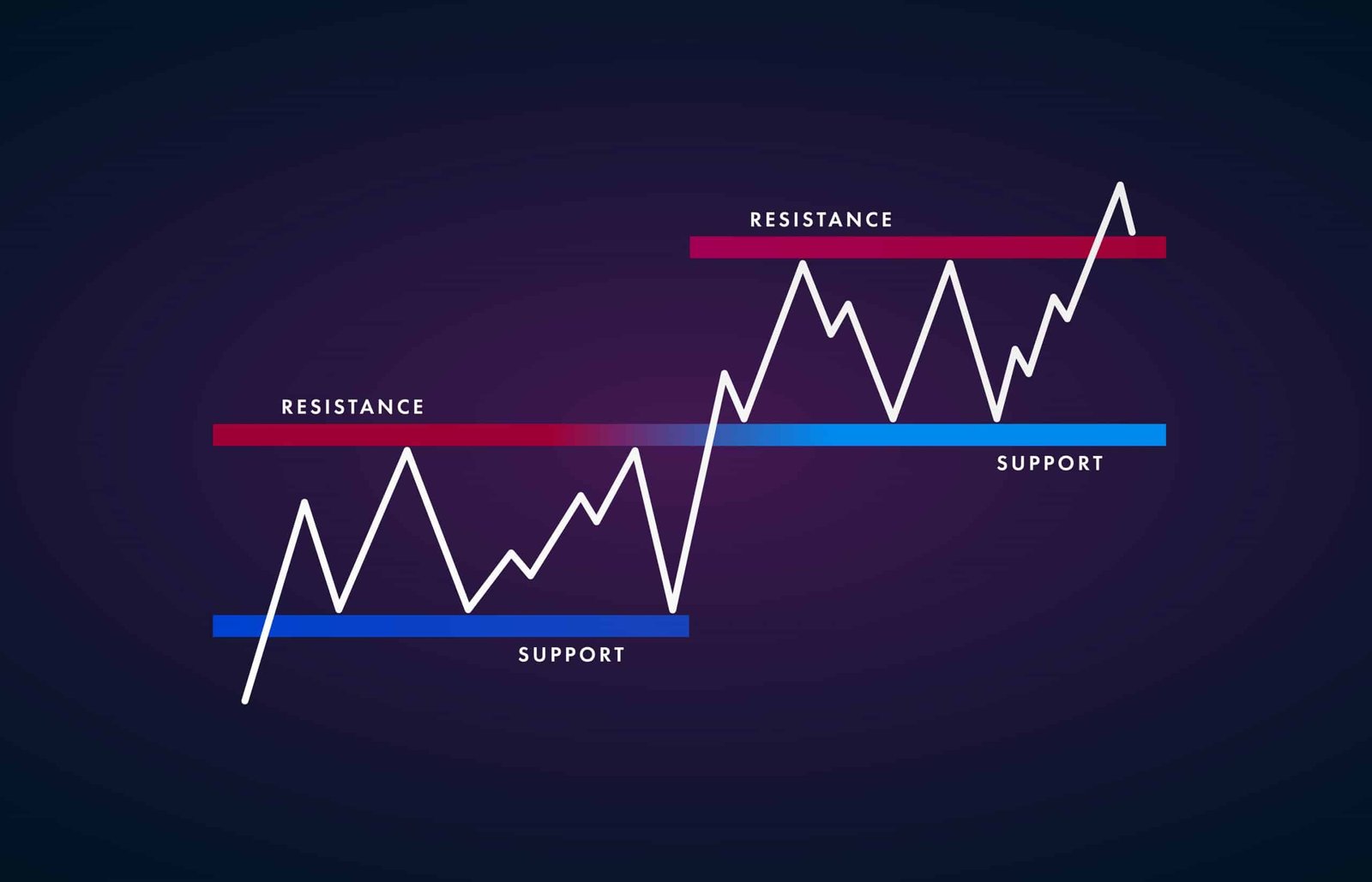
Support and resistance are like the floor and ceiling of the market.
-
Support: A price level where buying pressure is strong enough to stop the fall. Imagine the market hitting a trampoline — every time it drops, it bounces back up.
-
Resistance: The opposite. A level where sellers keep stepping in to push price back down. Like a stubborn ceiling, no matter how hard the market pushes, it struggles to break through.
Why Support/Resistance Work
They work because of human psychology. If traders bought at a certain price and saw profit, they’ll defend that price again. If they sold at a level before, they’ll likely sell there again.
How to Spot Support and Resistance
-
Look for levels where price touched multiple times and reversed.
-
Draw horizontal lines on the chart connecting these levels.
-
Watch how candles behave when price returns there.
Trendlines: Connecting the Market’s Dots
Trendlines are like the skeleton of the market. They give structure to what otherwise looks like chaotic movement.
-
Uptrend Line: Connect the higher lows. If the line holds, the bulls are in control.
-
Downtrend Line: Connect the lower highs. If price respects the line, bears are winning.
Why Trendlines Matter
Trendlines are like invisible magnets. Traders across the world are drawing the same lines, waiting for the same reactions. That collective focus gives them power.
The Mistake Most Traders Make
Many traders force trendlines where they don’t belong. If price hasn’t touched a line at least 2–3 times, don’t trust it. Trendlines are earned, not imagined.
Trendline-to-Trendline Channels
Sometimes price doesn’t just follow one line; it bounces between two. That’s a channel.
-
Ascending Channel: Price climbs upward between two parallel trendlines.
-
Descending Channel: Price slides down between two parallel trendlines.
-
Range-Bound Channel: Price moves sideways, trapped between support and resistance.
How to Trade Channels
-
Buy near the lower line, sell near the upper line.
-
But beware — channels eventually break. When they do, the move is explosive.
Think of a channel like water building up behind a dam. The longer it holds, the bigger the breakout when it finally cracks.
Triangles: The Market’s Squeeze Point
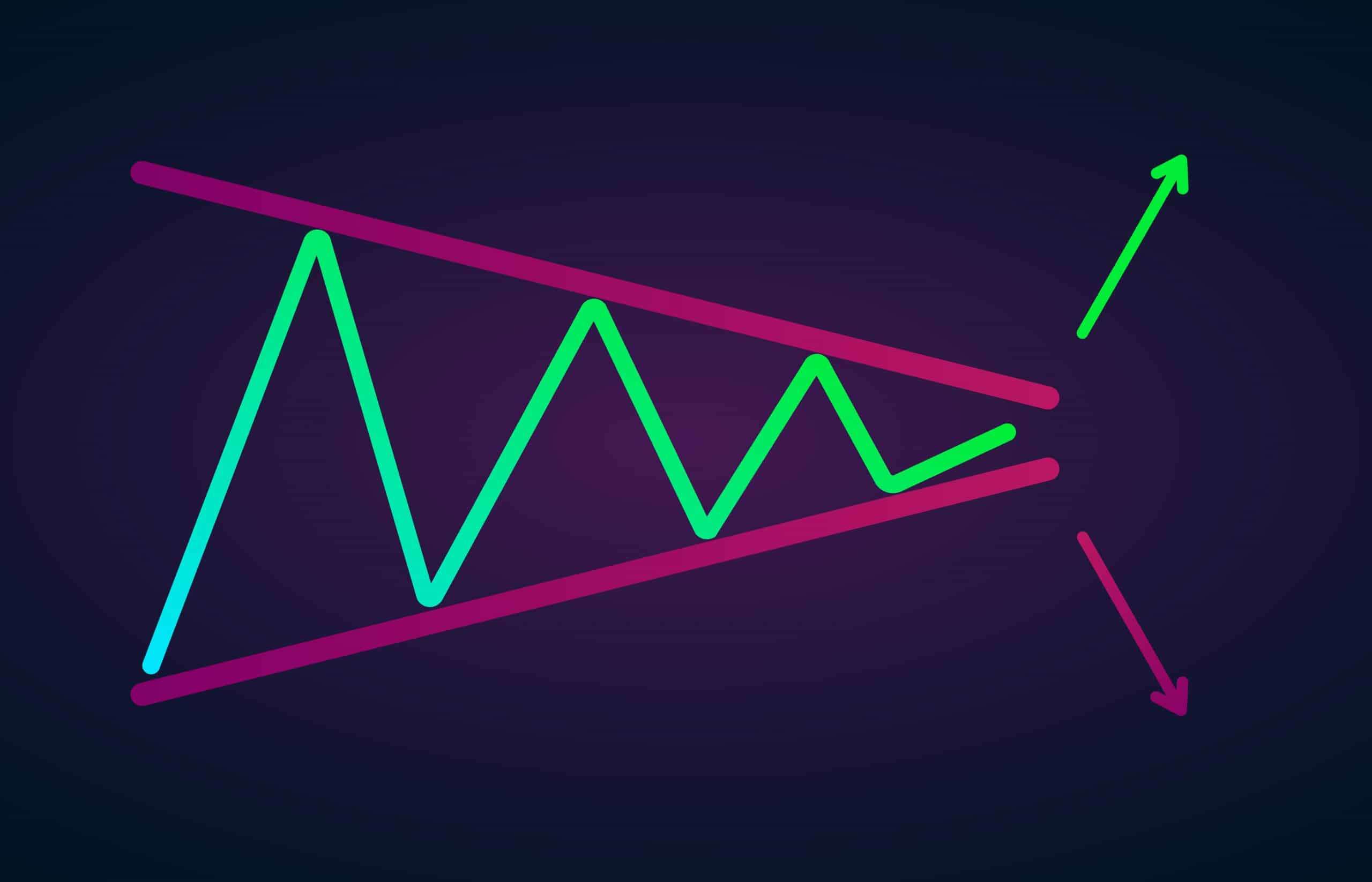
Triangles show consolidation — price is coiling up before a big move.
-
Ascending Triangle: Flat resistance with rising support. Bulls are pushing harder each time.
-
Descending Triangle: Flat support with falling resistance. Bears are gaining ground.
-
Symmetrical Triangle: Both sides closing in. A breakout is imminent, but direction isn’t clear.
How to Trade Triangles
-
Wait for the breakout.
-
Don’t guess the direction; let the market show you.
-
Volume often spikes when price escapes the triangle.
The Role of Breakouts and Fakeouts
Breakouts are the market’s fireworks — they catch everyone’s attention. But beware: not every breakout is real.
A fakeout happens when price pierces a level but quickly reverses. It’s like the market pulling a prank on impatient traders. To avoid being tricked:
-
Wait for confirmation (like a candle close beyond the level).
-
Combine levels with candlestick patterns for extra confidence.
Combining Support, Resistance, and Trendlines
Here’s where things get powerful. Imagine support and resistance lining up with a trendline. That’s confluence.
When multiple signals align, the level becomes stronger. Traders love these zones because they stack probabilities in their favor.
Why Patience Is Key in Price Action
Price action isn’t about chasing every move. It’s about waiting for the right setup. The market is like a hunter’s forest. If you rush, you scare away the prey. But if you wait quietly, the perfect opportunity walks right into your scope.
Patience filters out bad trades. And bad trades are the ones that drain your account and your confidence.
The Psychological Edge of Price Action
Here’s the truth: most traders lose not because they don’t know price action, but because they can’t stick to it. Price action requires discipline.
-
Seeing a setup but resisting the urge to jump early.
-
Accepting losses when levels break.
-
Trusting the process even when the market gets messy.
Trading is 80% psychology, 20% charts. Price action helps because it keeps things simple and clear.
Common Mistakes Beginners Make
-
Drawing too many lines. Your chart looks like a spiderweb. Keep it clean.
-
Forcing setups. Not every move fits a pattern. Don’t try to make it.
-
Ignoring higher timeframes. A strong daily trendline beats a weak 5-minute one.
-
Chasing breakouts. Jumping in without waiting for confirmation is asking for trouble.
Building a Price Action Strategy
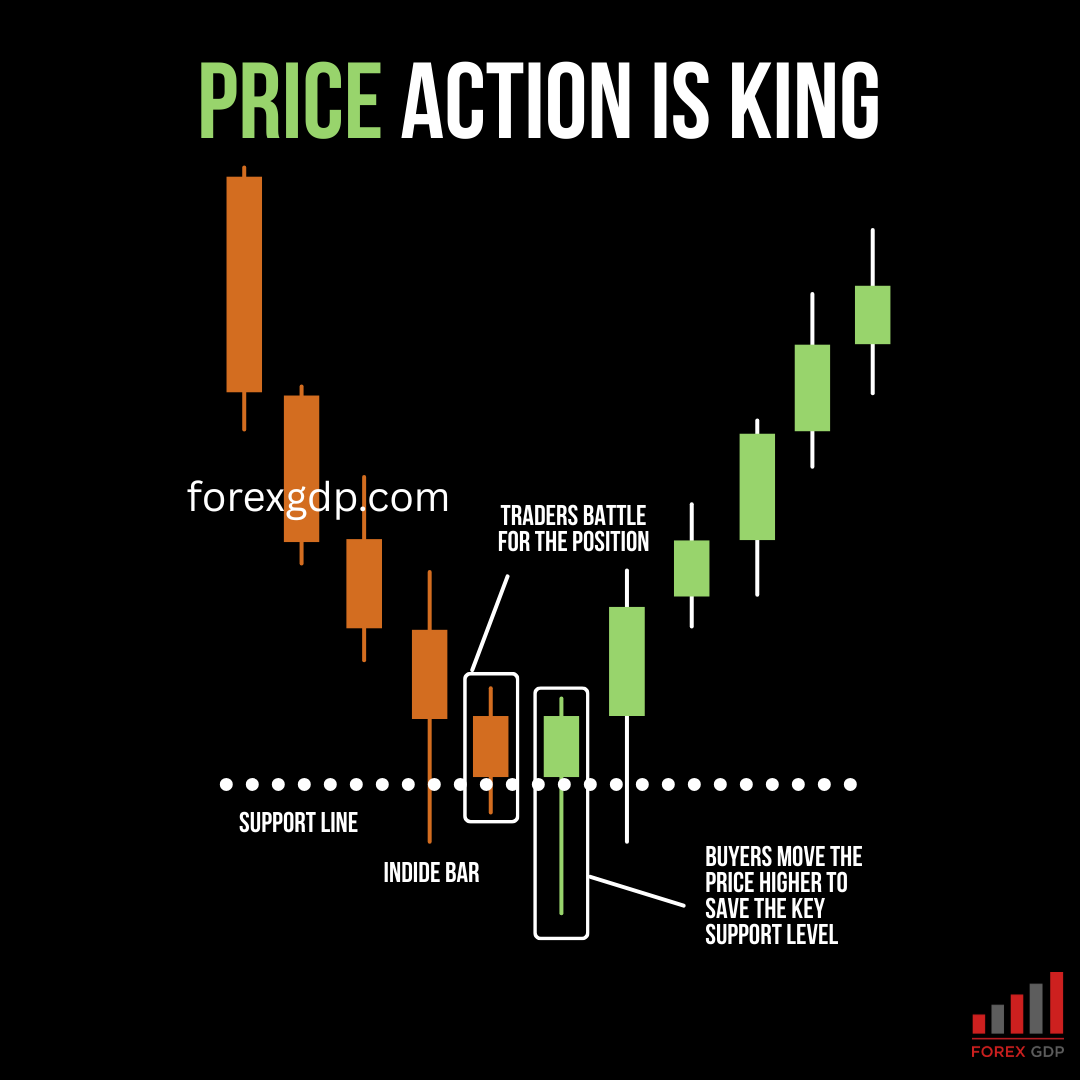
Here’s a simple framework:
-
Mark key support and resistance zones.
-
Draw trendlines or channels.
-
Wait for price to approach those areas.
-
Look for candlestick confirmations (pin bar, engulfing, etc.).
-
Enter with stop-loss just beyond the level.
Keep it simple. The best strategies are boring, not flashy.
Conclusion
Price action is the foundation of trading. By mastering support/resistance, trendlines, channels, and triangles, you’re reading the market’s raw language. Forget cluttered charts and lagging indicators. Focus on what price is actually doing.
The market doesn’t reward the smartest trader. It rewards the most disciplined. So keep your charts clean, your patience strong, and your risk management tight.
FAQs
Q1: Can I trade only using price action without indicators?
Yes, many professional traders do. Price action itself is enough if you know how to read it correctly.
Q2: What’s the best timeframe for price action?
Higher timeframes like 4H or daily are more reliable. Lower timeframes often have too much noise.
Q3: How do I know if a breakout is real or fake?
Wait for confirmation — like a strong close beyond the level or retest. Avoid reacting to the first spike.
Q4: Is price action better than using indicators?
It depends on your style. But price action gives you direct insight into market psychology, which indicators often lag behind.
Q5: How long does it take to master price action?
It varies. With consistent practice and journaling, most traders start seeing real progress in 6–12 months.