

Trading is often glamorized as a world where charts, graphs, and endless analysis consume every waking hour. Many new traders step into the market with the idea that they must spend countless hours glued to their screens to find the perfect setup. But here’s the reality check: you don’t need to sacrifice your entire day to be successful in the markets.
This belief is nothing more than a myth that keeps many beginners overwhelmed and frustrated. Yes, analysis is important—but with the right tools and strategies, you can trade smarter, not longer. In this article, we’ll dive deep into this misconception, why it exists, and how you can manage your time effectively while still trading profitably.
1. The Origin of the Myth
The myth that traders must spend hours analyzing markets likely comes from the early days of trading. Back then, information wasn’t as accessible. Traders manually sifted through newspapers, economic calendars, and physical charts to stay informed.
Fast forward to today—technology has completely changed the game. With real-time alerts, automated indicators, and AI-driven analysis, what used to take hours can now be done in minutes. Still, the stigma lingers because people equate effort with success. But in trading, more hours don’t necessarily mean more profits.
2. Why People Believe More Time Means More Profit
It’s easy to see why beginners fall for this trap. If you’ve been told that “practice makes perfect,” it makes sense to assume the more time you spend analyzing, the better you’ll get.
But markets don’t care about how long you sit staring at a candlestick chart. The truth is, overanalyzing often leads to analysis paralysis—when you’re so caught up in details that you freeze and miss opportunities altogether.
Think of it like studying for an exam. You could spend all night highlighting textbooks, but if you’re not focusing on the right concepts, the effort is wasted.
3. The Role of Efficient Tools
Modern trading tools have one main goal: to save you time and reduce stress. Traders today don’t have to manually calculate moving averages or watch every single tick. Instead, tools handle the grunt work so you can focus on decision-making.
Some of the most common tools include:
-
Automated Alerts: Notify you when your conditions are met.
-
Technical Indicators: Like RSI, MACD, and Bollinger Bands, which simplify market trends.
-
Economic Calendars: Highlight key events to watch out for.
-
AI-driven Systems: Provide quick insights without needing hours of chart reading.
By leveraging these, you cut down your analysis time dramatically while still getting reliable results.
4. The Danger of Overanalyzing
Here’s the harsh truth: more time in front of charts doesn’t always equal better trades. In fact, it can hurt you.
-
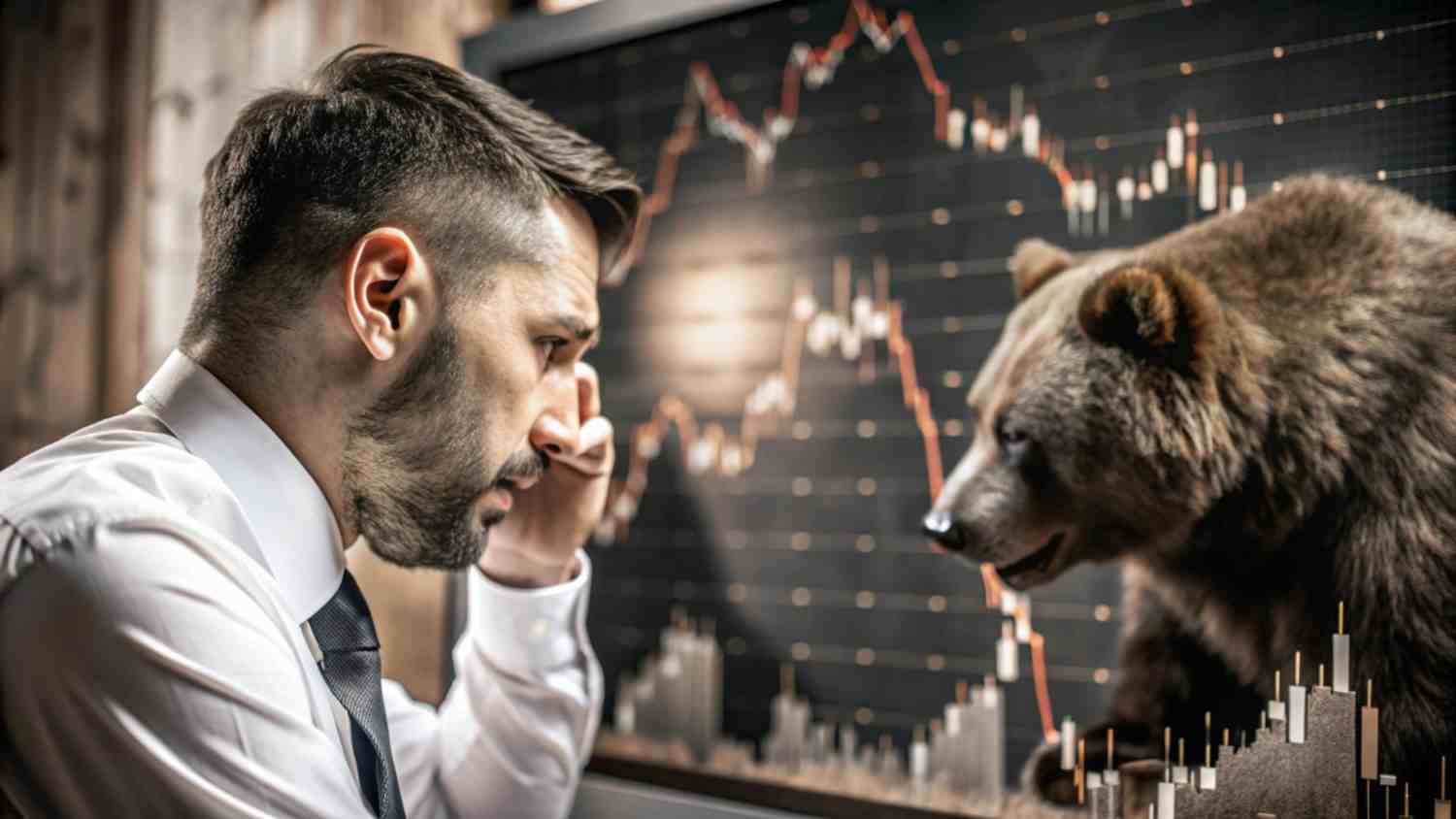
Emotional Burnout: The more you watch, the more tempted you’ll be to make impulsive trades.
-
Overtrading: You start entering trades that don’t align with your strategy simply because you’ve “been watching for too long.”
-
Stress & Anxiety: The constant pressure drains your mental energy, which affects decision-making.
Imagine fishing. If you keep throwing your line in the water out of impatience, you’ll scare the fish away. Trading works the same way—sometimes waiting patiently is the smartest move.
5. Quality Over Quantity
Trading isn’t about how much time you put in—it’s about how effective that time is. A trader who spends 30 minutes efficiently reviewing key setups may outperform someone who wastes 5 hours second-guessing every small market move.
It’s not the hours; it’s the strategy. If you know what you’re looking for, analysis becomes quick and precise. Think of a surgeon—they don’t spend hours in surgery because they enjoy it; they’re efficient because they know exactly what to do.
6. Streamlined Analysis in Action
Let’s put this into perspective with a simple routine that many traders use:
-
Morning Review (15 minutes): Check overnight price movements, economic news, and alerts.
-
Set Alerts (10 minutes): Place price alerts on key support and resistance levels.
-
Quick Check-ins (5 minutes each): Throughout the day, only respond to alerts instead of constantly watching.
-
Evening Wrap-up (10 minutes): Review your trades and note improvements.
That’s under an hour a day—yet it covers everything you need to stay in control.
7. The Psychology Behind Time Pressure
Why do so many traders still think they need to analyze for hours? Psychology. The fear of missing out (FOMO) convinces us that if we’re not glued to the screen, we’re missing opportunities.
But the market isn’t a sprint—it’s a marathon. You don’t need to catch every move. In fact, chasing every signal is exactly what drains your account. Remember, you’re not paid by the hour in trading—you’re paid by the decision.
8. The Importance of Having a Plan
Without a trading plan, you’ll end up spending hours bouncing from chart to chart. A plan sets boundaries, keeps you disciplined, and eliminates unnecessary work.
Your plan should cover:
-
Risk management (how much you’re willing to lose per trade)
-
When to walk away from the screen
When you know your plan, analysis becomes fast and targeted instead of endless.
9. Day Traders vs. Swing Traders: Who Needs More Time?
Not all traders analyze the same way.
-
Day Traders: Spend more time because they’re constantly entering and exiting within the same day. But even they can automate parts of their analysis.
-
Swing Traders: Hold positions for days or weeks, meaning they only need to review charts once or twice a day.

The key point? Even if you’re a day trader, you don’t need to waste hours if you structure your strategy effectively.
10. Why Beginners Waste the Most Time
Beginners often fall into two traps:
-
Watching Every Candle: Thinking they’ll miss “the big move.”
-
Using Too Many Indicators: Overloading charts until they look like a Christmas tree.
Instead of focusing on simple, proven strategies, they bury themselves in unnecessary work. It’s like trying to bake a cake with 20 ingredients when you only need five.
11. Practical Tips to Save Time on Market Analysis
Here’s how you can cut down wasted hours without cutting results:
-
Stick to a Few Pairs: Don’t try to analyze every currency or stock. Focus on 2–3 you understand well.
-
Automate Alerts: Let your platform do the watching for you.

-
Use Pre-market Preparation: Spend 15 minutes planning instead of reacting all day.
-
Keep a Trading Journal: It saves time in the long run because you learn faster.
-
Avoid Noise: Not every news headline matters—learn to filter out the distractions.
12. The New Reality of Trading
We live in a world where traders don’t need to spend hours in front of a screen to succeed. Technology, strategies, and smart routines allow us to trade with balance. The myth that you must “live in front of charts” is outdated and harmful.
Successful traders don’t work harder; they work smarter. They know when to step back, when to let tools do the job, and when to strike.
Conclusion
The idea that you need hours upon hours to analyze the markets is one of the biggest myths holding traders back. Sure, research and preparation are necessary, but efficient tools, clear strategies, and discipline mean you can get more done in less time.
Think of trading like cooking with modern appliances. You could spend hours making bread by hand, or you could use a bread maker that does the job in half the time with better consistency. Which would you choose?
So, don’t fall into the trap of thinking time equals success. In trading, it’s not about how many hours you spend—it’s about how smartly you use them.
FAQs
1. Do professional traders spend all day analyzing the market?
No, most professionals rely on pre-set strategies, alerts, and routines that cut down their screen time. They value efficiency over hours.
2. Can I succeed in trading if I only spend 1 hour a day analyzing?
Absolutely. If your strategy is clear and you use tools effectively, an hour can be more than enough.
3. Why do I feel like I’m missing opportunities when I step away from the charts?
That’s FOMO talking. The market always offers new opportunities. Missing one trade isn’t the end of the world.
4. Should beginners spend more time analyzing to learn faster?
Not necessarily. Beginners should focus on structured learning and practice, not endless screen-watching. Quality beats quantity every time.
5. What’s the quickest way to streamline my market analysis?
Start with a simple trading plan, limit the number of assets you watch, and set up automated alerts. This alone can save you hours every week.