

The Market Rewards the Calm
Trading isn’t just about charts, signals, or strategies — it’s a battle of emotions. The phrase “A calm trader sees more” carries deep truth. In the chaos of price swings and breaking news, only those who remain calm can truly see the market clearly. Emotional stability isn’t a luxury — it’s the trader’s superpower.
Why Calmness Matters in Trading
When traders panic, they react impulsively. They chase trades, move stop-losses, or close positions too early. Calmness helps a trader respond rather than react. Think of the market like a storm — those who stay calm can navigate through it, while the restless ones get swept away.
The Psychology Behind Market Chaos
Markets are unpredictable by nature. Prices move based on news, algorithms, and herd psychology. A calm trader doesn’t expect to control these movements — instead, they control their response to them. Psychology is 80% of trading success; the rest is strategy and timing.
The Trap of Emotional Trading
Ever bought a currency pair because it “looked like it would go up”? That’s emotional trading. Fear of missing out (FOMO) and greed are the silent killers of trading accounts. They blur your vision and push you into trades that make no sense once the emotion fades.
Calm Traders Think in Probabilities
A calm trader knows that no trade is certain. They think in probabilities, not predictions. Instead of “this will go up,” they think, “there’s a 70% chance it will rise.” This mindset shift changes everything — it transforms emotional reactions into calculated decisions.
How Stress Distorts Market Perception
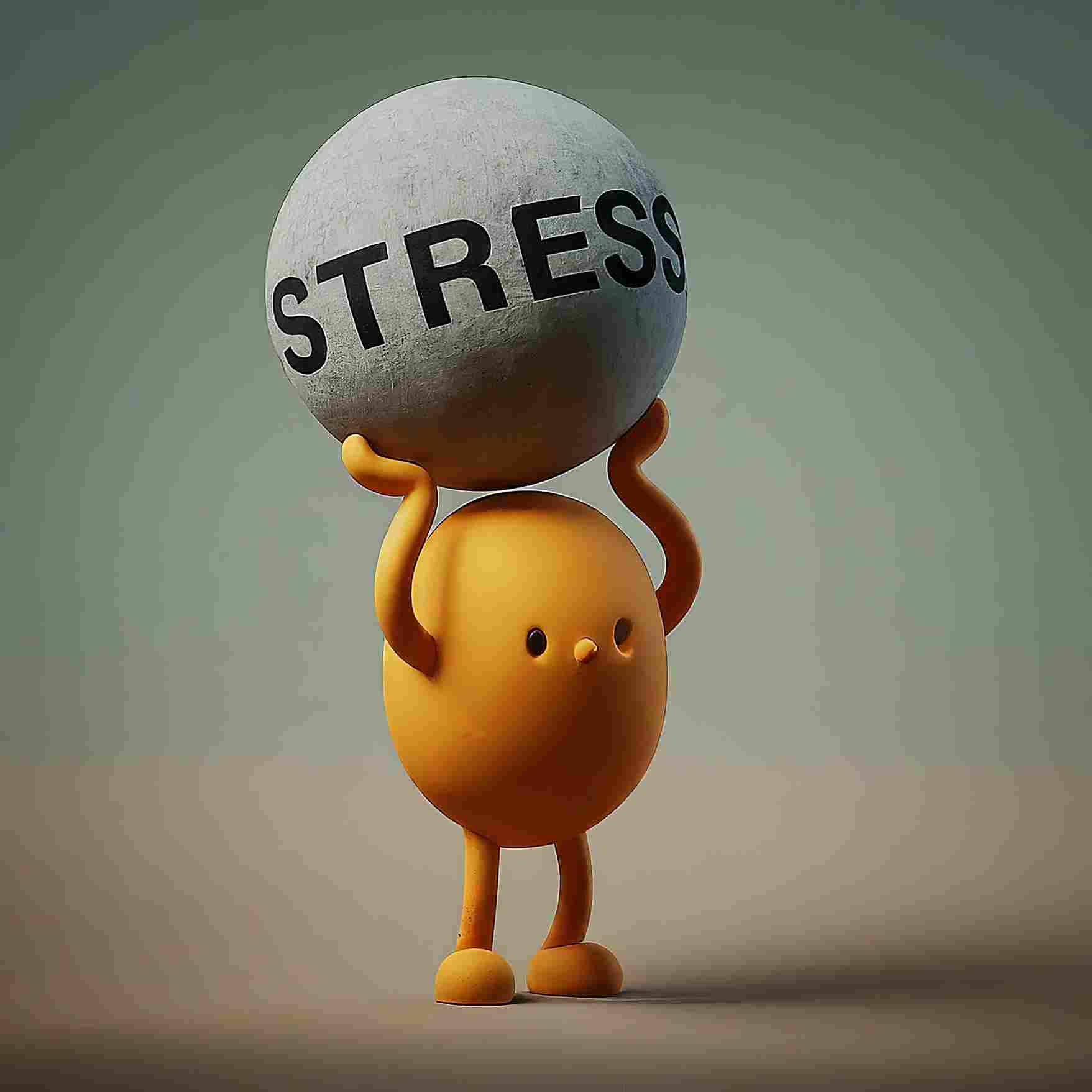
Under stress, your brain releases cortisol — a hormone that narrows your focus. Instead of analyzing the market logically, you start focusing on immediate threats or losses. Calm traders keep stress low so they can see the bigger picture — trends, patterns, and long-term setups.
Patience: The Secret Weapon of the Calm
Patience separates amateurs from professionals. The best trades often come after days or even weeks of waiting. Impulsive traders open multiple positions daily, hoping for quick profits. Calm traders wait like hunters — silent, focused, and ready to strike only when conditions are perfect.
Risk Management Reflects Emotional Control
A calm trader never risks too much. Why? Because they understand that losing is part of the game. By limiting risk per trade, they protect both their capital and their peace of mind. Over-leveraging or revenge trading are signs of emotional instability — and they destroy accounts faster than bad signals.
The Role of Mindfulness in Trading
Mindfulness isn’t just for meditation — it’s for traders too. It helps you stay present, aware, and objective. Instead of thinking, “I can’t lose again,” a mindful trader observes that thought and lets it pass. This simple habit prevents emotional reactions and keeps focus sharp.
Calmness Improves Decision Quality
When your mind is calm, you think logically. You notice subtle chart signals — divergence, trend exhaustion, or fake breakouts — that others miss. Calmness slows down your thinking, allowing for smarter, more accurate analysis. As the quote says, “A calm trader sees more.”
Techniques to Stay Calm While Trading
Being calm isn’t easy, especially when money’s on the line. Here are practical ways to develop trading composure:
-
Set rules and stick to them — no emotional decisions.
-
Use stop-losses and accept losses gracefully.
-
Take breaks — walk away after a losing trade.
-
Limit exposure — risk only what you can afford to lose.
-
Practice mindfulness — deep breathing before entering trades.
These habits train your mind to stay neutral — not fearful, not greedy.
Learning from Mistakes — Calmly
Every trader loses. The difference is how they handle it. Calm traders analyze losses without blame. They ask, “What went wrong in my process?” instead of, “Why does this always happen to me?” This calm reflection leads to consistent improvement.

The Market Rewards Patience, Not Panic
The financial market has one golden rule — it rewards discipline, not drama. Traders who stay patient, composed, and focused build long-term success. The ones who chase excitement usually end up chasing losses. Calmness turns chaos into clarity — and clarity leads to profits.
Conclusion: Calm Eyes See Opportunities Others Miss
At the end of the day, trading isn’t about speed or intelligence — it’s about emotional mastery. A calm trader doesn’t just see charts; they see patterns, possibilities, and timing others overlook. Staying calm doesn’t make you less aggressive — it makes you more effective. Remember, a calm trader sees more because they look beyond the noise and into the truth of the market.
FAQs
1. Why do traders lose control during market volatility?
Because volatility triggers emotional responses like fear and greed. Without emotional control, traders make impulsive decisions that often backfire.
2. Can meditation really help with trading discipline?
Yes! Meditation trains the mind to stay focused and reduces emotional reactivity, which directly improves trading discipline.
3. How can I stop overtrading?
Create a strict trading plan, set a daily trade limit, and remind yourself that not trading is often a profitable decision.
4. Is calmness more important than strategy?
Absolutely. A perfect strategy is useless if your emotions override it. Calmness ensures you execute your strategy correctly.
5. What’s the first step to becoming a calm trader?
Start by reducing your risk per trade. When less is at stake, it’s easier to stay calm, observe clearly, and make better decisions.