

Let’s face it—many traders don’t lose because the market is unfair. They lose because they act randomly. Clicking “Buy” or “Sell” without a clear reason is like walking blindfolded across a busy highway. You might make it once or twice, but eventually, you’ll get hit hard. The truth is simple: random trading kills consistency, and consistency is what separates professionals from gamblers.
If you’ve ever found yourself taking trades out of boredom, revenge, or “gut feeling,” this article is your wake-up call. In the next few thousand words, we’ll dig deep into why random trades destroy portfolios, how to build discipline, and what habits can turn you into a focused, confident trader.
What Are Random Trades?
Random trades are positions taken without a valid reason, setup, or confirmation. They come from emotions, impulses, or pure boredom. You might see a candle spike and think, “Let’s jump in,” without any plan. That’s random trading in its purest form.
Most traders justify these moves with phrases like “I had a hunch” or “It looked like it was going up.” But intuition in trading only works when backed by data and experience—not by luck. Random trades are simply uncontrolled reactions to the market’s noise.
Why Random Trades Are Dangerous
Random trading doesn’t just risk your capital—it destroys your mindset. Each unplanned trade chips away at your confidence and discipline. When you win randomly, you reinforce bad habits. When you lose, you double down emotionally to recover it. Both outcomes create chaos.
The market punishes inconsistency. Trading without structure leads to overtrading, higher fees, and emotional exhaustion. Eventually, you find yourself questioning your entire strategy, when in reality, the problem isn’t the system—it’s the randomness.
The Psychology Behind Random Trading
Let’s be honest—most random trades come from emotions, not logic. Greed makes you chase every candle, fear makes you exit too early, and boredom makes you create action where there shouldn’t be any.
Traders crave excitement. The problem? The market doesn’t reward excitement—it rewards patience. Random trades feel good in the moment but lead to long-term pain. It’s the same as eating junk food: instant satisfaction, followed by regret and damage.
How Random Trading Begins
It usually starts small. You follow your strategy, but one day you spot a “perfect” setup outside your plan. You take it—and it wins. That little dopamine rush convinces you that your instincts are golden. Next time, you skip the analysis and trust your “feeling.”
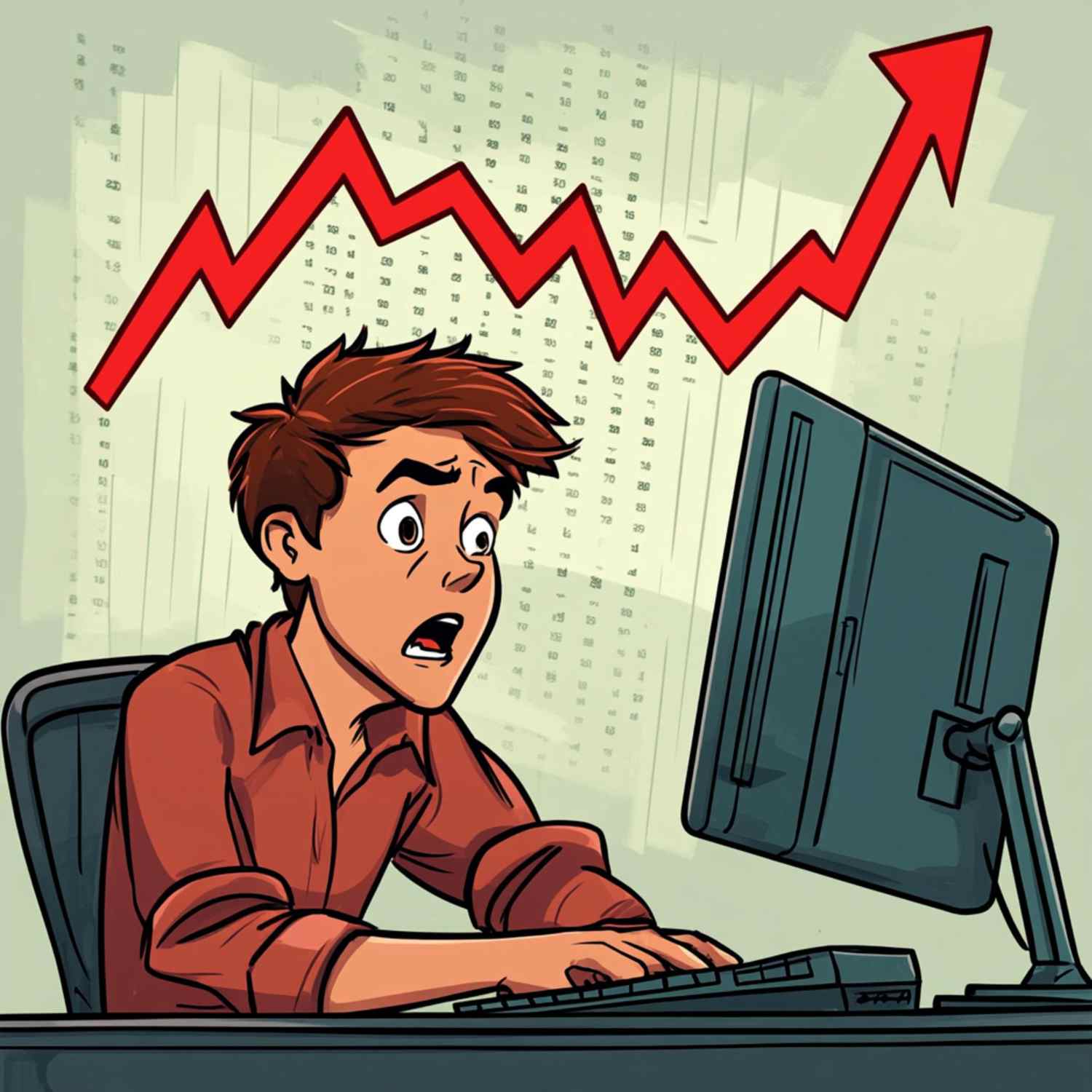
Over time, this becomes a habit. You start trading every signal, every spike, every dip. You move from being a strategist to a gambler. Random trades multiply because they’re emotionally addictive.
The Hidden Cost of Random Trading
Every random trade comes with invisible costs—spread fees, emotional energy, lost focus, and opportunity cost. When you waste time and capital on bad trades, you miss the real ones.
Let’s say you take five random trades a week. Even if two win, the other three destroy the balance. Add the stress and the missed high-probability setups, and your losses aren’t just financial—they’re psychological. The market becomes a blur of regret and frustration.
How Random Trades Ruin Your Trading Plan
A trading plan is your blueprint for success. It outlines your entry, exit, and risk management. Random trades violate that blueprint, making your strategy meaningless.
Once you start ignoring your rules “just this once,” it becomes a pattern. Suddenly, your trading journal is full of chaos—no consistent setups, no clear reason for entries. Without structure, your data becomes worthless, and you can’t improve because you don’t know what’s working.
Emotional Triggers That Cause Random Trades
-
Boredom: Staring at charts for hours tempts you to “do something.”
-
Revenge Trading: After a loss, you rush to make it back.
-
Overconfidence: Winning streaks make you feel invincible.
-
Fear of Missing Out (FOMO): You see a move and panic that you’ll miss it.
-
Impatience: You want profits now, not later.
Recognizing these triggers is half the battle. Once you identify your emotional patterns, you can control them instead of letting them control you.
How to Avoid Random Trades
The best way to avoid random trades is through preparation and discipline. Have a clear trading plan—define your entry, stop loss, and take profit before you touch the buy or sell button.
Keep your plan visible. Write it down, print it out, or set reminders. Every time you feel the urge to trade impulsively, look at your plan. Ask yourself, “Does this setup fit my strategy?” If not, step away. Remember—no trade is better than a bad trade.
Develop a Trading Routine


A structured routine keeps your mind calm and focused. Successful traders don’t wake up and jump straight into trades. They follow a schedule—analysis in the morning, observation during high-volatility hours, and review at night.
When you create a routine, you eliminate randomness. You’re not reacting; you’re anticipating. Consistency in process leads to consistency in results. That’s how professionals operate, while amateurs chase noise.
The Role of Patience in Eliminating Random Trades
Patience isn’t just a virtue—it’s a trading weapon. Every great setup takes time to form. Jumping in early or forcing trades because you’re tired of waiting leads to disaster.
Think of patience as fishing. You don’t yank your line into the water every minute—you wait for the right bite. The same applies in trading. The more patient you are, the fewer random trades you’ll take, and the better your results will be.
Journaling to Track Random Behavior
A trading journal is your accountability partner. Record every trade: why you took it, what happened, and how you felt. Over time, patterns emerge. You’ll start seeing that your biggest losses came from emotional, unplanned decisions.
When you track your trades, you can’t hide from your habits. Journaling forces honesty. Once you see how much random trades are costing you, you’ll think twice before entering one again.
The Importance of Risk Management
Even if your strategy is perfect, random trades will ruin your risk profile. You might over-leverage or ignore stop losses. That’s financial suicide.
Risk management is your shield. Never risk more than you can afford to lose, and always know your exit before entering. Random trades usually ignore this rule, which is why they’re the fastest way to blow an account.
Trading Discipline: Your Greatest Asset
Discipline is doing what you planned, even when you don’t feel like it. It’s saying “no” to emotional trades and “yes” to consistency. Every disciplined decision compounds into confidence.

To build discipline, set boundaries. Limit the number of trades per day. Stick to your strategy regardless of what others are doing. Remember, the market rewards patience, not activity.
Why Random Trades Destroy Confidence
Each time you take a random trade, you weaken your trust in yourself. It’s like breaking a promise—you said you’d follow your plan, but you didn’t. Over time, this erodes confidence and leads to hesitation, second-guessing, and self-doubt.
Confidence in trading isn’t built from luck—it’s built from consistency. You can’t feel strong about your strategy if half your trades come from impulses.
How Professionals Avoid Random Trades
Professional traders follow strict routines and risk controls. They never chase losses or trade out of boredom. Instead, they wait for confirmation signals and trade only when probability favors them.
They treat trading as a business, not a casino. Every move is calculated, every loss analyzed. Professionals understand that surviving in the market isn’t about constant action—it’s about selective precision.
Using Checklists to Control Impulses
Before every trade, run through a checklist:
-
Does it align with my strategy?
-
Is there a clear entry and exit?
-
Is risk within my limit?
-
Have I analyzed the trend and volatility?
If any answer is “no,” skip the trade. This habit saves you from countless emotional mistakes and keeps your focus on logic rather than impulse.
The Myth of Gut-Feeling Trading
You’ve probably heard traders say, “I just knew it was going up.” That’s not intuition—it’s ego disguised as instinct. Real intuition in trading comes from experience, pattern recognition, and discipline, not random guesses.

Your “gut” only becomes reliable after years of studying charts and data. Until then, trust your plan, not your feelings.
Revenge Trading: The Silent Killer
After a big loss, it’s tempting to jump back in and “win it back.” But revenge trading is just random trading fueled by emotion. You’re not trading the market—you’re trading your pain.
Revenge trades usually lead to even bigger losses because you abandon logic. The key is to step away after a loss, clear your mind, and return only when you’re calm. The market will always be there tomorrow.
The Boredom Trap in Trading
Markets can be slow. Hours might pass without a single good setup. During that time, traders get restless and force trades just to feel active. That’s the boredom trap.
You need to accept that doing nothing is part of trading. Professional traders spend more time waiting than trading. If you can master boredom, you can master the market.
Building a System to Prevent Randomness
Automation and structure can protect you from yourself. Use alerts, stop orders, and trade management tools to keep emotions out.
Design a system that limits your freedom to make random decisions. If you can only trade certain setups, times, or patterns, you’re less likely to act impulsively. The goal is to make random trades physically harder to execute.
The Role of Education in Discipline
The more you understand the market, the less likely you are to act randomly. Education builds confidence. When you know why prices move, you stop guessing and start analyzing.
Study price action, market psychology, and risk management. Knowledge removes fear and uncertainty—the two biggest causes of random trades.
The Power of Saying “No”
Every trader must learn that saying “no” is as important as saying “yes.” You don’t have to trade every day or every move. Sitting out is a strategy in itself.

When you say “no” to random trades, you say “yes” to better setups, better capital management, and better mental health. Remember, sometimes the best trade is no trade at all.
Rest and Recovery: The Overlooked Factor
Fatigue leads to impulsive decisions. If you’re tired or stressed, your brain takes shortcuts. That’s when random trades slip in.
Take breaks, sleep well, and don’t stare at charts 24/7. A clear mind spots opportunities better than a restless one. Rest isn’t laziness—it’s part of your trading strategy.
Turn Random Trades into Lessons
Every random trade carries a message. Instead of just feeling regret, analyze it. Why did you take it? What emotion drove it? How can you prevent it next time?
Turning mistakes into lessons transforms pain into progress. Each random trade can either destroy your account or strengthen your discipline—it depends on how you respond.
Conclusion
Trading isn’t about predicting the market; it’s about managing yourself. Random trades are the symptom of a deeper issue—lack of discipline and patience. If you can master those two, profits will follow naturally.
Avoiding random trades is the first step toward professional-level consistency. Every time you resist the urge to act on impulse, you’re building the habits that lead to long-term success. The market rewards preparation, not emotion. So next time your finger hovers over that trade button, ask yourself: “Is this part of my plan?” If the answer is no—walk away.
FAQs
1. What is considered a random trade?
A random trade is any position taken without a valid setup or confirmation—usually driven by emotion, boredom, or overconfidence.
2. How can I stop taking random trades?
Follow a strict trading plan, use checklists before entry, and review your trades in a journal to identify emotional triggers.
3. Is random trading the same as gambling?
Yes, it’s similar. Both rely on chance rather than strategy, leading to inconsistent and unsustainable results.
4. Why do random trades feel so tempting?
They offer instant gratification. The excitement of “doing something” masks the lack of logic behind the action.
5. What’s the first step to eliminate random trades permanently?
Accept responsibility. Recognize that your results depend on discipline, not luck. Once you do that, every decision becomes intentional.