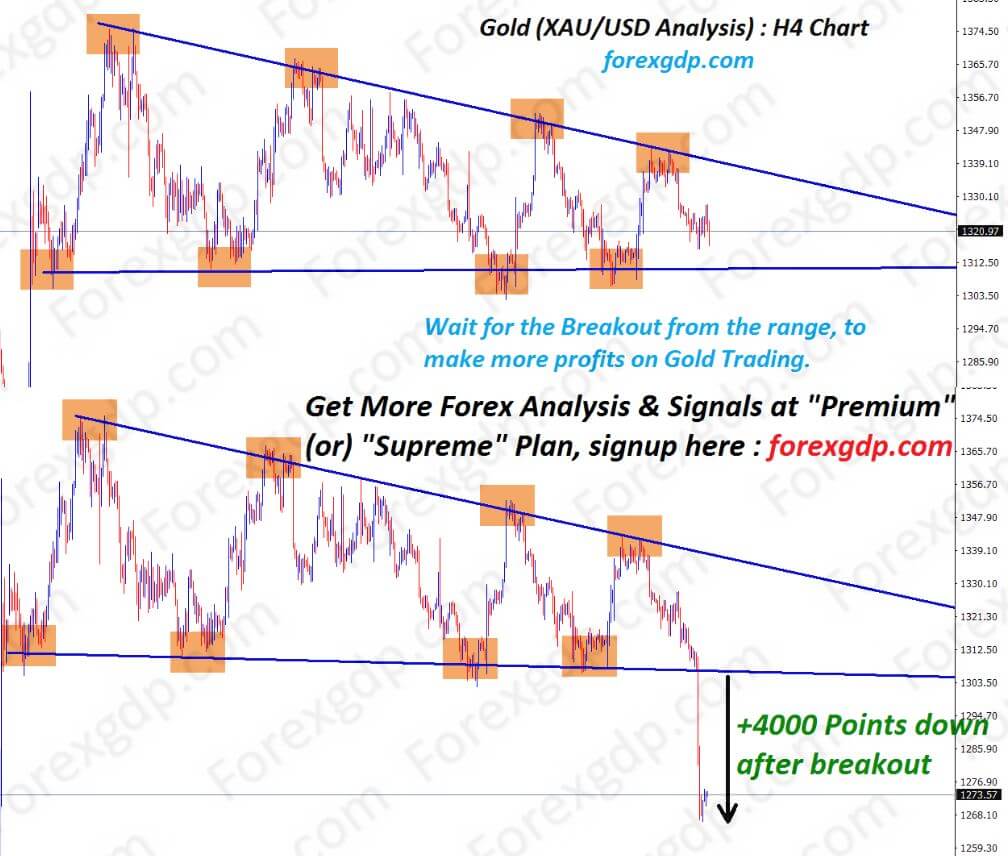


XAUUSD is moving in a box pattern
Gold has been trying to recover after dipping to a one-week low, but it’s not making a strong push higher yet. Instead, prices are moving sideways during the European trading hours, sitting just under the weekly high reached earlier on Wednesday. This kind of calm, back-and-forth action often shows up when the market is waiting for a major event that could set the tone for the next big move.
Right now, that event is the US Federal Reserve’s two-day policy meeting. Many traders don’t want to take big positions before they hear what the Fed decides and, just as importantly, what it signals about the months ahead. Because gold is heavily influenced by interest rates and the US dollar, any shift in expectations can quickly change the direction of the metal.
Even with that caution, gold isn’t without support. A weaker US dollar, a more careful mood in the market, and ongoing geopolitical tensions are all helping to keep gold in demand.
Why the Fed Meeting Matters So Much for Gold

Gold and interest rates have a long-standing relationship. Gold does not pay interest, so when interest rates are high, some investors prefer interest-paying assets instead. When rates are expected to fall, gold often becomes more attractive because the “cost” of holding it—missing out on yield—feels lower.
This week, the market’s attention is on two key things from the Fed:
The rate decision itself
The Fed is widely expected to cut rates by 25 basis points. That expectation is already shaping trading behavior. When most people believe the same outcome is coming, the bigger price reaction often depends on what comes next: the outlook and the tone.
The Fed’s economic projections and Jerome Powell’s message
Investors will closely watch updated economic forecasts and listen to Fed Chair Jerome Powell’s press conference for hints about the pace and depth of future rate cuts. Traders aren’t only asking, “Will the Fed cut?” They’re asking, “How many cuts could follow, and how soon?”
If the Fed sounds more open to continued rate reductions, it can push the US dollar lower and lift gold. If the Fed sounds cautious or suggests fewer cuts ahead, the dollar could firm up and gold could lose momentum.
For now, the market is stuck in a waiting pattern—strong enough to avoid dropping sharply, but hesitant to rally with confidence.
The US Dollar Is Softening, Giving Gold a Tailwind
One of the biggest reasons gold is holding up is that the US dollar has been sliding. The dollar recently fell to its weakest level since late October as traders increased bets that the Fed will keep cutting rates beyond this meeting.
A weaker dollar tends to support gold for a simple reason: gold is priced in US dollars globally. When the dollar falls, gold becomes less expensive for buyers using other currencies, which can boost demand. It also encourages some investors to look for assets that can hold value when the dollar is under pressure.
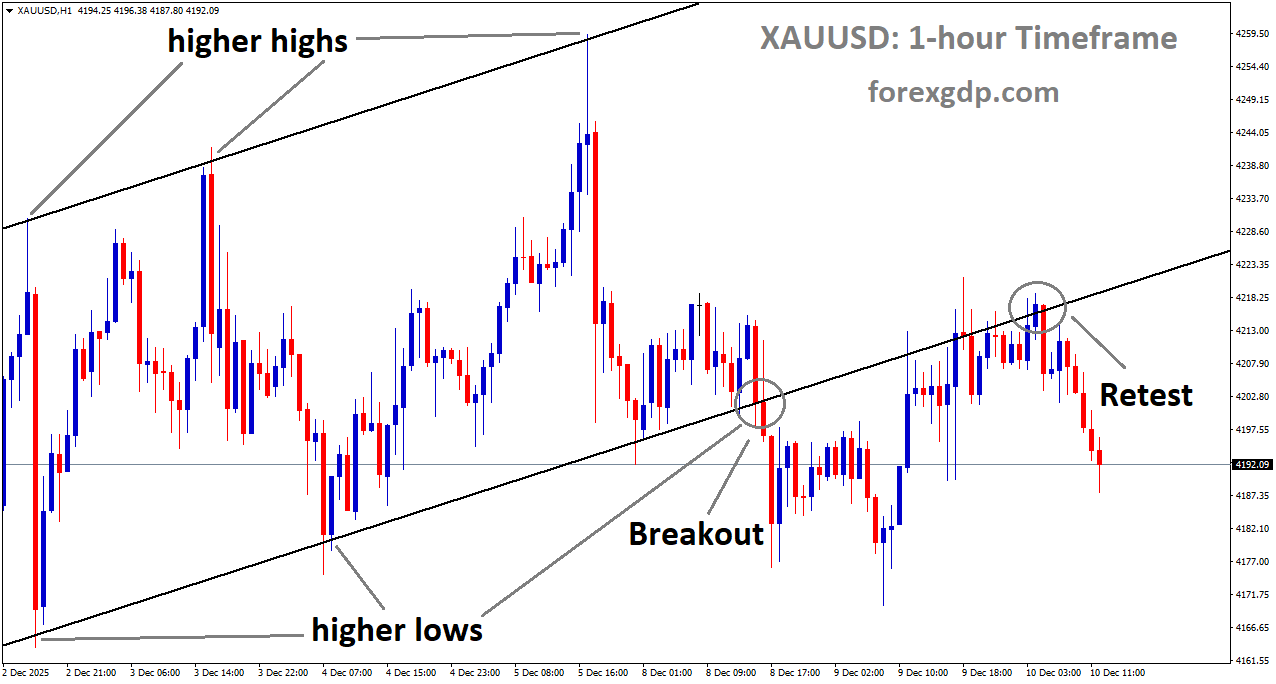
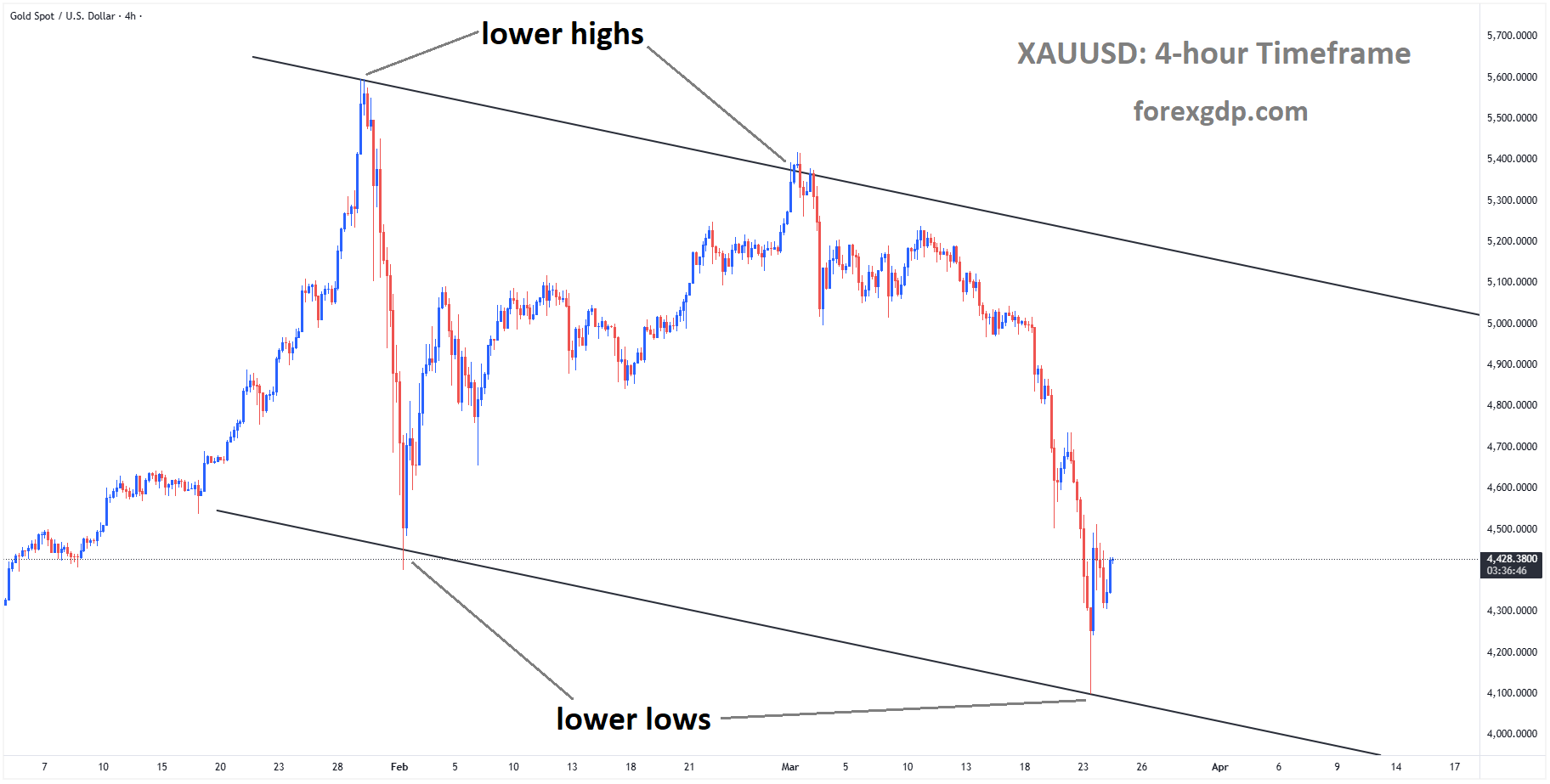
XAUUSD is falling from the retest area of the broken uptrend channel
But there’s an important detail here: the dollar’s weakness is tied to expectations, not just today’s headlines. The moment the Fed changes the story—by pushing back against rate cuts or stressing inflation risks—those expectations can shift quickly. That’s another reason traders are staying careful.
Inflation Is Still a Concern, Even With Rate Cuts on the Table
One reason this Fed meeting feels tense is that inflation is still above the central bank’s target. Recent data based on the Personal Consumption Expenditures (PCE) Price Index showed inflation remains higher than the Fed’s 2% goal. In normal times, sticky inflation would make rate cuts harder to justify.
So why are investors still expecting cuts?
Many Fed officials have pointed to signs that inflation pressures could ease as the economy slows. They’ve mentioned factors like slower hiring, modest growth, and softer wage gains as forces that may cool inflation in the months ahead. If inflation gradually fades while growth remains steady, the Fed has more room to lower rates without feeling like it’s losing control.
In other words, the market believes the Fed can start easing policy even if inflation is not perfect—because the direction of travel may matter more than the exact number.
Still, this balance is fragile. If inflation proves stubborn for longer than expected, the Fed could slow down or pause cuts later. And because gold trades partly on future expectations, even small changes in Fed language can cause big reactions.
Strong Jobs Data Adds Another Twist

Adding to the mixed picture, the US labor market is not falling apart. In fact, the latest Job Openings and Labor Turnover Survey (JOLTS) surprised on the upside, showing continued demand for workers and a resilient job market.
The report said job openings rose to about 7.658 million at the end of September, and were around 7.67 million in October. Those numbers suggest businesses are still looking to hire, which can support consumer spending and keep the economy moving.
This matters because a strong labor market can keep inflation pressures alive, especially through wages and demand. It can also give the Fed a reason to be patient, since the economy may not “need” aggressive rate relief.
Yet, despite this upbeat jobs signal, the market’s view of likely Fed cuts didn’t change much. That tells you how strongly traders are focused on the broader trend of easing policy and slowing inflation over time.
Geopolitical Tensions Keep Safe-Haven Demand Alive
Gold isn’t only about the Fed and the dollar. It’s also one of the world’s most well-known safe-haven assets—something investors often turn to when uncertainty rises.
Ongoing geopolitical tensions, including the war in Ukraine, continue to add a layer of caution to markets. Recent remarks from Ukraine’s President Volodymyr Zelenskyy reinforced that the conflict remains difficult to resolve, with Ukraine unwilling to accept painful concessions or cede land to Russia.
When headlines suggest prolonged conflict or rising global risk, gold can benefit because it is seen as a store of value during unstable times. This doesn’t mean gold rises every time there is bad news, but persistent uncertainty can help keep demand steady, especially when combined with a softer dollar.
What Traders Are Watching Next
For gold traders, the next clear signal will likely come from the Fed meeting’s outcome and messaging. Here’s what will shape the reaction:
The pace of future rate cuts
If the Fed hints that multiple cuts are likely and relatively soon, gold could gain support as the dollar weakens further.
The inflation narrative
If policymakers emphasize that inflation is still too high and they need to stay cautious, gold could struggle to break higher because the market may reduce expectations for aggressive easing.
The tone of Powell’s press conference
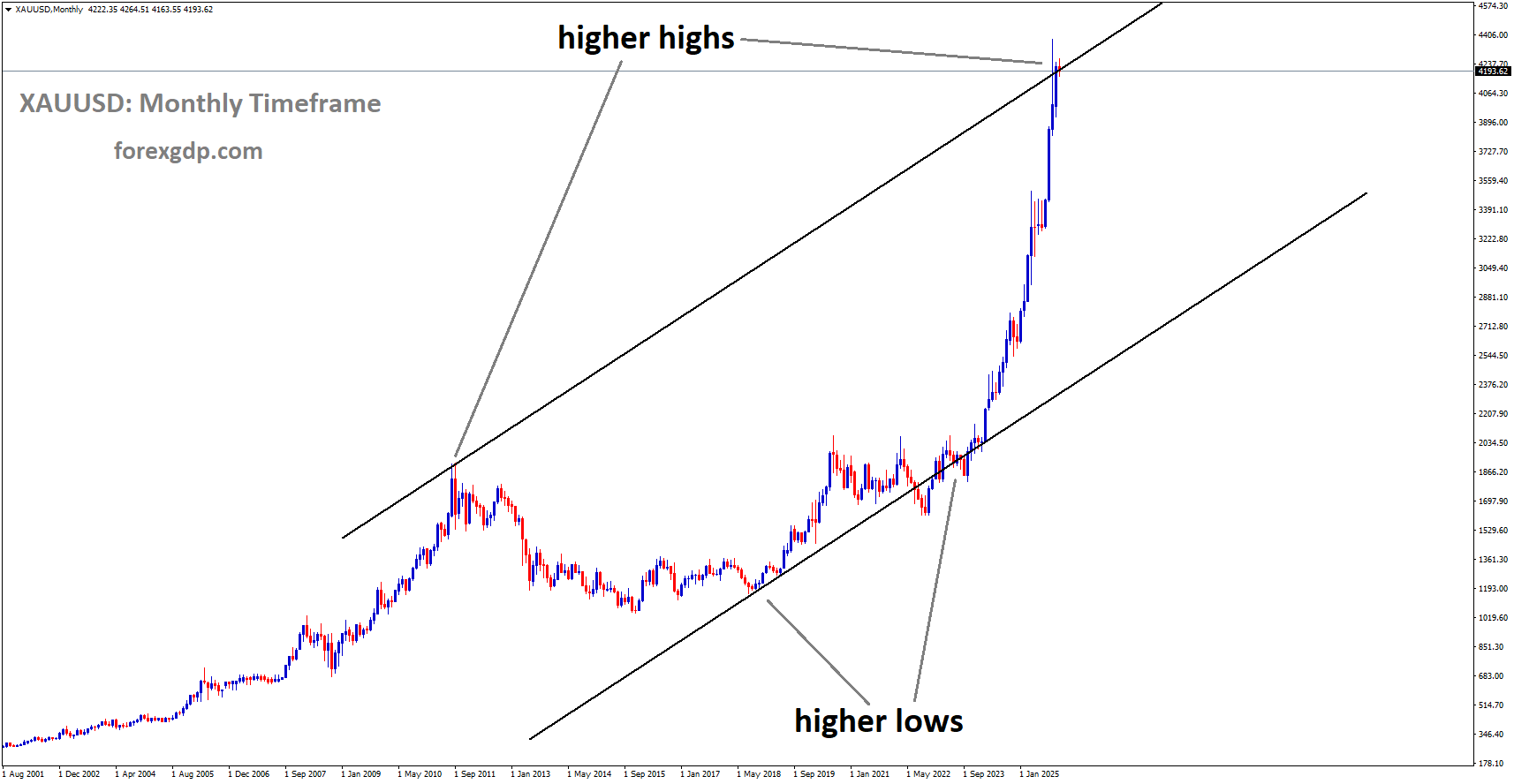
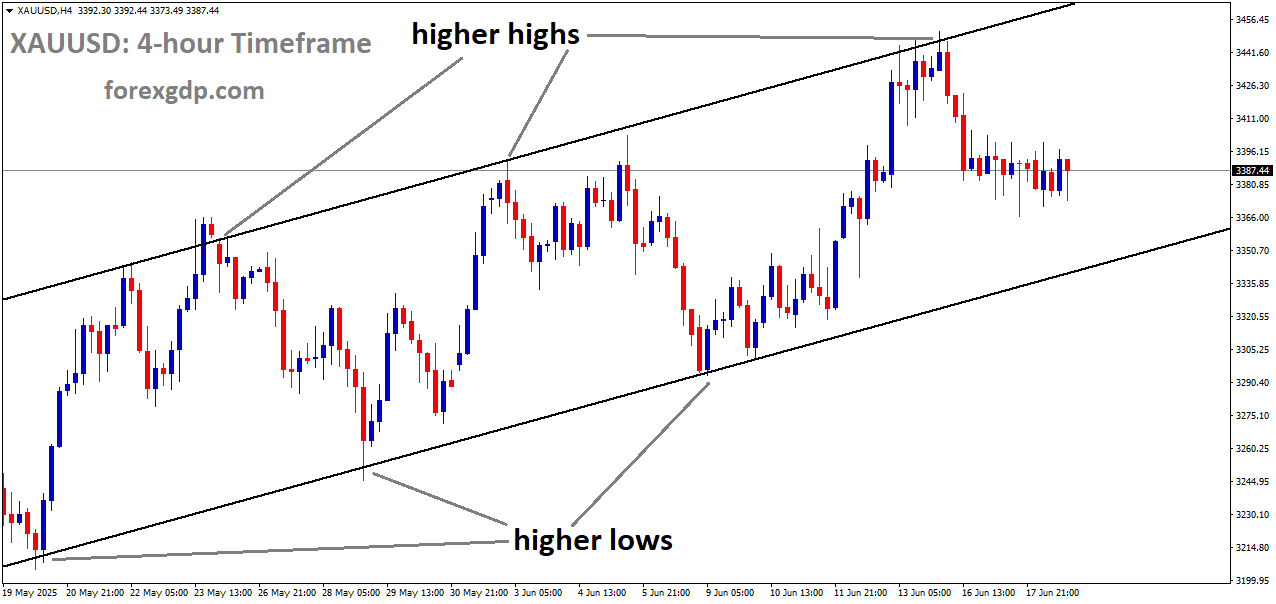
XAUUSD is moving in an uptrend channel, and the market has reached a higher high area of the channel
Markets often react not only to the decision, but to how confident or concerned the Fed chair sounds. A calm, dovish tone can encourage gold buyers. A firm, inflation-focused tone can do the opposite.
Until then, gold may continue to drift sideways, with traders preferring to wait rather than bet big in either direction.
Summary
Gold is holding near recent highs after bouncing from a one-week low, but it’s not surging because traders are waiting for clarity from the Federal Reserve. A softer US dollar, driven by expectations of more rate cuts, is helping to support gold, along with a cautious market mood and ongoing geopolitical uncertainty. At the same time, inflation remains above the Fed’s target and the US labor market still looks resilient, which complicates the outlook. The next major move in gold will likely depend on the Fed’s updated projections and Jerome Powell’s guidance on how quickly and how far interest rates could fall.