
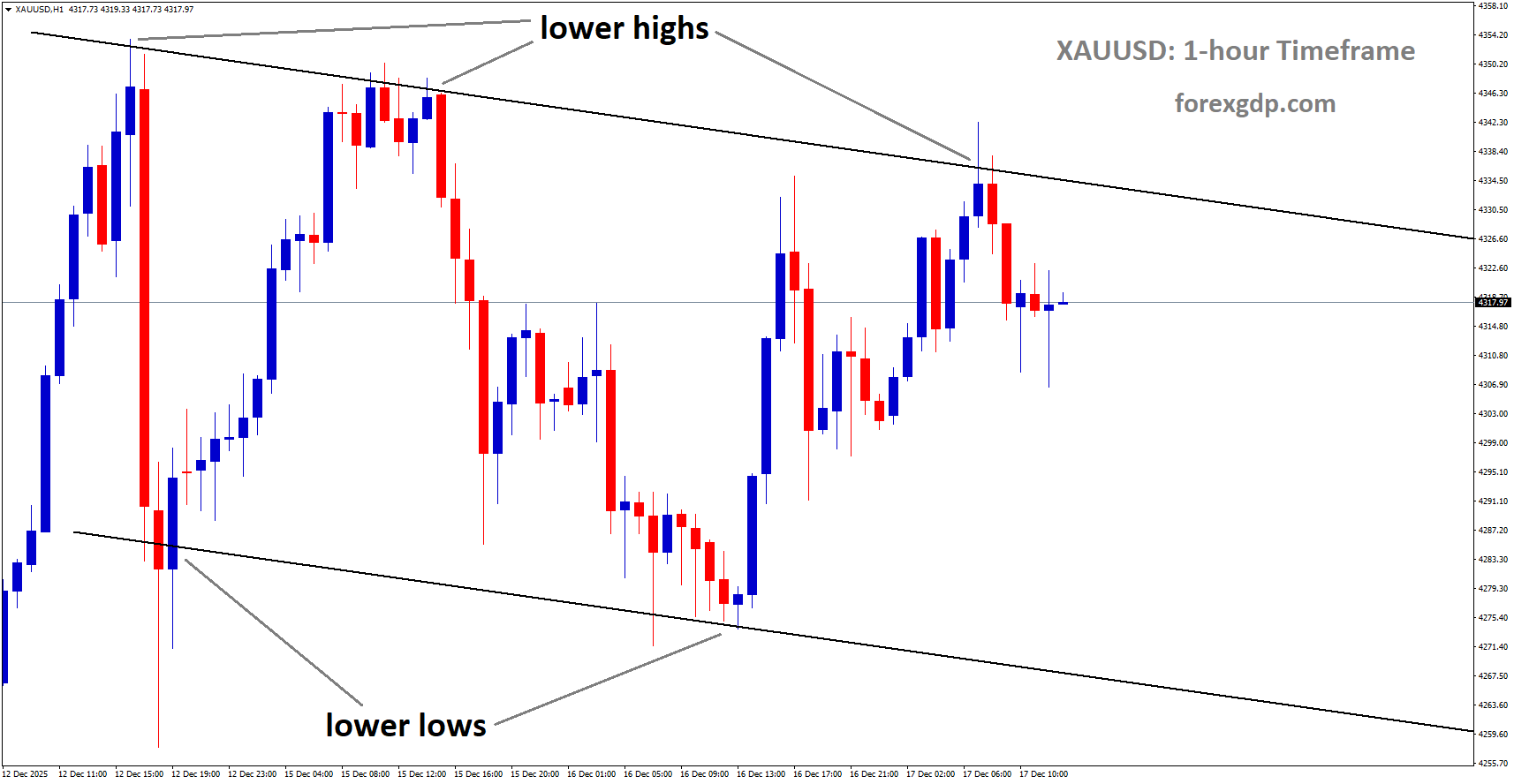
XAUUSD is moving in a descending channel, and the market has fallen from the lower high area of the channel
Gold is back in the spotlight this Wednesday, rising to its strongest level in about seven weeks during the early European trading session. The main reason is simple: the US Dollar has lost some strength as new data hints that the US job market, while still holding up, may be starting to cool. When the Dollar weakens and interest-rate expectations shift, gold often gets a boost because it becomes more attractive compared to assets that pay interest.
At the same time, traders are staying cautious. They are watching for fresh comments from top Federal Reserve officials and waiting for major US inflation updates later this week. Those events could reshape expectations around where US interest rates go next—and that matters a lot for gold.
Why Gold Is Rising Right Now
Gold tends to do well when investors believe interest rates may fall or stay lower than expected. The logic is straightforward: gold does not pay interest, so when interest rates are high, holding gold can feel less rewarding compared to bonds or cash. But when rate cuts seem more likely, the “cost” of holding gold shrinks, and demand can rise.
This week’s move has been helped by signs that the US labor market is slowing. The latest employment figures were mixed—strong enough to show the economy is still adding jobs, but soft enough to keep rate-cut hopes alive. That balance has pressured the US Dollar, and because gold is priced in Dollars, a weaker Dollar can make gold cheaper for global buyers.
The job market is sending a mixed message
The recent Nonfarm Payrolls report showed job growth returning in November after a drop in October. The headline gain beat expectations, which would normally strengthen the Dollar. But other parts of the report told a softer story.
Unemployment moved slightly higher, suggesting the labor market may not be as tight as it was earlier in the year. Wage growth also slowed compared with the previous month. Taken together, the numbers suggest the economy is still expanding, but the pace may be moderating—exactly the kind of environment where markets start talking about lower rates.
Retail sales added to the cautious mood
Another piece of the puzzle came from retail sales. October numbers showed consumer spending was unexpectedly flat. Consumer demand is a major engine of the US economy, so a softer reading can make investors wonder whether growth is cooling more than expected. That uncertainty has added pressure to the Dollar and helped support gold’s upward push.
The Federal Reserve’s Rate Path Is Still a Big Question

Gold traders are not only reacting to economic data. They’re also trying to understand what the Federal Reserve is likely to do next—and the picture is not perfectly clear.
The Fed has already delivered multiple small rate cuts recently, including another quarter-point reduction at its latest policy meeting. But officials are not fully aligned on what should happen in 2026. Some policymakers appear open to more cuts if the economy slows or inflation eases further, while others prefer to hold steady and wait for clearer evidence.
This internal split matters because gold prices often react to even small changes in the market’s view of future rates. If traders begin to believe the Fed will cut more than expected, gold can rise. If the market suddenly shifts toward fewer cuts—or even no cuts—gold can lose momentum.
Fedspeak could shift the mood quickly
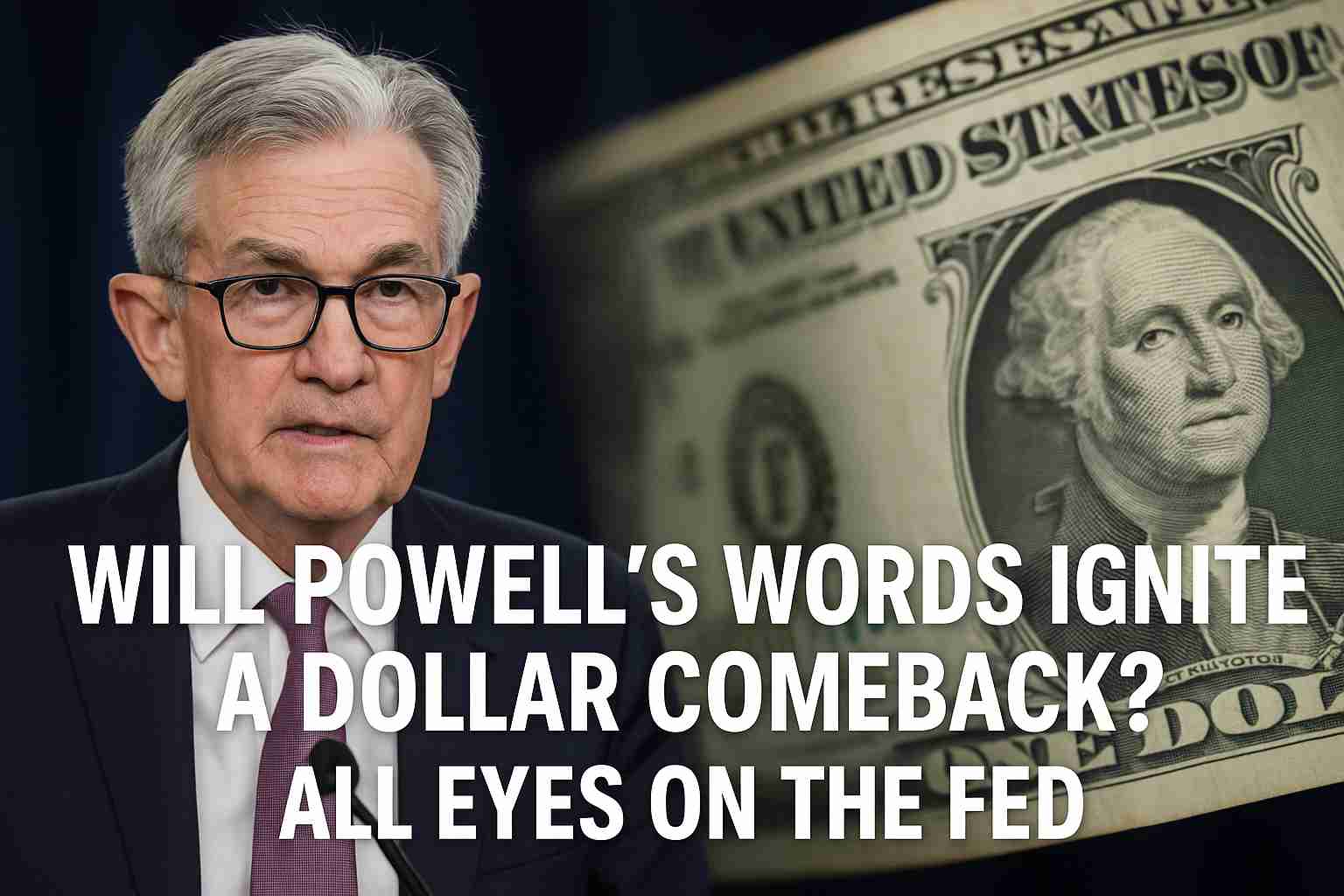
Later on Wednesday, investors will listen closely to comments from key Fed figures, including New York Fed President John Williams and Atlanta Fed President Raphael Bostic. Markets watch these speeches because they can offer clues about how policymakers are thinking.
If the tone is cautious and open to easing, the Dollar could stay soft and gold could remain supported. But if the message leans “hawkish”—meaning policymakers stress inflation risks or argue for keeping rates higher—then the Dollar could rebound and gold might face pressure. Even without any new policy decision, the words themselves can move expectations and short-term trading flows.
Inflation Reports Coming Up Next
The next major drivers for gold may arrive on Thursday and Friday, when the US releases two closely watched inflation measures.
Thursday’s Consumer Price Index (CPI) report will be a headline event because it is widely followed by markets and the public. Then on Friday, the Personal Consumption Expenditures (PCE) Price Index will be released. The Fed pays special attention to PCE, so investors often treat it as especially important for rate expectations.
In a market already debating how many cuts could happen next year, these inflation numbers could make a real difference.
Why inflation matters so much for gold
Gold can benefit in two different inflation scenarios, depending on how the Fed reacts.
-
If inflation is cooling and the Fed seems ready to cut rates more, gold can rise because lower rates make gold more attractive.
-
If inflation is sticky and investors worry about purchasing power, gold can also gain as some people view it as a store of value.
The risk for gold comes when inflation stays high enough to keep the Fed hawkish, while growth remains strong enough that rate cuts look unnecessary. In that case, interest rates may stay elevated, the Dollar could strengthen, and gold may struggle to extend gains.
Other Political and Global Factors Traders Are Watching
While economic data and the Fed are the main storyline, markets also keep an eye on political and geopolitical developments that can influence risk sentiment and safe-haven demand.
One headline drawing attention is that US President Donald Trump is reportedly planning to interview Fed Governor Christopher Waller regarding the next Fed Chair role, according to reporting cited by the Wall Street Journal. Investors tend to watch these stories because leadership expectations can shape future policy style—even if changes are not immediate.
Meanwhile, global energy and geopolitical news can sometimes support gold if it increases uncertainty. A separate report noted that President Trump ordered a blockade of sanctioned oil tankers entering and leaving Venezuela, after US forces seized an oil tanker near Venezuelan waters. Developments like these can add to broader market caution, which sometimes supports safe-haven assets like gold.

XAUUSD is moving in an uptrend channel, and the market has fallen from the higher high area of the channel
What to Watch Over the Next 48 Hours
Gold’s rise toward seven-week highs shows that investors are leaning into the idea that the US economy is cooling and that rate cuts remain possible. But the next steps are likely to depend on three fast-moving factors:
-
How the Fed sounds in public remarks
Any shift toward a more hawkish or more dovish tone can move the Dollar and change gold’s momentum. -
What inflation data reveals
CPI on Thursday and PCE on Friday could reshape expectations for next year’s policy direction. -
How markets interpret “softening” vs “slowing”
Investors will keep asking whether the labor market is simply normalizing—or whether it’s weakening enough to push the Fed toward additional easing.
Summary
Gold is trading near a seven-week high as the US Dollar softens on signs that the US labor market and consumer spending may be cooling. Recent employment data showed job growth improved, but unemployment edged higher and wage growth slowed, keeping rate-cut expectations alive. Traders are now focused on speeches from key Federal Reserve officials and major US inflation reports—CPI on Thursday and PCE on Friday—which could heavily influence the outlook for interest rates and the next move in gold.