

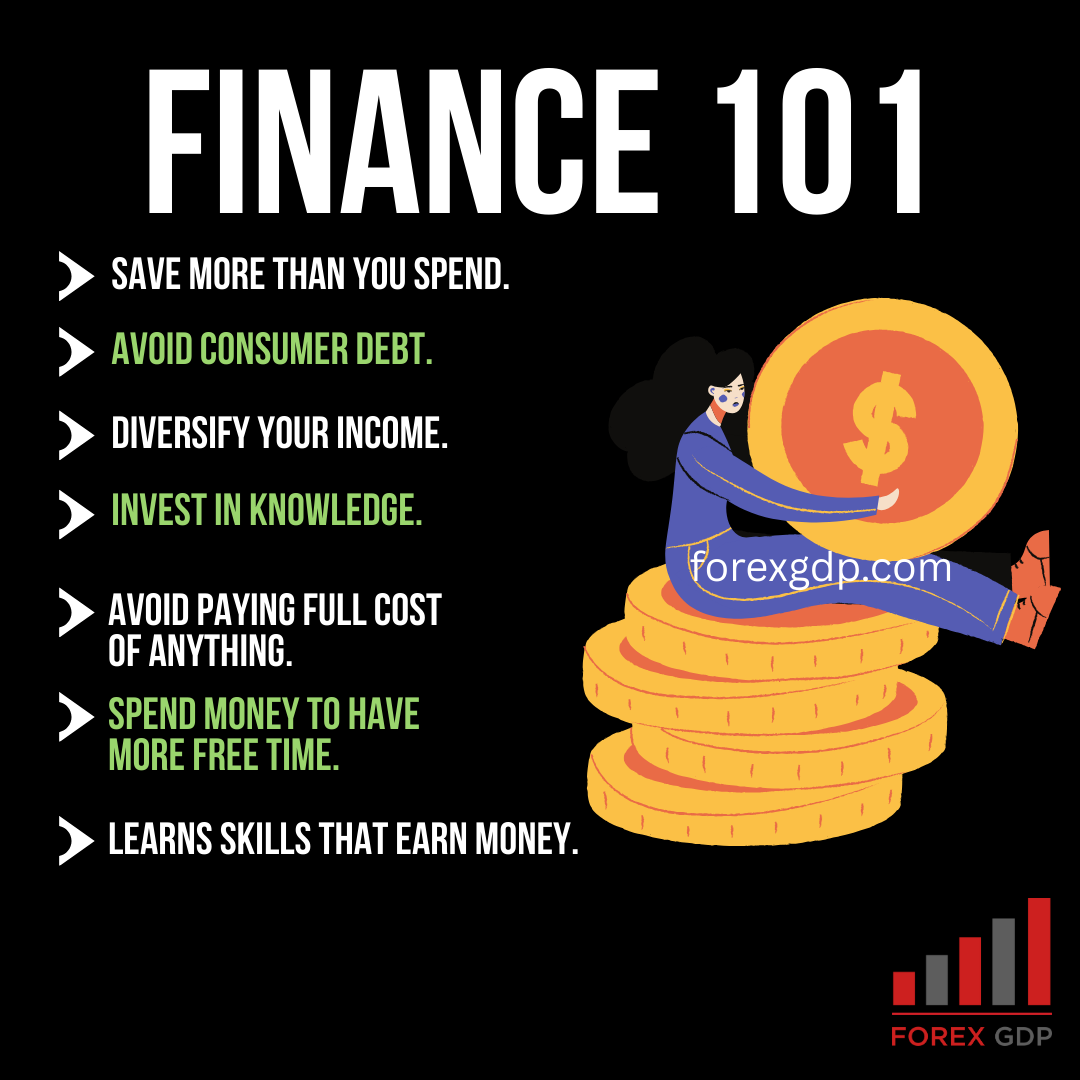
Money has a funny way of exposing habits. It doesn’t care about your intentions, your hustle quotes, or the promises you make every January. It simply reflects what you do every day. Finance 101 isn’t about spreadsheets, complicated jargon, or pretending you enjoy budgeting. It’s about survival, leverage, and eventually freedom. The ideas in this guide aren’t fancy. Some are uncomfortable. A few might even annoy you. But they work because they’re rooted in how real people live, spend, waste, and grow money.
Saving More Than You Spend: The Rule Nobody Escapes
Why Cash Flow Tells the Truth
Money coming in versus money going out sounds boring, but it’s the loudest truth-teller in your financial life. You can earn more than your peers and still feel broke if your spending leaks everywhere. Cash flow is like water in a bucket. If the holes aren’t sealed, pouring in more water doesn’t help. It just spills faster.
Most people don’t have an income problem. They have a discipline problem. Saving more than you spend isn’t about deprivation. It’s about control. When your spending listens to you instead of the other way around, everything changes. Stress lowers. Options appear. Panic stops running the show.
The Emotional Side of Spending
Spending is emotional before it’s logical. Bad days invite impulsive purchases. Good days justify rewards. Companies understand this, which is why they sell feelings, not products. The trick isn’t to eliminate emotions but to recognize them before your card comes out.
Saving more than you spend means learning to pause. That pause is powerful. It creates space between impulse and action. Over time, that space becomes confidence. You stop chasing quick dopamine hits and start choosing long-term calm instead.
Avoiding Consumer Debt Before It Owns You
How Small Purchases Become Heavy Chains
Consumer debt rarely feels dangerous at the start. It shows up smiling, offering convenience and flexibility. A new phone here. A quick loan there. Before long, your future income is already spoken for. You’re working for yesterday’s decisions.
Debt is sneaky because it normalizes itself. Everyone has it, so it must be fine, right? But normal doesn’t mean harmless. Consumer debt quietly taxes your future self. It steals options, limits choices, and adds pressure you didn’t sign up for.
The Freedom of Saying No
Avoiding consumer debt is less about money and more about identity. It’s choosing self-respect over instant gratification. Saying no isn’t weakness. It’s power. It means you’re not for sale to every ad that flashes across your screen.
When you stop financing things that don’t matter, you create room for things that do. Peace of mind doesn’t come with interest rates. Freedom doesn’t arrive in monthly installments. It grows when you refuse to borrow comfort from tomorrow.
Diversifying Your Income Like a Survival Skill
Why One Paycheck Is a Fragile Plan
Relying on a single source of income feels safe until it isn’t. Jobs change. Industries shrink. Managers make decisions that don’t include your feelings. One paycheck is a single point of failure, and life loves testing weak spots.
Diversifying income isn’t about working nonstop. It’s about building backup plans quietly while life is calm. Even a small second stream can soften a blow that would otherwise knock you flat.
Building Income Without Burning Out

More income doesn’t have to mean more misery. Smart diversification starts with skills you already have. Teaching, freelancing, consulting, or digital projects can grow without demanding your soul.
The goal isn’t to hustle forever. It’s to reduce dependency. When money comes from more than one place, fear loses its grip. You negotiate better, sleep better, and move through life with less panic.
Investing in Knowledge Before Investing in Anything Else
Why Ignorance Is the Most Expensive Cost
You can lose money in bad investments, but ignorance guarantees loss. Knowledge compounds faster than cash because it follows you everywhere. It sharpens decisions, filters nonsense, and protects you from shiny traps.
Investing in knowledge doesn’t require fancy degrees. It starts with curiosity and honesty. Learning how money works saves you from trusting the wrong voices and following advice that benefits everyone but you.
Learning as a Lifelong Asset
Skills age better than trends. Markets shift, tools evolve, and industries rise and fall. Knowledge adapts. It makes you resilient instead of reactive. When you understand systems, you’re harder to exploit.
The best part is that knowledge pays dividends long after the initial effort. One concept learned today can save you thousands tomorrow. That’s a return most investments can’t promise.
Refusing to Pay Full Price for Everything
Why Full Price Is Rarely the Real Price
Paying full price isn’t noble. It’s often lazy or rushed. Discounts, alternatives, and timing exist for almost everything. The world rewards patience more than urgency, especially when money is involved.
Refusing full price isn’t about being cheap. It’s about respecting your resources. Every dollar saved is a dollar redirected toward something better. That habit compounds quietly over time.
Patience as a Financial Advantage
Waiting feels uncomfortable because we’re wired for now. But patience creates leverage. It allows you to observe instead of react. Over time, that restraint becomes instinctive.
People who consistently avoid full price aren’t lucky. They’re intentional. They understand that urgency is often manufactured and scarcity is frequently fake. Calm saves money.
Spending Money to Buy Back Time
Why Time Is the Only Real Currency

Money is replaceable. Time isn’t. Once you understand this, spending changes shape. The question shifts from “How much does this cost?” to “What does this save me?” Time-saving expenses often look expensive on paper but cheap in reality.
Buying back time allows you to focus on higher-value activities. Rest, creativity, learning, and relationships all thrive when time isn’t constantly drained by avoidable tasks.
Letting Go of Control to Gain Freedom
Doing everything yourself feels responsible until it becomes exhausting. Delegating, automating, or outsourcing isn’t laziness. It’s strategy. Holding onto every task out of pride often costs more in the long run.
When you spend money to free time, you invest in clarity. You gain energy for decisions that actually move your life forward. That shift is subtle but life-changing.
Learning Skills That Actually Earn Money
Why Skills Beat Titles
Titles impress people. Skills pay bills. The market doesn’t care where you learned something. It cares whether you can do it. Skills create leverage because they travel with you across jobs, cities, and industries.
Earning skills turn effort into income. They reduce dependency on luck and timing. When you can create value, money follows naturally.
Choosing Skills With Demand
Not all skills are equal. Some feel good but pay poorly. Others are uncomfortable to learn but valuable to master. The trick is honesty. Look at what people already pay for. Demand leaves clues everywhere.
Learning income-producing skills isn’t glamorous. It’s often frustrating. But frustration is temporary. Value lasts longer. Over time, skill mastery builds confidence that no paycheck can replace.
Money Habits That Shape Identity
How Daily Choices Become Character
Money habits aren’t just financial. They’re personal. They reveal patience, discipline, and self-respect. Small choices repeated daily shape identity more than big one-time wins.
When you manage money well, you trust yourself more. That trust spills into other areas. Confidence grows quietly, built on evidence instead of hope.
Breaking Patterns Without Guilt
Everyone has financial baggage. Mistakes happen. The goal isn’t perfection. It’s progress. Guilt keeps people stuck. Awareness moves them forward.
Changing money habits requires compassion and honesty. You don’t need to punish yourself to improve. You need clarity and consistency.
Psychology of Wealth Versus Appearance
Why Looking Rich Keeps People Poor
Looking rich is expensive. True wealth is quiet. Flashy purchases often mask insecurity rather than success. Social pressure pushes people to spend for approval they don’t even enjoy.
Wealth grows when you stop performing and start planning. The desire to impress fades when peace becomes the priority.
Choosing Substance Over Status
Status symbols lose value quickly. Financial stability doesn’t. Choosing substance over appearance protects you from regret. It builds a life that feels good instead of one that looks good online.
When you detach identity from possessions, money becomes a tool instead of a trap.
Long-Term Thinking in a Short-Term World
Why Delayed Gratification Still Wins
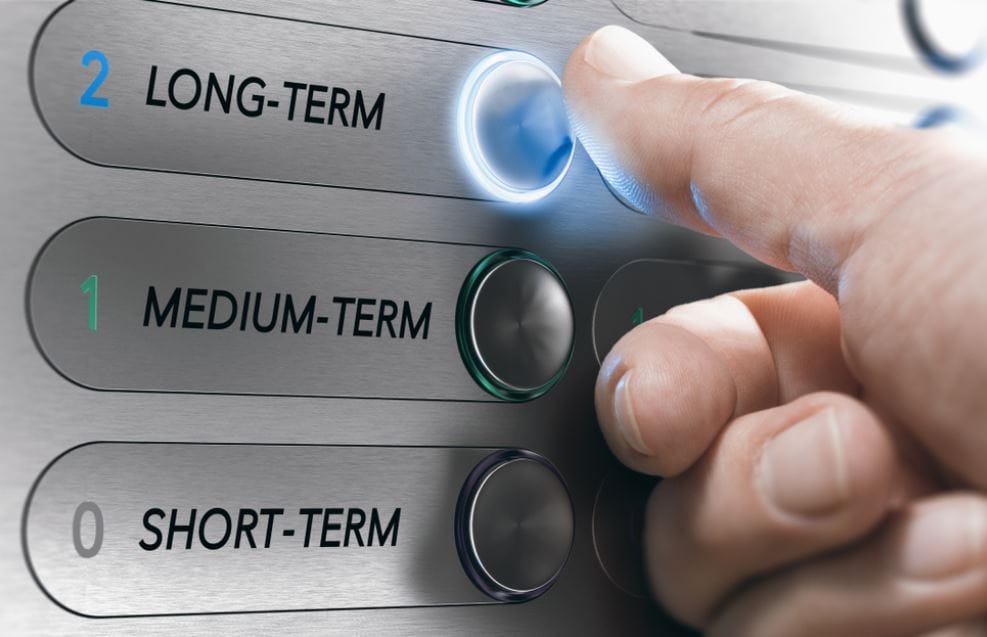
The world rewards speed, but money rewards patience. Delayed gratification isn’t popular, but it’s effective. It separates those who react from those who build.
Long-term thinking doesn’t mean sacrificing joy. It means choosing joy that lasts longer than a moment.
Consistency Over Intensity
You don’t need dramatic changes. You need consistent ones. Small habits done regularly outperform big efforts done once. Money responds to rhythm, not bursts.
Consistency creates momentum. Momentum creates confidence. Confidence creates freedom.
Final Summary: Building Money That Serves You
Finance isn’t about being perfect or rich overnight. It’s about alignment. When your spending reflects your values, money stops feeling like an enemy. Saving more than you spend creates stability. Avoiding consumer debt preserves freedom. Diversifying income reduces fear. Investing in knowledge builds resilience. Refusing full price rewards patience. Buying back time restores energy. Learning valuable skills creates leverage.
These principles aren’t trends. They’re foundations. They work quietly, steadily, and often invisibly. Over time, they turn chaos into calm and effort into opportunity. Money becomes less about stress and more about choice. And that’s the real goal.
FAQs
1.What is the most important habit in personal finance?
Saving more than you spend is the foundation. Without it, everything else becomes harder.
2.Is all debt bad or just consumer debt?
Consumer debt is the most damaging because it funds lifestyle, not growth. It limits future choices.
3.How many income streams should someone have?
There’s no perfect number. Even one small additional stream can make a big difference.
4.Why is knowledge considered an investment?
Because it reduces mistakes, improves decisions, and compounds across every area of life.
5.Does avoiding full price really matter long term?
Yes. Small savings repeated consistently add up faster than most people realize.