

The Quiet Art of Staying Broke
Staying poor rarely feels like a deliberate choice. It sneaks up in soft slippers, pours another drink, and tells you everything is fine. It’s not dramatic. It’s not loud. It’s a slow drift where weeks blur into months and the bank balance keeps whispering bad news. The image says “How to Stay Poor,” but the truth is, most people follow that guide without ever reading it.
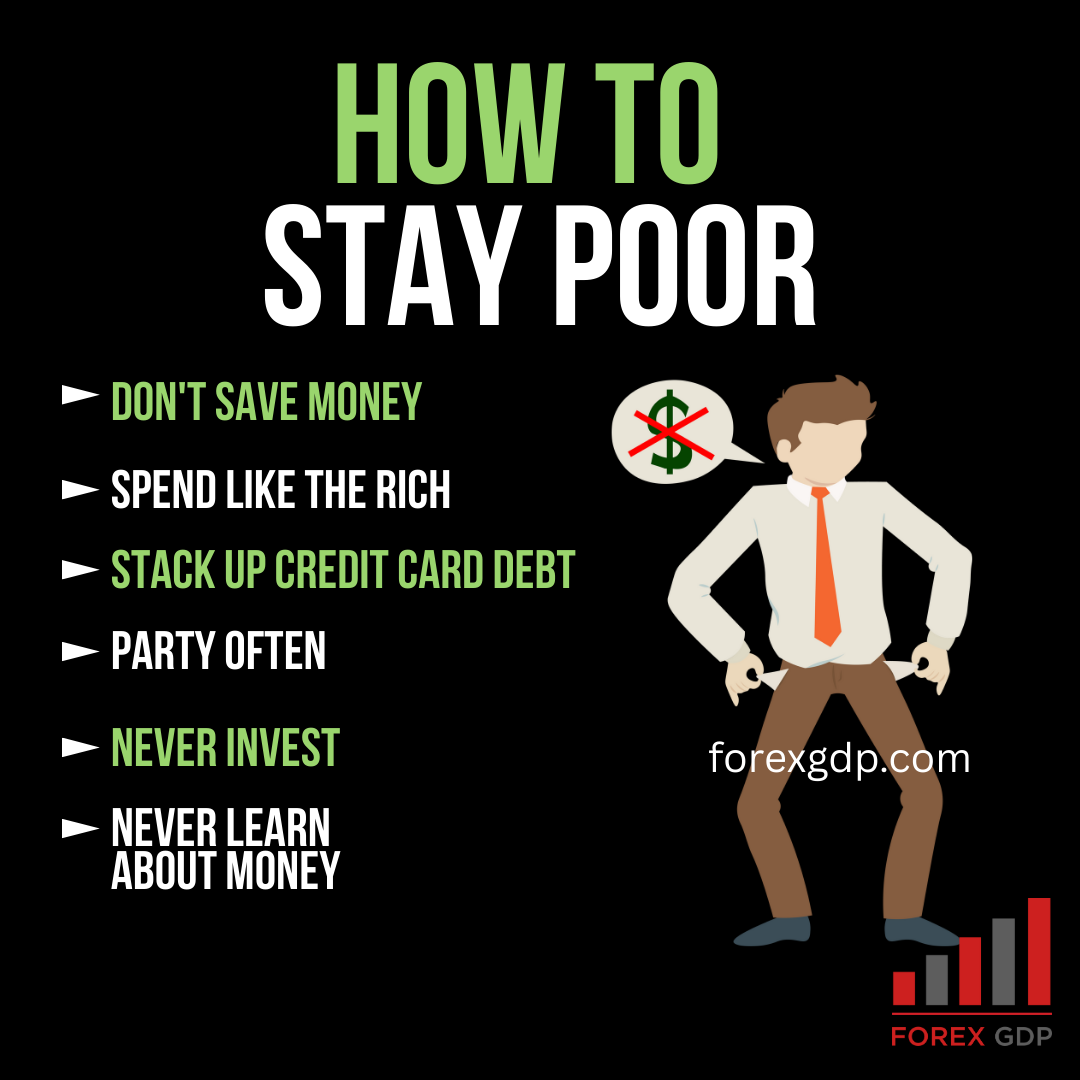
There’s a strange comfort in familiarity, even when that familiarity hurts. Being broke becomes a personality, a running joke, a shrug at dinner when the bill arrives. The habits that keep you there don’t look dangerous at first glance. They look normal. They look like everyone else. And that’s the trap.
Celebrating Empty Pockets
There’s a culture around laughing at being broke, like it’s a badge of honor. Jokes about empty wallets fly around social media, and everyone nods along like it’s a shared rite of passage. Humor can be healing, sure, but it can also be a hiding place. When you laugh long enough, you stop asking hard questions.
The problem isn’t the joke itself. It’s what happens when the joke replaces responsibility. When being broke becomes part of your identity, improving your situation can feel like betrayal. You stay where you are because it feels familiar, and familiarity feels safe, even when it’s draining you dry.
Normalizing the Paycheck-to-Paycheck Life
Living paycheck to paycheck becomes the default setting for many people. Bills come in, money goes out, and whatever’s left evaporates. It’s treated like a law of nature, as if money simply behaves this way and there’s nothing to be done about it.
Over time, this mindset hardens. You stop expecting more from yourself or your finances. Planning ahead feels pointless because the present already feels overwhelming. The cycle keeps spinning, not because it must, but because no one told you it could stop.
Laughing Off Financial Stress
Stress has a funny way of disguising itself as humor. A sarcastic comment here, a self-deprecating joke there, and suddenly real anxiety feels lighter. But laughter doesn’t pay bills, and jokes don’t erase interest charges.
When stress is never addressed, it grows roots. It affects sleep, relationships, and self-worth. Ignoring it doesn’t make you carefree; it makes you numb. And numb people rarely make bold, healthy changes.
When Money Avoidance Feels Safer
Avoidance can feel like relief. Not checking your bank account gives you a brief sense of peace, like covering your ears during bad news. You tell yourself you’ll deal with it later, when things are calmer, when life slows down.
The irony is that avoidance creates the very chaos you’re trying to escape. Money problems don’t fade in silence. They multiply. Every unopened app and ignored statement quietly adds weight to tomorrow.
Dodging Bank Apps

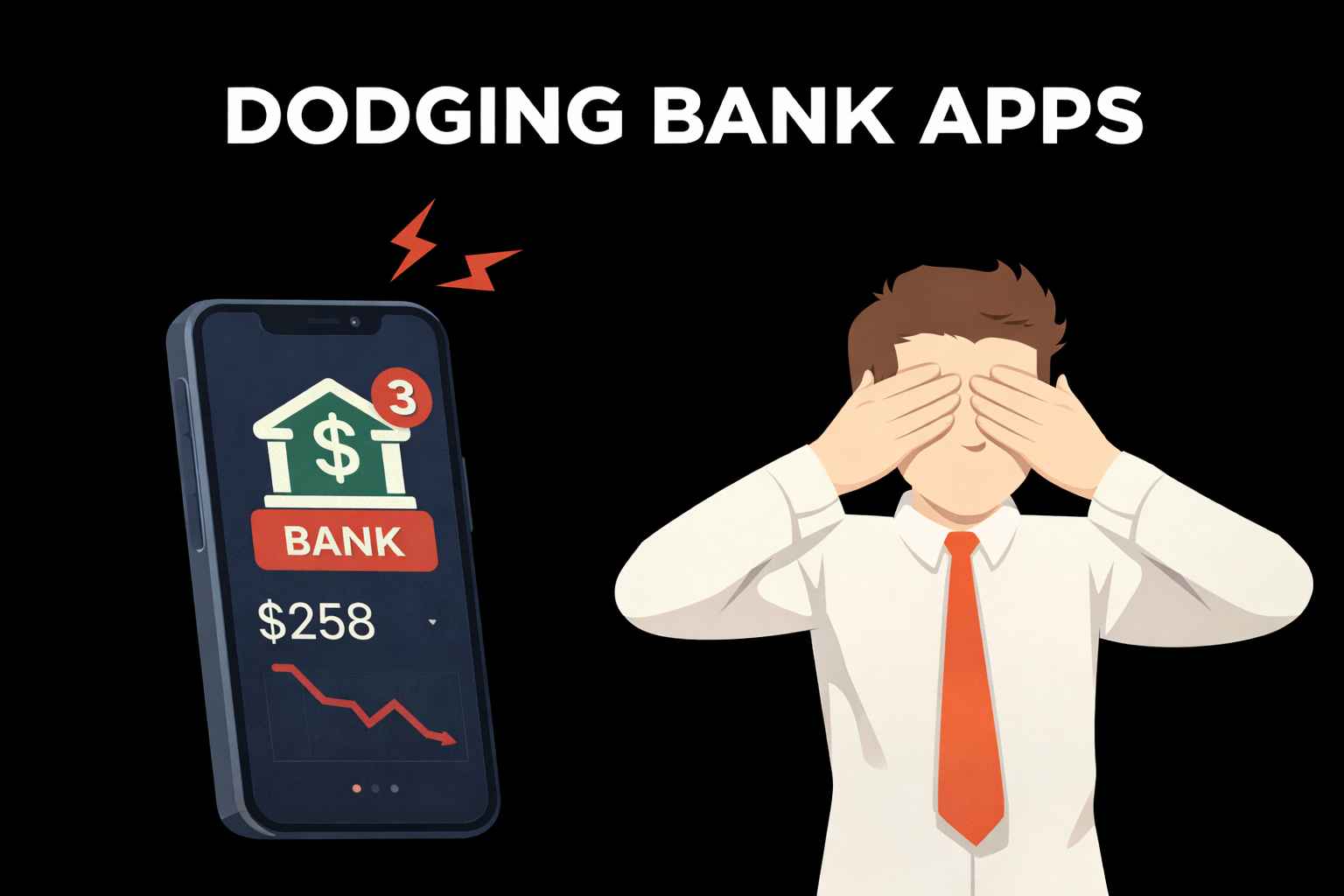
That little red notification badge can feel threatening. One glance might confirm what you already suspect, so you avoid it altogether. Days turn into weeks without looking at your balance, and spending becomes guesswork.
Guesswork is expensive. Without awareness, money leaks out in places you never intended. The app becomes the enemy, when in reality it’s just a mirror. Avoiding the mirror doesn’t change what’s reflected.
Treating Bills Like Bad Weather
Bills arrive whether you’re ready or not, much like rain. Some people treat them the same way, sighing and hoping they pass quickly. The problem is, bills don’t pass. They pile up, especially when ignored.
Seeing bills as unavoidable disasters strips you of agency. Instead of tools to manage your life, they become punishments. That mindset keeps you reactive, always catching up, never getting ahead.
Habits That Drain You Slowly
Poverty rarely kicks the door down. It tiptoes in through daily habits that seem harmless on their own. A little overspending here, a little neglect there, and suddenly years have passed with nothing to show for it.
These habits are sneaky because they feel good in the moment. Comfort now, consequences later. The trouble is, later always arrives, and it usually brings friends.
Never Saving a Dime
Saving money sounds boring to people who are already tired. When every dollar feels assigned to something urgent, the idea of putting money aside feels unrealistic, even selfish. So saving gets postponed indefinitely.
The absence of savings doesn’t just affect your finances. It affects your confidence. Without a cushion, every unexpected expense feels like a personal failure. Life becomes a series of small financial emergencies, each one stealing a little more peace.
Tomorrow Is a Myth
Tomorrow is an easy promise to make. You tell yourself you’ll start saving when you earn more, when things calm down, when life makes sense. Tomorrow becomes a myth you lean on to avoid discomfort today.
The truth is, tomorrow is built from today’s choices. When saving is always delayed, it never begins. The habit of postponement becomes stronger than the habit of preparation.
Emergencies Love the Unprepared
Emergencies don’t check your calendar. They show up unannounced, demanding attention and money. Without savings, even small problems feel catastrophic.
Being unprepared forces you into bad decisions. High-interest debt, favors you regret asking for, or sacrifices that hurt more than they should. Preparation isn’t about fear; it’s about dignity.
Spending Like the Rich Without the Rich Part
There’s a powerful pull to live like you’ve already made it. Nice dinners, new gadgets, trendy clothes. These things promise belonging and validation, even if only for a moment.
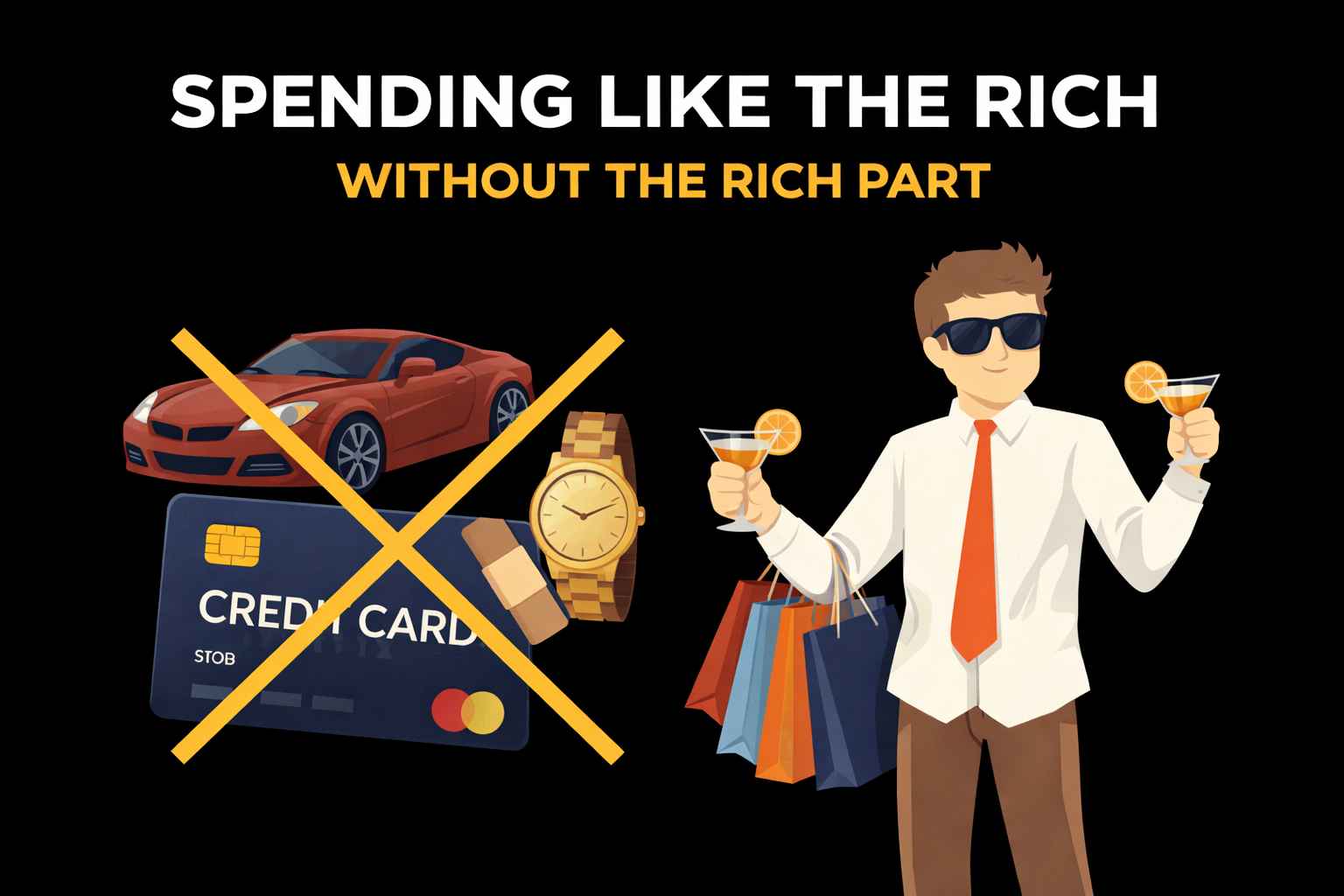
The danger lies in confusing appearance with reality. Spending like the rich without their income or assets creates a fragile illusion. It looks good from the outside, but it’s built on financial quicksand.
Lifestyle Creep as a Companion
As income rises, so do expenses. That’s lifestyle creep, quietly upgrading your life until nothing extra remains. What once felt luxurious becomes normal, and the baseline keeps shifting upward.
The problem isn’t enjoying progress. It’s letting every gain disappear into consumption. Without intention, lifestyle creep ensures you feel just as broke at a higher income as you did before.
Appearances Over Peace
Looking successful can become more important than feeling secure. Social pressure pushes you to keep up, to show that you’re doing well, even if it’s only on the surface.
Peace doesn’t photograph well. A healthy bank balance is invisible, while a flashy purchase gets attention. Choosing appearances over peace is a fast way to stay financially anxious.
Credit Cards as Comfort Blankets
Credit cards promise flexibility and relief. Swipe now, worry later. They soften the blow of reality and make spending painless, at least at first.
Used without respect, they become chains. What felt like freedom slowly turns into obligation, and the balance grows heavier with each passing month.
Minimum Payments, Maximum Illusion
Paying the minimum feels responsible, like you’re doing what’s required. The statement thanks you, and life goes on. But the balance barely moves, and interest keeps eating away at your future.
This illusion of progress is dangerous. It keeps you complacent, believing you’re managing debt when it’s actually managing you.
Interest as a Silent Partner
Interest doesn’t announce itself loudly. It whispers, adding a little extra to every bill. Over time, it becomes a silent partner in your finances, taking a cut of everything you earn.
This partner never clocks out. It works against you day and night, turning borrowed money into long-term regret.
Escaping Growth on Purpose
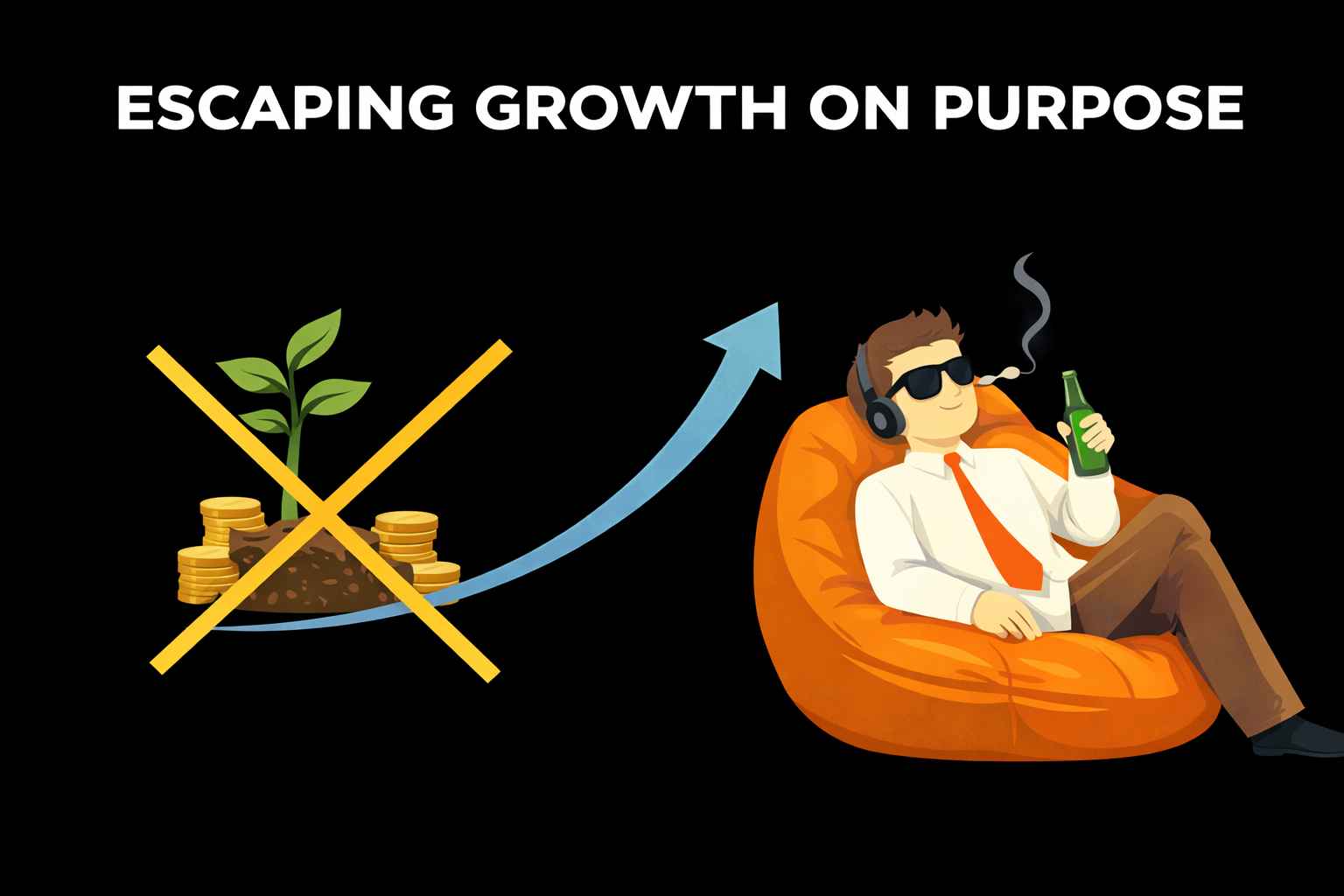
Growth requires discomfort, and discomfort is easy to avoid. Staying poor often means staying comfortable in familiar routines, even when they lead nowhere.
Avoiding growth doesn’t feel like sabotage. It feels like rest. But rest without direction eventually turns into stagnation.
Partying Past the Point of Progress
Fun has a place in life. Celebration, relaxation, connection. But when partying becomes an escape rather than a choice, it starts stealing more than it gives.
Late nights and impulsive spending add up. The cost isn’t just financial; it’s mental and emotional. Progress requires energy, and constant indulgence drains it.
Nights That Steal Mornings
Every late night borrows from the next day. Energy dips, focus fades, and opportunities slip by unnoticed. The cycle repeats, fueled by fatigue and frustration.
When mornings become recovery time, growth takes a back seat. Dreams don’t thrive in exhaustion.
Fun Now, Fog Later
Chasing fun without balance creates a foggy future. Decisions feel harder, motivation weaker. The short-term thrill overshadows long-term goals.
Fun isn’t the enemy. Imbalance is. When enjoyment consistently undermines progress, it’s worth asking who’s really benefiting.
Never Investing, Never Planting
Investing scares people because it involves uncertainty. The fear of losing money feels stronger than the possibility of growing it. So money sits idle, slowly losing value to time.
Not investing is still a choice, even if it feels passive. It’s choosing certainty of stagnation over the risk of growth.
Fear of Losing vs Certainty of Missing
Loss feels personal. Missing out feels abstract. That’s why fear wins so often. But over time, missed opportunities compound just like investments would have.
Choosing safety at all costs can be costly in its own way. Playing small doesn’t protect you from regret.
Cash That Goes Nowhere
Money that never moves doesn’t grow. It waits, idle, while inflation quietly erodes its power. The illusion of safety masks a slow decline.
Planting seeds always involves risk, but never planting guarantees no harvest.
Refusing to Learn About Money
Money literacy is often dismissed as boring or complicated. People convince themselves it’s for experts, not regular folks trying to get by.
This refusal keeps you dependent on guesswork and luck. Without understanding, you repeat the same mistakes, wondering why nothing changes.
Calling It Boring on Purpose
Labeling money as boring is a defense mechanism. It excuses disengagement and protects you from feeling overwhelmed.
But boredom is cheaper than ignorance. A little curiosity can save years of struggle.
Confusing Luck With Strategy
When things go well, it’s easy to credit luck. When they go badly, it feels unfair. Without strategy, life becomes a casino.
Relying on luck keeps you reactive. Strategy gives you options, even when circumstances change.
A Different Ending Is Possible
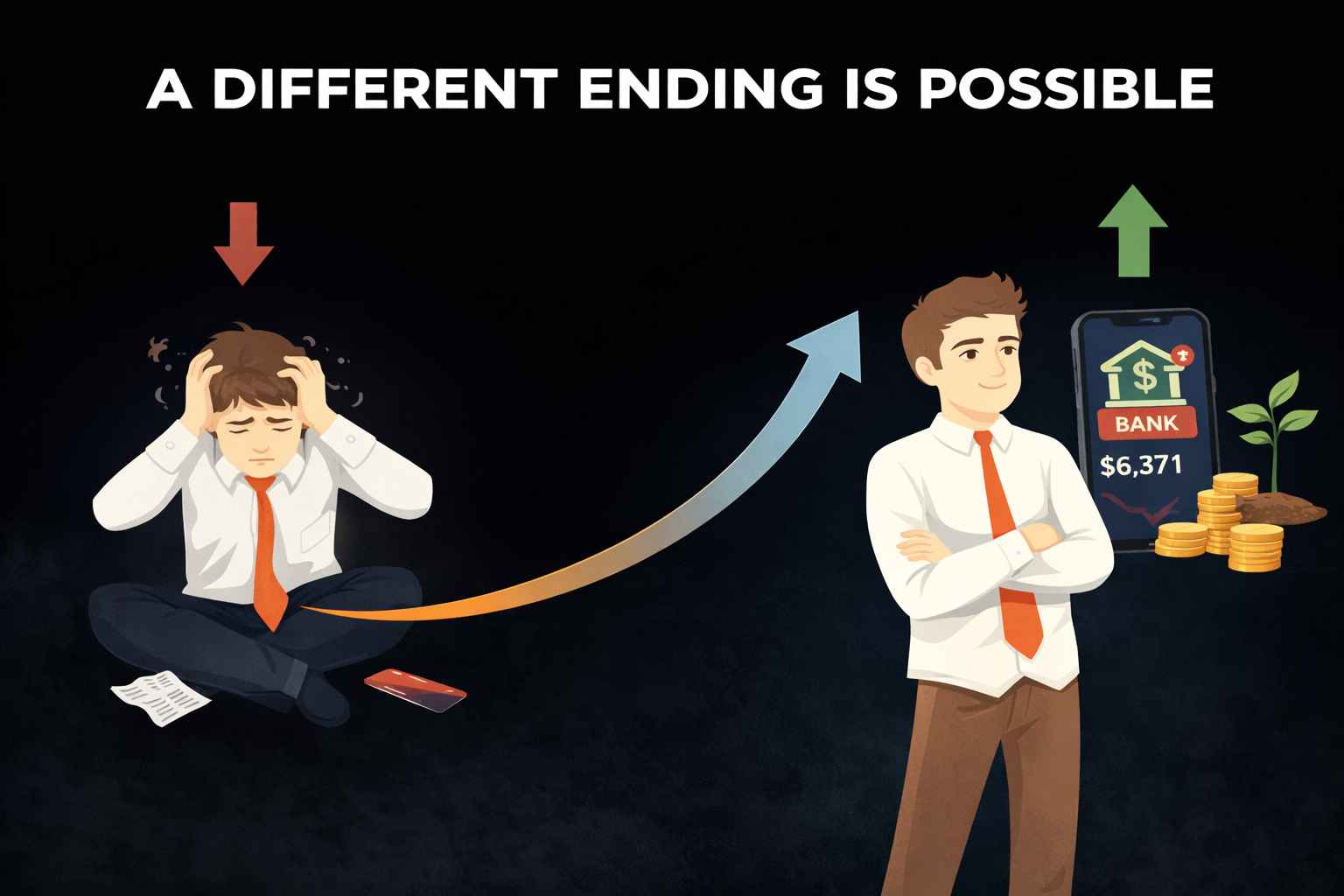
The habits that keep people poor aren’t permanent sentences. They’re patterns, and patterns can change. Awareness is uncomfortable, but it’s also empowering.
Recognizing these behaviors isn’t about shame. It’s about honesty. Once you see the script, you can decide whether to keep playing the role.
Awareness as an Uncomfortable Mirror
Seeing your habits clearly can sting. It challenges stories you’ve told yourself for years. But discomfort often signals growth knocking at the door.
Awareness creates choice. Without it, change is impossible. With it, even small shifts matter.
Seeing Habits Clearly
Habits thrive in the dark. When you shine a light on them, they lose some power. Patterns become visible, and excuses feel thinner.
Clarity doesn’t fix everything overnight, but it starts the process. You can’t change what you refuse to see.
Choosing Different Stories
Stories shape behavior. If you see yourself as bad with money, you’ll act accordingly. Changing the story changes the outcome.
New stories don’t require perfection. They require intention and patience.
Small Shifts That Change Trajectory
Big transformations are built from small, consistent choices. Grand gestures fade quickly, but daily habits stick.
Trajectory matters more than speed. A slight change in direction today can lead to a very different place tomorrow.
Curiosity Over Fear
Fear shrinks possibilities. Curiosity expands them. Asking questions about money opens doors you didn’t know existed.
Curiosity turns mistakes into lessons instead of verdicts. It keeps you engaged rather than defeated.
Consistency Beats Drama
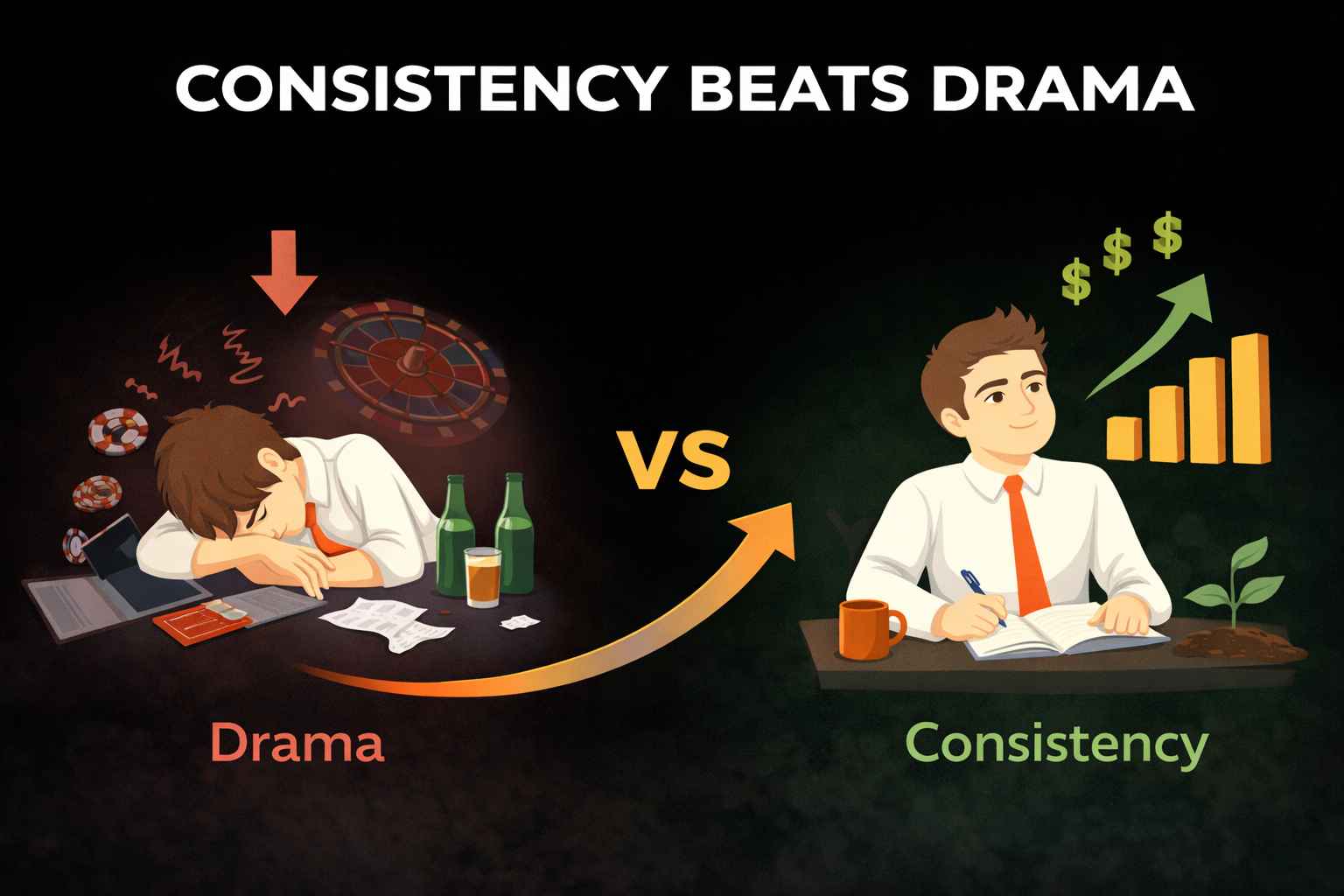
Dramatic changes feel exciting but rarely last. Consistency is quieter, less glamorous, and far more effective.
Showing up for your finances regularly builds trust with yourself. That trust becomes momentum.
Final Thoughts
Staying poor isn’t about intelligence or worth. It’s about habits, beliefs, and choices repeated over time. The image paints a harsh picture, but it reflects realities many people live with every day. The good news is that what’s learned can be unlearned. What’s habitual can be reshaped. Awareness is the first crack in the wall, and through that crack, light gets in.
FAQs
1.Why do people fall into habits that keep them poor?
Many habits form as coping mechanisms. They offer comfort or relief in the short term, even if they cause long-term harm.
2.Is avoiding money topics really that damaging?
Avoidance delays solutions and allows problems to grow quietly. Engagement, even imperfect, creates control.
3.Can small financial changes really make a difference?
Yes. Small, consistent actions compound over time and often lead to significant improvements.
4.Is debt always a sign of poor money habits?
Not always. The issue lies in unmanaged or misunderstood debt that drains resources without purpose.
5.How long does it take to change financial habits?
Change isn’t instant, but awareness followed by consistent effort can shift habits sooner than most people expect.