

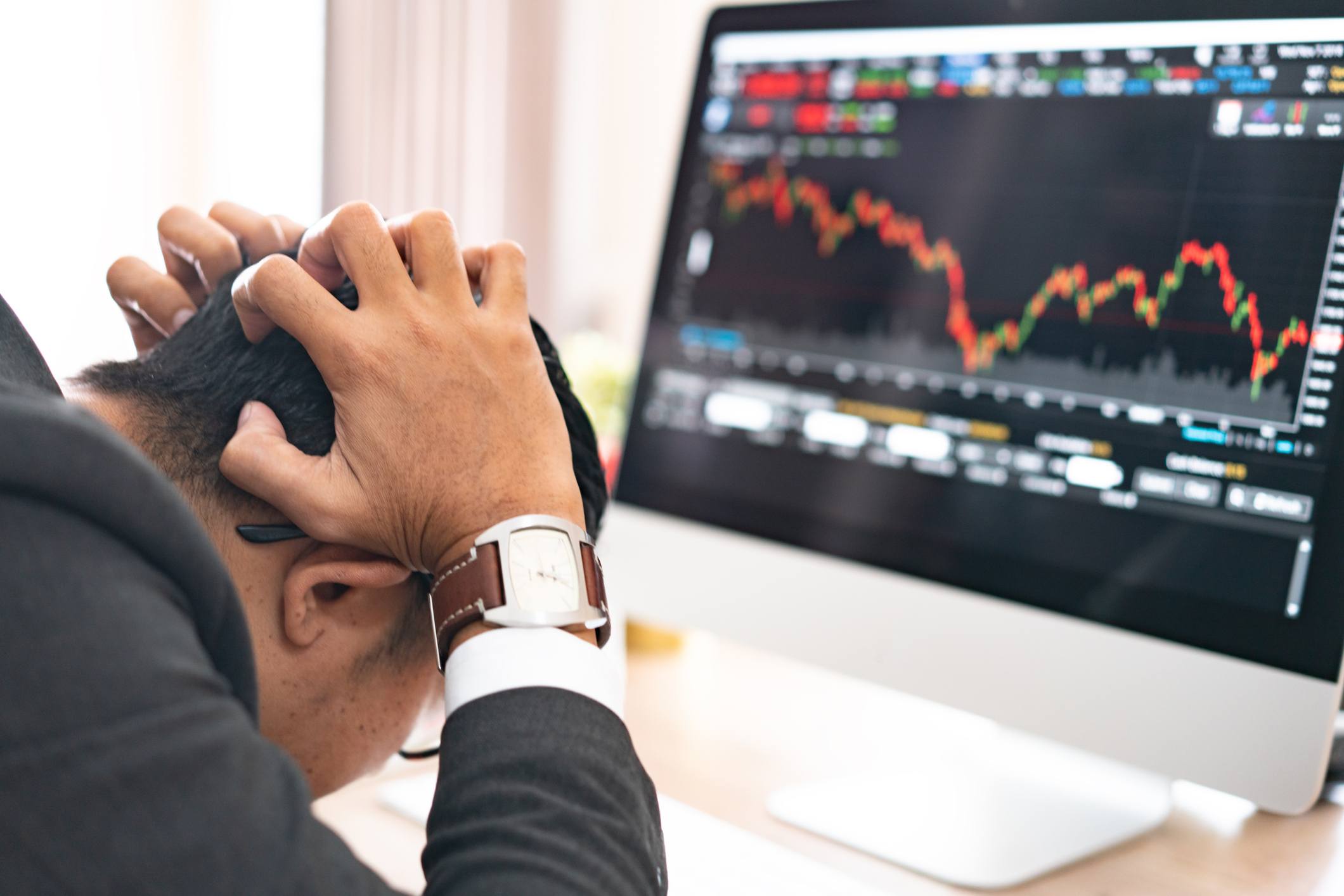
Let’s face it—every trader has been there. You’re watching the market, your heart’s racing, and you see a sudden price move. Without thinking twice, you hit “Buy” or “Sell.” You feel confident for a second… and then regret sets in. That, my friend, is what we call an impulse entry.
In trading, impulse entries are like stepping on a landmine—you might survive once or twice, but eventually, it’ll blow up your account.
What Are Impulse Entries in Trading?
Impulse entries happen when a trader jumps into a trade without a clear plan or confirmation. It’s driven by emotions like fear of missing out (FOMO), greed, or frustration.
Instead of following a tested strategy, you react to short-term price movements, social media hype, or your gut feeling—none of which have a consistent success rate in trading.
Why Do Traders Fall for Impulse Entries?
Ever heard the saying, “Emotions and money don’t mix”? That’s trading in a nutshell.
Here’s why traders make impulsive decisions:
-
FOMO: Seeing others profit while you’re waiting sidelines.
-
Greed: The belief that “this move will make me rich.”
-
Revenge trading: Trying to win back losses quickly.
-
Overconfidence: Thinking you can predict every market move.
The Psychological Trap Behind Impulse Decisions
The human brain craves instant gratification. When a setup looks exciting, your dopamine spikes—making you act before you think.
Impulse entries are often not about strategy but emotion. Once the trade goes wrong, panic takes over, leading to more bad decisions and emotional exhaustion.
How Impulse Entries Destroy Trading Accounts
Impulse entries don’t just cause minor losses—they can completely derail your trading journey.
Here’s how:
-
No Risk Management: You usually forget to set stop losses.
-
Overtrading: You take multiple random trades without setups.
-
Burnout: Constant emotional stress leads to frustration and fatigue.
-
Account Blow-Up: Repeated impulsive trades drain your capital faster than any single bad trade.

The Difference Between Patience and Impulsiveness
Trading success is built on patience. While impulsive traders jump into every move, patient traders wait for confirmation.
Think of it like fishing—you can throw your net randomly, or you can wait for the right moment when the fish actually bite. The second method wins every time.
How to Recognize When You’re About to Enter Impulsively
Recognizing an impulse entry is the first step to stopping it.
Ask yourself:
-
Did I plan this trade before, or am I reacting right now?
-
Is this trade part of my strategy?
-
Did I confirm this setup with technical or fundamental analysis?
If you answered “no” to any of these, you’re likely acting impulsively.
Building a Trading Plan to Avoid Impulse Entries
The best defense against impulsive trading is a solid trading plan.
Here’s what it should include:
-
Entry and Exit Rules: Define exactly when to enter and exit trades.
-
Risk Management: Use stop-loss and take-profit levels.
-
Position Sizing: Never risk more than 1–2% of your account per trade.
-
Trading Hours: Don’t trade randomly throughout the day.
Having a written plan creates discipline. It’s your personal rulebook against emotional trading.
Mastering Emotional Control
Your emotions are your biggest enemy. To trade successfully, you must master your mind before mastering the markets.
Practical steps:
-
Take breaks after losses. Don’t chase the market.
-
Use affirmations. Remind yourself: “No setup, no trade.”
-
Avoid distractions. Don’t trade while angry or stressed.
-
Keep a trading journal. Write down what triggered your decisions.
The Power of Waiting for Confirmation
One of the best habits in trading is waiting for confirmation before entering.
This means letting the market prove your idea right. Use:
-
Candlestick confirmation signals
-
Support and resistance validation
-
Breakout retests
-
Volume confirmation
Remember, the market gives second chances. Missing one setup doesn’t mean missing success.
Risk Management: Your Shield Against Impulsiveness
Even when you slip into an impulsive trade, proper risk management can save you.
Use these golden rules:
-
Always set a stop loss.
-
Use a risk-to-reward ratio of at least 1:2.
-
Never add to a losing position.
-
Limit yourself to a certain number of trades per day.
These rules help protect your capital when emotions try to take over.
The Importance of Backtesting and Journaling
Before trading live, backtest your strategy. See how it performs in different market conditions.
Then, maintain a journal with these details:
-
Entry and exit points
-
Reason for trade
-
Emotional state
-
Outcome
Over time, you’ll see patterns—when you trade impulsively, you lose more. Awareness is the key to improvement.
Real-Life Example: How Impulsive Trading Destroys Profits
Imagine you see EUR/USD shooting up suddenly. Without analysis, you buy at the top thinking it’ll continue rising. Minutes later, the market reverses, hitting your stop loss.
If you’d waited for confirmation, you’d have noticed it was just a fake breakout. That one impulsive move cost you your day’s profits—or worse, your account confidence.
Developing the Discipline of a Pro Trader
Professional traders don’t win because they’re lucky—they win because they’re disciplined.
They know when not to trade. They wait like snipers for the perfect shot.
Discipline isn’t built overnight. It’s built by saying no to impulsive trades and yes to consistency.
Tools That Can Help You Avoid Impulse Entries
You can use tools to keep your emotions in check:
-
TradingView Alerts: Set alerts instead of staring at charts.
-
Economic Calendars: Avoid trading during major news releases.
-
Automated Scripts: Let algorithms handle entries based on logic, not emotions.
These tools help you maintain control and consistency.
The Long-Term Impact of Avoiding Impulse Entries
When you stop impulsive trading, something amazing happens:
-
Your win rate improves.
-
Your stress levels drop.
-
You start trusting your process.
-
You trade with clarity and purpose.
Slow, steady, and smart always wins in the world of trading.
Conclusion: Trade Smart, Not Fast
Trading isn’t about catching every move—it’s about catching the right ones.
Impulse entries may feel thrilling, but they destroy consistency, confidence, and capital.
Remember, the market rewards patience, not recklessness. Take your time, follow your plan, and trade like a professional—not like a gambler.
5 Unique FAQs
1. What is the main cause of impulse entries?
Impulse entries are mainly caused by emotional reactions such as FOMO, greed, and revenge trading rather than analytical reasoning.
2. Can impulse trading ever be profitable?
Rarely. You might win occasionally, but over time, lack of consistency and discipline will lead to losses.
3. How can I stop trading impulsively?
Create a trading plan, use alerts, set strict rules, and keep a trading journal to track your emotional decisions.
4. What’s the difference between impulse and intuition in trading?
Intuition comes from experience and pattern recognition. Impulse, on the other hand, is an emotional reaction with no logic.
5. Why is patience so important in trading?
Patience helps you wait for high-probability setups. It keeps you from making emotionally charged, low-quality trades.