

The Quiet Habits That Drain Your Wallet
Buying Things to Impress Others
There’s a strange pressure in modern life to look successful before you actually are. Somewhere between scrolling social media and walking past shiny storefronts, the idea sneaks in that your worth is tied to what you own. A newer car, a flashier phone, designer labels that whisper status. The trap isn’t the purchase itself, it’s the reason behind it. When money leaves your account just to earn approval, it rarely comes back with interest.

This habit is sneaky because it often feels justified. You tell yourself it’s a reward for working hard or a way to “keep up.” But impressing others is like pouring water into a bucket with holes. No matter how much you spend, it never stays full. The applause fades, trends move on, and you’re left with the bill.
Status Symbols and Silent Regret
Status symbols age faster than most people expect. What felt exclusive last year suddenly looks ordinary today. The regret doesn’t show up immediately; it creeps in when the excitement wears off and the payments remain. That’s when people realize they didn’t buy joy, they rented it at a high monthly rate.
There’s also the uncomfortable truth that most people aren’t paying as much attention as we think. While you’re stressing about appearances, others are busy worrying about their own. Spending to impress is a lonely game because the satisfaction depends on someone else’s reaction.
Living for Applause Instead of Peace
When your financial decisions depend on outside validation, peace becomes expensive. Every purchase raises the bar for the next one. What once felt like luxury becomes normal, and normal starts feeling boring. This cycle quietly pushes people into debt without a dramatic moment.
Real peace comes from knowing your money works for you, not against you. Impressing yourself with stability, savings, and options may not photograph well, but it feels a lot better when life throws a curveball.
Buying Things That Harm Your Health
Money leaks fastest through habits that damage both your body and your bank account. Late nights, endless drinks, processed comfort foods, and stress-driven spending feel harmless in the moment. Over time, they quietly compound into medical bills, missed work, and lower energy that affects earning power.
What’s frustrating is how normalized this has become. Society often treats unhealthy spending as a deserved escape. The price tag isn’t just on the receipt; it shows up years later in ways no discount can fix.
Short-Term Pleasure, Long-Term Cost
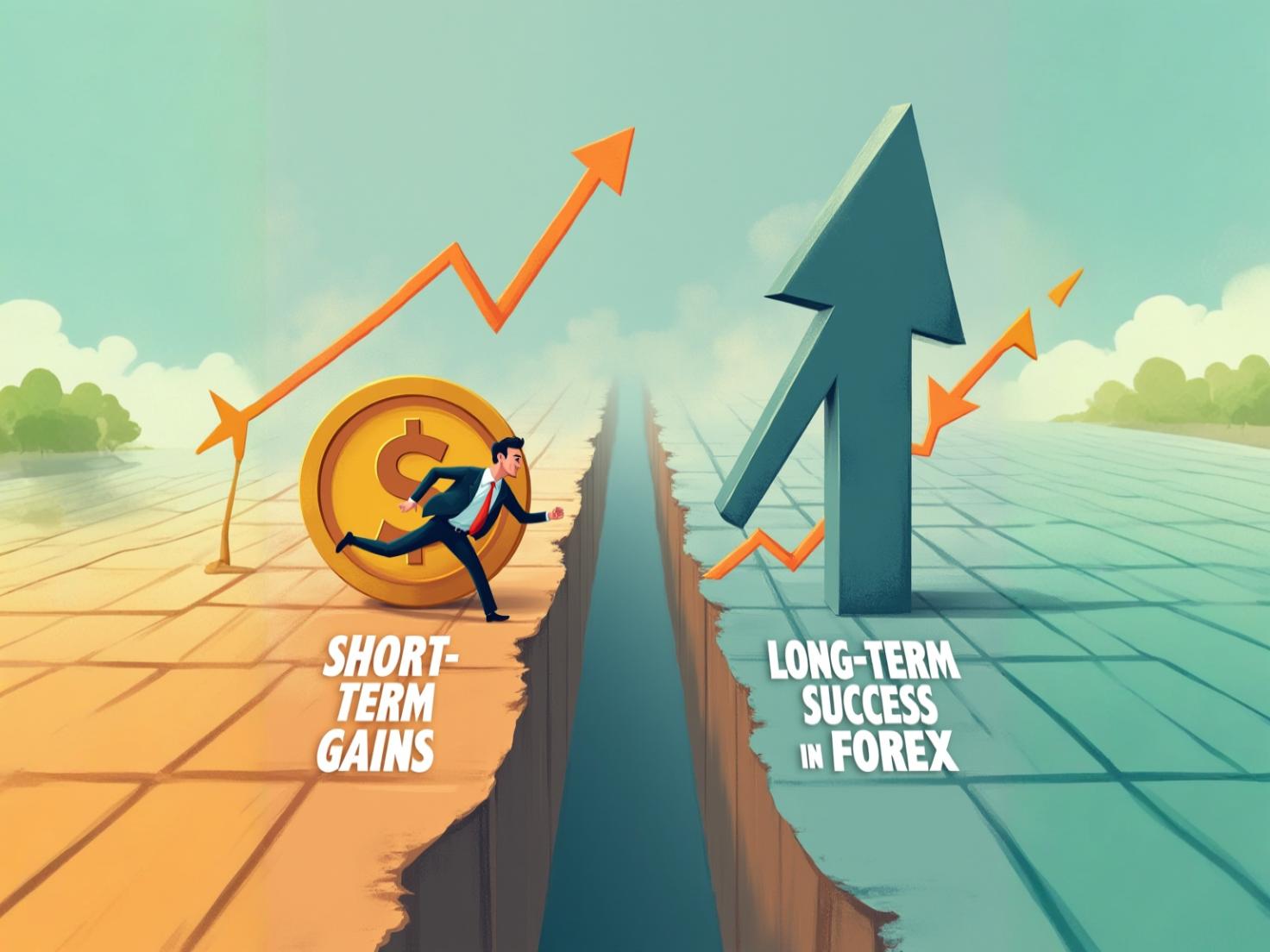
There’s nothing wrong with enjoying life, but constant indulgence has a way of overstaying its welcome. The thrill fades quickly, yet the consequences linger. A few extra nights out turn into a routine. A routine turns into dependency. Before long, your budget is built around habits that give less and less back.
The financial cost is easy to calculate. The health cost is harder to see until it’s unavoidable. By then, money becomes a tool for damage control instead of growth.
Energy Is a Financial Asset
Health isn’t just personal; it’s economic. Energy, focus, and resilience directly affect how much you can earn and how well you manage money. When unhealthy spending drains those assets, your income potential quietly shrinks.
People rarely connect the dots between feeling exhausted and making bad financial decisions. Low energy leads to convenience choices, impulsive spending, and poor planning. It’s a loop that keeps tightening unless consciously broken.
Financial Decisions Made in the Dark
Investing in Things You Don’t Understand
Few phrases sound as tempting as “easy money.” When someone promises returns without effort, curiosity often beats caution. Investing without understanding is like driving at night with the headlights off. You might move fast, but you have no idea what’s ahead.
The danger isn’t limited to beginners. Even experienced earners fall into this trap when fear of missing out overrides common sense. Complexity gets mistaken for intelligence, and risk gets dressed up as opportunity.
Confusion Is Not a Strategy
Not understanding an investment doesn’t make it sophisticated. It makes it dangerous. When things go well, confusion feels harmless. When things go wrong, it becomes paralyzing. People freeze because they don’t know whether to hold, sell, or panic.
Money demands clarity. If you can’t explain where your money is going and how it might come back, you’re not investing. You’re hoping.
Outsourcing Responsibility
Trusting others with your money isn’t the problem. Blind trust is. When decisions are fully outsourced, accountability disappears. Losses feel shocking because they never felt possible in the first place.
Owning your financial choices means accepting responsibility for understanding them. Even basic knowledge creates confidence, and confidence prevents emotional decisions that destroy wealth.
Gambling and Chasing Fast Wins


The idea of getting rich quickly has ruined more finances than bad luck ever could. Gambling isn’t limited to casinos. It shows up anywhere money is risked for excitement rather than purpose. The rush becomes addictive, and logic quietly exits the room.
Fast wins feel like proof of talent. Losses get blamed on timing or bad breaks. This mindset turns money into entertainment, and entertainment is rarely profitable.
The Illusion of Control
Gambling feeds on the belief that skill can beat probability. A few lucky moments convince people they’ve figured it out. Losses get reframed as near misses instead of warnings.
The illusion of control keeps people playing longer than they should. Money becomes fuel for ego rather than a resource to protect.
When Hope Replaces Planning
Hope is powerful, but it’s a terrible financial plan. Chasing quick money often comes from frustration with slow progress. Instead of patience, people choose risk. Instead of consistency, they choose excitement.
The cost isn’t just financial. It’s emotional. Constant swings between wins and losses create stress that spills into every area of life.
Breaking the Cycle Before It Breaks You
Why Smart People Still Go Broke
Intelligence doesn’t protect against emotional decisions. In fact, smart people are sometimes better at justifying bad choices. They build convincing stories around impulses and call them strategy.
Money exposes habits, not IQ. Without awareness, even high earners can live paycheck to paycheck. The issue isn’t income; it’s alignment between values and actions.
Emotions Drive Spending
Fear, pride, boredom, and envy are powerful financial forces. They don’t announce themselves; they disguise themselves as logic. A purchase feels reasonable until you look back and wonder why it mattered so much at the time.
Recognizing emotional triggers is uncomfortable, but it’s freeing. Once you see them, they lose their grip.
Lifestyle Creep Is a Silent Thief
As income rises, expenses quietly follow. What once felt unnecessary becomes “normal.” This creep doesn’t feel reckless because it happens gradually.
The danger is waking up years later with a high income and no flexibility. Lifestyle creep steals options, not just money.
Choosing Boring Over Broke

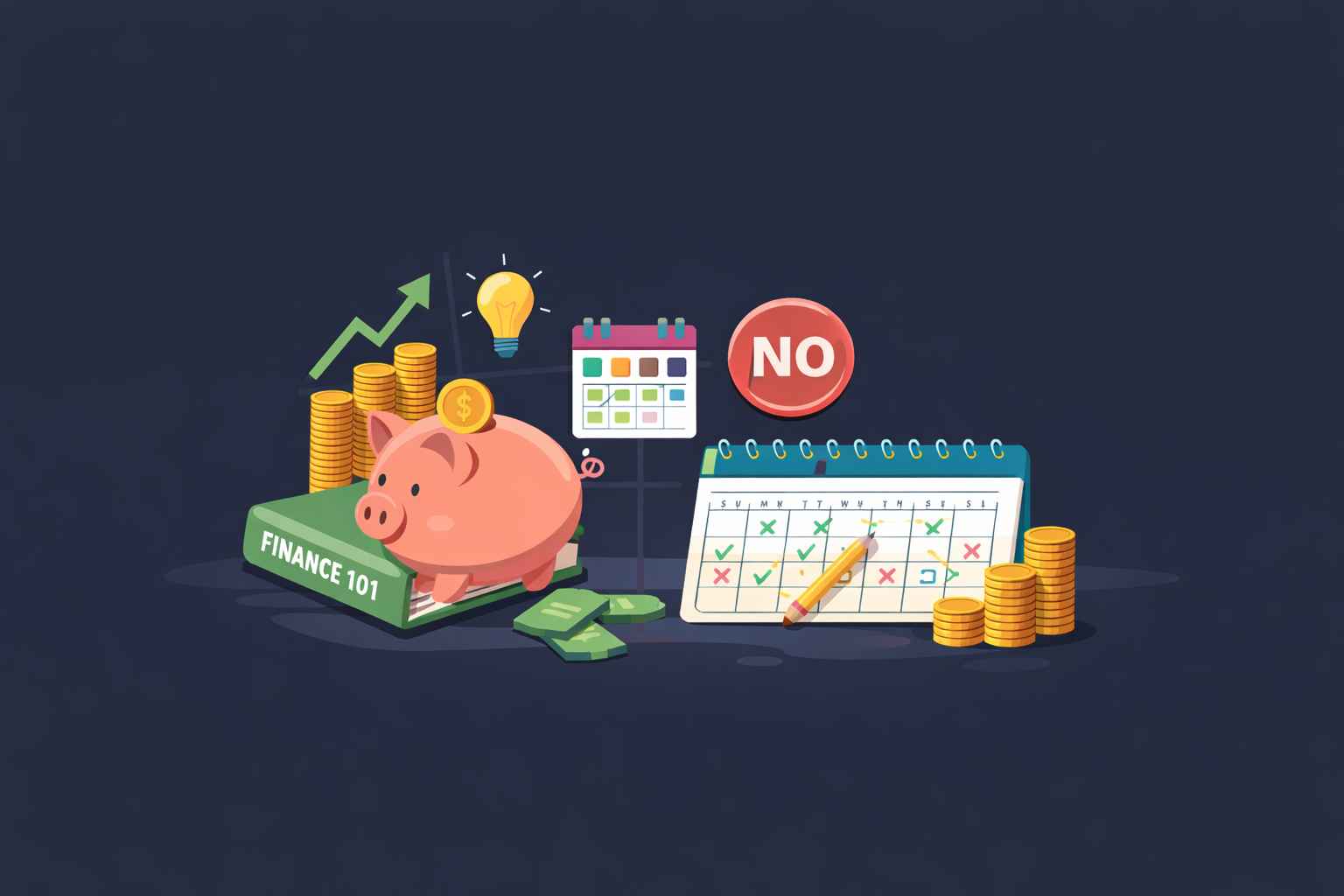
Boring financial habits don’t get attention, but they work. Saving, learning, planning, and saying no lack drama. They also lack regret. Stability rarely makes headlines, yet it quietly builds freedom.
Choosing boring means choosing long-term peace over short-term thrills. It’s a trade many people avoid until they’ve learned the hard way.
Consistency Beats Excitement
Small, repeated actions outperform big emotional moves. Consistency feels slow because it doesn’t spike adrenaline. Over time, it compounds into confidence.
Excitement fades quickly. Stability grows quietly. One keeps you entertained; the other keeps you safe.
Redefining What Rich Feels Like
Wealth isn’t just numbers. It’s waking up without financial anxiety. It’s having options when life changes. It’s saying no without fear.
When rich is redefined as freedom rather than display, spending habits naturally change. The need to impress fades, and clarity takes its place.
Final Summary
Going broke rarely happens overnight. It’s the result of repeated choices driven by emotion, image, and impatience. Buying to impress, harming your health through spending, investing blindly, and chasing quick wins all share one thing in common: they trade long-term stability for short-term satisfaction. The good news is that awareness alone changes behavior. When money decisions align with values instead of ego, financial peace stops feeling out of reach and starts feeling inevitable.
FAQs
1.Why do people keep spending money to impress others even when it hurts them?
Because approval feels good in the moment. The emotional reward arrives faster than the financial consequence, which makes the habit hard to break.
2.Is all risky investing the same as gambling?
No, but risk without understanding crosses that line quickly. When excitement replaces strategy, the difference becomes hard to see.
3.Can unhealthy habits really affect financial success?
Absolutely. Health influences energy, focus, and decision-making. When those decline, financial choices often follow.
4.Why do high-income earners still struggle financially?
Income doesn’t fix habits. Without control and clarity, more money simply funds bigger mistakes.
5.What’s the first step to avoiding these financial traps?
Honest self-awareness. Noticing why you spend is often more powerful than trying to earn more.