

Debt. Just the word can make your shoulders tense up. For some people, it feels like a necessary evil. For others, it’s a silent predator that keeps them awake at night. Yet debt isn’t one single monster hiding under the bed. It comes in different forms, wears different masks, and plays very different roles in our lives. Some debt can quietly help you build wealth, while other debt slowly drains your energy, money, and peace of mind.

So how do you tell the difference? How do you know when debt is working for you instead of against you? That’s exactly what we’re about to unpack.
Understanding Debt Beyond the Fear
Debt often gets painted with the same dark brush. People say “debt is bad” and move on, but that oversimplification does more harm than good. Debt is a tool. Like fire, it can warm your house or burn it down. The outcome depends on how, why, and when you use it.
Most financial stress doesn’t come from debt itself. It comes from misunderstanding it. When you don’t know which debts build your future and which ones quietly sabotage it, every loan feels equally dangerous. That confusion leads to fear, and fear leads to bad decisions.
Why Debt Isn’t Automatically the Enemy
Debt exists because time exists. You borrow against your future income to do something today. Sometimes that “something” creates more value than it costs. Other times, it disappears the moment you swipe your card. The problem isn’t borrowing. The problem is borrowing without intention.
Think of debt like a bridge. A good bridge helps you cross to a better place. A bad bridge collapses halfway through and leaves you stuck. Blaming all bridges doesn’t solve the issue. Learning which ones are sturdy does.
Another uncomfortable truth is that avoiding all debt doesn’t automatically make you financially smart. Plenty of people avoid loans and still struggle because they miss opportunities that could have changed their trajectory. Smart money decisions often involve calculated risks, not total avoidance.
Why People Confuse Good Debt and Bad Debt
The confusion usually comes from emotion. Debt is tied to shame, pressure, and comparison. When you see someone drowning in credit card bills, it’s easy to assume all borrowing leads there. Media headlines don’t help either, constantly warning about debt crises without explaining nuance.
There’s also the marketing trap. Lenders don’t label products as “bad debt.” They sell convenience, lifestyle, and instant gratification. Without financial literacy, it’s easy to fall into debt that feels harmless until it’s too late.
Understanding the difference between good debt and bad debt isn’t about being perfect with money. It’s about being honest with yourself about what a loan actually does in your life.
Good Debt: When Borrowing Works in Your Favor

Good debt doesn’t mean comfortable debt. It doesn’t always feel easy, and it doesn’t guarantee success. What it does is increase your chances of building long-term value. Good debt is tied to growth, income, and opportunity.
This type of debt is like planting a seed. You invest time, money, and patience upfront, trusting that something bigger will grow later. Sometimes it takes years, but the direction matters.
What Actually Makes Debt “Good”
Good debt usually has one thing in common: it has the potential to pay you back. Not emotionally, not socially, but financially. It either generates income, increases your earning power, or grows in value over time.
Another important factor is control. With good debt, you typically understand what you’re borrowing for and how you’ll manage it. The debt fits into a plan instead of replacing one. That sense of direction makes all the difference.
Good debt also tends to move slowly. It doesn’t scream for attention every month the way bad debt does. It sits in the background, doing its job while you focus on building something meaningful.
Income-Generating Debt and Long-Term Growth
Some debt directly helps you earn money. Borrowing to start or expand a business is a classic example. You’re using someone else’s capital to create cash flow. That doesn’t mean it’s risk-free, but the intention is productive.
Education-related debt can also fall into this category when handled carefully. Learning skills that increase your earning potential can change your financial ceiling entirely. The key is alignment. Borrowing for education that doesn’t improve your income prospects can easily slip into bad debt territory.
Real estate often sits at the center of good debt discussions. Property can appreciate over time and generate rental income. When managed wisely, this kind of debt can quietly build wealth while inflation does some of the heavy lifting for you.
The Emotional Side of Good Debt
Good debt doesn’t usually come with instant gratification. In fact, it often feels heavy at first. There’s pressure, responsibility, and sometimes doubt. That discomfort scares people away, even when the numbers make sense.
What separates good debt from bad debt emotionally is purpose. When you know why you borrowed and what it’s meant to achieve, the stress feels different. It’s more like muscle soreness after a workout than the panic of a maxed-out credit card.
Still, good debt requires discipline. Without follow-through, even the best-intentioned loan can turn toxic. The debt itself isn’t magic. Your actions determine whether it fulfills its promise.
Bad Debt: The Quiet Drain on Your Financial Energy
Bad debt is loud, persistent, and exhausting. It doesn’t build anything meaningful. It simply takes. This is the kind of debt that shows up in small, tempting amounts and then overstays its welcome.
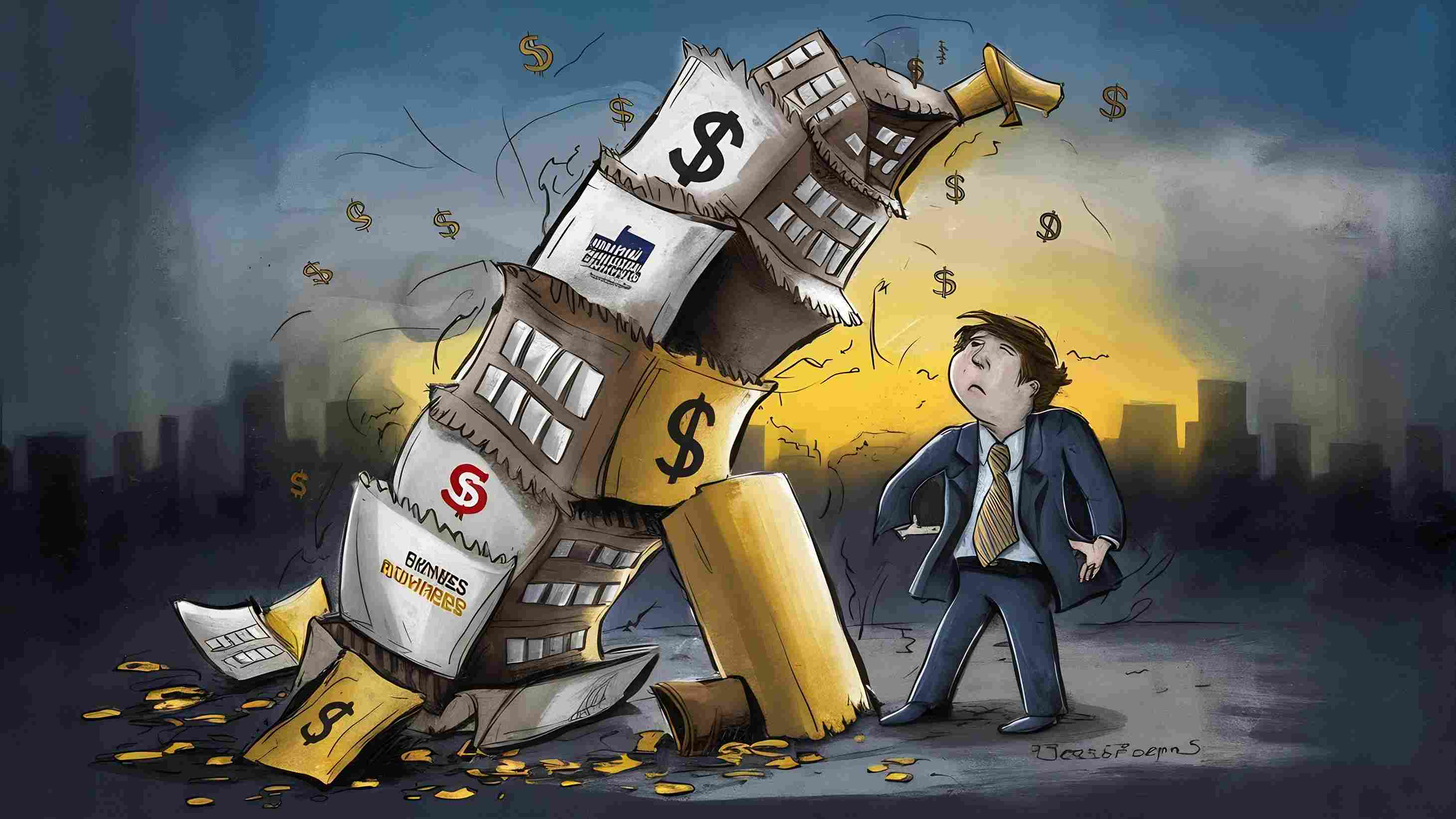
Bad debt is usually tied to consumption. You borrow to buy things that lose value quickly and don’t improve your financial future. Once the excitement fades, the payments remain.
Why Bad Debt Feels So Easy at First
Bad debt often starts with convenience. A swipe here, a payment plan there, a promise that you’ll “figure it out later.” There’s no long-term vision attached, just a desire to feel good now.
The problem is that later always arrives. When it does, you’re left paying for things that no longer add value to your life. That’s when resentment sets in. You’re working today to fund yesterday’s impulses.
Bad debt also thrives on minimum payments. Paying just enough to stay afloat creates the illusion of control while interest quietly compounds in the background. It’s financial quicksand disguised as flexibility.
Depreciation and the Cost of Instant Gratification
Many forms of bad debt are tied to items that drop in value the moment you buy them. The money is gone, the value is gone, but the debt remains. That imbalance is what makes it so destructive.
There’s also an emotional cost. Bad debt limits your options. It forces you to say no to opportunities because your income is already spoken for. Over time, it creates a sense of being trapped, even if your salary looks decent on paper.
What hurts most is realizing how little you have to show for it. Bad debt rarely comes with lasting memories or growth. It just leaves behind statements and stress.
How Bad Debt Impacts Your Future Self
Bad debt doesn’t just affect your bank account. It affects your confidence, decision-making, and risk tolerance. When you’re constantly managing payments, it’s hard to think long-term.
This kind of debt also reduces your ability to take good risks. You might avoid investing in yourself or your business because you’re already overwhelmed. In that way, bad debt doesn’t just waste money. It steals momentum.
Breaking free from bad debt often requires more than budgeting. It requires confronting habits, emotions, and beliefs about money. That’s uncomfortable work, but it’s also liberating.
The Psychological Battle Between Good and Bad Debt
Money decisions are rarely logical. They’re emotional, reactive, and deeply personal. Understanding debt means understanding human behavior. Why do we choose short-term comfort over long-term stability, even when we know better?
The answer usually lies in psychology, not math.
Why Humans Are Wired for Bad Debt
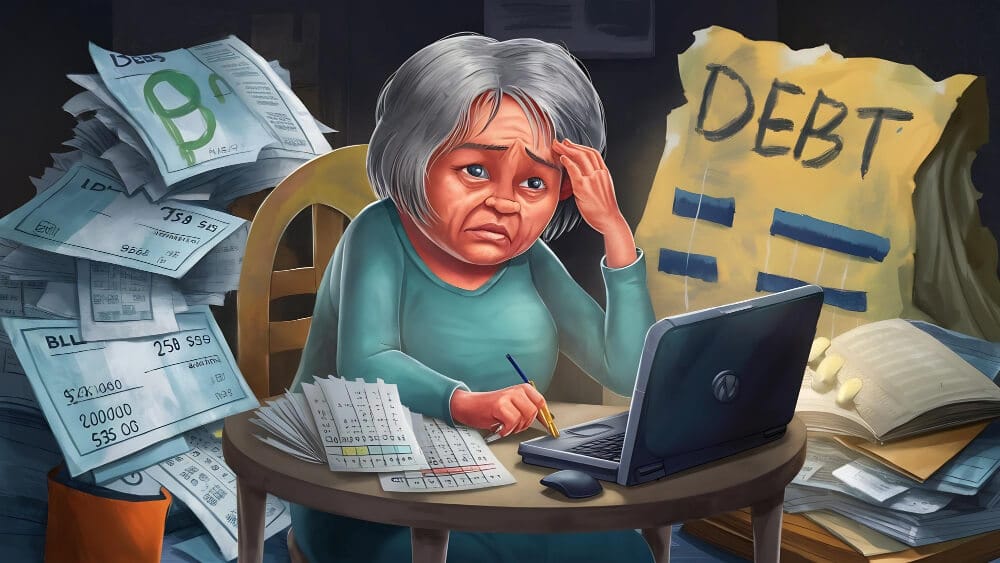
Our brains crave rewards. Bad debt offers immediate pleasure with delayed consequences. That’s a dangerous combination. It feels harmless because the pain is postponed.
Good debt, on the other hand, often demands sacrifice upfront. You take on responsibility now for a payoff that might come years later. That doesn’t excite the brain in the same way.
Modern marketing amplifies this imbalance. Everything is designed to make spending feel painless. When borrowing becomes invisible, restraint becomes harder.
Fear, Ego, and Financial Identity
Ego plays a massive role in bad debt. Buying things to impress others or maintain an image is a fast track to financial stress. The irony is that the people you’re trying to impress rarely notice or care.
Fear also keeps people stuck. Fear of missing out pushes borrowing. Fear of failure prevents people from using good debt to pursue growth. Both extremes lead to regret.
Your financial identity matters. If you see yourself as someone who’s “bad with money,” you’re more likely to make decisions that confirm that belief. Changing how you view debt can change how you use it.
Reframing Debt as a Strategic Choice
Debt doesn’t have to be emotional. When you slow down and ask better questions, the fog starts to lift. What will this debt do for me a year from now? Will it still matter when the payments are done?
Strategic debt is intentional. It aligns with your goals instead of distracting from them. That shift in mindset turns debt from a burden into a calculated tool.
The goal isn’t to feel comfortable borrowing. It’s to feel clear. Clarity beats comfort every time.
Making Smarter Decisions About Debt
No one gets it right all the time. Mistakes happen. The difference between people who recover and those who stay stuck is awareness. When you understand the nature of your debt, you regain control.
Good decisions don’t require perfection. They require honesty and consistency.
Questions That Reveal the True Nature of Your Debt
Before taking on any debt, it helps to pause and reflect. What problem is this solving? Is it creating value or just postponing discomfort? Those answers matter more than interest rates alone.
Another important question is sustainability. Can you handle this debt if your income fluctuates? Debt that only works in perfect conditions is fragile.
Thinking in terms of opportunity cost can also be eye-opening. Every dollar tied up in bad debt is a dollar that can’t work for you elsewhere.
Escaping the Cycle of Bad Debt
Breaking free from bad debt often feels overwhelming at first. The balances look big, and progress feels slow. That’s normal. What matters is momentum.
Reducing bad debt creates breathing room. With each balance paid off, you reclaim mental and financial space. That space makes better decisions easier.
The key is replacing bad habits with better ones, not just eliminating debt. Otherwise, the cycle repeats.
Using Good Debt Without Letting It Control You
Even good debt needs boundaries. Just because a loan can be justified doesn’t mean it should be taken lightly. Overleveraging turns opportunity into stress.
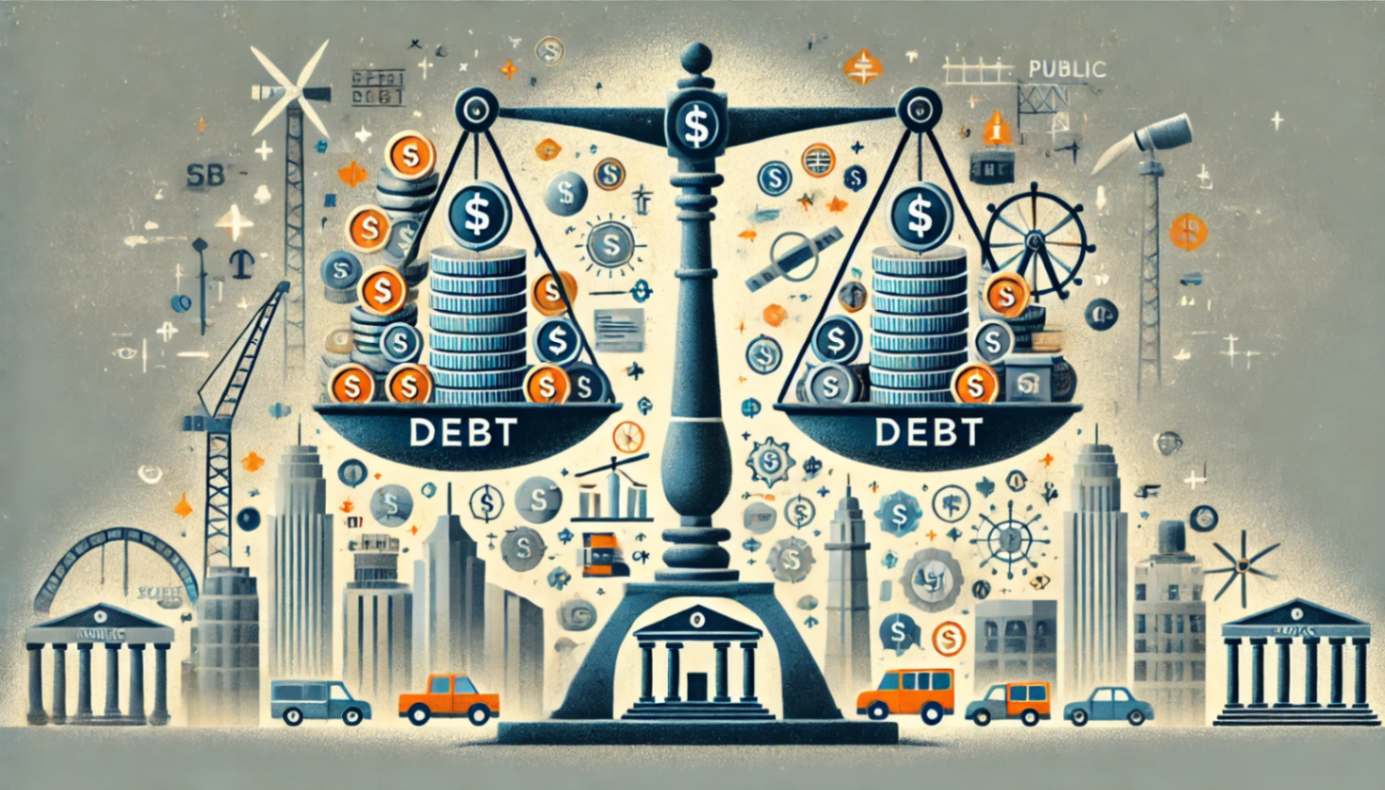
Regular check-ins help. Are you still moving toward the goal that justified the debt in the first place? If not, adjustments matter.
Good debt should support your life, not dominate it. When it starts to feel heavy, it’s time to reassess.
Final Thoughts: Choosing the Right Kind of Pressure
Debt creates pressure. The question isn’t whether pressure exists, but what kind you choose to live with. Good debt applies pressure that pushes you forward. Bad debt applies pressure that holds you down.
Understanding the difference is one of the most powerful financial skills you can develop. It doesn’t require advanced math or perfect discipline. It requires awareness, intention, and the courage to delay gratification when it counts.
When you stop treating all debt as equal, you stop making equal mistakes. That shift alone can change the direction of your financial life.
Frequently Asked Questions
1.Is all debt bad for financial health?
No, debt itself isn’t the problem. Debt becomes harmful when it doesn’t create value or align with long-term goals. Some debt can support growth and income when used intentionally.
2.Can bad debt ever turn into good debt?
In rare cases, restructuring or refinancing can reduce the damage, but the underlying purpose usually remains the same. The goal is to prevent bad debt rather than rebrand it.
3.How do I know if a loan is worth taking?
Look beyond monthly payments. Consider long-term value, income potential, and how the debt fits into your broader financial plan.
4.Why does bad debt feel so hard to escape?
Bad debt often comes with high interest and emotional habits. It’s not just a numbers problem. It’s a behavioral one, which makes it tougher but not impossible to overcome.
5.Is it better to pay off all debt before investing?
It depends on the type of debt. High-interest, non-productive debt usually deserves priority. Productive debt can sometimes coexist with investing if managed carefully.