

There’s a quiet kind of wisdom in the idea that you shouldn’t chase opportunities—you should become ready enough that they come to you. It sounds simple, almost too simple. But if you’ve spent any time staring at charts, jumping into trades out of impulse, or watching your account fluctuate like a rollercoaster, you already know how hard it is to actually live by that idea.
Trading has a strange way of exposing impatience. It pulls at your emotions, whispers urgency into your ear, and makes you feel like every missed opportunity is a mistake you can’t afford. But what if the real mistake isn’t missing trades… it’s chasing them?
Let’s dig into what it truly means to attract good trades through preparation—and why that shift in mindset might be the difference between chaos and consistency.
The Trap of Chasing Trades
Why Urgency Feels So Real
The illusion of “now or never”
Markets move fast, and that speed creates pressure. You see a candle spike, volume picking up, and suddenly your brain screams: “This is it!” That sense of urgency feels real, almost physical. But here’s the uncomfortable truth—most of the time, it’s an illusion.
Opportunities in the market don’t vanish forever. They recycle, reshape, and reappear in different forms. When you act like every trade is your last chance, you start making decisions that aren’t based on logic—they’re based on fear.
And fear is a terrible trading partner. It doesn’t wait for confirmation. It doesn’t care about your strategy. It just wants action.
How FOMO rewires your decisions
Fear of missing out isn’t just a buzzword—it’s a behavioral trap. It creeps in quietly, especially after you see a move happen without you. Suddenly, you’re not trading your plan anymore. You’re reacting.
You jump in late, often right when the move is about to reverse. You convince yourself it’s still going, even when your indicators say otherwise. Why? Because your mind would rather take a bad trade than feel left out.
That’s how chasing begins. Not with strategy, but with emotion.
The Hidden Cost of Impulsive Trading
Losses you don’t immediately see
Everyone talks about losing money, but the deeper losses are harder to notice. Every impulsive trade chips away at your discipline. It slowly erodes the trust you have in your own system.
You start second-guessing everything. Was your strategy wrong? Or did you just ignore it? That confusion builds up, and before you know it, you’re not even sure what your edge is anymore.
That’s the real cost—not just the money, but the mental fog.
The emotional exhaustion cycle
Chasing trades doesn’t just hurt your account. It drains you. You go from excitement to stress to frustration in a matter of minutes. It’s exhausting.
And then comes the worst part—you try to fix it by trading more. You think the next trade will make up for the last one. But it rarely does.
Instead, you dig deeper into a cycle that feels impossible to escape. It’s not just trading anymore—it’s survival mode.
The Power of Preparation
What Preparation Really Means in Trading


It’s not just about analysis
A lot of traders think preparation means doing technical analysis—drawing lines, checking indicators, scanning charts. That’s part of it, sure. But it’s only the surface.
Real preparation goes deeper. It’s about knowing your triggers, understanding your patterns, and being honest about your weaknesses. It’s about preparing your mind just as much as your charts.
Because at the end of the day, your biggest opponent isn’t the market—it’s you.
Building a repeatable process
Preparation creates structure. And structure creates consistency. When you have a clear process, you don’t have to guess. You don’t have to chase.
You know what you’re looking for. You know when to act. And just as importantly, you know when to do nothing.
That kind of clarity is powerful. It turns trading from a guessing game into a disciplined routine.
Letting Trades Come to You
The patience paradox
It sounds counterintuitive, but the less you chase, the more opportunities you actually see. When you’re patient, your mind is clearer. You’re not rushing. You’re observing.
And in that space, patterns become more obvious. You start recognizing setups you used to miss—not because they weren’t there, but because you were too busy chasing something else.
Patience isn’t passive. It’s active awareness.
Why fewer trades often mean better results
Most traders think more trades equal more profit. But in reality, more trades usually mean more mistakes.
When you wait for high-quality setups, you reduce noise. You focus on trades that align with your strategy instead of forcing action just to feel productive.
It’s like fishing—you don’t catch more by constantly moving your line. Sometimes, the best move is to wait.
Shifting From Reaction to Intention
Understanding Your Trading Identity
Are you reacting or executing?
There’s a subtle but powerful difference between reacting and executing. Reacting is emotional. It’s driven by what’s happening in the moment.
Executing, on the other hand, is intentional. It’s based on a plan you created before the market even opened.
If you’re constantly reacting, you’re letting the market control you. But if you’re executing, you’re in control—even when things don’t go your way.
Defining your edge
Your edge isn’t just a strategy—it’s a combination of your rules, your discipline, and your ability to follow through. Without clarity on your edge, you’ll always feel lost.
Preparation helps you define that edge. It gives you a framework to rely on when emotions start creeping in.
And once you trust your edge, chasing starts to feel unnecessary.
Creating a Calm Trading Mindset

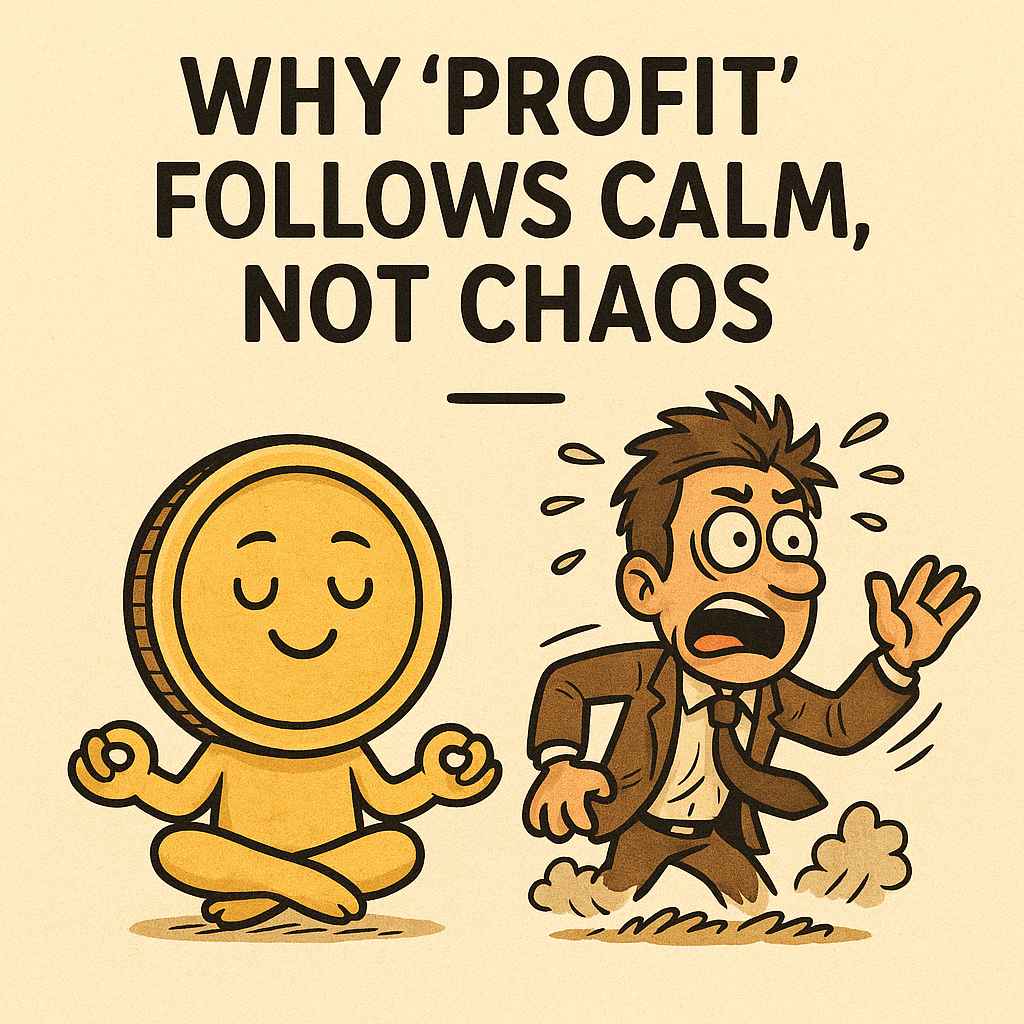
Why calm beats excitement
Excitement feels good. It makes trading feel alive. But it’s also dangerous. Excitement leads to impulsive decisions, and impulsive decisions lead to mistakes.
Calm, on the other hand, might feel boring. But boring is good in trading. Boring means controlled. It means you’re not being pulled in every direction.
And over time, calm consistency beats emotional highs every single time.
Training your mind to wait
Waiting isn’t easy. It goes against our natural instincts. We want action. We want results. But trading rewards those who can resist that urge.
Training your mind to wait takes practice. It’s not something you master overnight. But every time you skip a bad trade, you strengthen that muscle.
And eventually, waiting becomes your default instead of your struggle.
Building Habits That Attract Good Trades
Daily Routines That Create Clarity
Starting with intention, not reaction
How you start your trading day matters more than you think. If you jump straight into charts without a plan, you’re already behind.
Take a moment to set your intention. What are you looking for? What are you avoiding? That clarity acts like a filter—it keeps you from chasing random setups.
It’s a small habit, but it makes a big difference.
Reviewing before and after the market
Preparation isn’t just about what you do before trading—it’s also about what you do after. Reviewing your trades helps you learn, adjust, and improve.
But more importantly, it helps you stay honest. You can see where you followed your plan and where you didn’t.
And that awareness is the foundation of growth.
Developing Discipline Over Time
Consistency beats motivation
Motivation comes and goes. Some days you feel focused, other days you don’t. That’s normal. But discipline doesn’t rely on how you feel.
It’s about doing the right thing even when it’s uncomfortable. Even when you’re tempted to chase. Especially then.
And over time, those small disciplined choices add up.
Small wins that build confidence
You don’t build confidence by hitting big wins. You build it by doing the right thing repeatedly. Skipping a bad trade. Following your plan. Staying patient.
Those might seem like small victories, but they matter. They reinforce the habits that lead to long-term success.
And slowly, almost without noticing, you become the kind of trader who attracts good trades instead of chasing them.
The Reality Check Most Traders Avoid
Why Most People Never Stop Chasing


The addiction to action
Let’s be honest—trading can be addictive. The constant movement, the quick decisions, the emotional highs—it’s hard to walk away from that.
And that’s why so many traders keep chasing. Not because they don’t know better, but because they’re hooked on the feeling.
It’s uncomfortable to admit, but recognizing it is the first step to breaking free.
Ego and the need to be right
Ego plays a bigger role than most people realize. You want to catch the move. You want to prove you saw it coming. You want to be right.
But trading isn’t about being right—it’s about being consistent. And chasing trades usually comes from trying to prove something instead of following a plan.
Letting go of that ego isn’t easy. But it’s necessary.
What Happens When You Finally Let Go
Clarity replaces chaos
When you stop chasing, something shifts. The noise fades. The urgency disappears. And suddenly, things start making more sense.
You’re not overwhelmed anymore. You’re focused. You’re selective. And that clarity changes everything.
It’s like stepping out of a storm into calm air.
Trading becomes sustainable
Chasing trades is exhausting. It’s not something you can maintain long-term. But preparation? That’s sustainable.
It allows you to trade without burning out. Without constantly second-guessing yourself. Without feeling like you’re always behind.
And that’s where real progress happens.
Final Thoughts: Becoming the Trader Who Waits
There’s a certain confidence that comes from not needing to chase. It’s quiet, almost invisible, but it’s powerful. It shows up in your patience, your discipline, and your ability to sit still when nothing is happening.
That’s the kind of trader who lasts.
Attracting good trades isn’t about luck. It’s about preparation. It’s about creating a system, trusting it, and giving it time to work. It’s about resisting the urge to act just for the sake of action.
Because the truth is, the market isn’t going anywhere. Opportunities will always come. The question is—will you be ready when they do?
FAQs
1.What does “don’t chase trades” really mean?
It means avoiding impulsive decisions driven by fear or excitement. Instead of jumping into every opportunity, you wait for setups that align with your strategy and plan.
2.Why is preparation more important than taking more trades?
Preparation helps you identify high-quality opportunities and avoid unnecessary risks. More trades often lead to more mistakes, while better preparation leads to better decisions.
3.How can I stop feeling FOMO while trading?
Start by accepting that you can’t catch every move. Focus on your strategy and remind yourself that missing a trade is better than taking a bad one.
4.Is patience really that important in trading?
Yes, patience is one of the most critical skills. It allows you to wait for the right setups instead of forcing trades that don’t meet your criteria.
5.Can beginners apply this mindset too?
Absolutely. In fact, developing this mindset early can prevent many common mistakes and help build strong trading habits from the start.