

There’s something almost frustrating about the word patience. It doesn’t sparkle. It doesn’t promise quick wins or instant gratification. It doesn’t scream success the way bold strategies and aggressive moves do. And yet—quietly, consistently—it outperforms them all.
Look closely at any long-term success story, whether in trading, business, or even personal growth, and you’ll find patience sitting at the core like an invisible architect. It doesn’t get the spotlight, but it builds everything that lasts.
So why do so many people ignore it?
Because patience feels slow. And in a world addicted to speed, slow feels like failure.
But here’s the twist: slow is often the only thing that actually works.
The Illusion of Speed in a Fast-Paced World
We live in a time where everything moves at lightning speed. Information, money, trends—everything is designed to happen instantly. You click, you get. You want, you receive. That rhythm rewires your expectations.
And suddenly, patience starts to feel like a weakness.
Why Quick Wins Are So Tempting
The Dopamine Trap
Quick wins feel good—really good. They hit your brain like a burst of fireworks. Every small success releases dopamine, making you crave more of that immediate reward. It’s addictive in the same way social media notifications are.
But here’s the catch: those wins rarely last.
They’re like sugar—sweet, satisfying, and ultimately empty. You keep chasing them, but they don’t build anything meaningful underneath. You end up exhausted, not accomplished.
The False Sense of Control
Fast decisions give you the illusion that you’re in control. You act, something happens, and you feel powerful. But control without direction is just noise.
It’s like steering a car at high speed without knowing the destination. You’re moving, sure—but are you actually going anywhere useful?
How Impatience Leads to Costly Mistakes
Emotional Decisions Over Rational Thinking
Impatience thrives on emotion. When you rush, you don’t think—you react. And reactions are rarely strategic.
In trading, for example, jumping into a position because you “feel like it’s the right moment” often leads to losses. Not because the market is unfair, but because you didn’t wait for clarity.
Burnout Disguised as Productivity
Constant action feels productive, but it often leads to burnout. You’re always doing something, yet nothing seems to stick.
It’s like running on a treadmill—you’re moving, sweating, working hard… but you’re still in the same place.
Patience as a Strategic Advantage
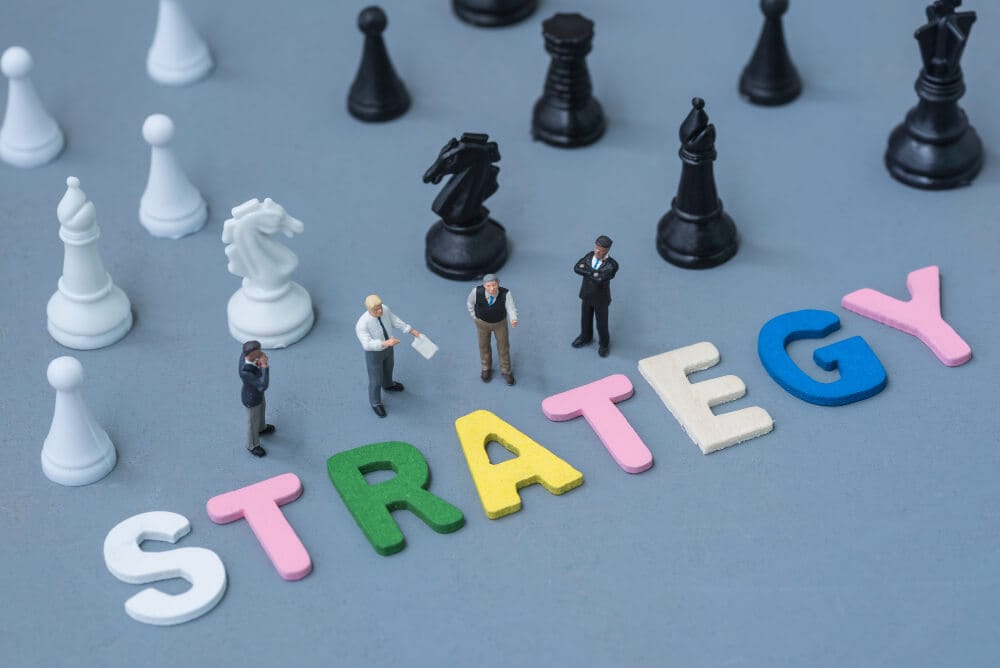
Now let’s flip the perspective.
What if patience isn’t about waiting passively, but about choosing the right moment? What if it’s not slow—but precise?
Because that’s what real patience looks like.
The Power of Waiting for the Right Opportunity
Timing Beats Speed
Speed gets attention. Timing gets results.
Think about it—making the right move at the wrong time is just as bad as making the wrong move altogether. Patience gives you the clarity to act when it actually matters.
It’s like fishing. You don’t just throw the line anywhere and hope for the best. You study the water, understand the conditions, and wait. Then, when the moment is right—you act.
Selective Action Creates Better Outcomes
Patience filters out noise.
Instead of reacting to every opportunity, you choose only the ones that align with your strategy. That alone dramatically improves your success rate.
It’s not about doing more—it’s about doing less, but better.
Building Discipline Through Patience
The Muscle You Didn’t Know You Needed
Patience is like a muscle. At first, it feels uncomfortable. You want to act, to move, to do something. Sitting still feels unnatural.
But over time, it strengthens your discipline.
And discipline is what separates consistent performers from everyone else.
Resisting the Urge to Act
Sometimes, the best move is no move at all.
That sounds counterintuitive, especially in environments like trading or business where action is rewarded. But knowing when not to act is a skill few people master.
And that skill? It’s powered by patience.
The Role of Patience in Forex and Trading
Let’s get real for a moment.
If there’s one place where impatience destroys people quickly, it’s the forex market. It’s fast, volatile, and emotionally intense. Perfect conditions for bad decisions.
Why Most Traders Fail Without Patience
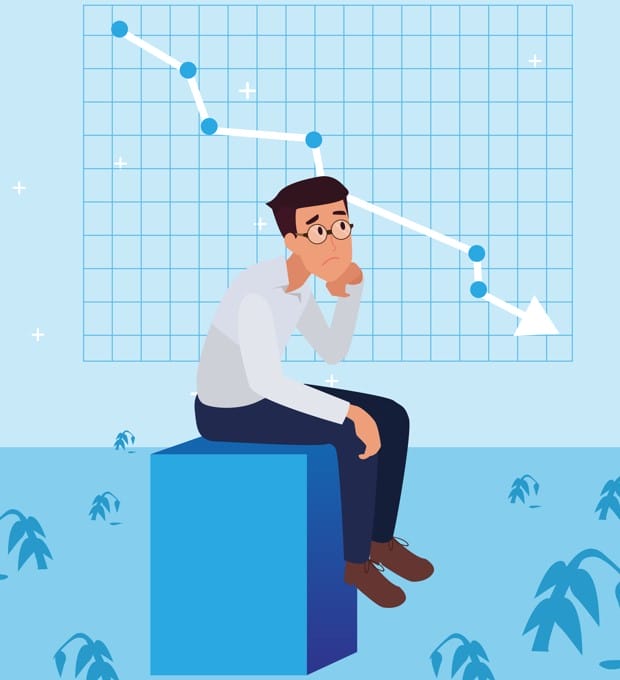
Overtrading and Its Hidden Costs
Overtrading is one of the most common mistakes. You see movement, you jump in. Again and again.
But each trade carries risk. And when you stack too many trades without proper analysis, you’re not trading—you’re gambling.
Patience forces you to step back and ask: Is this really worth it?
Chasing Losses Instead of Learning
Losses hurt. And impatience makes them worse.
Instead of accepting a loss and learning from it, many traders rush to recover it immediately. That usually leads to bigger losses.
It becomes a cycle—one driven entirely by the inability to wait.
Patience as the Core of a Winning Strategy
Letting Trades Breathe
A good trade needs time.
But impatience cuts it short. You exit too early because you’re afraid of losing profits. Or you hold too long because you hope things will turn around.
Patience helps you trust your strategy and let the trade play out as planned.
Trusting the Process Over Outcomes
One of the hardest things to do is trust a process when results aren’t immediate.
But that’s exactly where patience becomes powerful.
Instead of focusing on every single outcome, you focus on consistency. Over time, that consistency compounds into success.
Emotional Control: The Hidden Side of Patience
Patience isn’t just about time—it’s about emotion.
If you can’t control how you feel, you can’t control how you act. And if you can’t control your actions, your strategy doesn’t matter.
Understanding Emotional Triggers
Fear and Greed as Silent Drivers
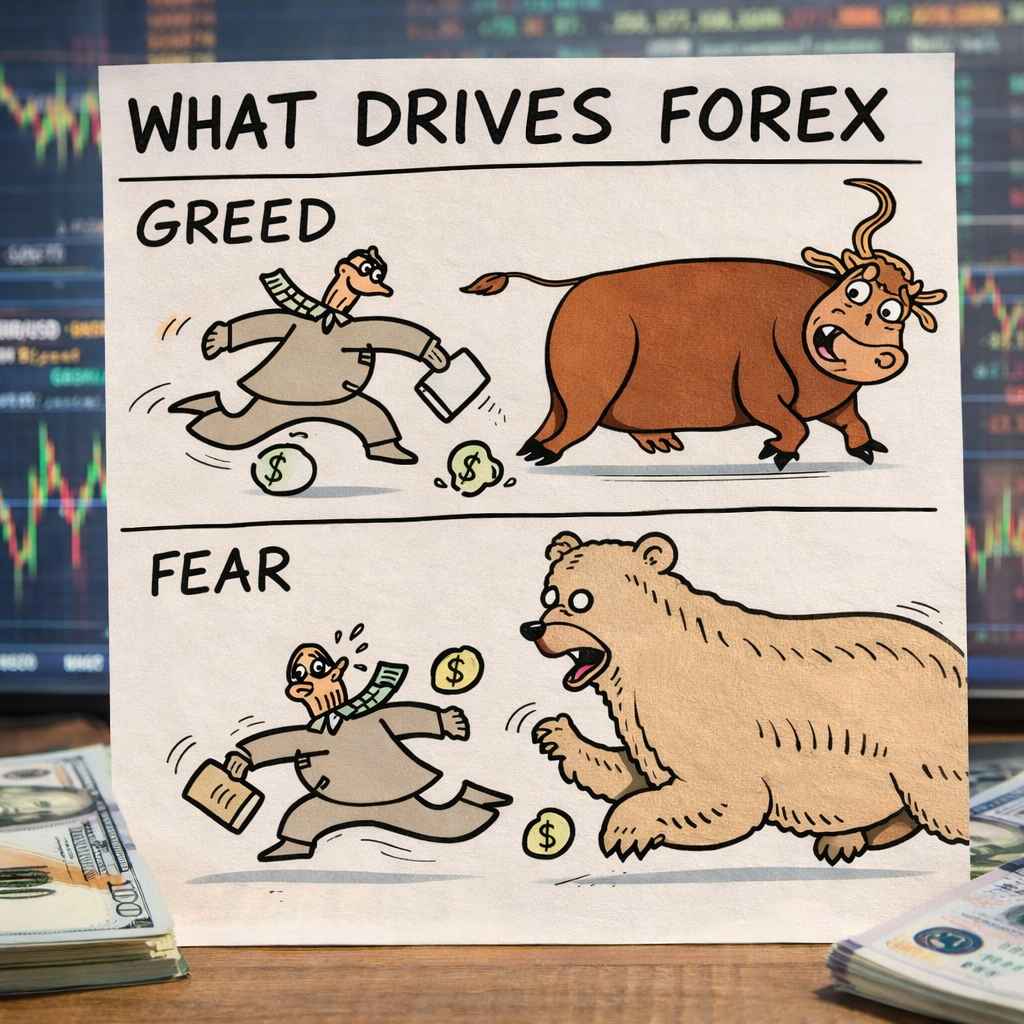
Fear and greed don’t shout—they whisper.
Fear tells you to exit too soon. Greed tells you to hold on too long. Both push you away from rational decisions.
Patience acts as a buffer. It gives you space between feeling and action.
The Power of Pausing
Sometimes, all you need is a pause.
A few seconds, a deep breath, a moment to step back. That pause can prevent decisions you’d regret later.
It’s simple—but incredibly effective.
Training Your Mind for Long-Term Thinking
Shifting from Immediate to Strategic
Impatience is rooted in short-term thinking.
You want results now. You judge success based on what happens today, not over time.
Patience shifts that mindset. It helps you think in terms of weeks, months, even years.
And that’s where real growth happens.
Accepting Uncertainty
Here’s a tough truth: you can’t control everything.
Markets fluctuate. Life changes. Outcomes vary.
Patience teaches you to accept that uncertainty without panic. You stay grounded, even when things don’t go as planned.
Practical Ways to Cultivate Patience
Let’s be honest—patience doesn’t come naturally to most people. It has to be built, like any other skill.
And yes, it takes time. Ironically.
Creating Systems That Support Patience
Clear Rules Reduce Impulse
When you have clear rules, you don’t rely on emotion.
You know when to act, when to wait, and when to walk away. That structure makes patience easier because the decision isn’t based on how you feel.
It’s based on what you’ve already decided.
Tracking Progress Instead of Outcomes
Focusing only on results can be frustrating.
Instead, track your behavior. Did you follow your strategy? Did you wait for the right setup?
That shift changes everything. You start valuing discipline over immediate success.
Developing a Long-Term Perspective

Zooming Out Changes Everything
When you zoom out, short-term fluctuations become less significant.
A bad day doesn’t feel like a disaster. A small win doesn’t feel like a breakthrough.
You see the bigger picture—and that naturally encourages patience.
Understanding the Power of Compounding
Small, consistent actions build over time.
It’s like planting seeds. You don’t see growth immediately, but that doesn’t mean nothing is happening.
Patience allows you to trust that process.
Why Patience Feels So Difficult—And Why That’s a Good Thing
Let’s not sugarcoat it—patience is hard.
It goes against your instincts. It challenges your emotions. It forces you to slow down in a world that rewards speed.
And that’s exactly why it works.
The Discomfort That Builds Strength
Growth Happens in the Pause
When you resist the urge to act, you create space for growth.
You think more clearly. You analyze more deeply. You act more intentionally.
That pause isn’t empty—it’s powerful.
Learning to Sit with Uncertainty
Uncertainty is uncomfortable.
But avoiding it doesn’t make it go away. Patience helps you sit with that discomfort without reacting impulsively.
Over time, that becomes a superpower.
The Competitive Edge Most People Ignore
Doing Less to Achieve More
Most people are busy doing everything.
Patient individuals focus on doing the right things.
That difference might seem small, but it changes everything.
Standing Out by Slowing Down

In a fast-moving world, slowing down makes you stand out.
Not because you’re inactive—but because you’re deliberate.
And deliberate action beats random action every single time.
Final Thoughts: The Quiet Strategy That Wins
Patience doesn’t promise excitement. It doesn’t deliver instant results. And it definitely doesn’t feel easy.
But it works.
It filters out noise, sharpens your decisions, and builds discipline. It protects you from emotional mistakes and helps you focus on what actually matters.
In trading, in business, in life—patience isn’t just a virtue.
It’s a strategy.
And not just any strategy—the most powerful one you have.
FAQs
1.What makes patience so important in trading?
Patience allows traders to wait for high-quality opportunities instead of reacting to every market movement. This reduces risk and improves decision-making.
2.Can patience really improve long-term success?
Absolutely. Consistent, patient actions compound over time, leading to more stable and sustainable growth compared to impulsive decisions.
3.Why is it so hard to stay patient?
Human psychology favors immediate rewards. Emotions like fear and greed push people to act quickly, making patience feel uncomfortable.
4.How can I practice patience daily?
Start by setting clear rules, pausing before decisions, and focusing on long-term goals instead of instant results. Small habits build over time.
5.Is patience the same as doing nothing?
Not at all. Patience is about waiting for the right moment to act, not avoiding action entirely. It’s strategic, not passive.