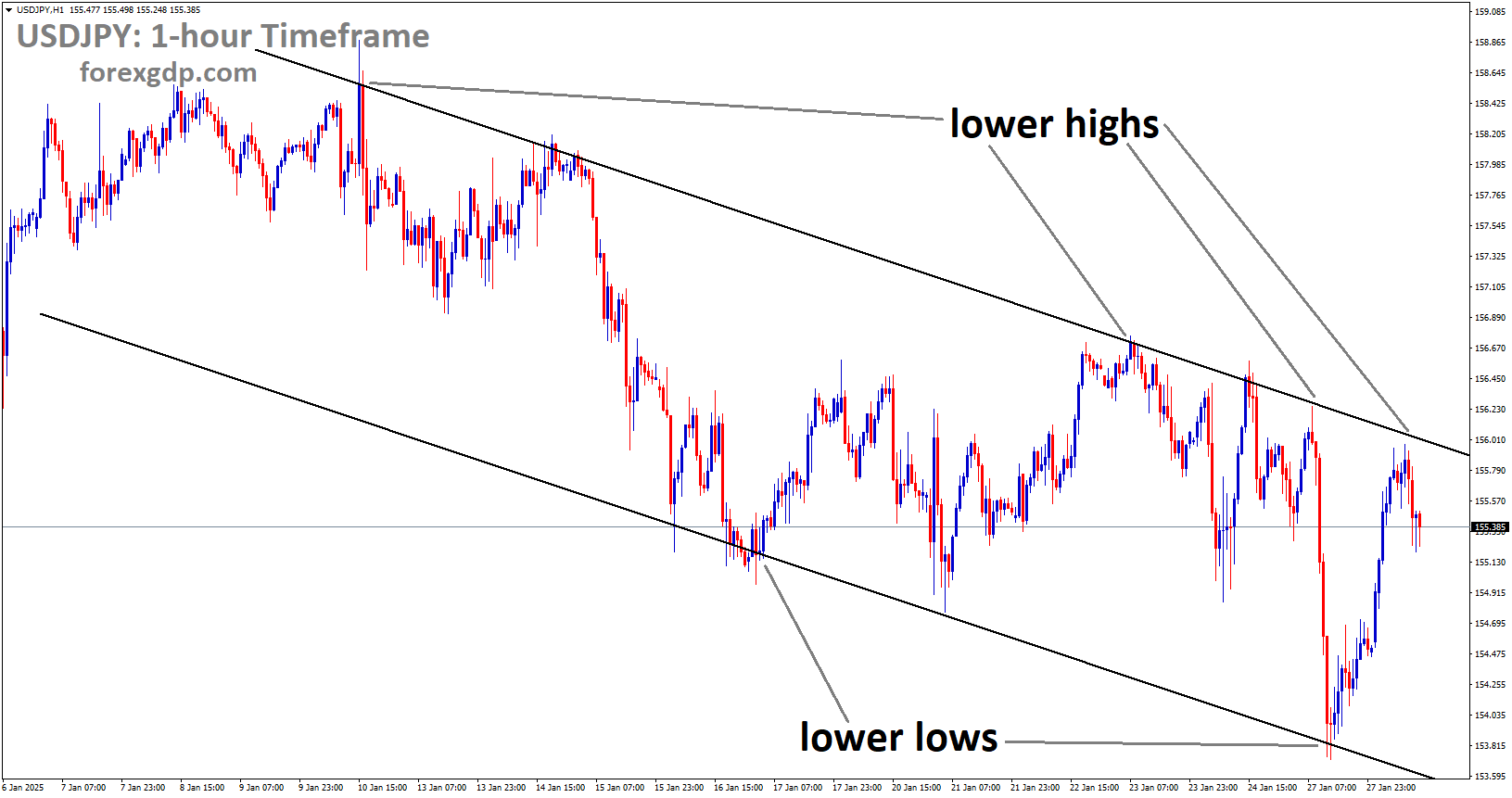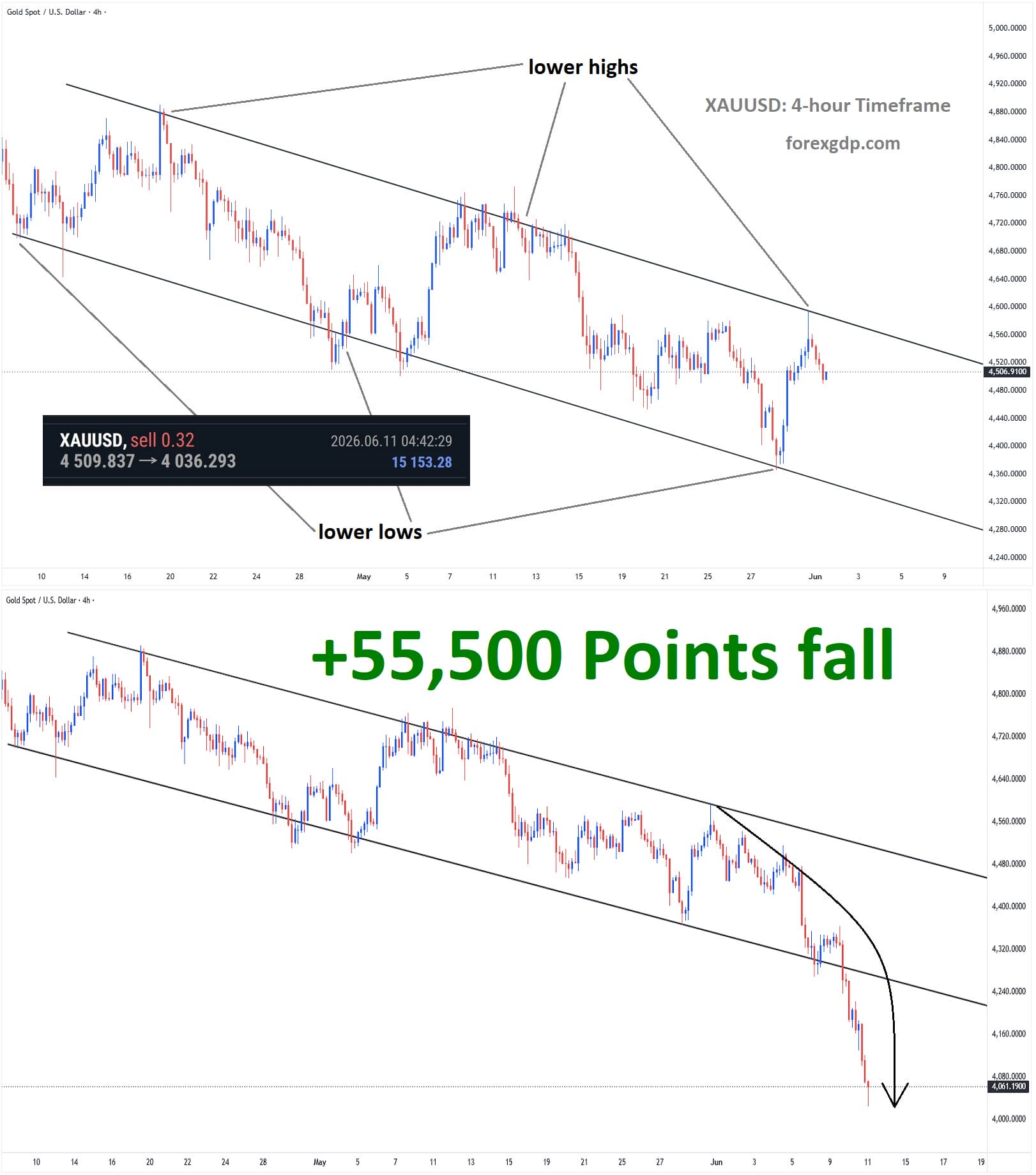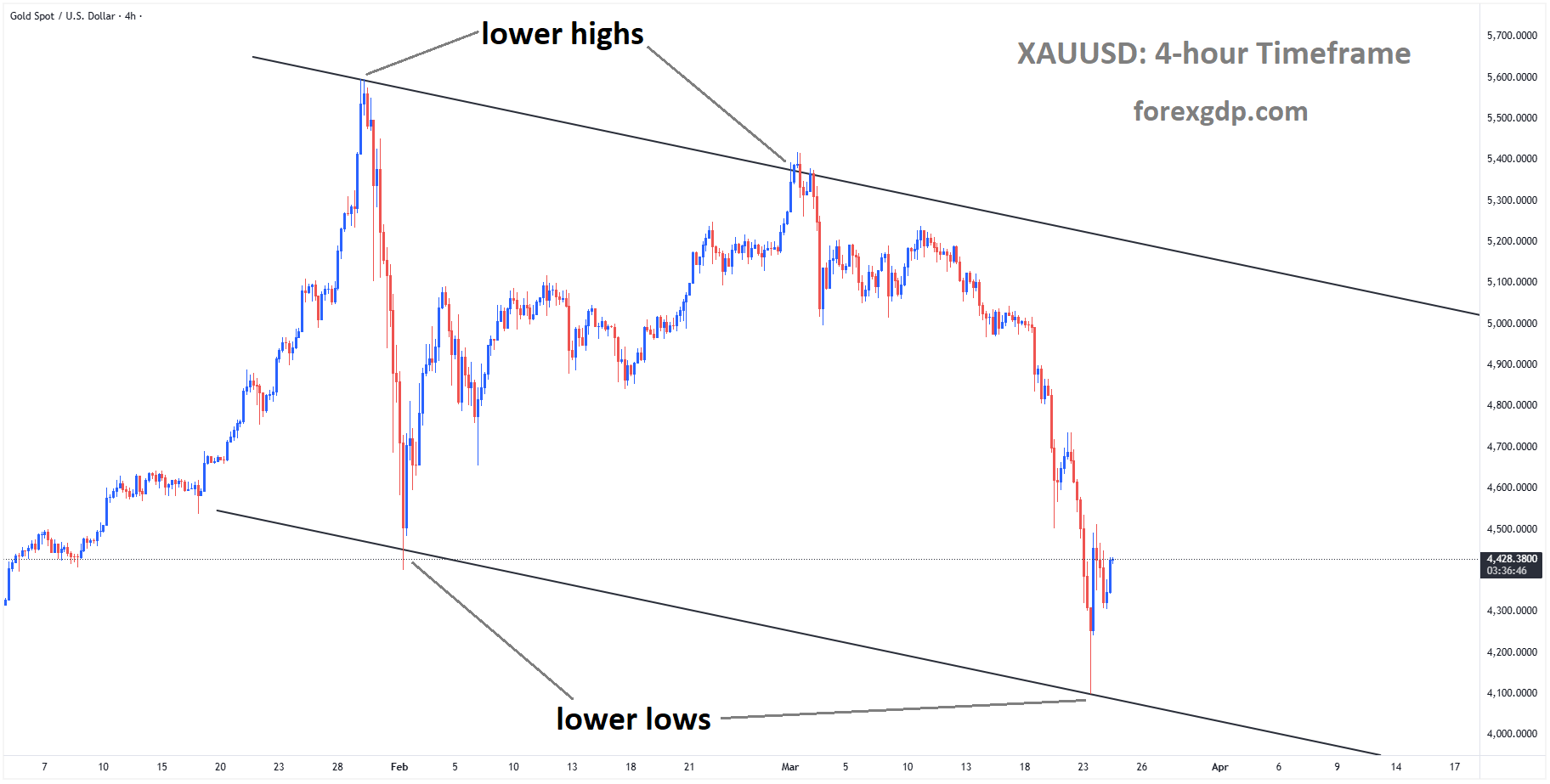
XAUUSD is moving in a descending channel market has rebounded from the lower low area of the channel
Gold has once again shown its resilience by recovering from early losses and moving higher during the European trading session. While the precious metal managed to regain strength and climb above key levels, its upward momentum appears limited. A mix of global tensions, central bank policies, and currency movements continues to shape the direction of gold prices.
The current environment reflects a delicate balance. On one hand, geopolitical risks are pushing investors toward safe-haven assets like gold. On the other, rising interest rates and a stronger US Dollar are preventing any strong rally.
Gold’s Recovery Reflects Ongoing Uncertainty
Gold’s ability to bounce back after early declines highlights how sensitive the market remains to global developments. Investors often turn to gold when uncertainty rises, and recent geopolitical tensions have played a key role in supporting demand.
The ongoing conflict involving Iran has added to the uneasy mood across financial markets. Concerns about how the situation might evolve have made traders cautious, encouraging some to move funds into safer assets. Gold, being one of the oldest and most trusted stores of value, naturally benefits in such situations.
However, even though gold is gaining support from these fears, its growth is not as strong as one might expect. This is largely because other powerful factors are working against it at the same time.
Central Banks and Interest Rate Expectations Limit Gains
One of the biggest challenges for gold right now is the stance taken by major central banks. Many central banks are maintaining a firm, or “hawkish,” approach toward monetary policy. This means they are more focused on controlling inflation than supporting economic growth.
Why Higher Interest Rates Matter
Gold does not offer interest or yield. So, when interest rates rise, investors often prefer assets that generate returns, such as bonds. This reduces the appeal of gold.
Recent developments suggest that central banks may not only keep interest rates high but could even consider increasing them further if inflation pressures continue. The ongoing geopolitical situation, especially involving energy markets, has raised concerns that inflation could rise again.
As a result, expectations are shifting. Instead of anticipating rate cuts, many traders are now preparing for the possibility of rate hikes in the coming months. This shift is significant and directly impacts gold’s potential to move higher.
The Role of Inflation Concerns
The conflict involving Iran has also affected global energy supply. Reports of pressure on energy infrastructure and disruptions in key shipping routes have pushed oil prices higher. Rising energy costs can lead to broader inflation, which central banks try to control through higher interest rates.
This creates a challenging situation for gold. While inflation fears can sometimes support gold prices, the response from central banks—raising rates—often works against it.
Strong US Dollar Adds Pressure on Gold

Another major factor limiting gold’s upside is the strength of the US Dollar. Gold is priced in US Dollars, so when the currency becomes stronger, gold becomes more expensive for buyers using other currencies. This typically reduces demand.
Rising Bond Yields Boost the Dollar
US Treasury bond yields have been moving higher, reflecting expectations of tighter monetary policy. When yields rise, they attract investors seeking better returns, which increases demand for the US Dollar.
A stronger Dollar usually puts downward pressure on gold prices. Even when gold tries to recover, the presence of a firm currency often caps its gains.
Shift in Market Expectations
Market participants have adjusted their expectations significantly. Earlier, there was hope that central banks, especially the US Federal Reserve, might ease policies and lower rates. Now, those expectations have largely faded.
Instead, there is growing belief that rates could stay elevated or even rise further. This change has strengthened the Dollar and made it harder for gold to sustain strong upward moves.
Geopolitical Tensions Continue to Offer Support
Despite the challenges, gold is not without support. The ongoing geopolitical situation remains a key factor preventing a sharp decline in prices.
Uncertainty Around the Iran Conflict
Recent developments suggest that the conflict involving Iran may not be resolved anytime soon. Statements from Iranian officials indicate that the situation could continue until certain conditions are met, adding to uncertainty.
There have also been conflicting signals about potential negotiations, which has further complicated the outlook. This lack of clarity keeps investors on edge and maintains demand for safe-haven assets.
Impact on Global Markets
Tensions in the Middle East often have a wider impact on global markets, especially through energy prices. When key supply routes are disrupted or threatened, it can lead to higher oil prices and increased market volatility.
This environment encourages cautious trading behavior. Investors tend to avoid taking large risks and may hold onto assets like gold as a form of protection.
What Traders Are Watching Next
As the situation evolves, traders are closely monitoring both economic data and geopolitical developments. One key focus is upcoming global economic reports, which can provide insights into the health of major economies.
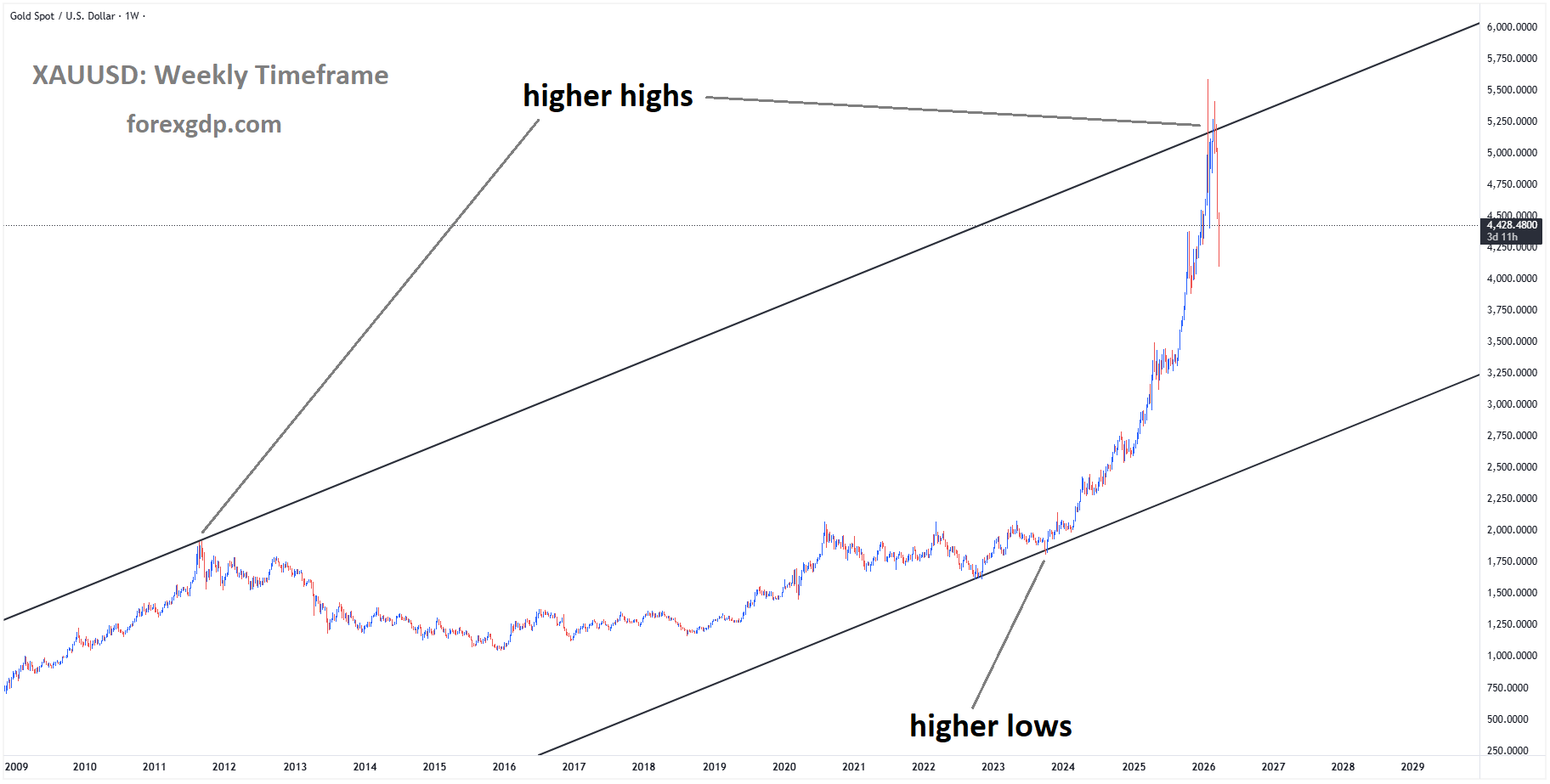
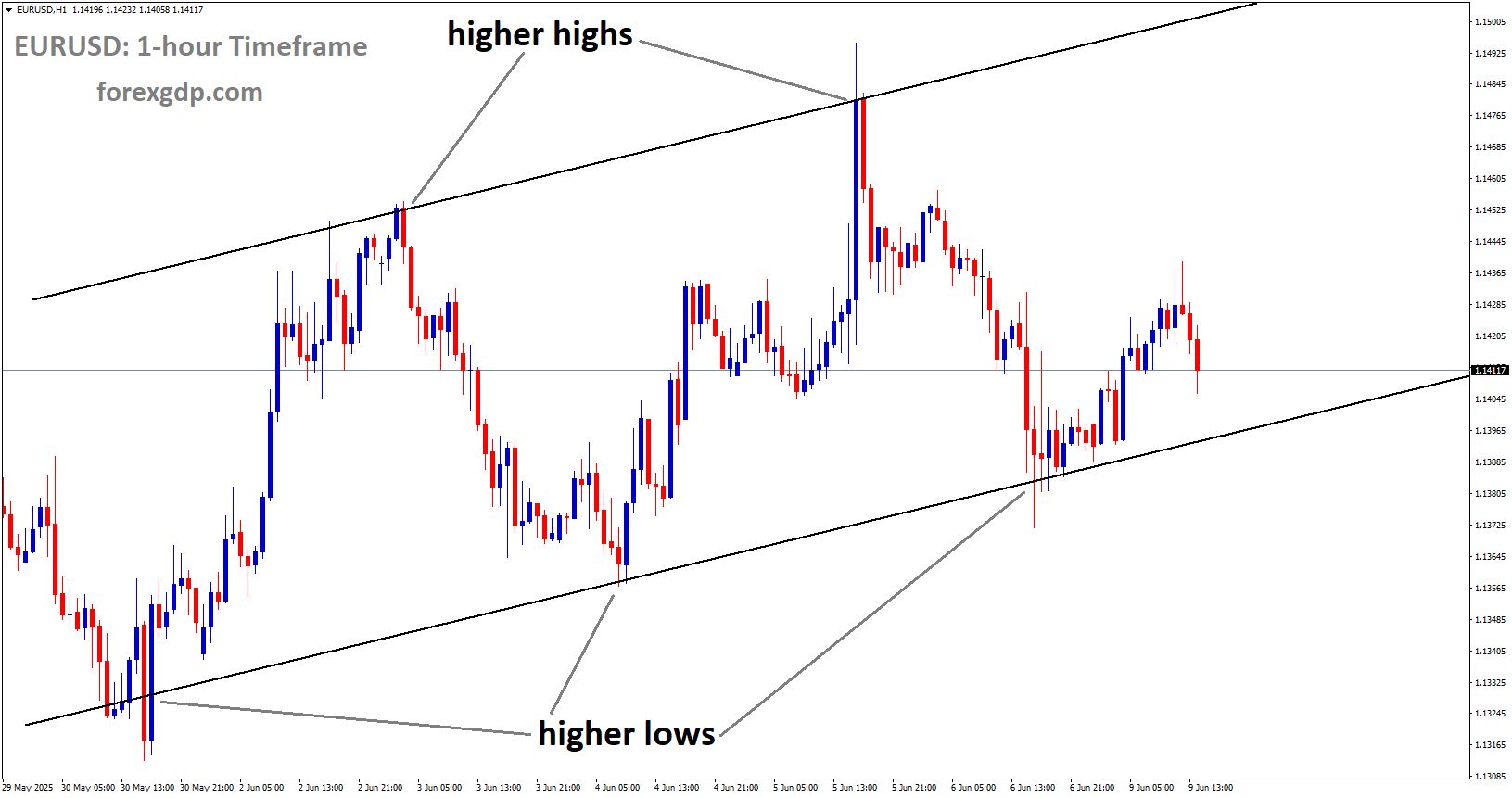
XAUUSD is moving in an uptrend channel, and the market has fallen from the higher high area of the channel
These reports may influence expectations around interest rates and overall market sentiment. Any signs of economic strength or weakness could shift the outlook for both currencies and commodities, including gold.
At the same time, updates related to the Middle East conflict will remain critical. Any signs of escalation or de-escalation can quickly impact market behavior and gold prices.
Final Summary
Gold has managed to recover from early losses, showing its role as a safe-haven asset during uncertain times. Ongoing geopolitical tensions, particularly involving Iran, continue to support demand and prevent sharp declines.
However, strong headwinds are limiting its upward potential. Central banks are maintaining a firm stance on interest rates, and rising bond yields are strengthening the US Dollar. These factors reduce the attractiveness of gold compared to other assets.
The current situation reflects a balance between fear and financial policy. While uncertainty keeps gold supported, higher interest rates and a stronger currency are holding it back. As global developments unfold, gold is likely to remain sensitive to both economic signals and geopolitical events.