

Trading has a strange way of exposing every weakness hidden inside a person. Fear suddenly becomes louder. Greed becomes harder to control. Patience disappears like smoke in the wind. One losing trade can ruin a peaceful morning, while one winning trade can make someone feel invincible. Yet through all that emotional chaos, the chart remains completely untouched. It does not care about frustration, hope, revenge, excitement, or desperation. The market simply moves.
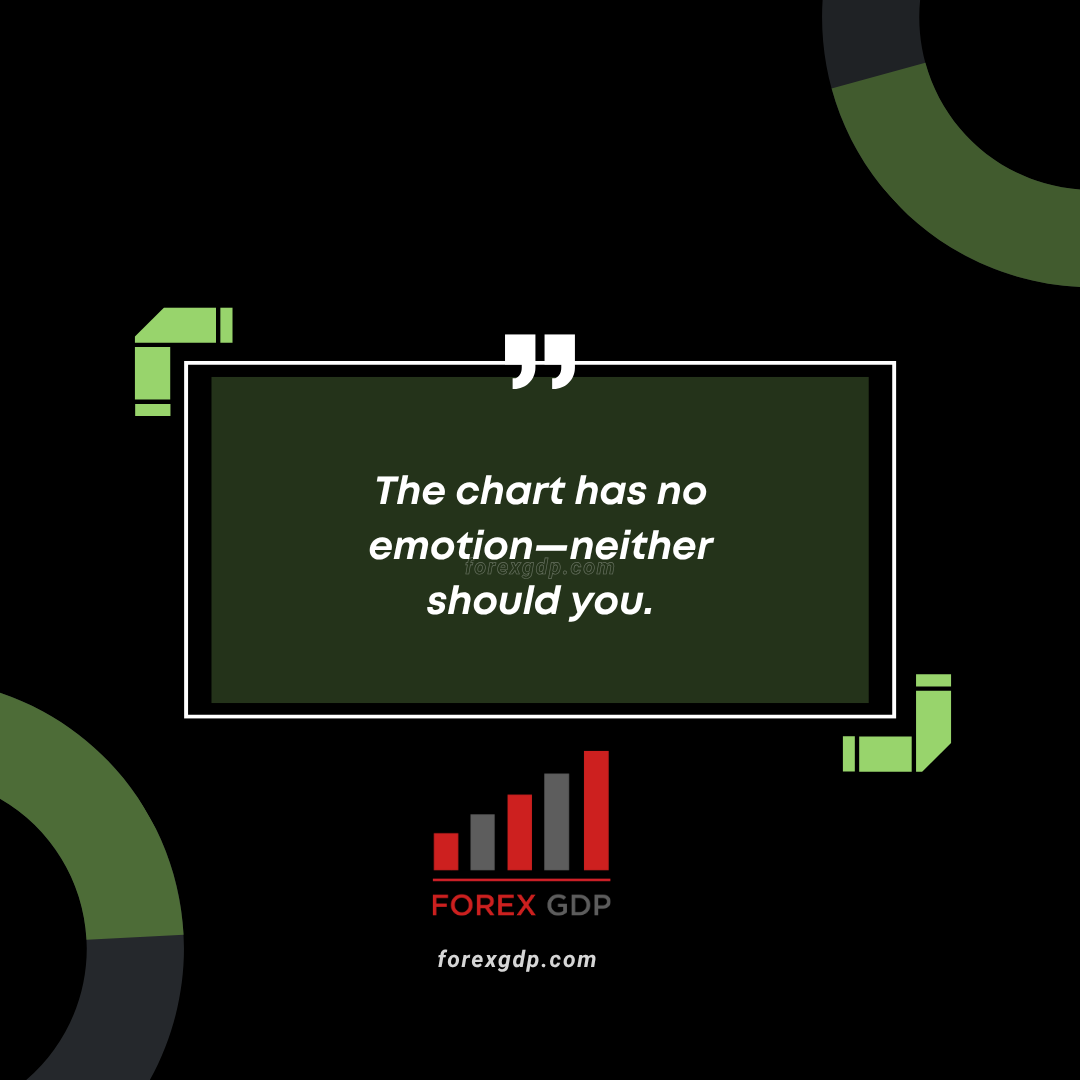
That brutal truth separates disciplined traders from emotional gamblers. The quote, “The chart has no emotion—neither should you,” carries more weight than most people realize. It sounds simple, almost cold, but it captures the psychological battle behind every trade. Markets reward logic and punish emotional reactions. The moment feelings begin driving decisions, cracks start forming in the foundation.
People often imagine trading as a glamorous lifestyle filled with fast profits and luxury. Social media only feeds that illusion. Screens filled with green candles, expensive cars, and exaggerated success stories make trading look easy. But behind the scenes, trading is more like a mental endurance test. It is a lonely game where emotional discipline matters far more than excitement.
The chart is not your friend. It is not your enemy either. It is simply a reflection of price movement. Treating it emotionally is like yelling at the rain because your clothes got wet. The market does not respond to personal feelings. That realization can feel uncomfortable at first, but it is also incredibly freeing.
Why Emotions Destroy More Traders Than Bad Strategies
Many traders spend years searching for the perfect strategy while completely ignoring their emotional habits. They jump from indicator to indicator like someone chasing magic in a desert. One week it is moving averages. The next week it is smart money concepts. After that, some complicated system with colorful signals that looks more like a spaceship dashboard than a trading chart.
But the ugly truth remains the same. A mediocre strategy with emotional control often outperforms an excellent strategy managed by panic and greed. The market does not just test technical knowledge. It tests emotional stability under pressure.
Fear Makes Traders Hesitate at the Worst Moments
Fear sneaks into trading quietly. Sometimes it arrives after a painful loss. Other times it appears because of uncertainty. Suddenly, a trader who confidently analyzed the market begins second-guessing every move.
The frustrating part is that fear rarely protects traders the way they expect. Instead of avoiding danger, fear often causes hesitation during valid setups. A trader watches the perfect opportunity appear, waits too long, and then sees the trade move exactly as predicted without them. That feeling burns.
The Memory of Loss Becomes a Mental Trap
Losses leave emotional fingerprints behind. A trader may lose heavily on one setup and unconsciously avoid similar opportunities later. The mind starts creating invisible danger signs even when the market conditions are completely different.
That emotional memory becomes dangerous because trading requires consistency. If every previous loss creates hesitation, decision-making slowly turns into chaos. Instead of following a plan, traders begin reacting emotionally to past pain.
Fear Creates Smaller Wins and Bigger Regrets
Fear does not only stop traders from entering positions. It also forces them to exit too early. A trade moves slightly into profit, panic kicks in, and the position gets closed immediately.
Meanwhile, losses are often left open longer because traders desperately hope the market will reverse. That imbalance creates a painful cycle where small gains get collected quickly while larger losses slowly drain the account. Emotion quietly flips logic upside down.
Greed Turns Discipline Into Recklessness
Greed feels exciting at first. Winning streaks create confidence, and confidence can easily transform into arrogance. Traders begin believing they understand the market completely. Position sizes increase. Risk management disappears. Patience vanishes.
The market has a cruel sense of humor when it comes to arrogance. Just when someone starts feeling unstoppable, one reckless trade can erase weeks of profits. Greed often whispers dangerous ideas disguised as confidence.
Overtrading Comes From Emotional Hunger
Not every market condition deserves a trade. Some days are messy, unpredictable, and emotionally draining. Yet many traders feel an uncontrollable urge to stay active.
That emotional hunger leads to overtrading. People begin forcing setups that do not exist. It becomes similar to gambling at a casino after midnight, desperately trying to recover losses or multiply gains. The chart becomes a slot machine instead of a structured decision-making tool.
Big Wins Can Become Emotional Poison
Oddly enough, huge profits can damage traders more than losses. A massive winning trade creates emotional euphoria. Suddenly, ordinary gains feel boring. Traders begin chasing unrealistic returns because their emotional expectations have changed.
This is where discipline often collapses. The trader stops respecting risk because previous success creates an illusion of control. But markets are unpredictable creatures. They humble overconfidence quickly and without mercy.
Revenge Trading Is Emotional Chaos in Action

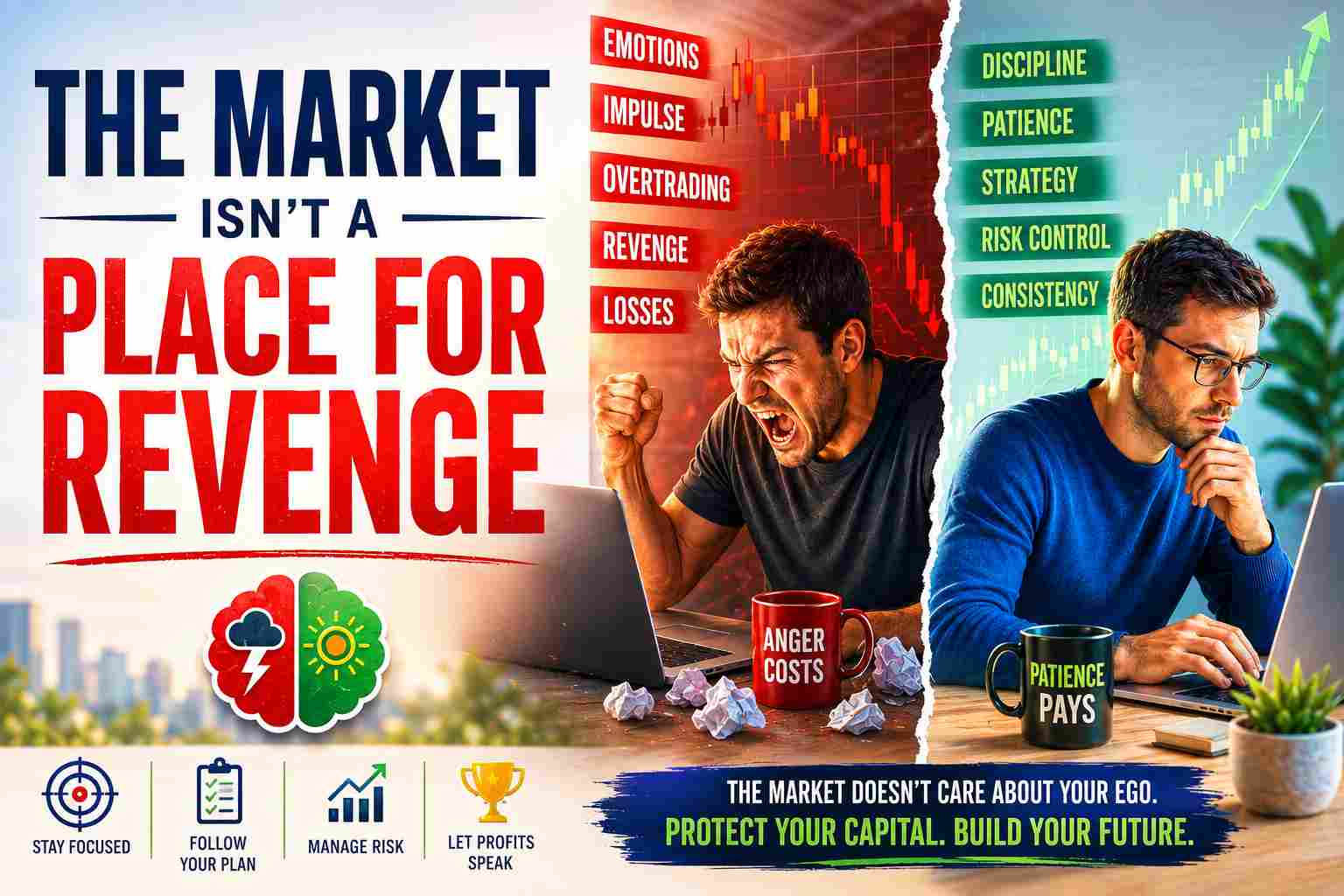
Nothing exposes emotional instability faster than revenge trading. After a painful loss, some traders feel personally attacked by the market. Instead of calmly reassessing conditions, they immediately jump back in.
Revenge trading is not really about making money. It is about emotional recovery. Traders want to erase the pain of being wrong. Unfortunately, emotional decisions usually create even larger losses.
The Market Is Not Fighting Against You
One of the most dangerous mental habits in trading is taking losses personally. The market is not targeting anyone specifically. It does not know your stop loss exists.
Thinking emotionally creates imaginary battles. Traders begin acting like soldiers trying to defeat the market rather than analysts interpreting probabilities. That mindset clouds judgment and increases impulsive decisions.
Patience Feels Boring but Saves Accounts
Patience rarely gets celebrated because it looks unexciting. Waiting for clean setups feels slow compared to the adrenaline rush of constant action.
Yet patience is one of the strongest emotional weapons a trader can develop. Professional traders understand that sometimes the smartest decision is doing absolutely nothing. The market will always provide another opportunity.
The Psychology Behind Emotionless Trading
Emotionless trading does not mean becoming a robot. Human beings naturally feel emotions. Fear, excitement, disappointment, and hope are impossible to erase completely. The real goal is learning how to avoid letting those emotions control decisions.
Think about a pilot flying through turbulence. Panic might exist internally, but training prevents emotional reactions from taking over. Trading works the same way. Emotional discipline creates structure during uncertainty.
Discipline Creates Freedom in the Market
Ironically, strict discipline creates more emotional peace. Traders who follow clear systems spend less time battling internal chaos because their decisions are already structured.
Without discipline, every candle becomes emotionally exhausting. Every movement feels personal. Every trade turns into psychological warfare.
Rules Reduce Emotional Noise
A trading plan acts like a map during a storm. It provides clarity when emotions start becoming loud.
Traders without rules constantly improvise under pressure. That usually ends badly. Emotional decision-making during volatility is like trying to build a parachute while falling from the sky.
Consistency Builds Emotional Stability
Random behavior creates random results. Traders who constantly switch strategies rarely build confidence because nothing remains consistent long enough to measure properly.
Consistency builds emotional trust. When traders know exactly why they entered or exited a trade, emotional reactions become easier to manage. Even losses feel less painful because they are part of a structured process.
Detachment Helps Traders Think Clearly


Many traders become emotionally attached to predictions. They desperately want to be right. That attachment creates tunnel vision.
The market does not reward ego. It rewards adaptability. Traders who detach emotionally from predictions can react objectively when conditions change.
Being Wrong Is Part of the Business
No trader wins every trade. Even elite professionals experience losses regularly. The difference is that experienced traders do not view losses as personal failures.
A single losing trade is simply data. It is feedback, not a character judgment. Emotional traders struggle because they connect losses to self-worth.
Flexibility Beats Stubbornness
The market changes constantly. Trends reverse. News shifts sentiment. Volatility appears unexpectedly.
Emotionally attached traders often refuse to adapt because admitting they are wrong hurts the ego. Flexible traders survive longer because they prioritize reality over pride.
Confidence and Calmness Are Not the Same Thing
Many beginners confuse emotional excitement with confidence. Real confidence actually looks calm.
Professional traders rarely scream with excitement after winning trades. They understand that one outcome means very little in the bigger picture.
Calm Traders Focus on Probability
Emotionally reactive traders obsess over individual trades. Calm traders focus on long-term probabilities.
That shift changes everything. Losses become manageable because they are expected within the overall strategy. Emotional pressure decreases significantly when traders stop treating every trade like a life-changing event.
Emotional Neutrality Protects Decision-Making
Neutrality allows traders to interpret information objectively. Emotional highs and lows distort judgment.
Imagine trying to drive through thick fog. Emotional reactions create that same lack of clarity. Neutral thinking removes unnecessary psychological fog from trading decisions.
How Social Media Fuels Emotional Trading
Modern trading culture creates unrealistic expectations. Social media platforms are flooded with screenshots showing massive profits, luxury lifestyles, and exaggerated success stories.
Very few people openly discuss emotional struggles, blown accounts, or painful mistakes. That creates a distorted perception of reality.
Comparison Destroys Focus

Watching other traders post giant profits can create emotional pressure. Suddenly, ordinary progress feels insignificant.
Comparison quietly destroys discipline because traders stop focusing on their own systems. Instead, they begin chasing unrealistic results.
Everyone Shows the Highlights
Social media operates like a movie trailer. People display the exciting moments while hiding the failures.
Many traders fall into emotional frustration because they compare their real lives to someone else’s edited highlight reel. That mental habit creates impatience and reckless behavior.
Fast Money Fantasies Create Dangerous Habits
The promise of instant wealth attracts emotional decision-makers. Traders start expecting unrealistic growth within short periods.
That mindset encourages oversized risks and impulsive trades. Sustainable trading rarely looks glamorous. It often feels repetitive and boring.
Noise Makes Emotional Clarity Harder
Thousands of opinions exist online. One trader says buy. Another says sell. A third predicts a market crash.
Consuming endless opinions creates emotional confusion. Traders lose confidence in their own analysis and begin reacting emotionally to external noise.
Following Too Many Traders Creates Paralysis
Constantly switching perspectives damages confidence. Traders become trapped in endless uncertainty because every opinion sounds convincing.
Decision paralysis often follows. People hesitate, overanalyze, and emotionally exhaust themselves before placing trades.
Silence Can Improve Performance
Sometimes the best thing a trader can do is disconnect from the noise completely.
Quiet environments improve emotional clarity. Without constant external influence, traders can focus on structure, discipline, and objective analysis.
Trading Is More Mental Than Most People Admit
Technical analysis matters, but psychology often matters more. Emotional discipline determines whether traders actually follow their strategies consistently.
Many profitable systems fail simply because people cannot control themselves emotionally.
Stress Changes Decision Quality
High emotional stress damages judgment. Traders begin reacting impulsively rather than logically.
The brain struggles to process information clearly during emotional overload. That is why emotional management matters just as much as technical knowledge.
Mental Recovery Matters Too
Burnout silently destroys performance. Staring at charts endlessly creates emotional fatigue.
Sometimes stepping away from the market is the smartest decision possible. Rest improves clarity, patience, and emotional balance.
Building the Mindset of an Emotionally Controlled Trader
Emotional discipline is not something people magically develop overnight. It is built slowly through repetition, self-awareness, and painful lessons.
The market has a way of exposing emotional weaknesses repeatedly until traders either improve or quit.
Accepting Uncertainty Changes Everything

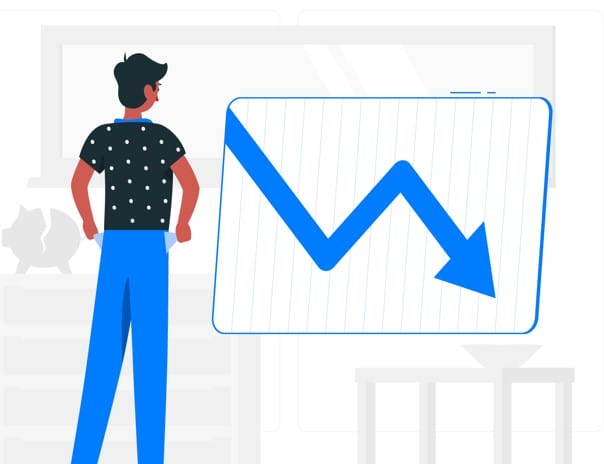
Many emotional struggles come from trying to control outcomes. Traders desperately want certainty in an environment built entirely on probability.
Accepting uncertainty removes unrealistic expectations. No setup is guaranteed. No strategy wins every time.
Probabilities Matter More Than Predictions
Trading is not fortune-telling. It is probability management.
Emotionally mature traders stop obsessing over being right every single time. Instead, they focus on whether their actions make sense over large sample sizes.
Control the Risk, Not the Market
The market itself cannot be controlled. Risk can.
That mindset shift creates emotional stability because traders stop fighting reality. Instead of forcing outcomes, they manage exposure intelligently.
Routine Helps Calm Emotional Reactions
Athletes rely on routines because structure reduces emotional inconsistency. Traders benefit from the same principle.
Random behavior usually produces emotional chaos.
Preparation Reduces Panic
Entering the market without preparation is like entering a storm without shelter.
Prepared traders feel calmer because they already understand possible scenarios before trades begin.
Reflection Creates Emotional Growth
Keeping track of emotional reactions helps traders identify destructive patterns.
Some losses are strategic mistakes. Others are emotional mistakes. Recognizing the difference speeds up improvement dramatically.
Long-Term Thinking Defeats Emotional Impulses
Short-term emotional reactions often disappear when traders zoom out and focus on the bigger picture.
One trade means very little across hundreds of trades.
Patience Compounds Quietly
Patience rarely feels rewarding immediately. Its benefits appear slowly over time.
Emotionally disciplined traders survive longer because they avoid catastrophic mistakes caused by impulsive behavior.
The Goal Is Survival First
Many traders focus entirely on making money while ignoring survival.
But survival is everything. Traders who preserve capital and emotional stability stay in the game long enough to improve.
The Silent Strength Behind Great Traders


The strongest traders are rarely the loudest people online. They usually operate quietly, calmly, and without emotional drama.
They understand something beginners often ignore: consistency matters more than excitement.
Emotional Control Creates Longevity
Anyone can experience temporary success during favorable conditions. Longevity is different.
Long-term traders survive because they avoid emotional extremes.
Small Mistakes Stay Small
Emotionally controlled traders cut losses quickly and rationally.
They understand that protecting capital matters more than protecting pride.
Ego Is Dangerous in Trading
The market punishes ego relentlessly.
Traders who become emotionally attached to being right often hold losing trades far too long. Pride quietly turns manageable mistakes into disasters.
Calmness Improves Observation
Emotional reactions narrow perception. Calm minds notice details more clearly.
That observation advantage matters enormously in fast-moving markets.
Reaction Is Different From Response
Emotional traders react impulsively. Disciplined traders respond thoughtfully.
That difference may sound small, but it changes everything over time.
Stillness Can Be Powerful


There is strength in calmness. Traders who remain emotionally balanced during volatility often make better decisions.
While others panic, disciplined traders simply observe, adapt, and execute.
Final Thoughts
“The chart has no emotion—neither should you” is not about becoming cold or robotic. It is about learning how to think clearly inside an environment designed to trigger emotional reactions.
The market will tempt people constantly. Fear will whisper during losses. Greed will shout during winning streaks. Revenge will appear after painful mistakes. Social media will create unrealistic expectations. Noise will test patience endlessly.
Yet through all of that chaos, the chart remains emotionally neutral.
The traders who succeed long term are usually the ones who eventually understand this simple truth. They stop treating trading like an emotional roller coaster and start treating it like a structured process. They accept uncertainty. They respect risk. They prioritize survival over ego.
Most importantly, they realize the market owes nobody anything.
That realization can feel harsh at first, almost unforgiving. But hidden inside it is freedom. Once traders stop demanding emotional rewards from the market, decision-making becomes clearer. Pressure decreases. Discipline improves.
The chart does not care about frustration, excitement, or hope.
And maybe that is exactly why traders should learn not to care emotionally either.
FAQs
1.Why are emotions dangerous in trading?
Emotions often lead to impulsive decisions. Fear can cause hesitation, while greed can encourage reckless risk-taking. Emotional reactions usually damage consistency and discipline.
2.Can traders completely remove emotions?
No, emotions are natural human responses. The goal is not to eliminate emotions completely but to prevent them from controlling trading decisions.
3.What is revenge trading?
Revenge trading happens when traders immediately enter new trades after losses to recover emotionally or financially. This behavior usually creates even bigger losses.
4.Why is patience important in trading?
Patience helps traders wait for high-quality setups instead of forcing unnecessary trades. It also reduces emotional stress and prevents impulsive behavior.
5.How can traders become more emotionally disciplined?
Emotional discipline improves through structured routines, risk management, consistent strategies, self-reflection, and accepting uncertainty as part of trading.