

The financial market has never been a calm place. It moves like a stormy ocean—beautiful from a distance, dangerous when you underestimate it. Every chart tells a story of emotion, pressure, greed, patience, and regret. Some traders walk into the market believing success is about luck or secret formulas, only to discover that the real battle begins long before a trade is placed.
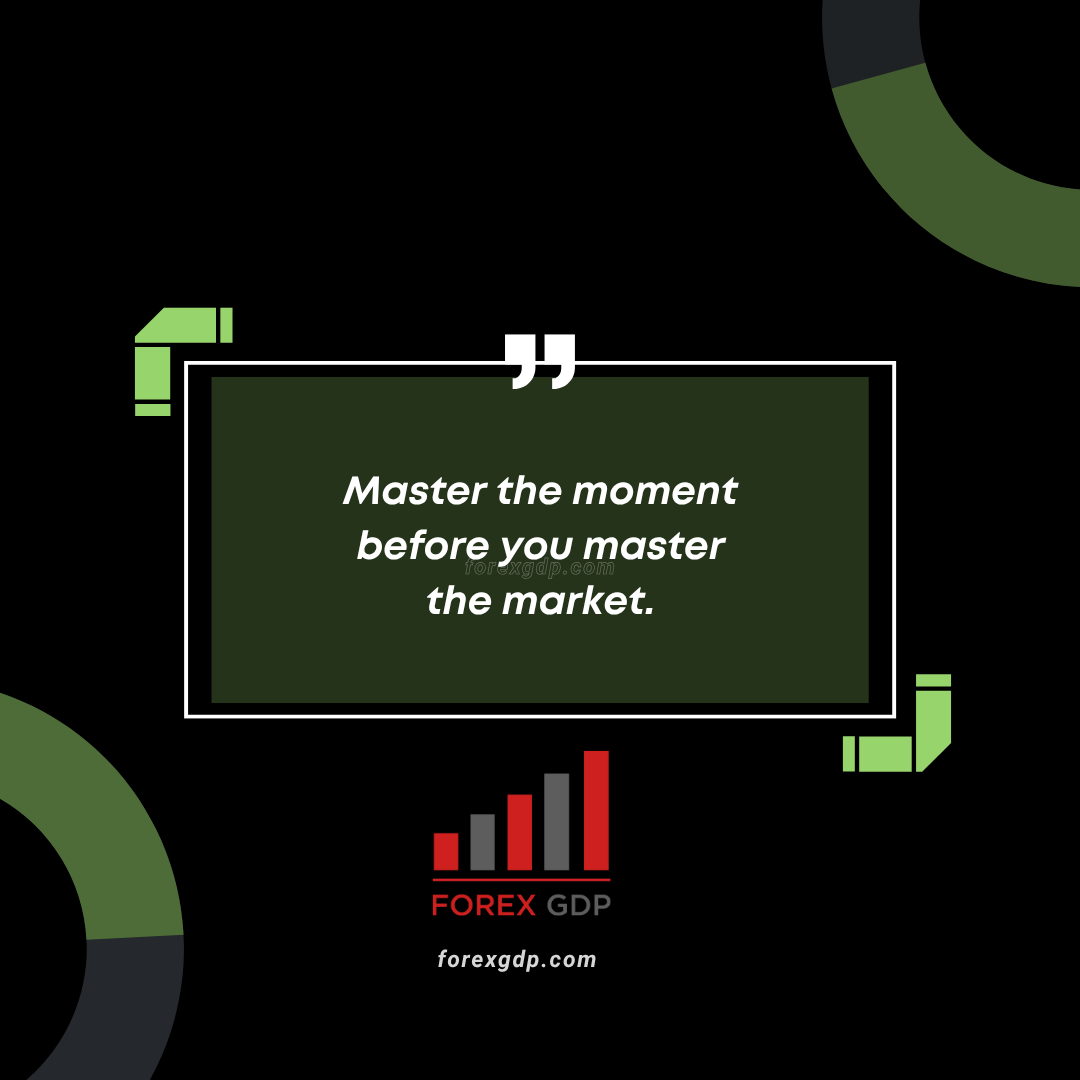
“Master the moment before you master the market.” That idea sounds simple, yet it cuts deeper than most trading advice floating around online. The market does not only test your strategy. It tests your discipline when prices crash. It tests your patience when nothing moves. It tests your emotions when fear whispers that you should quit. In many ways, the market behaves like a mirror. It reflects exactly who you are when pressure arrives.
People often chase profits while ignoring the mindset required to survive. They focus on indicators, patterns, and predictions while forgetting the most unstable factor in trading—the human mind. A trader who cannot control emotions is like a captain steering a ship during a hurricane with trembling hands. Sooner or later, the storm wins.
The truth is uncomfortable. Most people lose not because the market is impossible, but because they react emotionally at the worst possible moments. They enter too late, exit too early, revenge trade after losses, and panic when volatility appears. Mastering the market starts with mastering yourself first.
Why Emotional Control Shapes Trading Success
Trading looks technical on the surface, but underneath it is deeply psychological. Numbers move, but emotions move faster. The moment traders allow fear or excitement to take control, logic disappears like smoke in the wind.
Fear Is Often the Invisible Enemy
Fear creeps into trading quietly. It does not announce itself loudly at first. It starts with hesitation before entering a trade or anxiety after seeing a small loss. Suddenly, a carefully planned strategy is abandoned because emotions took over the steering wheel.
A fearful trader usually exits winning trades too early. The market might still have room to climb, but panic forces them out. On the other hand, losing trades are often held for too long because admitting failure feels painful. Ironically, fear creates the exact losses traders are trying to avoid.
The Paralysis That Stops Smart Decisions
Some traders become frozen during volatile moments. They overanalyze every candle, every news update, and every tiny market movement. This hesitation can be dangerous because opportunities in trading rarely wait around politely.
The market rewards calculated action, not endless doubt. A trader trapped in paralysis becomes like a deer staring at headlights—aware of danger but unable to move.
How Fear Distorts Market Perception
Fear changes the way traders interpret information. A normal pullback suddenly looks like a total market collapse. Minor losses feel catastrophic. Rational analysis disappears beneath emotional chaos.
This distorted perception creates poor decisions that damage confidence over time. Once confidence breaks, consistency becomes almost impossible to maintain.
Greed Can Destroy Progress Faster Than Losses
Fear may stop traders from acting, but greed pushes them into reckless behavior. Greed whispers dangerous promises. It convinces traders they can double profits overnight or recover losses instantly with bigger risks.
The market punishes greed brutally. Traders often abandon discipline after a few successful trades because confidence turns into arrogance. Suddenly, risk management feels unnecessary. That is usually when reality hits hard.
Overtrading Becomes a Dangerous Addiction


Some traders cannot stay away from the charts. They chase every small movement like gamblers pulling slot machine levers in a casino. The excitement becomes addictive.
Overtrading drains emotional energy and destroys focus. Instead of waiting for quality opportunities, traders jump into random positions driven by impatience and excitement.
The Illusion of Being Invincible
Winning streaks can be surprisingly dangerous. A trader who experiences quick success may start believing they cannot fail. This illusion creates reckless decisions that ignore market uncertainty.
The market has a cruel way of humbling overconfident traders. It reminds everyone that no strategy guarantees victory forever.
The Power of Discipline in Forex Trading
Discipline sounds boring compared to flashy profit screenshots on social media, but it is the foundation of long-term survival. Without discipline, even the best trading strategy eventually collapses.
Consistency Matters More Than Excitement
Many beginners search endlessly for the perfect strategy. They jump from one system to another every week, hoping for magical results. The problem is not always the strategy itself. Often, it is the lack of consistency.
Successful traders treat trading like a business rather than entertainment. They follow rules repeatedly, even during emotionally difficult periods. Consistency may not look glamorous, but it builds stability over time.
Small Habits Create Massive Results
Discipline grows through small actions repeated daily. Reviewing trades, sticking to risk limits, and waiting patiently for setups may seem ordinary, yet these habits shape long-term performance.
Trading success rarely arrives through dramatic moments. More often, it grows quietly through disciplined routines that compound over months and years.
Routine Protects Traders From Emotional Chaos
A structured trading routine acts like armor against emotional decisions. When traders know exactly what conditions must appear before entering a trade, impulsive actions decrease significantly.
Routine removes unnecessary guesswork. Instead of reacting emotionally to every market fluctuation, disciplined traders focus only on their established process.
Patience Separates Professionals From Amateurs
Modern culture encourages instant gratification. People want fast profits, quick success, and immediate results. Trading does not always reward that mindset.
Patience is difficult because the market constantly tempts traders to act. Charts move every second, creating the illusion that opportunities are disappearing rapidly. In reality, forcing trades often causes more harm than waiting.
Waiting Is a Skill Most Traders Ignore
Professional traders understand that not trading can sometimes be the smartest decision. They wait for high-quality setups instead of chasing mediocre opportunities.
Patience protects capital. It prevents emotional exhaustion and reduces unnecessary losses caused by impulsive entries.
The Market Rewards Calm Decision-Making
Traders who remain calm during uncertainty often outperform emotional traders over time. Calmness allows logical analysis to guide decisions instead of emotional reactions.
The market is unpredictable enough already. Adding emotional instability only increases the chances of failure.
Mindset Before Strategy


People spend thousands of hours learning technical analysis while spending almost no time developing emotional resilience. That imbalance creates problems.
A weak mindset can destroy even brilliant strategies. Meanwhile, a strong mindset can improve average strategies through disciplined execution.
Confidence Must Be Earned Slowly
Real confidence does not come from motivational quotes or fake online success stories. It develops through experience, preparation, and repeated practice.
Traders who rush toward unrealistic expectations usually burn out quickly. Sustainable confidence grows gradually, much like building physical strength at the gym.
Losses Are Part of the Journey
Many traders take losses personally. They view every losing trade as proof they are incapable. This mindset creates frustration and emotional instability.
Losses are normal in trading. Even highly skilled traders experience losing streaks. The key difference is how they respond emotionally afterward.
Resilience Keeps Traders Moving Forward
Resilient traders understand that setbacks are temporary. They analyze mistakes objectively rather than emotionally punishing themselves.
Trading becomes mentally exhausting when every loss feels like a personal attack. Resilience helps traders maintain perspective during difficult periods.
Self-Awareness Changes Everything
The market exposes personal weaknesses quickly. Impulsive personalities often struggle with patience. Overconfident people tend to take excessive risks. Emotional individuals may panic under pressure.
Self-awareness allows traders to recognize these patterns before they cause serious damage.
Understanding Personal Triggers
Every trader has emotional triggers. Some panic during losses. Others become greedy after wins. Identifying these triggers helps reduce destructive behavior.
Ignoring emotional patterns is like ignoring cracks in a building foundation. Eventually, the structure weakens.
Emotional Intelligence Improves Decision-Making
Emotion itself is not the enemy. The problem begins when emotions control actions. Emotionally intelligent traders recognize feelings without allowing them to dictate decisions.
This balance creates more rational and stable trading behavior over time.
The Harsh Reality of Market Psychology


The market does not care about anyone’s feelings. It rewards discipline and punishes emotional weakness without apology. That reality feels harsh, but understanding it can transform the way traders approach their journey.
Most Traders Fail Because They React Emotionally
Many beginners enter the market believing trading is mainly about predicting price direction. Soon, they discover that psychology matters far more than they expected.
The inability to handle stress destroys countless trading accounts. People panic during downturns, revenge trade after losses, and abandon strategies during temporary setbacks.
Revenge Trading Creates Emotional Chaos
After losing money, some traders desperately try to recover losses immediately. This emotional reaction leads to reckless decisions and larger losses.
Revenge trading feels emotional rather than logical. It is driven by frustration and ego instead of analysis.
Stress Clouds Judgment
Stress affects concentration, patience, and risk assessment. Traders under emotional pressure often make impulsive decisions they later regret.
Managing stress is essential because emotional exhaustion weakens discipline over time.
Social Media Creates Unrealistic Expectations
The internet is filled with flashy trading lifestyles, luxury cars, and exaggerated success stories. These images create unrealistic expectations for beginners.
Many traders feel pressured to achieve fast profits because social media constantly promotes overnight success fantasies.
Comparison Damages Confidence
Watching others claim massive profits can create insecurity and frustration. Traders begin questioning their own progress unfairly.
Comparison steals focus from personal growth. Every trader develops at a different pace.
The Reality Behind the Screens
Many online trading personalities hide losses while only showing winning trades. This creates a distorted image of trading reality.
Real trading includes losses, emotional struggles, and periods of uncertainty. Ignoring these realities leads to disappointment later.
Building Long-Term Trading Strength
Success in trading is rarely explosive. It usually develops slowly through discipline, learning, and emotional maturity.
Risk Management Protects Survival
Many traders focus entirely on making money while ignoring the importance of protecting capital. This approach is dangerous.
Survival matters more than excitement. Without proper risk management, one emotional decision can erase months of progress.
Protecting Capital Means Protecting Opportunity
Money lost recklessly cannot participate in future opportunities. Preserving capital keeps traders alive long enough to improve their skills.
Trading is a marathon, not a sprint. Long-term survival creates the possibility for future growth.
Controlled Risk Reduces Emotional Pressure

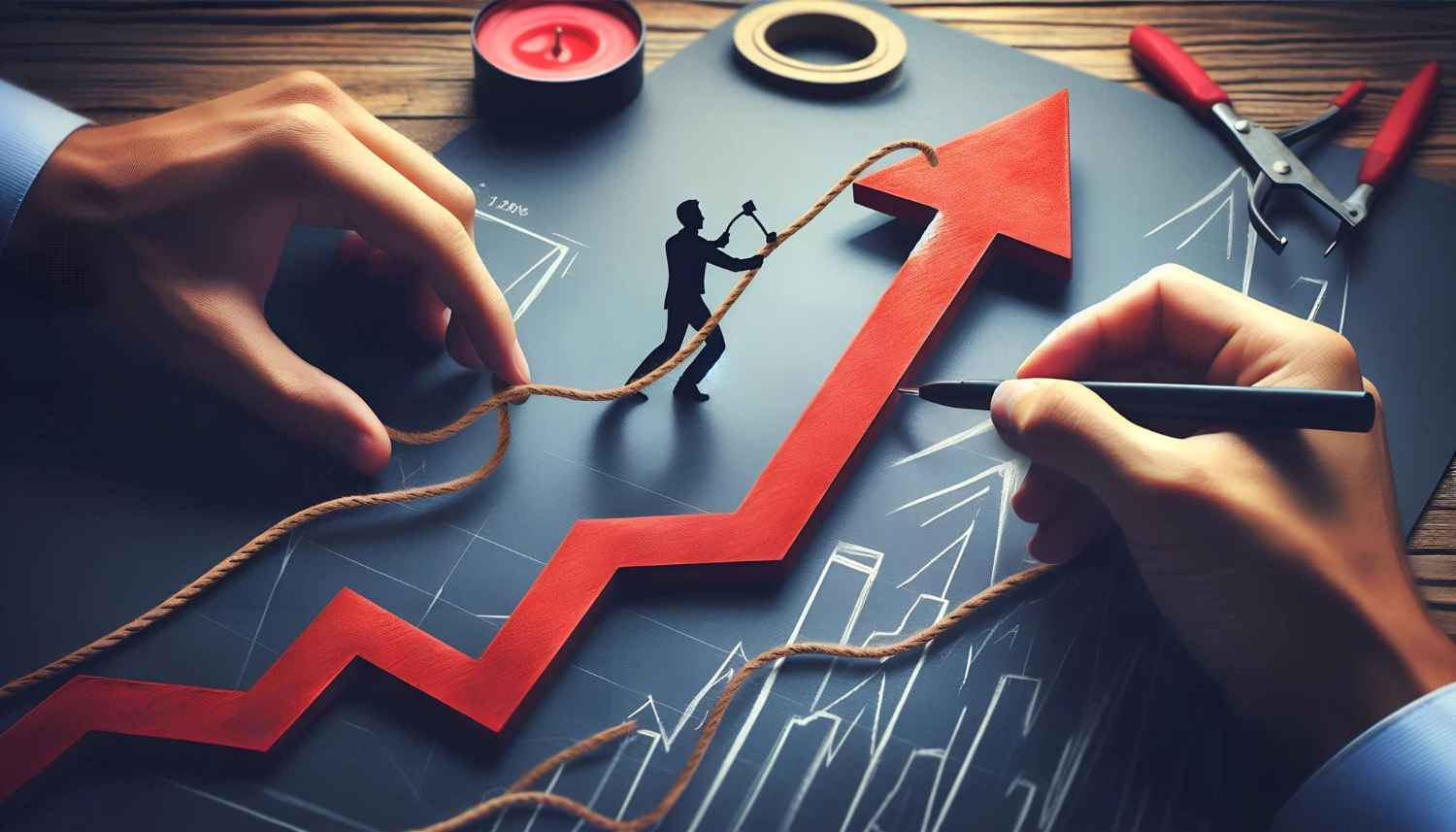
Smaller risks create calmer decision-making. When traders risk too much money emotionally, fear increases dramatically.
Balanced risk management helps traders remain objective during market fluctuations.
Learning Never Truly Ends
The market evolves constantly. Economic conditions change, trends shift, and volatility behaves differently over time.
Successful traders remain curious and adaptable instead of assuming they already know everything.
Experience Becomes the Greatest Teacher
Books and courses provide valuable information, but real experience shapes deeper understanding. Every trade teaches lessons about both the market and personal behavior.
Experience gradually sharpens intuition and emotional control.
Adaptability Keeps Traders Relevant
Rigid thinking becomes dangerous in changing market conditions. Traders who adapt survive longer than those who refuse to evolve.
Flexibility allows traders to respond intelligently instead of emotionally when conditions shift unexpectedly.
The Human Side of Trading
Behind every chart is a human being dealing with emotions, hopes, and fears. Trading is not purely mechanical. It is deeply personal.
Balance Matters More Than Obsession
Some traders become consumed by the market. They stare at charts endlessly, neglect sleep, relationships, and mental health.
Obsession eventually creates burnout. A tired mind struggles to make rational decisions consistently.
Mental Health Affects Trading Performance
Stress, anxiety, and emotional exhaustion directly influence trading decisions. Ignoring mental well-being often leads to declining performance.
Healthy routines improve focus and emotional stability significantly.
Life Outside Trading Creates Perspective
Spending time away from charts helps maintain emotional balance. Relationships, hobbies, and personal growth reduce unhealthy attachment to trading outcomes.
A balanced life supports clearer thinking during market pressure.
Patience Builds Quiet Confidence
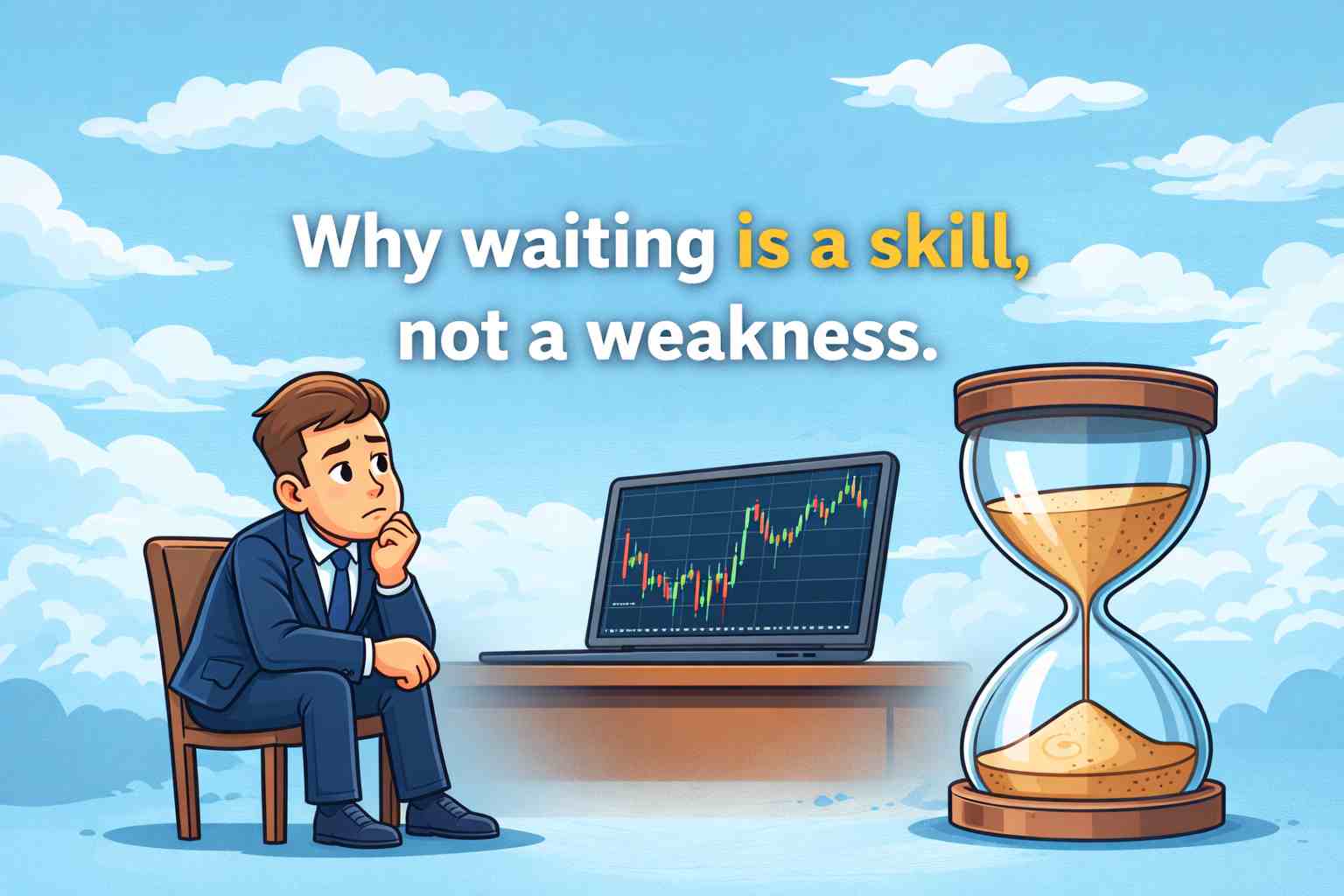
Confidence built slowly tends to last longer than confidence created through temporary success. Patient traders understand that mastery takes time.
The journey toward trading consistency resembles planting a tree. Growth happens gradually beneath the surface before visible results appear.
Trusting the Process
Impatience often causes traders to abandon good strategies too early. Trusting a well-tested process requires emotional maturity.
Results improve when traders focus on execution instead of obsessing over short-term outcomes.
Growth Happens During Difficult Moments
Challenges force traders to develop discipline, patience, and resilience. Easy success rarely teaches meaningful lessons.
The hardest trading periods often shape the strongest traders later.
Final Thoughts
Mastering the market begins long before clicking the buy or sell button. It starts in the quiet moments when discipline overcomes impulse, when patience defeats greed, and when emotional control replaces panic. The charts may display prices, but beneath every movement lies human psychology.
Trading is not simply about finding opportunities. It is about becoming the kind of person capable of handling those opportunities wisely. Fear, greed, impatience, and overconfidence are constant companions in the financial world. Ignoring them is dangerous.
The traders who survive long-term are not always the smartest or the fastest. Often, they are simply the most disciplined. They understand that emotional mastery creates market mastery. They remain calm during storms while others panic. They accept losses without emotional collapse. They stay patient when excitement tempts reckless decisions.
The market rewards self-control more than ego. Those who learn to master themselves first eventually discover something powerful—the real victory was never just about money. It was about developing the mindset strong enough to navigate uncertainty with confidence and clarity.
FAQs
1.What does “master the moment before you master the market” really mean?
It means emotional control and discipline come before financial success. Traders who cannot manage fear, greed, or impulsive behavior often struggle regardless of strategy.
2.Why do most traders lose money in the market?
Many traders lose because of emotional decision-making, poor risk management, impatience, and unrealistic expectations rather than lack of technical knowledge.
3.How important is psychology in forex trading?
Psychology is extremely important. Emotional reactions often influence trading outcomes more than technical analysis or market predictions.
4.Can beginners become successful traders over time?
Yes, but success usually requires patience, consistent learning, emotional discipline, and realistic expectations rather than chasing quick profits.
5.Why is patience considered a powerful trading skill?
Patience prevents impulsive trades and allows traders to wait for stronger opportunities. It also helps maintain emotional stability during uncertain market conditions.