

The forex market moves fast. Charts flash constantly, influencers post huge profits online, and beginners feel pressured to trade every hour. But here’s the harsh reality: most traders fail because they trade too much and analyse too little.
The phrase “Trade Less. Analyse More.” carries a powerful message. Forex success does not come from nonstop action. It comes from patience, discipline, and smart decision-making. Professional traders don’t chase every candle. They wait for high-quality opportunities and execute with confidence.
Think about a sniper versus someone randomly spraying bullets. One waits carefully for the perfect target while the other wastes energy and resources. Forex trading works the same way.
Why Most Forex Traders Lose Money
The Addiction to Constant Trading
Many traders confuse activity with productivity. They believe more trades mean more profits, but the opposite is usually true. Overtrading creates emotional decisions, stress, and unnecessary losses.
Beginners often jump into trades out of boredom or fear of missing out. One losing trade leads to frustration, and frustration leads to revenge trading. Suddenly, the market stops looking like an opportunity and starts looking like a battlefield.
The Social Media Trap
Social media makes forex trading look glamorous. You see screenshots of profits, luxury lifestyles, and promises of quick money. What you don’t see are the blown accounts, sleepless nights, and emotional pressure behind the scenes.
Real trading is far less exciting than influencers make it seem. In fact, professional trading is often boring because successful traders focus on consistency instead of hype.
What “Trade Less. Analyse More.” Really Means
Quality Over Quantity
Trading less does not mean avoiding the market completely. It means becoming selective. Instead of entering ten weak setups, smart traders wait for one strong opportunity.
Every trade should have logic behind it. You need clear confirmation, proper analysis, and a strong reason to enter. Random entries usually lead to random results.
Analysis Creates Confidence
When traders analyse properly, they trust their decisions more. They stop panicking during small market movements and avoid emotional exits.
Good analysis acts like a roadmap. Without it, trading feels like driving through a storm without headlights.
The Psychological Damage of Overtrading
Emotions Destroy Logic
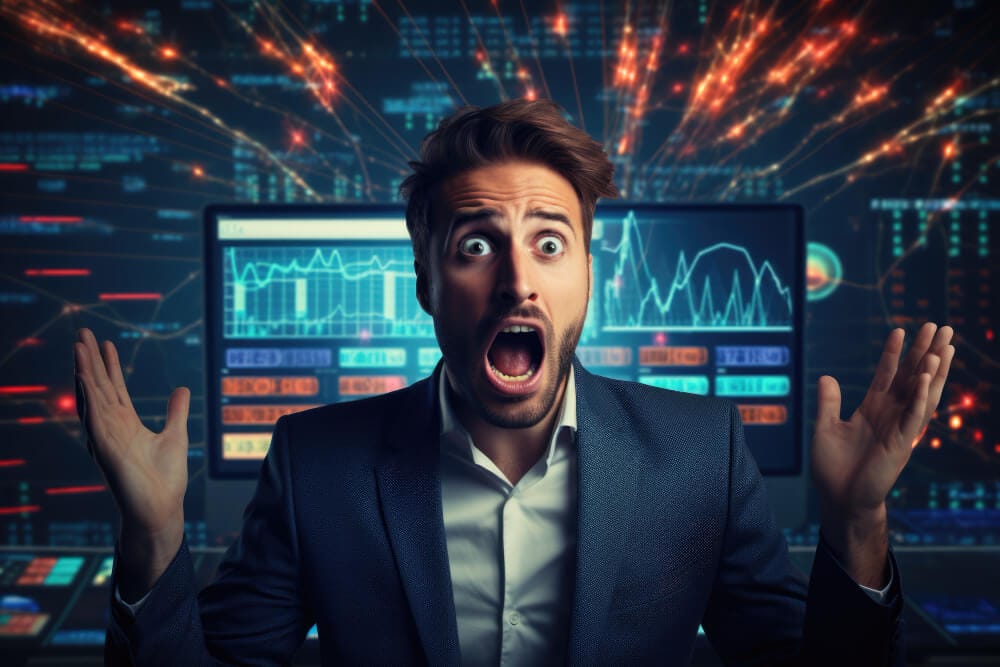
Overtrading creates emotional exhaustion. Watching charts all day drains focus and increases stress. Traders begin making impulsive decisions instead of following a structured plan.
Fear, greed, and frustration become stronger after every unnecessary trade. Once emotions take control, discipline disappears.
Revenge Trading Is Dangerous
One of the biggest problems in forex is revenge trading. A trader loses money and instantly jumps back into the market trying to recover losses quickly.
This usually makes things worse. Emotional trading is like trying to put out a fire with gasoline. The harder you force the market, the more damage you create.
Why Market Analysis Matters
Technical Analysis Simplifies Decisions
Many traders overload charts with indicators until everything becomes confusing. Simple analysis is usually more effective.
Focus on support and resistance, trend direction, price action, and market structure. Clean charts improve clarity and help traders make smarter decisions.
Fundamental Analysis Is Important Too
Forex markets move because of economic events. Interest rates, inflation, employment reports, and central bank decisions all influence currency strength.
Ignoring fundamentals is like sailing through rough water without checking the weather forecast. Smart traders always understand the bigger picture before entering the market.
Patience Is a Trading Superpower
Waiting Protects Your Capital
The market will always provide opportunities. Traders do not need to force entries every day.
Patience allows traders to avoid weak setups and focus only on high-probability trades. That patience protects capital and reduces emotional mistakes.
Discipline Beats Excitement
Professional traders succeed because they stay disciplined. They follow trading plans, respect stop losses, and avoid emotional decisions.
Beginners often chase excitement, but successful trading is not about adrenaline. It is about control.

Risk Management: The Key to Survival
Protecting Capital Comes First
Many traders focus only on profits while ignoring risk. That mindset destroys accounts quickly.
Professional traders think differently. They focus on protecting capital first because survival matters more than short-term gains.
Small Risks Create Long-Term Growth
Most experienced traders risk only a small percentage of their account per trade. This keeps losses manageable and allows consistent long-term growth.
One reckless trade should never have the power to destroy an entire account.
Why Trading Less Improves Accuracy
Fewer Trades Mean Better Focus
When traders reduce the number of trades, they naturally become more selective. They analyse entries carefully and avoid impulsive decisions.
This improves overall focus and increases the quality of setups being traded.
High-Probability Setups Matter More
Not every market condition is worth trading. Sometimes the smartest decision is staying out of the market completely.
Professional traders understand that cash is also a position. Waiting for strong opportunities often produces better results than constant trading.
Building a Professional Trading Mindset
Stop Thinking Like a Gambler
Gamblers chase excitement while traders chase probability. That difference changes everything.
Professional traders understand that losses are normal. They focus on consistency instead of unrealistic expectations.
Emotional Control Creates Consistency
Fear and greed destroy trading performance. Traders who cannot control emotions often make impulsive entries and exits.
Strong analysis reduces emotional reactions because decisions are based on logic instead of panic.
Why Trading Plans and Journals Matter
Every Trader Needs a Plan
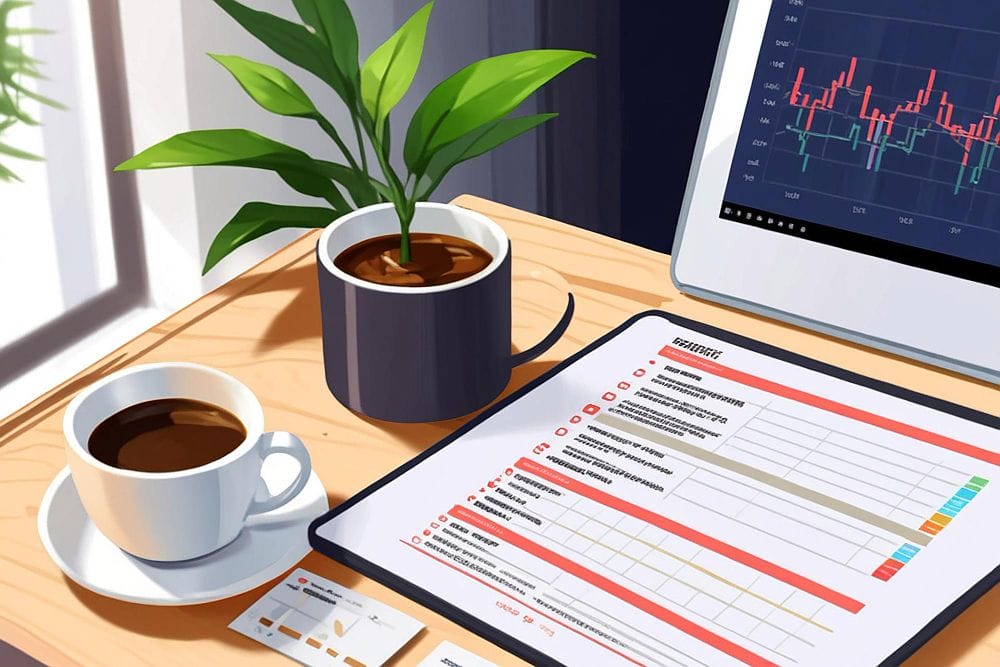
A trading plan creates structure. It defines entry rules, exit conditions, risk limits, and strategy guidelines.
Without a plan, traders rely on emotions, and emotional trading rarely ends well.
Trading Journals Reveal Weaknesses
Trading journals help traders identify repeated mistakes and emotional habits. They reveal which setups work best and which behaviours create losses.
A journal acts like a mirror. It shows the reality of your trading habits.
The Danger of Blindly Following Signals
Signals Cannot Replace Knowledge
Many traders depend completely on Telegram groups and online signals. They copy trades without understanding market conditions.
This creates dependency and confusion. When losses happen, they have no idea what went wrong.
Independent Thinking Builds Confidence
The best traders trust their own analysis. They do not panic because someone online has a different opinion.
Confidence comes from preparation, study, and experience.
How Successful Traders Actually Operate
They Focus on Process
Successful traders follow routines. They analyse calmly, wait patiently, and execute with discipline.
There is nothing flashy about professional trading. In fact, boring routines often create the most sustainable results.
Consistency Beats Intensity
Many beginners chase massive profits quickly. That mindset usually leads to reckless trading.
Long-term success comes from small consistent improvements repeated over time.

Conclusion: Trade Smarter, Not Harder
The forex market rewards patience far more than desperation. Traders who constantly chase action often destroy their accounts through emotional decisions and poor risk management.
That is why the philosophy behind “Trade Less. Analyse More.” is so powerful. It reminds traders that success comes from discipline, analysis, and smart execution rather than nonstop activity.
The best traders are not the busiest traders. They are the calmest, most patient, and most disciplined. Slow down. Study the market carefully. Protect your capital. And remember: one high-quality trade is worth more than ten emotional ones.
FAQs
1. Why do most forex traders fail?
Most forex traders fail because they overtrade, ignore risk management, and allow emotions to control their decisions.
2. What does “Trade Less. Analyse More.” mean?
It means traders should focus on high-quality setups backed by strong analysis instead of placing random trades constantly.
3. Why is patience important in forex trading?
Patience helps traders avoid emotional decisions and wait for stronger opportunities with better probabilities.
4. How much should traders risk per trade?
Most professional traders risk only 1% to 2% of their account on a single trade to protect their capital.
5. Can analysis improve trading confidence?
Yes. Proper analysis helps traders trust their decisions, reduce emotional reactions, and trade with greater discipline.