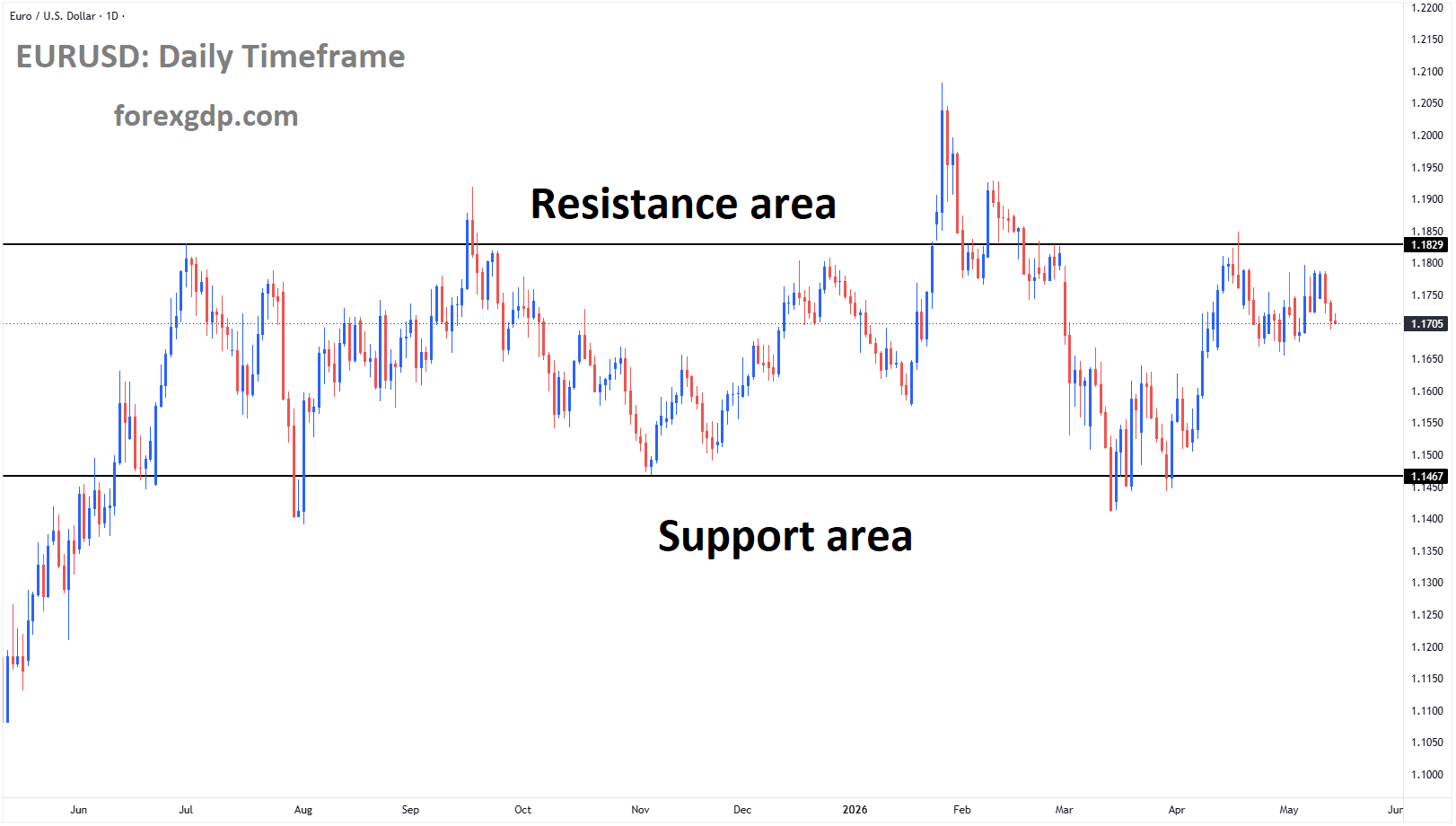
EURUSD is moving in a box pattern, and the market has fallen from the resistance area of the pattern
EURUSD Holds Steady as Traders Await China-US Talks and Retail Data
The EUR/USD currency pair remained steady above the 1.1700 level on Thursday, even as the Euro continued to face pressure against the US Dollar. The pair has already lost around 0.65% this week, showing that investors are leaning toward the US Dollar in the current market environment.
Global investors are taking a cautious approach as they wait for major economic and political developments. Attention is mainly focused on the ongoing meeting between former US President Donald Trump and Chinese President Xi Jinping, along with upcoming US Retail Sales data that could offer more clues about the strength of the American economy.
Investors Stay Careful Ahead of Trump-Xi Discussions
Financial markets are currently moving in a cautious and controlled manner as traders avoid making aggressive decisions before receiving clearer signals from global leaders and economic data.
The meeting between Donald Trump and Xi Jinping has become one of the biggest talking points in global markets this week. Investors are closely watching the discussions because relations between the United States and China play a major role in global trade, business confidence, and overall economic stability.
Trump described the talks as productive and positive, saying the discussions were beneficial for both countries. According to him, the two-hour meeting covered several important topics that could help improve cooperation between the world’s two largest economies.
Xi Jinping also commented on the talks, although his tone appeared more balanced and careful. He stated that relations between China and the United States remain stable and confirmed that both leaders exchanged detailed views on important issues.
While no major breakthrough has been announced yet, the fact that communication between both sides remains active has helped reduce some immediate market fears. However, investors still prefer to wait for more concrete developments before making larger moves in the currency market.
US Dollar Gains Support From Safe-Haven Demand
The US Dollar has remained strong throughout the week, largely because investors are moving money into safer assets during a period of global uncertainty.
One of the main reasons behind this cautious mood is the ongoing geopolitical tension linked to the conflict involving Iran. Whenever global risks rise, investors often turn to the US Dollar because it is considered one of the safest and most reliable currencies during uncertain times.
This shift toward safety has helped the Dollar outperform several major currencies, including the Euro.
At the same time, expectations surrounding future US interest rates are also supporting the Dollar. Many investors now believe that the US Federal Reserve may need to raise interest rates again toward the end of 2026 or early 2027.
Those expectations have grown stronger because rising energy prices are increasing inflation pressures across the economy. Higher inflation usually forces central banks to take tighter monetary actions to keep prices under control.
Inflation Data Raises Pressure on the Federal Reserve
Recent economic reports from the United States have strengthened the argument that inflation may remain elevated for longer than expected.
The latest Producer Price Index (PPI) report showed a sharp rise in wholesale prices during April. Producer prices increased by 1.4% compared to the previous month, which was much stronger than the 0.7% increase recorded in March.
On a yearly basis, producer inflation accelerated to 6%, marking the highest level since December 2023. This sharp increase signals that businesses are facing higher production costs, which could eventually be passed on to consumers through higher prices.
The PPI data came shortly after another strong Consumer Price Index (CPI) report, adding further evidence that inflation remains a serious concern in the United States.
Because of these inflation readings, investors are starting to believe that the Federal Reserve may not be able to ease monetary policy anytime soon. Instead, there is growing speculation that additional rate hikes could return to the discussion if inflation continues to rise.
This outlook has provided another layer of support for the US Dollar and has made it more difficult for the Euro to recover its recent losses.
Retail Sales Data Could Influence Market Direction
Another important event for markets is the release of the latest US Retail Sales figures.
Retail Sales data is closely watched because it provides insight into consumer spending, which is one of the biggest drivers of the US economy. Strong consumer spending usually points to healthy economic activity, while weaker spending may suggest that households are becoming more cautious.
Economists expect April Retail Sales growth to slow to 0.5% on a monthly basis after a strong 1.7% increase in March.
When automobile sales are excluded, analysts expect growth to come in at 0.6%, lower than the previous month’s 1.9% rise.
If the figures come in weaker than expected, it could slightly reduce pressure on the Federal Reserve by suggesting that economic demand is cooling. On the other hand, stronger data could further strengthen expectations that interest rates may stay higher for longer.
As a result, the Retail Sales report could become an important short-term driver for the EUR/USD pair.
Federal Reserve Officials Remain in Focus
Later in the day, several Federal Reserve officials are also expected to speak publicly. Their comments could provide additional insight into how the central bank views inflation, economic growth, and future interest rate policy.
Markets pay close attention to speeches from Fed policymakers because even small changes in tone can strongly influence investor expectations.
If Fed officials continue to express concern about inflation, the US Dollar could remain supported. However, if policymakers signal a more balanced or cautious approach toward future rate hikes, the Dollar could lose some momentum.
For now, traders appear unwilling to take large positions before hearing both the Retail Sales data and the latest comments from Federal Reserve members.
Euro Faces Pressure Despite Holding Key Level
Although the Euro has managed to stay above the 1.1700 level, the overall tone for the currency remains weak this week.
The combination of strong US inflation data, rising expectations for future rate hikes, geopolitical uncertainty, and safe-haven demand has kept the Dollar in control.
At the same time, investors are still waiting for stronger economic signals from the Eurozone that could support the shared European currency.
Until clearer direction emerges from economic data and global political developments, EUR/USD may continue moving within a narrow range as traders remain cautious.
Final Summary
The EUR/USD pair continues to trade under pressure as investors favor the US Dollar during a period of global uncertainty and rising inflation concerns. Safe-haven demand, stronger US inflation data, and growing expectations for future Federal Reserve rate hikes have all strengthened the Dollar this week.
Meanwhile, traders are carefully watching the Trump-Xi meeting for signs of progress in US-China relations and waiting for US Retail Sales data to better understand the health of the American economy. Comments from Federal Reserve officials later in the day could also play an important role in shaping market sentiment.
For now, investors remain cautious, with the Euro struggling to regain momentum while the Dollar continues to benefit from strong economic and geopolitical support.
GBPUSD Climbs Higher as Strong UK Growth and Factory Output Boost Sterling
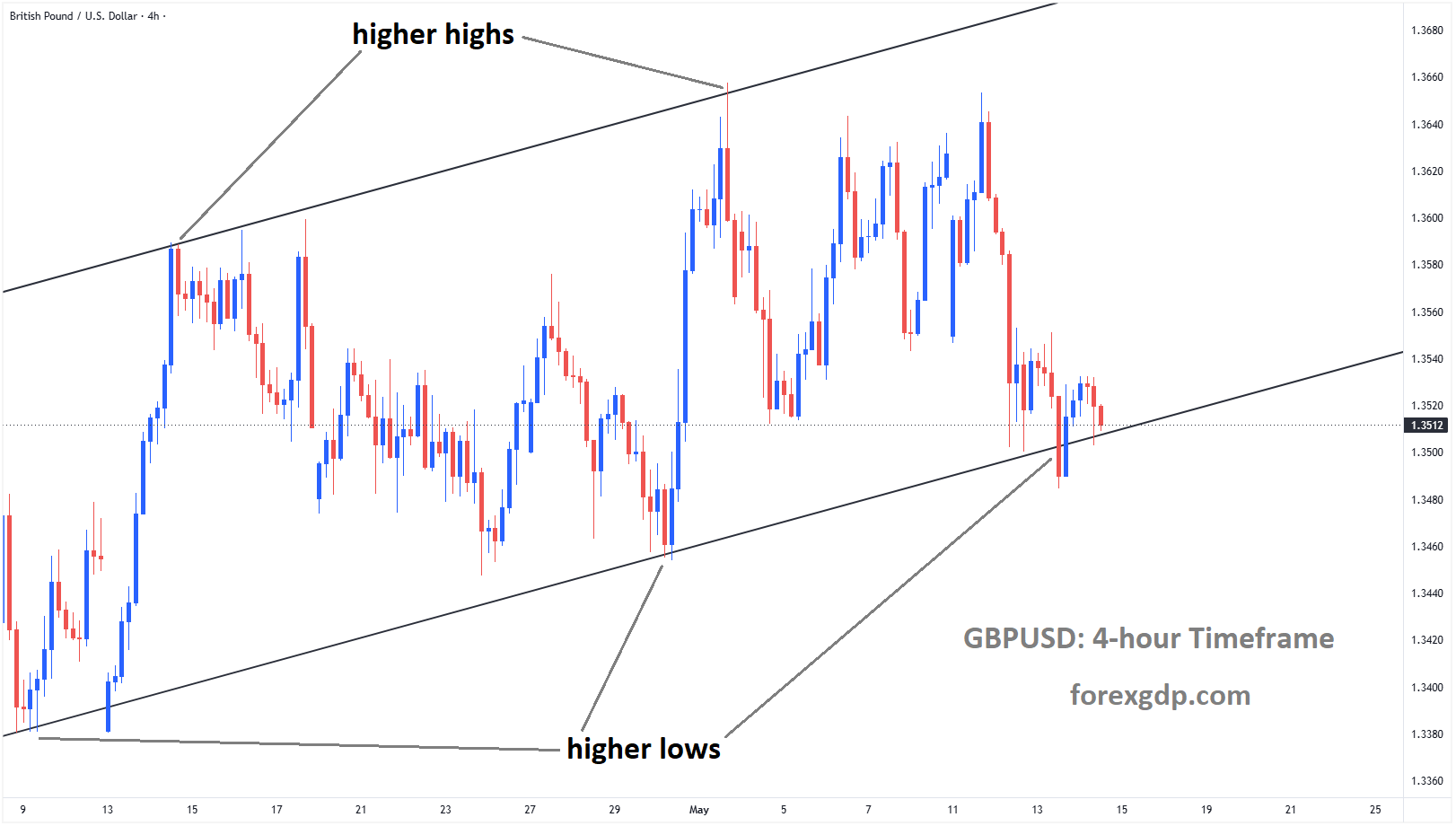
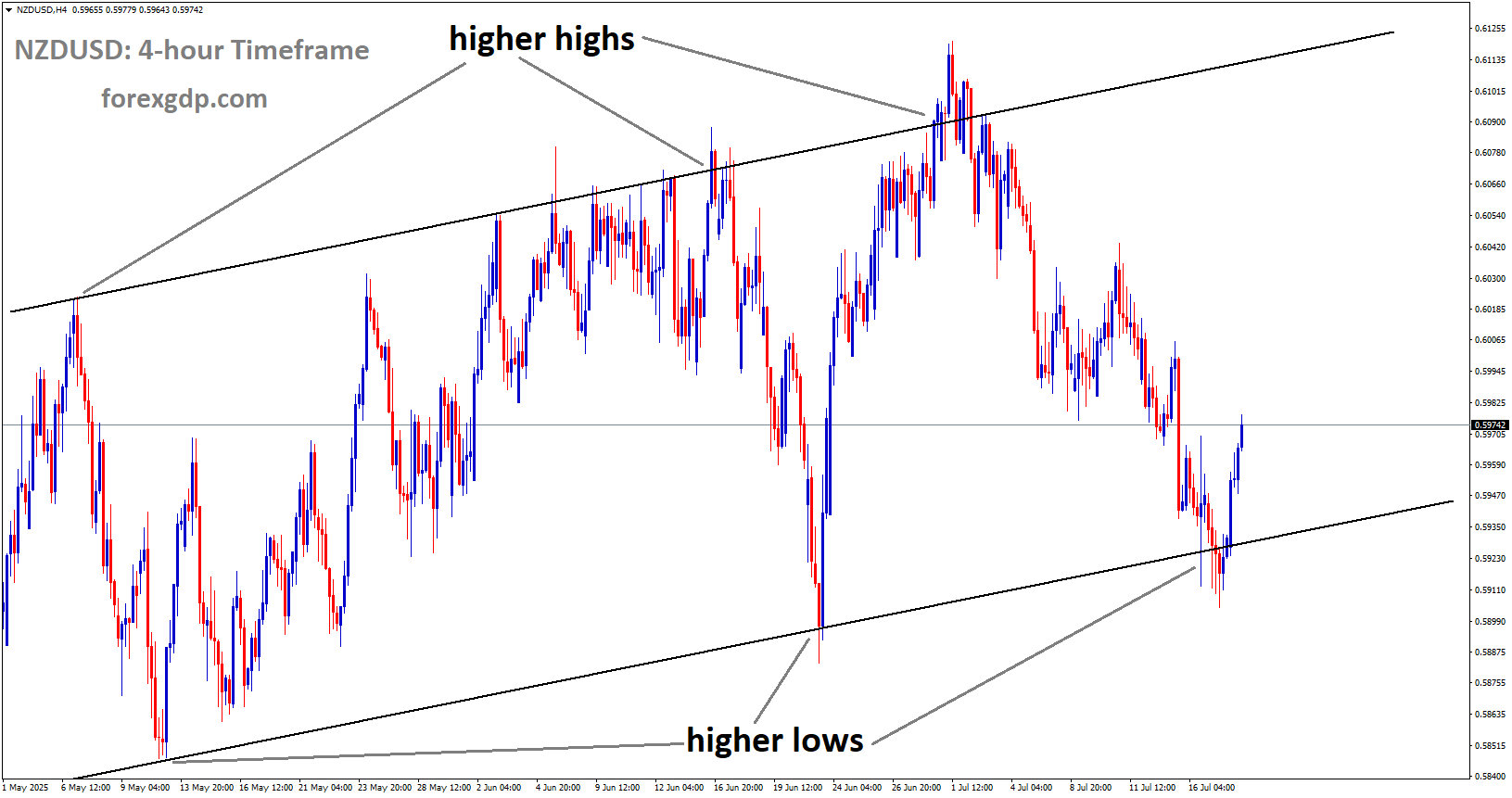
The British Pound remained stable against the US Dollar on Thursday, with the GBP/USD pair trading near 1.3520. Although the currency pair stayed close to flat during the day, the Pound is still trading lower compared to the strong highs seen earlier this week around 1.3650.
GBPUSD reached a higher low area of the ascending channel
Despite recent weakness, fresh economic data from the United Kingdom helped prevent deeper losses for the Pound. Better-than-expected figures for economic growth, manufacturing activity, and services output showed that the UK economy performed more strongly than many analysts had predicted during the first quarter of the year.
At the same time, political uncertainty inside the UK’s Labour Party continues to create pressure on the British currency, limiting its ability to recover fully.
UK Economy Shows Stronger Growth Than Expected
One of the biggest factors supporting the Pound was the latest GDP report from the UK. The data showed that the British economy expanded by 0.6% during the first quarter of the year. This followed a smaller 0.2% increase recorded in the previous quarter.
While the quarterly figure met forecasts, the monthly GDP numbers for March delivered a major surprise. The economy grew by 0.3% during the month, even though markets had expected a 0.2% contraction.
This stronger performance helped ease fears that the UK economy could be heading toward a sharp slowdown. Concerns had increased recently due to rising global tensions and uncertainty connected to the ongoing conflict involving Iran. The latest data now suggests that the UK economy has remained more resilient than expected despite international pressures.
The positive GDP figures improved confidence among investors and gave the Pound some support against the US Dollar.
Manufacturing Sector Delivers Positive Surprise
The UK manufacturing sector also showed signs of recovery in March. Manufacturing Production rose by 1.2%, a strong rebound after February’s revised decline of 0.2%.
Economists had expected another contraction of 0.2%, making the latest result significantly better than forecasts.
The improvement in factory activity suggests that demand within the industrial sector may be stabilizing after a difficult period. Rising production levels can often signal improving business confidence and stronger domestic economic conditions.
For currency markets, strong manufacturing data is usually seen as positive because it reflects healthier economic activity and increased output across key industries.
Services Sector Continues to Support the Economy
The UK services sector, which represents a major part of the British economy, also posted encouraging results.
The Index of Services increased by 0.8% in March, accelerating from the 0.5% growth recorded in February. The figure also exceeded market expectations of 0.6%.
The services industry includes areas such as finance, retail, hospitality, transport, and professional services. Strong growth in this sector is important because it plays a major role in overall economic performance and employment across the country.
The combination of stronger GDP growth, improved manufacturing activity, and expanding services output helped stabilize the Pound after recent declines.
Political Uncertainty Continues to Pressure the Pound
Even with positive economic data, the British Pound has struggled to regain strong upward momentum this week.
One major reason is the growing political uncertainty in the United Kingdom. The Labour Party has been facing internal tensions following disappointing results in last week’s local elections.
The election outcome triggered growing criticism within the party, with several officials reportedly emerging as possible replacements for Prime Minister Keir Starmer. Although Starmer has resisted calls to resign, the pressure surrounding his leadership continues to increase.
He recently warned that a leadership battle inside the party could create political “chaos,” but concerns about instability remain high among investors.
Political uncertainty often affects currency markets because investors prefer stability and predictability. When there are concerns about leadership changes or political conflict, confidence in a country’s economic direction can weaken, which may put pressure on its currency.
The Pound has already lost nearly 1% this week, showing that political developments are still heavily influencing market sentiment.
Global Attention Turns to US-China Talks
Investors are also closely watching international developments, particularly the latest meeting between US President Donald Trump and Chinese President Xi Jinping.
Trump described the meeting as “great” after leaving the Temple of Heaven following discussions with Xi during his visit to China. The two leaders are meeting as part of a two-day summit aimed at improving trade relations between the world’s two largest economies.
Several sensitive issues are expected to be discussed during the summit, including tensions in the Middle East and the United States’ support for Taiwan’s independence.
Global markets are paying close attention because the outcome of these talks could have a major impact on international trade, economic confidence, and investor sentiment worldwide.
When uncertainty rises globally, the US Dollar often benefits from safe-haven demand as investors look for more secure assets. This can sometimes limit gains for currencies like the British Pound, even when domestic economic data is positive.
Investors Remain Cautious
Although the latest UK economic reports offered encouraging signs, traders remain cautious about the overall outlook for the Pound.
Strong economic growth can support a currency by improving expectations for business activity and economic stability. However, political uncertainty and global risks can still outweigh positive data in the short term.
Investors are currently balancing several key factors:
Stronger UK economic performance
Ongoing political tensions within the Labour Party
Global geopolitical uncertainty
US-China trade discussions
Market demand for safer assets like the US Dollar
This mix of influences is helping keep GBP/USD relatively stable for now, while also preventing a stronger recovery in the Pound.
Summary
The British Pound remained steady against the US Dollar near 1.3520 after stronger-than-expected UK economic data helped support investor confidence. GDP growth, manufacturing output, and services activity all delivered positive surprises in March, reducing fears of an economic slowdown.
However, political instability within the UK Labour Party continues to weigh on the Pound and limit its recovery. Concerns about leadership challenges and political uncertainty remain an important factor for currency markets.
At the same time, investors are closely monitoring talks between the United States and China, as global trade relations and geopolitical tensions continue to influence financial markets worldwide.
For now, the Pound is finding support from economic resilience, but political and international uncertainties are keeping traders cautious.
USDJPY Surges Higher as Strong Fed Outlook Weakens Japanese Yen
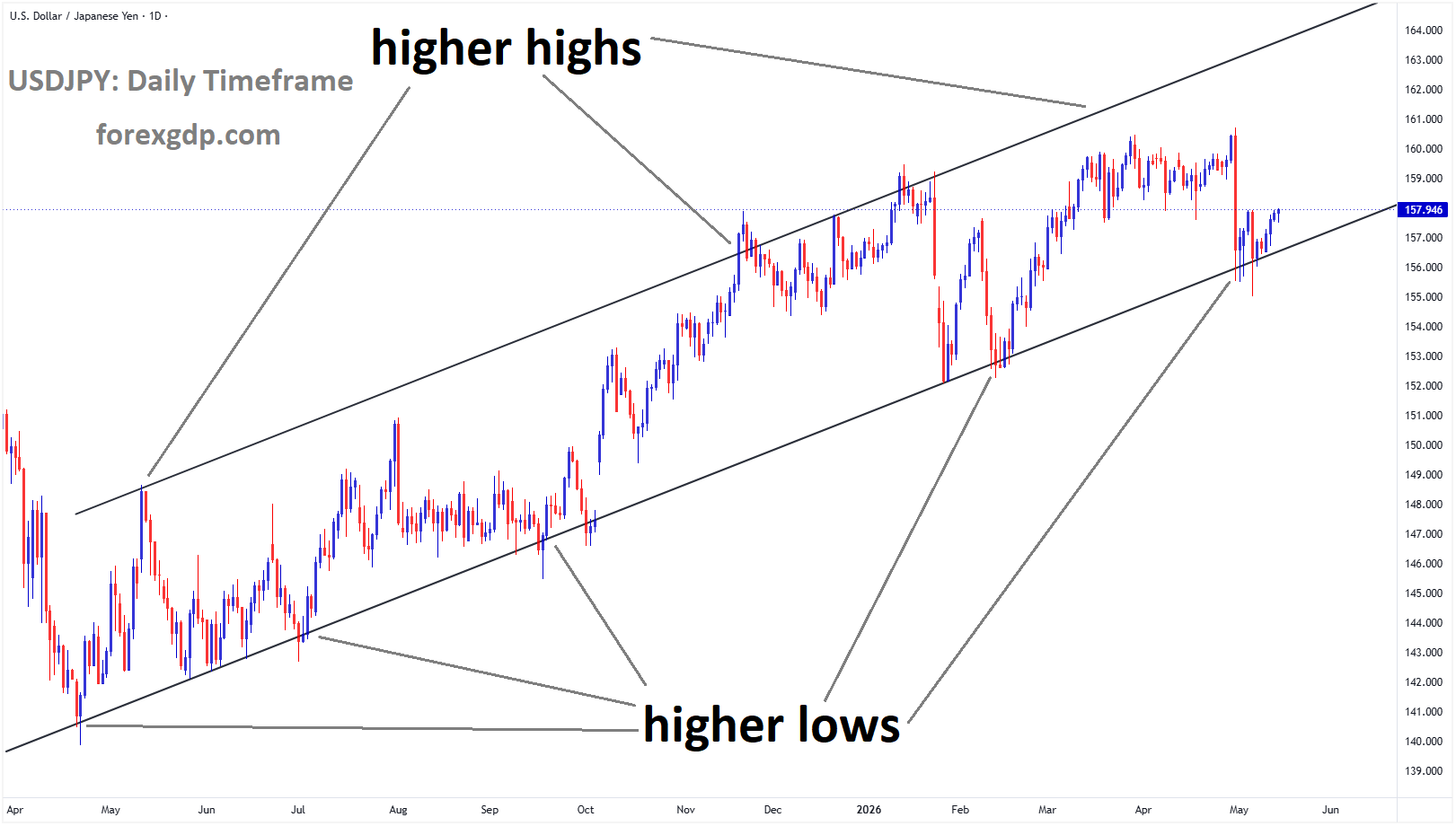
The Japanese Yen continued to lose ground against the US Dollar during Thursday’s European trading session, as the USD/JPY currency pair stayed close to the important 158.00 level. The pair has now reached its highest point in nearly two weeks, showing that the US Dollar is still dominating the market.
USDJPY is moving in an ascending channel, and the market has rebounded from the higher low area of the channel
The recent strength of the Dollar has been driven mainly by changing expectations around US interest rates. Investors are now becoming more confident that the Federal Reserve may keep interest rates high for longer than previously expected. At the same time, the Japanese Yen has struggled to gain support even after signals from the Bank of Japan suggested that another interest rate hike could happen soon.
US Dollar Strength Continues to Pressure the Yen
The US Dollar has remained strong throughout the week, supported by firm economic data and rising inflation concerns in the United States. The US Dollar Index (DXY), which measures the value of the Dollar against a group of major global currencies, has climbed around 0.72% this week and is trading near 98.55.
One of the biggest reasons behind the Dollar’s rise is the growing belief that the Federal Reserve will not reduce interest rates anytime soon. Earlier this year, many traders expected the Fed to begin cutting rates in 2025. However, those expectations have changed sharply after fresh inflation data showed that price pressures in the US remain stubbornly high.
According to the CME FedWatch tool, investors now largely expect the Federal Reserve to keep rates unchanged for the foreseeable future. There is even some speculation that the central bank could consider another rate increase if inflation continues to rise.
This shift in expectations has pushed investors toward the US Dollar, making it more attractive compared to currencies like the Japanese Yen.
Rising US Inflation Changes Market Expectations
The major turning point came after the release of the US Consumer Price Index (CPI) report for April. The report showed that headline inflation rose to 3.8% on a yearly basis, marking the highest inflation level seen in almost three years.
The data surprised many investors who had hoped inflation would continue slowing down. Instead, the stronger-than-expected figures suggested that inflation remains a serious concern for policymakers.
Because of this, traders quickly reduced their expectations for future Federal Reserve rate cuts. Financial markets are now pricing in a much more cautious approach from the Fed.
Higher interest rates in the United States generally support the US Dollar because they offer better returns for investors holding Dollar-based assets. This situation has widened the policy gap between the Federal Reserve and the Bank of Japan, putting additional pressure on the Yen.
Bank of Japan Signals Possible Rate Hike
While the US Dollar has been gaining strength, the Japanese Yen received limited support from comments linked to the Bank of Japan.
The Bank of Japan’s Summary of Opinions from its April policy meeting suggested that officials are considering another interest rate hike as early as the next meeting in June. Policymakers reportedly believe that gradual tightening may still be possible despite global economic uncertainties, including tensions in the Middle East.
This was seen as a somewhat hawkish signal from the BoJ, especially after Japan recently moved away from years of ultra-loose monetary policy. However, the impact on the Yen remained limited because investors still believe Japanese interest rates will stay much lower than those in the United States.
Interest Rate Gap Remains a Key Factor
One of the main reasons the Yen continues to struggle is the large interest rate difference between Japan and the United States.
Even though the Bank of Japan has started adjusting its policies, borrowing costs in Japan remain extremely low compared to the US. Investors looking for higher returns continue to favor the Dollar over the Yen.
This difference encourages what is commonly known as the carry trade, where traders borrow in low-interest-rate currencies like the Yen and invest in higher-yielding assets elsewhere. As long as US rates remain elevated, the Yen could continue facing downward pressure.
Investors Watch Trump-Xi Meeting Closely
Market participants are also paying attention to geopolitical developments, particularly after reports that US President Donald Trump met with Chinese leader Xi Jinping.
Any comments following the meeting could influence market sentiment and global trade expectations. Investors are closely watching for signals about US-China relations, tariffs, and economic cooperation.
Positive developments could improve overall market confidence, while signs of renewed tension may increase uncertainty across financial markets.
Focus Turns to US Retail Sales Data
Later in the trading session, investors are expected to closely monitor the upcoming US Retail Sales report for April. The data is scheduled for release at 12:30 GMT and is considered an important measure of consumer spending in the American economy.
Economists expect Retail Sales to rise by 0.5% after the previous reading of 1.7%. Although the expected growth is slower than the previous month, it would still show that consumer demand remains healthy.
Strong consumer spending is another factor that could support the Federal Reserve’s cautious stance on interest rates. If the report comes in stronger than expected, it may further strengthen the US Dollar and keep pressure on the Japanese Yen.
Global Markets Remain Sensitive to Central Bank Decisions
Currency markets are currently reacting strongly to every piece of economic data and every comment from central bank officials. Traders are trying to predict when major central banks will begin adjusting their policies, especially after years of aggressive interest rate changes.
For now, the Federal Reserve appears focused on controlling inflation, while the Bank of Japan is only slowly moving away from its long-standing stimulus measures. This difference in policy direction remains one of the biggest drivers behind the recent movement in USD/JPY.
Until inflation in the United States shows clearer signs of slowing down, the Dollar may continue holding its advantage over the Yen.
Summary
The Japanese Yen remains under pressure as the US Dollar continues to benefit from strong inflation data and changing expectations around Federal Reserve policy. Investors are increasingly convinced that US interest rates will stay elevated for longer, boosting demand for the Dollar.
Although the Bank of Japan has hinted at another possible interest rate hike, the Yen has struggled to gain momentum because Japanese rates are still much lower than those in the US. Upcoming US economic data, including Retail Sales figures, could play an important role in determining the next move for the USD/JPY pair as markets continue watching inflation and central bank decisions closely.
USDCAD Moves Sideways While Oil Rally Supports Canadian Dollar
The USD/CAD currency pair traded with very little movement on Thursday as investors reacted to a mix of economic and geopolitical developments. While positive signals from the meeting between US President Donald Trump and Chinese President Xi Jinping improved market sentiment, rising Oil prices continued to influence the direction of the Canadian Dollar.
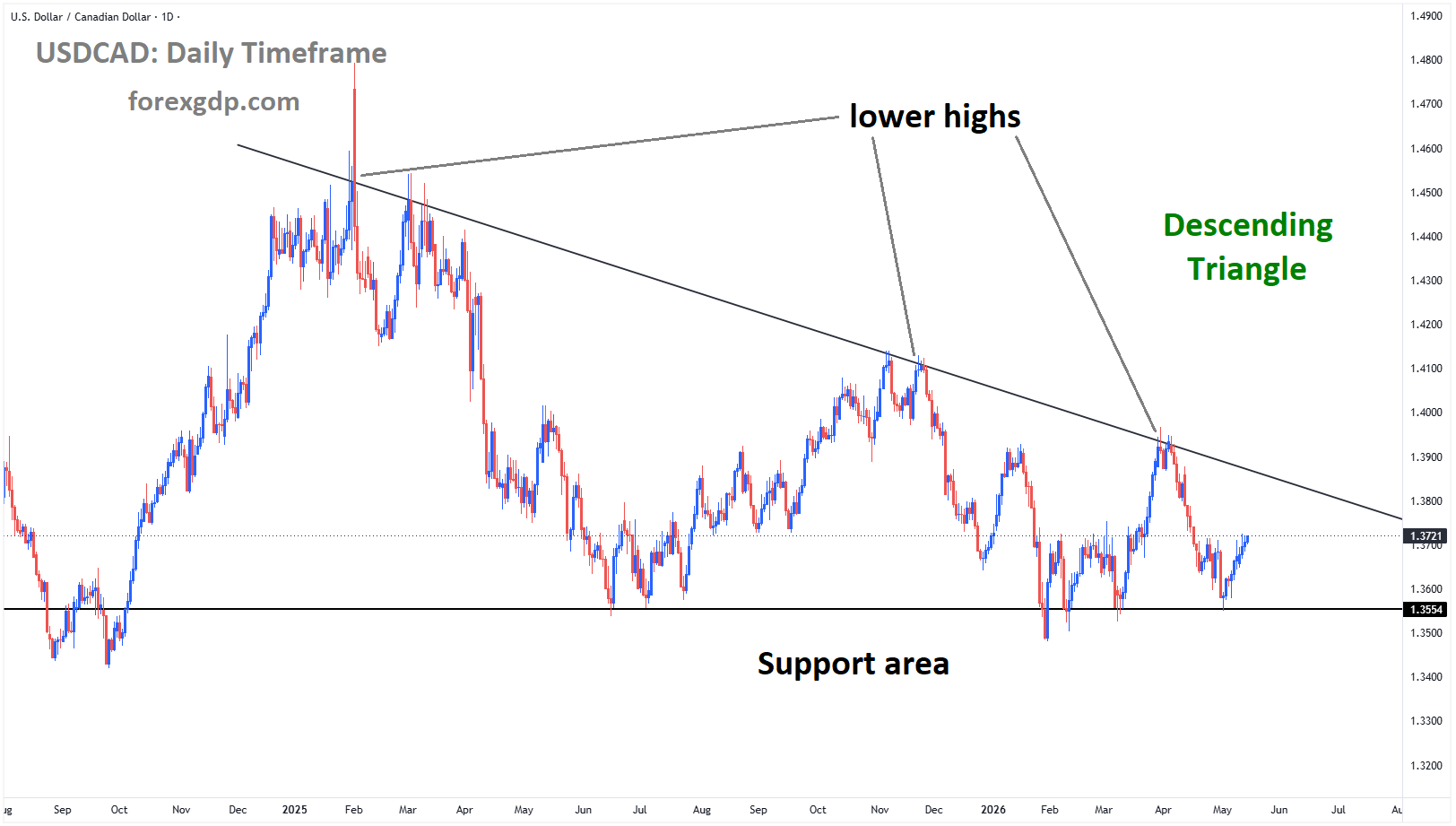
USDCAD is moving in a descending triangle pattern, and the market has rebounded from the support area of the pattern
At the time of trading, USD/CAD hovered near the 1.3705 level, remaining mostly unchanged throughout the day. Traders appeared cautious as they weighed the impact of improving US-China relations against ongoing concerns surrounding global Oil supply and US monetary policy.
Investor attention was largely focused on the latest meeting between Donald Trump and Xi Jinping. According to reports from Reuters citing a White House official, the discussions between the two leaders were constructive and centered on improving economic cooperation between the United States and China.
The talks reportedly covered several important areas, including broader market access for American companies operating in China. Discussions also included the possibility of increased Chinese investment in the US economy and larger purchases of American agricultural goods by China.
These developments helped improve overall market confidence because stronger ties between the world’s two largest economies could support global trade and economic growth. Financial markets generally respond positively when tensions between major economies ease, especially after periods of uncertainty.
Although the discussions did not lead to any major policy announcements, the positive tone from both sides helped reduce fears of escalating trade disputes. This kept investors from making aggressive moves in either direction in the currency market.
Strait of Hormuz Remains a Key Focus for Energy Markets
Another major topic from the Trump-Xi discussions was the situation surrounding the Strait of Hormuz, one of the world’s most important Oil shipping routes.
Both leaders emphasized the importance of keeping the Strait of Hormuz open and also repeated that Iran must never obtain a nuclear weapon. These statements helped calm some fears about disruptions to global energy supplies following recent tensions in the Middle East.
The Strait of Hormuz plays a critical role in global energy transportation because a large portion of the world’s Crude Oil shipments passes through the narrow waterway. Any threat to the route can quickly affect global Oil markets and fuel concerns about supply shortages.
Even though the latest comments reduced some immediate fears, traders remain cautious because geopolitical tensions in the region have not fully disappeared. Ongoing uncertainty continues to support higher Oil prices.
Rising Oil Prices Support the Canadian Dollar
Oil prices continued to rise on Thursday, adding another layer of influence to USD/CAD trading. West Texas Intermediate (WTI) Crude Oil climbed around 0.51% to trade near $97.45 per barrel.
The rise in Oil prices has been driven largely by concerns about global supply conditions. Recent data from the US Energy Information Administration (EIA) showed that Crude flows through the Strait of Hormuz declined during the first quarter as regional tensions intensified.
Higher Oil prices are especially important for Canada because the country is one of the world’s major energy exporters and the largest supplier of Crude Oil to the United States. When Oil prices rise, the Canadian economy often benefits from stronger export revenues, which can strengthen the Canadian Dollar.
As a result, the gains in Oil prices helped provide support for the CAD and limited stronger upward movement in USD/CAD. Even though the US Dollar remains relatively firm, the commodity-linked Canadian Dollar continues to find support from the energy market.
US Dollar Remains Stable Despite Fed Expectations
The US Dollar also remained supported during the session as investors continued to monitor expectations surrounding the Federal Reserve.
The US Dollar Index (DXY), which measures the value of the Greenback against a basket of major currencies, stayed near the 98.50 level during the day.
Recent US inflation data has strengthened expectations that the Federal Reserve may keep interest rates elevated for longer than previously expected. In particular, April’s Producer Price Index (PPI) came in stronger than forecast, signaling that inflation pressures remain persistent in parts of the US economy.
Stronger inflation data typically reduces expectations for near-term interest rate cuts because the Federal Reserve aims to control inflation through tighter monetary policy. Higher interest rates generally support the US Dollar by making US assets more attractive to global investors.
Because of this, the Greenback continues to receive support from expectations that the Fed could maintain a restrictive policy stance for an extended period.
Why USD/CAD Remains Caught Between Opposing Forces
The current movement in USD/CAD reflects a balance between two major market drivers.
On one side, the US Dollar is benefiting from resilient economic data and expectations that the Federal Reserve may delay interest rate cuts. This provides underlying support for the USD.
On the other side, rising Oil prices are strengthening the Canadian Dollar because of Canada’s close relationship with the global energy market. Stronger commodity prices often improve Canada’s trade outlook and support demand for the CAD.
At the same time, improving sentiment from the US-China meeting has reduced some market uncertainty but has not been enough to create a strong directional move in the currency pair.
This combination of factors has kept USD/CAD trading within a relatively narrow range as traders wait for clearer signals from economic data, central bank policy decisions, and geopolitical developments.
Energy Markets Could Continue Driving Canadian Dollar Performance
Looking ahead, Oil prices are likely to remain one of the biggest factors influencing the Canadian Dollar.
If geopolitical tensions in the Middle East continue to affect supply expectations, higher Crude prices may keep supporting the CAD. However, any major easing in tensions or improvement in supply conditions could reduce this support.
Investors will also continue monitoring upcoming economic data from both the United States and Canada for clues about future monetary policy decisions.
For now, the Canadian Dollar remains closely tied to movements in the energy market, while the US Dollar continues to draw strength from inflation concerns and Federal Reserve policy expectations.
Summary
USD/CAD remained mostly stable as markets reacted to positive developments from the Trump-Xi meeting and ongoing strength in global Oil prices. Improved US-China relations helped ease some market concerns, while discussions about keeping the Strait of Hormuz open reduced fears of major supply disruptions.
At the same time, rising Oil prices continued to support the Canadian Dollar due to Canada’s role as a major Crude exporter. Meanwhile, stronger US inflation data kept expectations for restrictive Federal Reserve policy in place, helping the US Dollar remain firm.
With both currencies receiving support from different factors, USD/CAD stayed trapped in a narrow trading range as investors balanced economic optimism, energy market risks, and central bank expectations.
NZDUSD Under Pressure While New Zealand Faces Mounting Economic Challenges
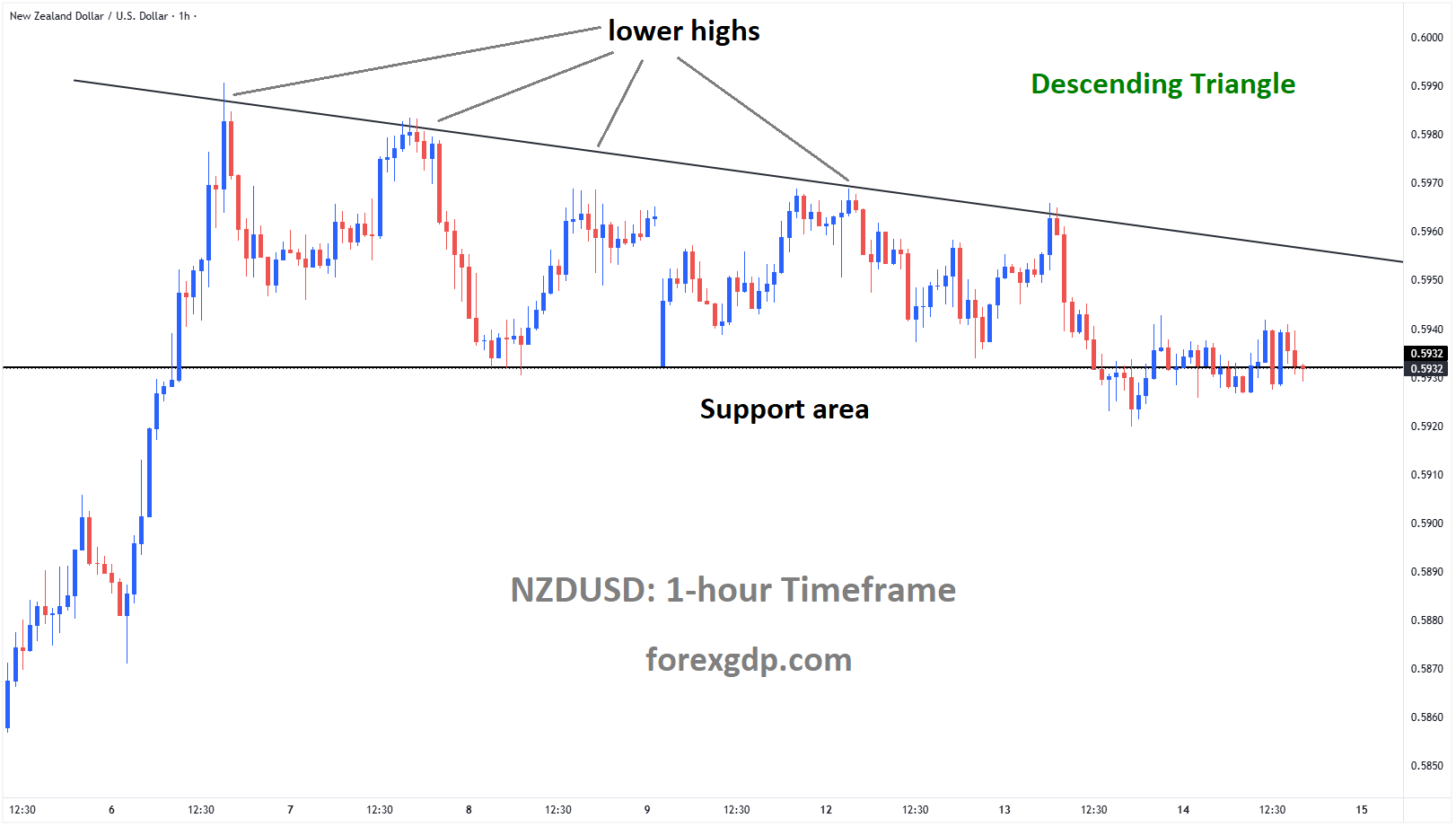
The NZD/USD currency pair remained under pressure after recording losses for three straight sessions. During Thursday’s European trading hours, the pair moved around the 0.5930 level as investors stayed cautious about the outlook for the New Zealand economy.
NZDUSD reached the support area of the box pattern
The New Zealand Dollar has been struggling due to growing worries about the country’s fiscal situation and weaker economic expectations. At the same time, strong economic data from the United States has supported the US Dollar, making it harder for the NZD to recover.
Fiscal Concerns Hurt Confidence in the New Zealand Dollar
Investor sentiment toward the New Zealand Dollar weakened as concerns increased over the country’s economic and fiscal challenges. Many traders believe New Zealand could face a difficult period ahead, especially if economic growth continues to slow while inflation remains elevated.
These concerns have created uncertainty in financial markets and reduced demand for the NZD. Investors generally avoid currencies linked to economies facing rising debt pressures, weak growth, or uncertain monetary policy outlooks.
The cautious mood was strengthened after the Reserve Bank of New Zealand released its latest quarterly survey. The report showed that businesses and consumers expect inflation to stay high for longer than previously expected. It also revealed growing concerns about rising interest rates and higher unemployment levels over the coming year.
The survey painted a difficult picture for the economy. Expectations for weaker growth added to fears that households and businesses may face tougher financial conditions in the months ahead.
RBNZ Survey Signals Tough Economic Environment
The Reserve Bank of New Zealand’s quarterly survey played a major role in shaping market sentiment. Investors closely monitor these surveys because they provide insight into how businesses and consumers view the economy.
According to the report, inflation expectations remain elevated, which could keep pressure on policymakers. Higher inflation often forces central banks to maintain tighter monetary policies for longer periods. While higher interest rates are usually supportive for a currency, the broader economic weakness in New Zealand has overshadowed that effect.
The survey also highlighted concerns about rising unemployment. A weaker labor market could reduce consumer spending and slow economic activity further. Businesses may also become more cautious with investments and hiring if uncertainty continues.
Together, these factors have made investors more defensive toward the New Zealand Dollar, especially as global financial markets remain sensitive to economic risks.
Investors Wait for Fresh New Zealand Economic Data
Trading activity has remained relatively calm as investors wait for more economic data from New Zealand. Market participants are closely watching upcoming reports on food inflation and manufacturing activity.
Food inflation data will provide further clues about price pressures inside the economy. If inflation remains stubbornly high, it could complicate the Reserve Bank’s efforts to balance economic growth with price stability.
Meanwhile, the manufacturing Purchasing Managers’ Index (PMI) will offer insight into the health of New Zealand’s industrial sector. A weak reading could increase concerns about slowing economic momentum, while stronger numbers may provide temporary support for the NZD.
These reports are expected to influence short-term market direction and could determine whether the New Zealand Dollar finds stability or continues to weaken.
US Dollar Gains Support From Safe-Haven Demand
While the New Zealand Dollar struggles, the US Dollar has benefited from cautious global market sentiment. Investors often turn to the US Dollar during periods of uncertainty because it is viewed as a safer and more stable asset.
Part of the market’s attention is focused on the high-level meeting between US President Donald Trump and Chinese President Xi Jinping in Beijing. The summit has attracted global interest because the relationship between the world’s two largest economies plays a major role in international trade and financial markets.
President Xi emphasized the importance of maintaining stable relations between the United States and China, describing cooperation as important for global stability and shared economic opportunities.
President Trump also expressed optimism about future ties, stating that he believed the relationship between the two countries could improve further.
Although the comments sounded positive, investors remain cautious as they wait for more concrete developments from the discussions. Any sign of tension or disagreement could increase market volatility and boost demand for safe-haven assets like the US Dollar.
Strong US Inflation Data Supports Hawkish Fed Expectations
Another major factor supporting the US Dollar has been stronger-than-expected inflation-related data from the United States.
US producer prices rose sharply in April, recording the fastest yearly increase since 2022. The Producer Price Index (PPI), which measures inflation at the wholesale level, climbed 6.0% from a year earlier. This was significantly higher than both the previous reading and market expectations.
On a monthly basis, producer prices also increased much more than analysts had forecast. The sharp rise suggested that inflation pressures in the US economy remain strong.
This data reinforced expectations that the Federal Reserve may continue to maintain a strict monetary policy stance. Investors now believe the central bank could keep interest rates elevated for longer in an effort to control inflation.
Higher US interest rates generally strengthen the US Dollar because they attract global investors seeking better returns on investments denominated in USD.
As a result, the strong inflation data has added further pressure on the NZD/USD pair.
US Retail Sales Data Remains in Focus
Investors are also preparing for the release of the latest US Retail Sales report. The data is expected to provide important insight into consumer spending trends in the United States.
Consumer spending plays a major role in the US economy, and strong retail sales figures could reinforce confidence in economic growth. If the report exceeds expectations, it may further support the US Dollar by strengthening the case for the Federal Reserve to maintain higher interest rates.
On the other hand, weaker retail sales numbers could slightly reduce pressure on the New Zealand Dollar if investors begin to expect a softer approach from the Fed in the future.
Summary
The NZD/USD pair continues to face downward pressure as concerns grow over New Zealand’s economic outlook. Rising worries about inflation, unemployment, and slowing growth have weakened confidence in the New Zealand Dollar.
At the same time, strong US economic data and safe-haven demand have supported the US Dollar. Investors are also watching global political developments and upcoming economic reports closely for signs of future market direction.
With both New Zealand and US data remaining in focus, traders are likely to stay cautious in the near term as they assess the next move for the NZD/USD pair.
EURGBP Slips Under Pressure After Robust British Economic Reports
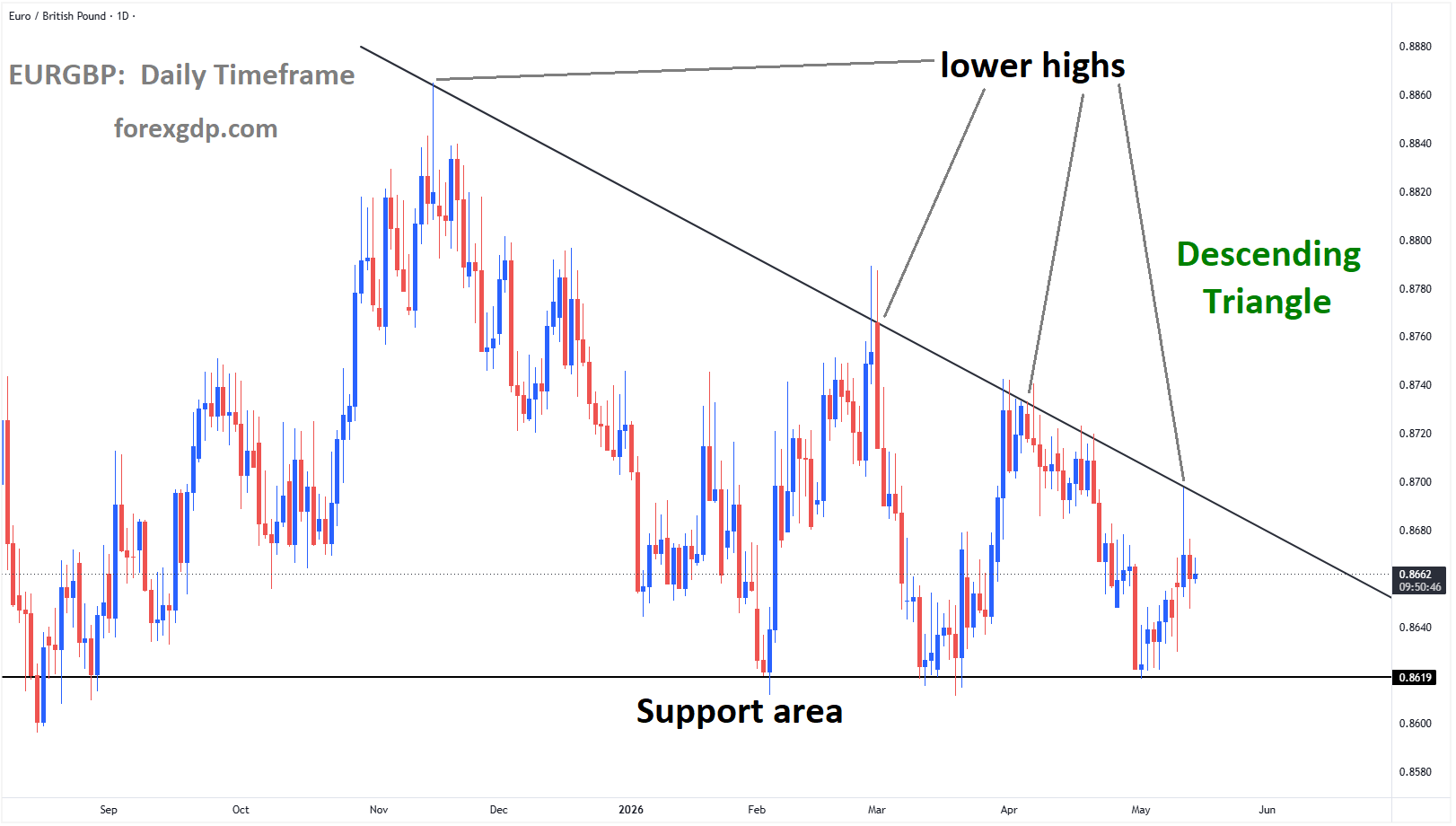
The EUR/GBP currency pair remained stable near the 0.8660 level on Thursday after pulling back from the 0.8700 zone earlier in the week. The British Pound found support after the United Kingdom released stronger-than-expected economic data, helping calm fears about the possible economic effects of rising tensions in the Middle East.
EURGBP is moving in a descending triangle pattern, and the market has reached the lower high area of the pattern
At the same time, traders and investors are closely watching developments in the Eurozone, especially comments expected from European Central Bank President Christine Lagarde later in the day. Her speech could offer fresh signals about the direction of European monetary policy in the coming months.
UK Economic Growth Beats Expectations
The latest economic figures from the UK painted a more positive picture than many analysts expected. According to preliminary data from the Office for National Statistics, the UK economy expanded by 0.6% during the first quarter of the year. This marked a noticeable improvement from the previous quarter, when growth was only 0.2%.
The stronger performance suggests that the British economy has shown resilience despite ongoing global uncertainty and geopolitical tensions. Many investors had worried that conflicts in the Middle East, particularly concerns linked to Iran, could weaken business confidence and consumer spending. However, the latest numbers helped reduce some of those fears.
Monthly GDP data for March also surprised markets in a positive way. Instead of shrinking as expected, the economy grew by 0.3%. Economists had predicted a contraction of 0.2%, making the result a strong sign that economic activity remained healthier than anticipated.
This positive surprise provided support to the Pound and prevented the EUR/GBP pair from moving significantly higher.
Manufacturing Sector Shows Strong Recovery
Another key factor supporting the British Pound was the rebound in manufacturing production. The sector grew by 1.2% in March after a revised decline of 0.2% in February.
Market expectations had pointed toward another small contraction, so the strong increase came as welcome news for investors and businesses alike. The manufacturing sector is often viewed as an important measure of economic health because it reflects demand, production activity, and business confidence.
The rebound may indicate that companies are adjusting well to recent economic challenges and that industrial activity is stabilizing after earlier weakness.
Stronger manufacturing output can also improve export performance and support employment, both of which are important for overall economic growth.
Services Sector Continues to Expand
The UK services sector also delivered encouraging results. The Index of Services rose by 0.8% in March, up from 0.5% in February and above market expectations of 0.6%.
Since the services industry represents a major part of the British economy, stronger growth in this area is especially important. The sector includes industries such as finance, retail, hospitality, healthcare, and professional services.
Steady growth in services suggests that consumer demand remains stable and businesses continue to operate at a healthy pace. This broader economic strength has helped improve confidence in the UK economy and provided additional support to the Pound.
Political Uncertainty Limits Further Pound Gains
Despite the encouraging economic data, the British Pound did not strengthen aggressively against the Euro. One reason is the growing political uncertainty both within Europe and globally.
Investors remain cautious because geopolitical tensions can quickly change market sentiment. Concerns surrounding the Middle East conflict continue to create uncertainty in global financial markets, making traders reluctant to take large positions.
Political uncertainty in Europe has also kept some support under the Euro, preventing EUR/GBP from falling more sharply.
Currency markets often react not only to economic numbers but also to investor confidence and global risk sentiment. Even strong data may have a limited impact if broader uncertainty remains high.
Eurozone Inflation Remains Elevated
In the Eurozone, inflation data from Spain attracted attention on Thursday. Spain’s Harmonized Index of Consumer Prices rose by 3.5% year-over-year in April, slightly higher than the 3.4% recorded in March.
The data confirmed that inflation pressures remain present in parts of the Eurozone, especially due to energy-related costs. Rising energy prices have continued to affect households and businesses across Europe, keeping inflation above desired levels.
Persistent inflation could influence future decisions by the European Central Bank, particularly regarding interest rates and monetary policy.
For investors, inflation data is important because it can affect economic growth, borrowing conditions, and currency strength.
Christine Lagarde’s Speech in Focus
The main event for markets later in the day is expected to be a speech by European Central Bank President Christine Lagarde in Aachen, Germany.
Investors are hoping to gain more clarity on the ECB’s future policy plans. In particular, markets are looking for clues about when the central bank may decide to raise interest rates again.
There is growing speculation that the ECB could move toward another tightening step either in June or July. Any comments from Lagarde suggesting a more aggressive approach to inflation could provide support to the Euro.
On the other hand, if her tone appears cautious or signals concerns about economic growth, the Euro could face renewed pressure against the Pound.
Central bank communication plays a major role in currency markets because traders closely watch policymakers for hints about future interest rate decisions and economic outlooks.
Market Sentiment Remains Cautious
Although the UK economic data improved confidence in the British economy, investors remain careful due to ongoing global risks. Financial markets continue to balance positive economic indicators with concerns about geopolitical tensions and future central bank decisions.
The EUR/GBP pair has therefore remained relatively stable, with neither currency gaining a decisive advantage.
Market participants are likely to continue monitoring economic releases, inflation data, and comments from policymakers for clearer direction in the coming weeks.
Summary
EUR/GBP traded steadily around the 0.8660 level after strong UK economic data helped support the British Pound. The UK economy showed stronger-than-expected growth in March, while manufacturing and services activity also improved significantly.
These positive figures reduced fears of a sharp economic slowdown and highlighted the resilience of the British economy despite global uncertainty. However, ongoing political and geopolitical risks limited stronger gains for the Pound.
Meanwhile, inflation pressures in the Eurozone remained elevated, and investors shifted their attention toward ECB President Christine Lagarde’s upcoming speech for fresh guidance on future monetary policy decisions.
With both economic data and central bank expectations shaping market sentiment, traders are likely to remain cautious as they look for the next major catalyst in the EUR/GBP market.
Don’t trade all the time, trade forex only at the confirmed trade setups
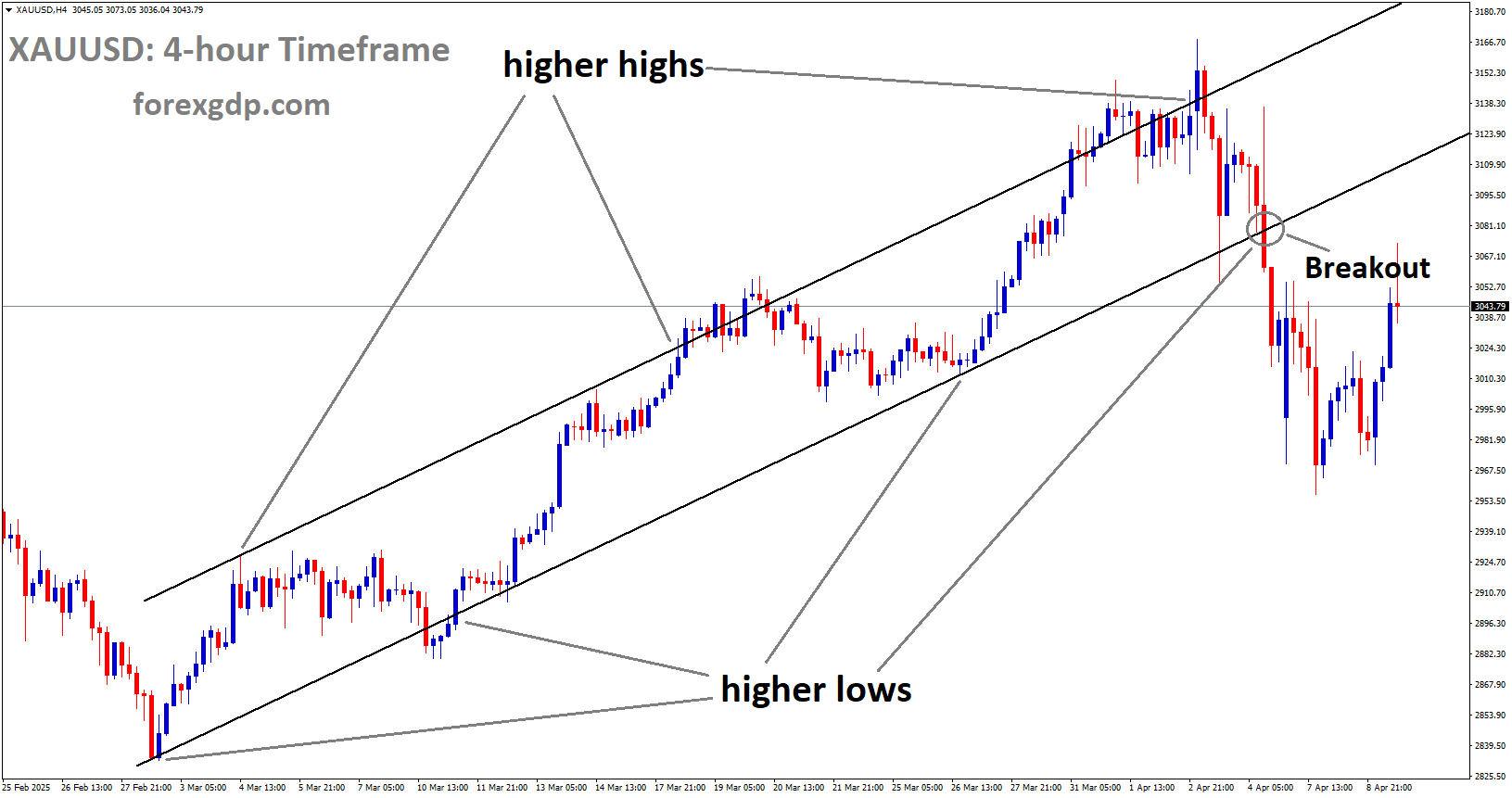
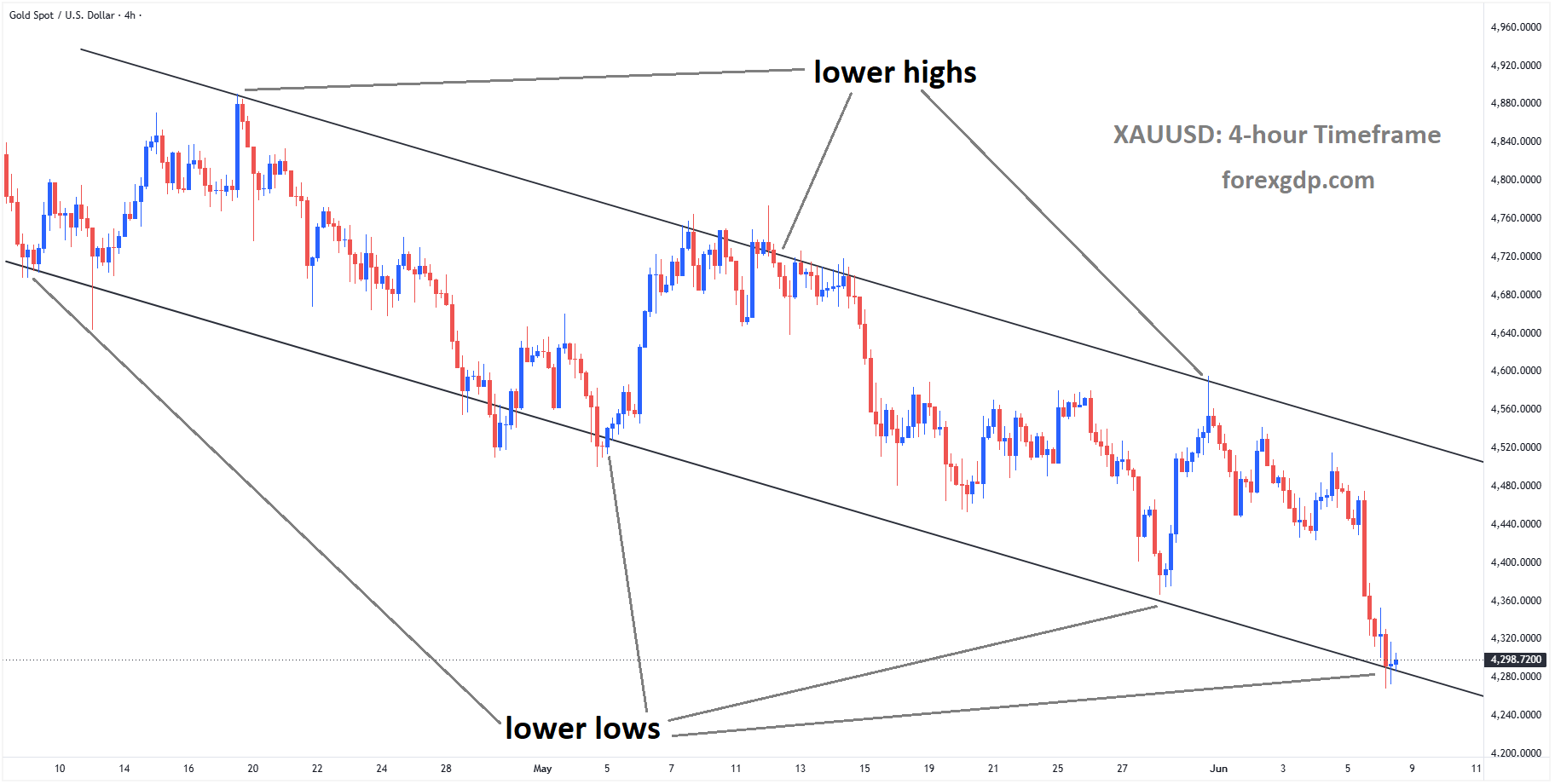
XAUUSD has broken the Ascending channel in downside #XAUUSD Analysis Video [embed]https://youtube.com/shorts/GgOupwyxIc8[/embed] Gold is once again becoming the star of…