

The forex market has a strange way of exposing people. It does not just test strategy. It tests patience, ego, fear, greed, and emotional endurance all at once. One moment feels like victory, and the next feels like watching your confidence get hit by a freight train. That is why the phrase “Refuse to trade in chaos” carries more weight than most traders realize.
Chaos in trading is not always loud. Sometimes it looks like overconfidence after a winning streak. Sometimes it appears as panic during a sudden market crash. Other times, it quietly slips into a trader’s routine through emotional decisions, random entries, and impulsive revenge trades. The market itself already contains enough uncertainty. Bringing emotional chaos into it is like pouring gasoline on a fire.
Successful forex trading is rarely about chasing excitement. In fact, the traders who survive the longest are often the most boring ones. They stick to structure. They wait. They analyze. They respect risk. While others jump into the market like gamblers at a casino, disciplined traders move with intention.
The truth hurts a little, though. Most people do not fail in forex because the market is impossible. They fail because they refuse to control themselves. The charts become a mirror, reflecting every emotional weakness they hoped to hide.
The Hidden Cost of Chaotic Trading
Trading chaos has a price, and it is usually much higher than people expect. The damage goes far beyond losing money. It slowly chips away at confidence, focus, and emotional stability.
A chaotic trader often wakes up thinking about losses and sleeps with anxiety about open positions. Every candle on the chart feels personal. Every market movement feels like an attack. Instead of trading logically, they react emotionally, like a driver swerving wildly during a storm.
The market rewards calm thinking. Chaos does the opposite. It clouds judgment and turns simple decisions into emotional disasters. A trader who constantly changes strategies, enters trades impulsively, and ignores risk management eventually becomes trapped in a cycle that feels impossible to escape.
Emotions Become the Real Enemy
Many traders believe the market is their biggest opponent. It is not. The real battle usually happens internally.
Fear can make traders close winning trades too early. Greed pushes them to hold losing positions longer than they should. Anger encourages revenge trading after losses. Excitement leads to reckless entries. These emotions operate like invisible thieves, stealing rational thinking one decision at a time.
The dangerous part is that emotional trading often feels justified in the moment. A trader convinces themselves they are “following intuition,” when in reality they are simply reacting emotionally. That small lie becomes expensive over time.
Fear Creates Hesitation
Fear can freeze decision-making faster than ice on a winter road. Traders begin doubting setups they normally trust. They hesitate during perfect opportunities and enter late after the move already happened.
That hesitation creates frustration. Frustration leads to rushed decisions. Suddenly, the trader is no longer following a plan. They are chasing the market emotionally, hoping to recover lost confidence.
Greed Destroys Patience
Greed rarely announces itself openly. It whispers quietly. It says things like, “Hold a little longer,” or “Double the lot size this time.”
The forex market punishes greed without mercy. Traders who abandon discipline for bigger profits often experience dramatic losses that wipe out weeks or months of gains. One reckless trade can undo countless careful ones.
Overtrading Feels Productive but Isn’t


There is a toxic belief among struggling traders that more trades equal more opportunities. In reality, overtrading usually signals emotional instability rather than skill.
The market does not pay traders for activity. It rewards precision. Yet many traders sit in front of charts for hours, forcing trades simply because they feel uncomfortable doing nothing.
Patience feels boring to impatient people. But boredom is often where profitable trading lives.
The Addiction to Market Action
Watching charts can become strangely addictive. The flashing candles, sudden spikes, and emotional highs create an environment that feels thrilling. Some traders become addicted to that excitement without realizing it.
The problem is that emotional excitement and profitable trading rarely coexist peacefully. Trading should feel controlled, not chaotic. When every trade feels like an adrenaline rush, something is probably wrong.
Revenge Trading Turns Small Losses Into Disasters
A loss can bruise the ego. For some traders, that emotional sting becomes unbearable. Instead of stepping away, they immediately enter another trade hoping to recover what they lost.
This is revenge trading, and it destroys accounts faster than most strategies fail. Decisions made from anger almost always ignore logic. The trader stops thinking about probabilities and starts thinking emotionally.
The market does not care about personal frustration. It simply keeps moving.
Discipline Is the Quiet Power Behind Consistency
Discipline is not flashy. It does not create dramatic screenshots for social media. It rarely gets applause. But without it, long-term success in forex becomes nearly impossible.
Disciplined traders understand something important: survival comes first. They focus less on making quick money and more on protecting their capital. That mindset changes everything.
Instead of acting emotionally, disciplined traders operate with structure. They know when to enter, when to exit, and when to stay away completely. That consistency acts like armor during volatile market conditions.
A Trading Plan Creates Stability


Trading without a plan is like sailing through a hurricane without a compass. You might survive briefly, but eventually chaos takes control.
A solid trading plan provides structure during emotional moments. It reduces impulsive decisions and creates boundaries that protect traders from themselves. When emotions rise, the plan becomes an anchor.
The best trading plans are simple enough to follow consistently. Complexity often creates confusion, and confusion creates mistakes.
Risk Management Protects the Future
Many traders obsess over profits while ignoring risk. That is like building a house while ignoring the foundation. Eventually, everything collapses.
Risk management protects traders from catastrophic losses. It ensures that one bad trade does not destroy months of hard work. Consistent traders understand that preservation matters more than excitement.
A trader who survives difficult markets has another chance tomorrow. A trader who blows an account does not.
Consistency Beats Intensity
Some traders approach forex like a sprint. They want massive gains immediately. That mindset often leads to emotional exhaustion and reckless behavior.
Successful trading behaves more like a marathon. Slow, steady growth usually outlasts aggressive emotional trading. Consistency may feel less exciting, but it creates stability over time.
Patience Separates Professionals From Gamblers
Patience is painful for people addicted to action. Yet it remains one of the most powerful skills a trader can develop.
Professional traders understand they do not need to trade every market movement. They wait for quality setups. They allow the market to come to them instead of chasing every opportunity blindly.
Impatient traders often confuse movement with opportunity. But not every market condition deserves participation.
Waiting Is Part of the Strategy
Some days the best trade is no trade at all. That idea frustrates many beginners because they feel pressure to stay active.
Patience requires emotional maturity. It means accepting that opportunities will always return. Missing one setup is not the end of the world. Forcing bad trades usually causes far more damage.
The Market Rewards Calm Minds
Panic creates mistakes. Calmness creates clarity.
Traders who remain emotionally stable during volatility can make logical decisions while others fall apart emotionally. That emotional control becomes a competitive advantage over time.
The forex market often behaves like the ocean. Calm traders learn how to navigate the waves. Emotional traders drown fighting against them.
Chaos in the Market Will Always Exist

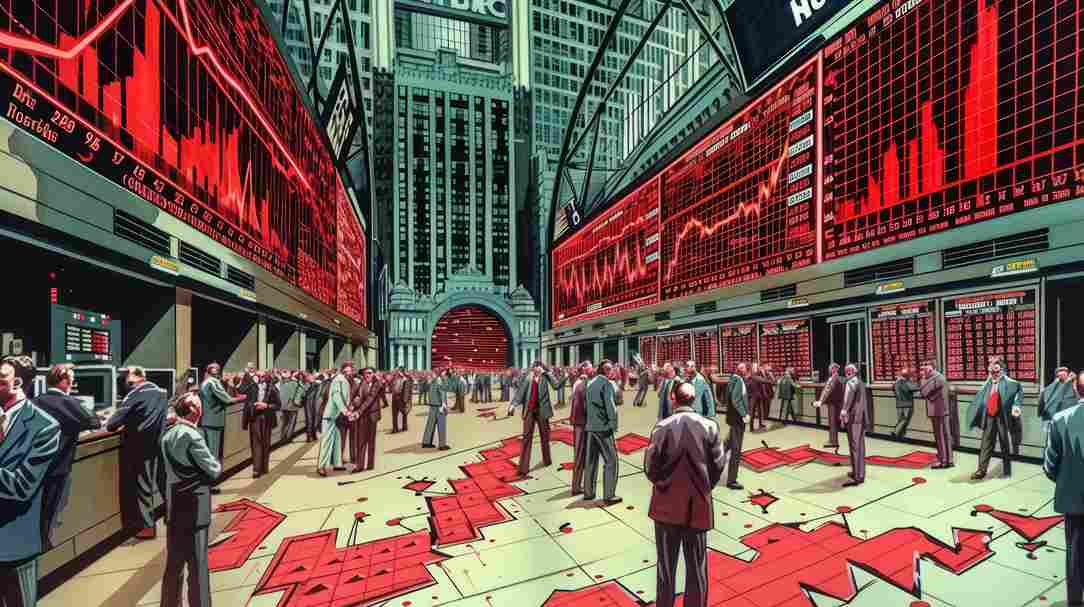
No trader can eliminate uncertainty from forex. News events, economic reports, political instability, and unexpected volatility will always influence the market. Chaos itself is unavoidable.
The real question is whether traders allow external chaos to become internal chaos.
Strong traders accept uncertainty as part of the game. Weak traders fight reality emotionally. One adapts. The other collapses under pressure.
News Events Trigger Emotional Reactions
Major economic announcements can send markets into violent movements within seconds. Prices spike aggressively, spreads widen, and emotions explode.
Many traders lose discipline during these moments. They chase volatility emotionally without considering the risks involved. The desire for quick profits blinds them to danger.
Experienced traders understand that emotional decisions during high volatility often end badly.
Panic Buying and Panic Selling
Crowd psychology becomes obvious during volatile market events. Traders panic buy during rapid bullish moves and panic sell during crashes.
This emotional herd mentality creates chaos. Instead of analyzing logically, traders react emotionally to fear and excitement spreading through the market.
The crowd often behaves emotionally at exactly the wrong moments.
Social Media Makes Trading Worse
Modern trading culture has become dangerously noisy. Social media platforms overflow with fake gurus, unrealistic profit screenshots, and exaggerated lifestyles.
This constant noise creates pressure. Traders begin comparing themselves to unrealistic expectations. They abandon discipline trying to imitate people who may not even be profitable.
Real trading success usually looks far less glamorous than social media suggests.
The Illusion of Fast Money
Forex attracts people because of possibility. The idea of financial freedom feels exciting. But excitement can become dangerous when expectations become unrealistic.
Many new traders enter the market expecting instant wealth. They imagine quitting jobs quickly and living stress-free lives. Reality hits differently.
Trading requires emotional control, patience, and resilience. There are losses. There are frustrating weeks. Sometimes there are months of slow progress.
Get-Rich-Quick Thinking Leads to Desperation
Desperation creates terrible trading decisions. Traders risking too much money often become emotionally unstable because every trade feels life-changing.
When survival depends on a trade winning, fear takes control. Logical thinking disappears under emotional pressure.
Healthy trading requires emotional distance from money.
Slow Growth Is Still Growth
Many traders underestimate the power of gradual improvement. They chase explosive gains while ignoring sustainable progress.
Consistent small wins build stronger foundations than reckless attempts at overnight success. Trading is not about proving intelligence. It is about surviving long enough to compound growth steadily.
Building a Calm Trading Mindset
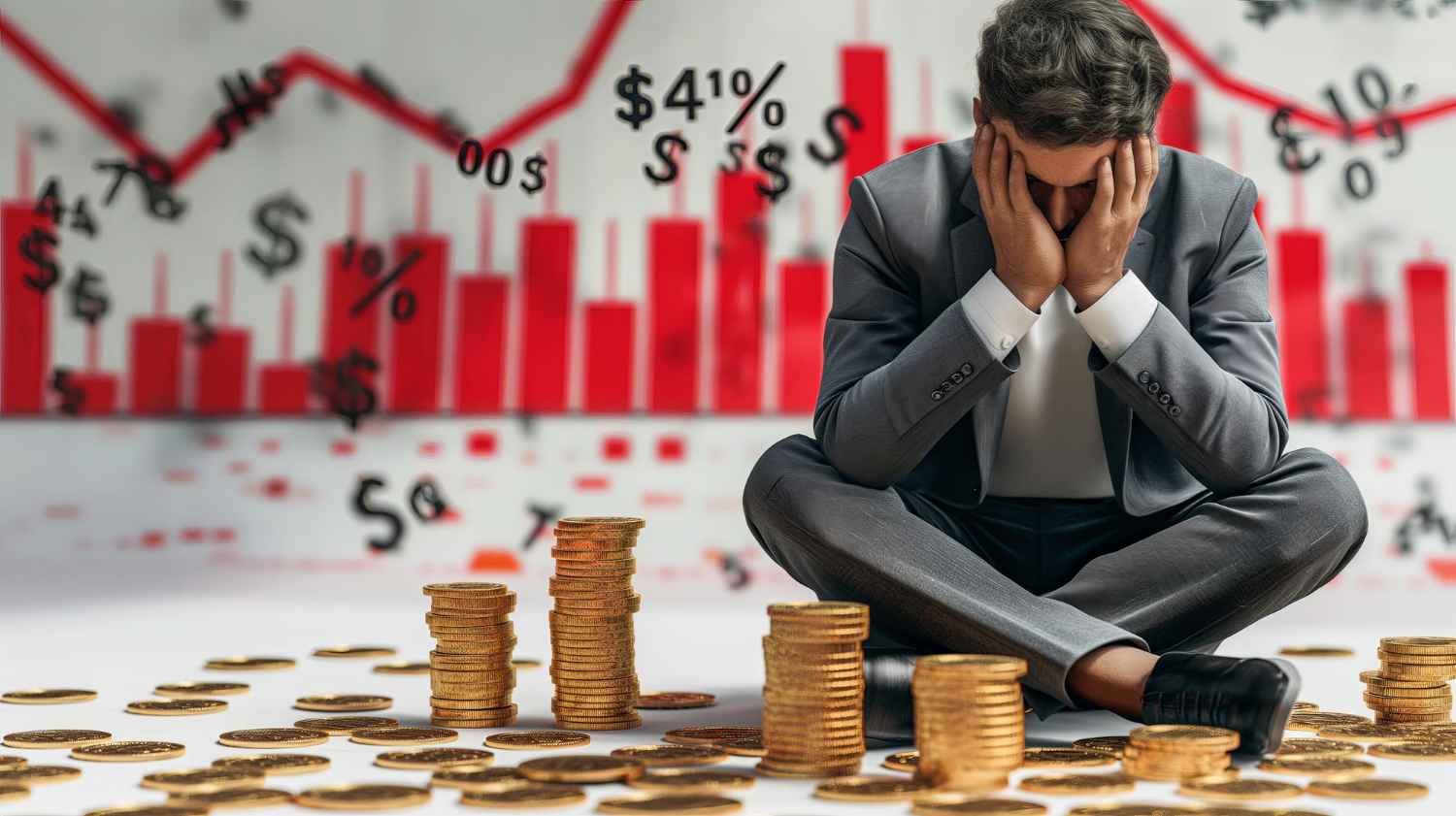
A calm trading mindset is not something people magically possess. It is built slowly through discipline, self-awareness, and emotional control.
Most traders spend too much time searching for the perfect strategy while ignoring psychology. Yet mindset often matters more than technical indicators.
A brilliant strategy becomes useless in the hands of an emotionally unstable trader.
Self-Awareness Changes Everything
Traders must understand their emotional patterns. Without self-awareness, destructive habits continue repeating endlessly.
Some traders become reckless after wins. Others become fearful after losses. Recognizing emotional tendencies allows traders to manage them more effectively.
Self-awareness acts like a flashlight inside a dark room. It reveals problems that were previously hidden.
Journaling Exposes Emotional Habits
Keeping a trading journal helps traders identify patterns in behavior. Over time, emotional mistakes become easier to recognize.
Many traders discover they lose money not because of bad strategies, but because they break their own rules repeatedly. The journal exposes uncomfortable truths.
Honesty matters in trading. Excuses do not protect accounts.
Discipline Requires Practice
Emotional control is like building muscle. It strengthens through repetition and consistency.
No trader becomes disciplined overnight. Mistakes happen. Emotions flare up occasionally. The important part is learning from those moments instead of repeating them endlessly.
Confidence Comes From Preparation
Real confidence is not arrogance. It comes from preparation and experience.
Prepared traders understand their systems, risk limits, and emotional triggers. That preparation creates stability during difficult market conditions.
Unprepared traders rely on hope. Hope is fragile under pressure.
Routine Creates Emotional Stability
A structured trading routine reduces emotional randomness. Reviewing charts calmly, analyzing setups carefully, and following consistent habits creates mental stability.
Chaos thrives in disorder. Routine creates control.
Accepting Losses Reduces Emotional Pain
Losses are unavoidable in forex trading. Refusing to accept them only increases emotional suffering.
Strong traders understand that losing trades are part of probability. They do not treat losses like personal failures. Instead, they focus on long-term consistency.
One loss does not define a trader. Emotional reactions to losses often do.
Why Refusing Chaos Is a Winning Philosophy


The phrase “Refuse to trade in chaos” is more than motivational language. It represents a survival mindset.
Chaos tempts traders constantly. Emotional decisions promise quick relief, instant profits, and exciting opportunities. But chaos usually delivers stress, inconsistency, and regret instead.
Discipline may feel slower, but it creates sustainability. Calm traders survive market storms because they avoid emotional destruction.
The market will always test patience. It will always tempt greed. It will always create uncertainty. But traders who refuse to let chaos control them gain something far more valuable than quick profits.
They gain stability.
And stability is what allows long-term success to exist at all.
Final Thoughts
Forex trading is not simply about charts, indicators, or economic news. At its core, it is a psychological battle between discipline and chaos.
Chaotic trading destroys confidence slowly, often without traders realizing it at first. Emotional decisions, overtrading, revenge trades, and unrealistic expectations pull people into cycles that feel impossible to escape. The market becomes overwhelming because the mind becomes overwhelmed.
But disciplined traders operate differently. They remain patient during uncertainty. They respect risk. They accept losses calmly and avoid emotional reactions. Instead of chasing excitement, they focus on consistency and survival.
The truth is uncomfortable but necessary: the market does not reward emotional intensity. It rewards control.
Refusing to trade in chaos means refusing to let fear, greed, anger, or desperation dictate decisions. It means building routines, trusting preparation, and understanding that long-term success comes from emotional stability more than short-term excitement.
The traders who last are rarely the loudest. They are usually the calmest.
FAQs
1.What does “Refuse to trade in chaos” actually mean?
It means avoiding emotional and impulsive trading decisions. Traders should focus on discipline, structure, and risk management instead of reacting emotionally during volatile market conditions.
2.Why do traders struggle with emotional control?
Trading involves money, uncertainty, and pressure, which naturally trigger emotions like fear and greed. Without discipline and self-awareness, emotions can easily influence decisions.
3.Can overtrading damage a forex account?
Yes, overtrading often leads to poor decisions, emotional exhaustion, and unnecessary risk exposure. More trades do not automatically create better results.
4.Why is patience important in forex trading?
Patience allows traders to wait for quality opportunities instead of forcing trades. It reduces emotional mistakes and improves consistency over time.
5.How can traders become more disciplined?
Discipline improves through routines, journaling, risk management, emotional awareness, and consistent practice. It is a skill developed gradually rather than instantly.