

Forex trading looks exciting from the outside. Fast profits, colorful charts, and endless opportunities make it feel like a shortcut to freedom. But behind the screens, most traders fight a silent battle with fear. That fear slowly changes decisions, destroys discipline, and eventually ruins trading accounts.
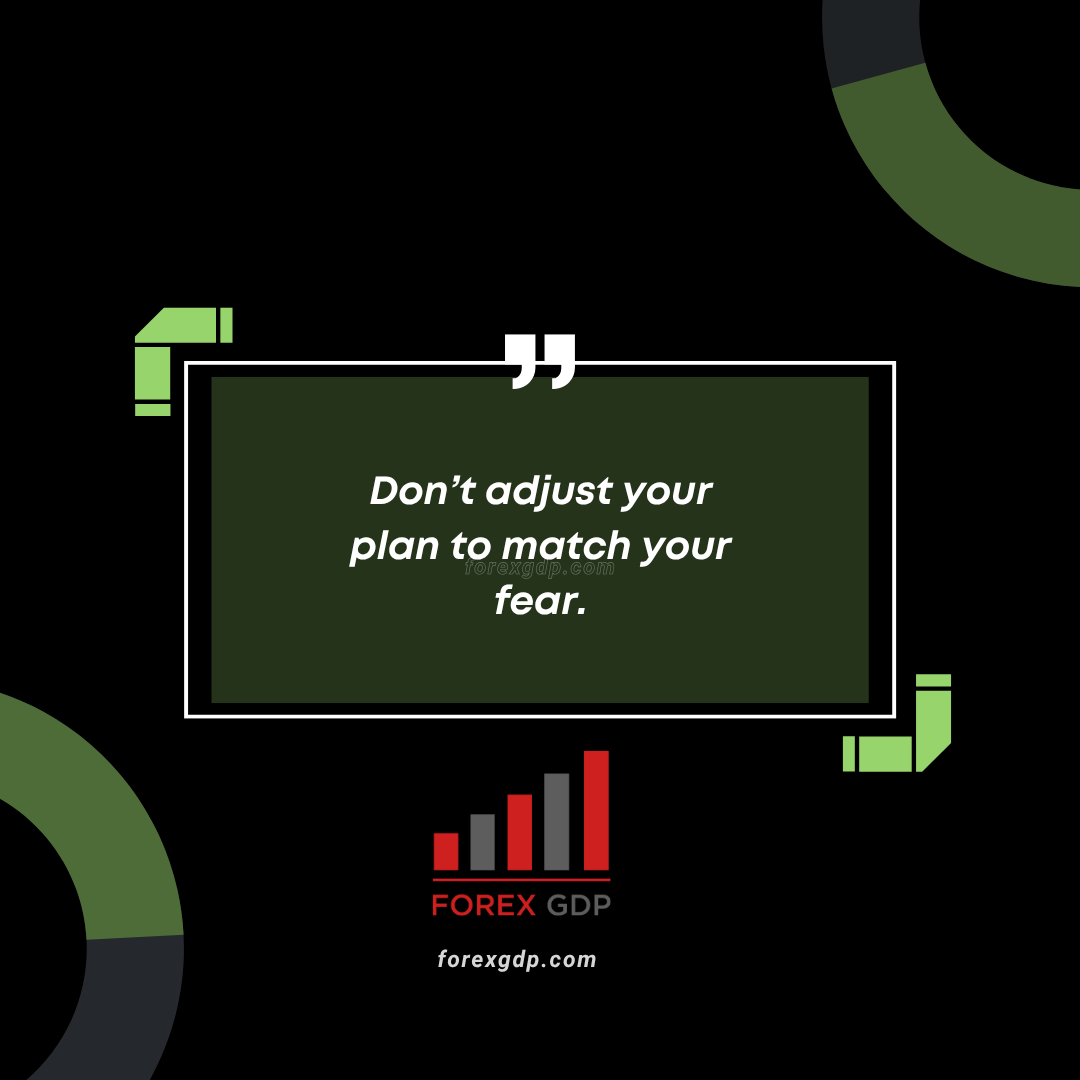
The quote in the image — “Don’t adjust your plan to match your fear” — carries a powerful message. In trading, fear often tricks people into abandoning strategies they once trusted. Instead of following the plan, they start reacting emotionally. And that’s where problems begin.
Why Fear Controls So Many Traders
Fear is natural. Nobody enjoys losing money. The moment real money enters the market, emotions become intense. Traders suddenly hesitate before entering setups, panic during small pullbacks, and close profitable trades too early.
The market becomes like a stormy ocean. Fear convinces traders to jump off the ship instead of trusting the map. Unfortunately, emotional decisions rarely end well in forex trading.
How Traders Secretly Change Their Plans
Most traders don’t even realize they’re changing their strategy because of fear. It happens quietly.
They move stop losses farther away because they don’t want to accept a loss. They skip good setups after a losing streak. Sometimes they exit trades too early because they’re afraid profits will disappear.
These small changes may feel harmless, but over time they destroy consistency. A strategy only works when it’s followed correctly.
The Dangerous Cycle of Emotional Trading
Fear creates a chain reaction. One emotional decision leads to another.
Imagine losing two trades in a row. Suddenly, doubt enters your mind. You begin questioning your strategy. Then you avoid the next setup, and that trade becomes a winner. Frustration grows, and you jump into random trades trying to recover losses quickly.
Before long, trading feels chaotic. Instead of following logic, emotions take control. That’s how many traders slowly destroy their accounts without realizing it.
Why Trading Plans Matter
A trading plan is more than just rules on paper. It’s protection against emotional mistakes.
Professional traders rely on systems because emotions constantly change. Some days confidence feels high, and other days fear takes over completely. If trading decisions depend on mood, results become inconsistent.
Think about a pilot during turbulence. A good pilot doesn’t abandon flight procedures because things feel uncomfortable. Traders should treat their plans the same way.
Fear Pretends to Be Logic
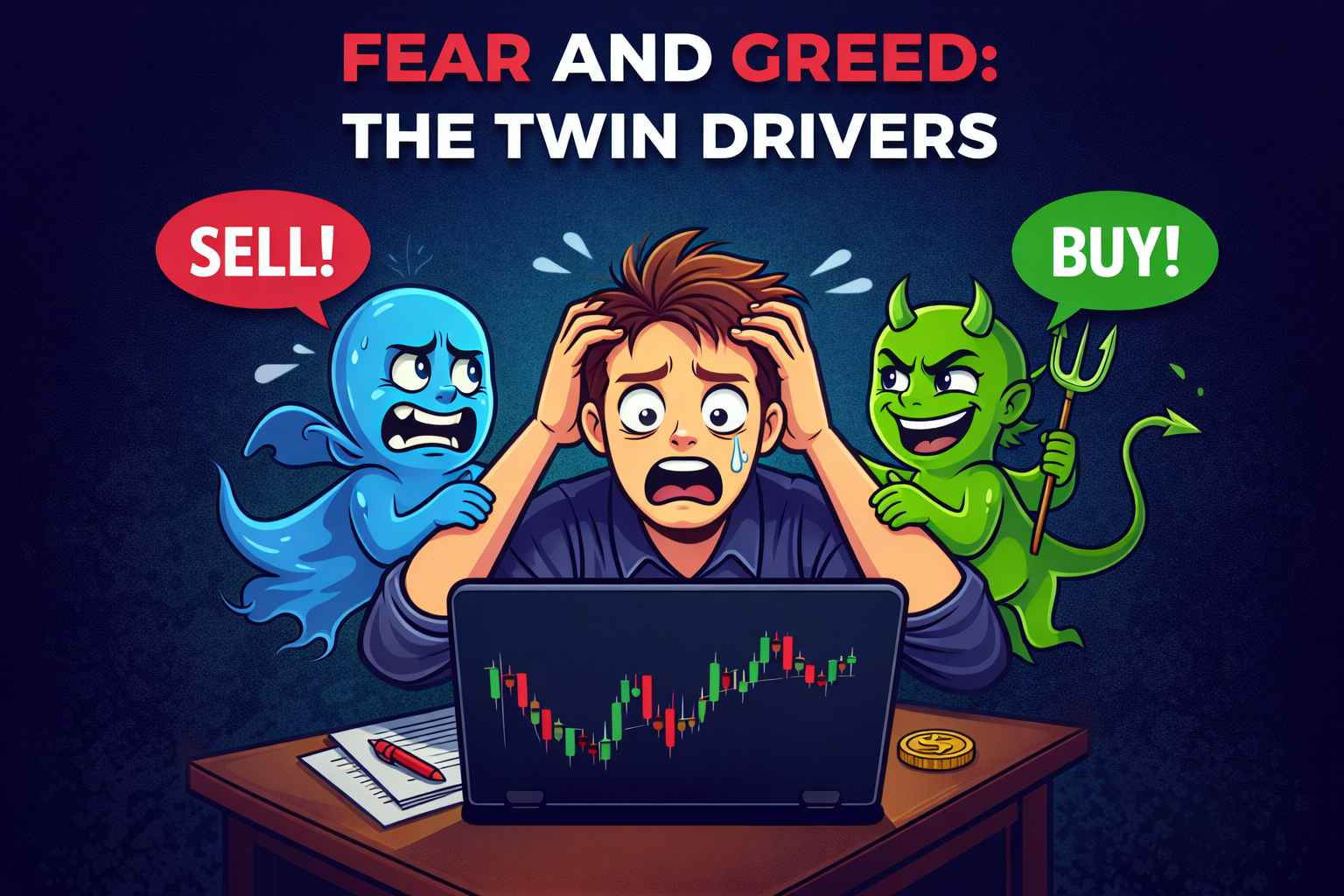
The scary thing about fear is that it often sounds intelligent.
It says things like:
- “Maybe I should be extra careful today.”
- “I’ll just change this one rule temporarily.”
- “The market feels risky right now.”
Those thoughts seem reasonable, but many times they are emotional reactions disguised as smart decisions. Fear wears a mask, and traders often mistake it for wisdom.
That’s why self-awareness is critical in forex trading.
Losses Are Part of the Game
Many traders struggle emotionally because they treat losses like personal failure. But losses are normal in trading.
Even professional traders lose trades regularly. The difference is they don’t panic when it happens. They understand that trading is based on probabilities, not perfection.
Trying to avoid every loss is like trying to drive without ever hitting traffic. It’s impossible. Small losses are simply part of the journey.
Discipline Beats Talent
Some traders spend years searching for the perfect strategy. They buy indicators, watch endless videos, and constantly switch systems.
But the truth is simple: discipline matters more than intelligence.
A trader with an average strategy and strong discipline often performs better than someone with a brilliant strategy and poor emotional control. The market rewards consistency, not emotional reactions.
The Problem With Trading on Feelings
Feelings change too quickly. One winning trade can create overconfidence, while one loss can create panic.
If your strategy changes every time emotions shift, trading becomes random. And random trading usually leads to random results.
Your emotions are temporary. Your trading plan should remain stable. That stability creates confidence over time.
How Fear Destroys Risk Management
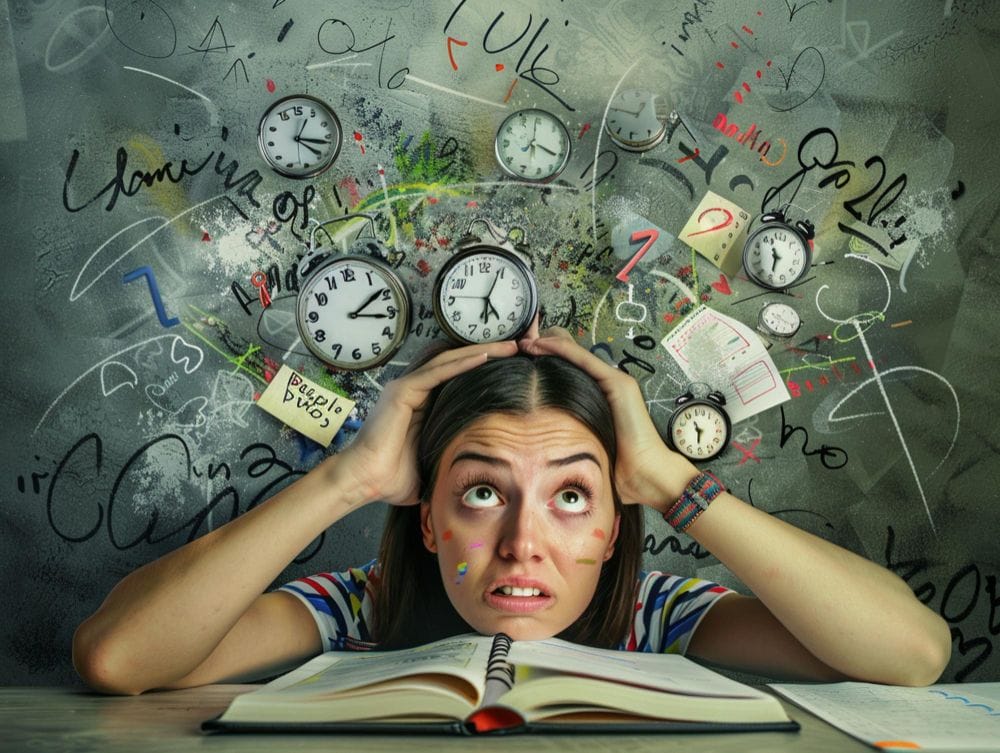
One of the biggest mistakes traders make is moving stop losses. They do this because accepting a loss feels painful.
Instead of taking a small planned loss, they hold losing trades longer and hope the market reverses. Sometimes it works, which makes the habit even more dangerous.
Eventually, one massive loss wipes out weeks of progress. Fear protects emotions in the short term but destroys accounts in the long run.
Patience Is a Superpower in Forex
Fear often creates impatience. Traders become afraid of missing opportunities, so they rush into trades without proper setups.
The market, however, rewards patience. Good traders wait calmly for high-quality opportunities instead of forcing trades out of boredom or panic.
Trading is similar to fishing. You can’t force the fish to bite faster. You wait for the right moment and act with precision.
How Professional Traders Think
Professional traders understand something beginners struggle to accept: certainty does not exist.
No setup is guaranteed. No strategy wins every trade. Pros focus on probabilities and long-term consistency instead of emotional reactions.
They don’t panic after losses because losses are already expected. That mindset keeps them calm during difficult periods.
Building Emotional Strength
Forex trading tests patience, discipline, and emotional control constantly. The market exposes fear, greed, and impulsive behavior very quickly.
That’s why becoming profitable is not only about learning charts. It’s also about mastering yourself. Emotional strength becomes just as important as technical analysis.
Traders who develop patience and discipline survive longer than those chasing quick profits emotionally.

Conclusion
The quote “Don’t adjust your plan to match your fear” is one of the most important lessons in forex trading.
Fear will always exist. Every trader experiences it. But successful traders refuse to let fear control their decisions. They follow their plans even when emotions become uncomfortable.
Trading success doesn’t come from predicting every market move perfectly. It comes from consistency, discipline, and emotional control.
At the end of the day, the real battle in forex trading isn’t against the market. It’s against yourself.
FAQs
1. Why do traders struggle with fear in forex trading?
Because trading involves uncertainty and financial risk, which naturally creates emotional pressure and anxiety.
2. Is fear always bad in trading?
No. Healthy fear can prevent reckless decisions, but excessive fear leads to emotional mistakes and poor execution.
3. Why do traders move stop losses?
Most traders move stop losses because they fear accepting losses emotionally, even though it often creates bigger losses later.
4. What is more important: strategy or discipline?
Discipline is more important because even the best strategy fails without consistent execution.
5. How can traders control emotions better?
By following a trading plan, managing risk properly, journaling trades, and accepting losses as part of the process.