

Trading often gets painted as a glamorous pursuit. Social media feeds are filled with screenshots of massive wins, luxury lifestyles, and promises of financial freedom. Yet behind every successful trader is a reality that rarely gets the spotlight: losses.
The phrase “Manage losses like a pro” may sound simple, but it represents one of the most important truths in the forex market. Professional traders do not survive because they win every trade. They survive because they understand how to handle losing trades without letting those losses destroy their capital, confidence, or discipline.
Think of forex trading like sailing across a vast ocean. You cannot control the wind, the waves, or the weather. What you can control is your vessel, your navigation, and your response when storms arrive. Losses are those storms. They are inevitable. The traders who last are not the ones who avoid storms entirely but the ones who learn how to navigate through them.
Why Losses Are a Natural Part of Trading
Many beginners enter the forex market believing that success means avoiding losses altogether. This belief creates unrealistic expectations and often leads to frustration when the first losing streak appears.
The reality is far different. Even the most experienced traders experience losses regularly. What separates professionals from amateurs is not the absence of losing trades but the ability to manage them effectively.
The Market Owes Nobody a Winning Trade
The forex market is influenced by countless factors. Economic reports, central bank decisions, geopolitical events, and market sentiment all interact in unpredictable ways.
No matter how much analysis a trader performs, uncertainty remains. A perfectly planned trade can still fail because the market chooses a different direction. Accepting this uncertainty is one of the first steps toward professional loss management.
When traders stop expecting certainty, they begin making better decisions. Instead of trying to predict every move, they focus on managing risk and protecting capital.
Probability Over Prediction
Successful trading resembles a game of probabilities rather than a crystal-ball exercise. Each trade represents an opportunity with a certain likelihood of success, not a guaranteed outcome.
Professional traders understand this concept deeply. They judge their performance over dozens or hundreds of trades rather than obsessing over a single result.
A single loss means very little in the larger picture. What matters is whether the strategy remains profitable over time.
Every Business Experiences Costs
Imagine running a restaurant. Expenses such as rent, utilities, and staff wages are unavoidable. They are simply part of operating the business.
Losses in forex trading function similarly. They are operational costs. Viewing them this way reduces emotional stress and encourages rational thinking.
Once traders stop treating losses as personal failures, they become easier to manage.
The Dangerous Myth of Constant Winning
One of the biggest traps in trading is the belief that a high win rate automatically leads to success.
Many traders chase strategies that promise extraordinary accuracy. They become obsessed with winning every trade and avoiding losses at all costs.
Small Wins Can Hide Bigger Problems
A strategy that wins frequently but occasionally suffers huge losses can be incredibly dangerous. It creates a false sense of confidence while exposing the trader to significant risk.
Eventually, one large loss can wipe out weeks or even months of gains.
Professional traders focus on risk-to-reward ratios rather than simply counting wins and losses.
Consistency Beats Perfection
Perfection is impossible in financial markets. Consistency, however, is achievable.
The traders who build lasting success understand that steady performance matters more than occasional spectacular gains. They accept losses as part of the process and remain focused on long-term results.
The Psychology of Managing Losses

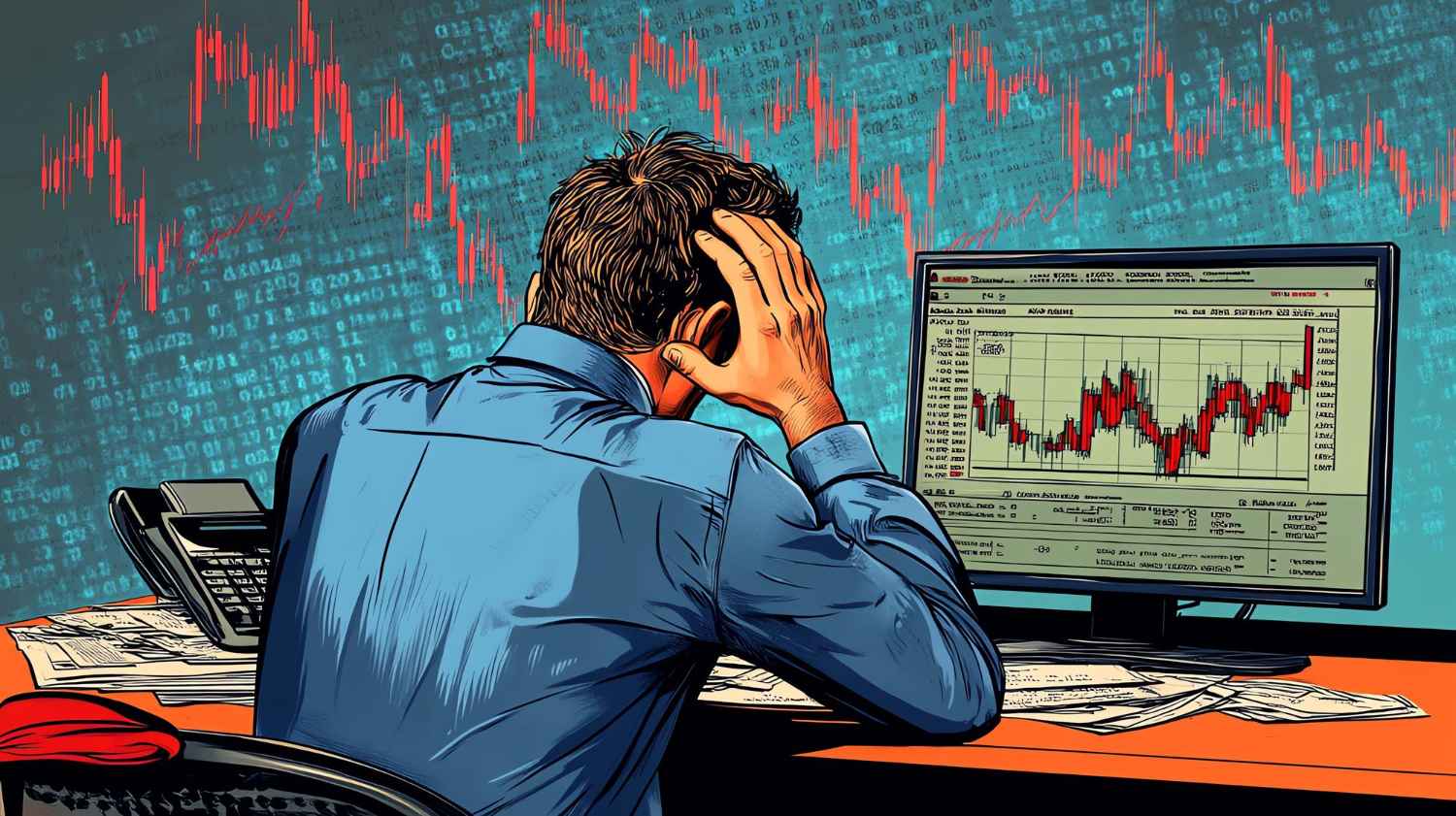
Money has a powerful emotional influence. A losing trade often triggers feelings that go far beyond the actual financial impact.
Fear, frustration, anger, and disappointment can cloud judgment and lead to poor decisions.
Why Losing Feels So Personal
Humans are naturally wired to dislike losses. Studies in behavioral finance have repeatedly shown that the pain of losing is often stronger than the pleasure of winning.
This psychological tendency explains why many traders struggle to cut losing positions.
The Ego Trap
For many traders, admitting a loss feels like admitting they were wrong.
Instead of closing a bad trade, they hold onto it and hope the market will reverse. Unfortunately, hope is not a trading strategy.
The market does not reward stubbornness. It rewards discipline.
Emotional Attachment Creates Risk
A trader who becomes emotionally attached to a position loses objectivity.
Decisions begin to revolve around feelings instead of facts. This shift often turns manageable losses into devastating ones.
Professional traders learn to separate their identity from their trades. A losing trade does not mean they are a bad trader. It simply means that particular setup did not work.
The Revenge Trading Cycle
One of the most destructive habits in forex trading is revenge trading.
After experiencing a loss, some traders immediately enter another trade in an attempt to recover the money.
Emotion Replaces Logic
When emotions take control, analysis often disappears.
The trader starts making impulsive decisions, increasing position sizes, and ignoring risk management rules. This behavior can quickly escalate losses.
Like trying to put out a fire with gasoline, revenge trading often makes the situation worse.
Breaking the Cycle
Professional traders recognize emotional triggers and take steps to avoid them.
Many step away from the screen after a significant loss. They review the trade calmly and return only when they can think clearly.
This pause can make the difference between recovery and disaster.
Building Emotional Resilience
Resilience is one of the most valuable traits a trader can develop.
The market will challenge confidence repeatedly. Traders who remain emotionally stable are better equipped to handle those challenges.
Accepting Imperfection
No strategy works all the time. No trader wins every trade.
Accepting this reality reduces stress and creates a healthier relationship with the market.
Instead of fearing losses, resilient traders prepare for them.
Trusting the Process
Confidence should come from following a proven process, not from individual trade outcomes.
When traders trust their system, they become less affected by temporary setbacks and more focused on long-term performance.
Risk Management: The Real Secret of Professional Traders


If there is one area that truly separates professionals from beginners, it is risk management.
A trader can have excellent market analysis skills and still fail due to poor risk control.
Protecting Capital Comes First
Capital is the lifeblood of trading. Without it, opportunities become meaningless.
Professional traders prioritize preservation before profit.
Survival Creates Opportunity
Imagine a boxer entering a championship fight. If they are knocked out in the first round, they never get the chance to showcase their skills.
Trading works the same way. Staying in the game is essential.
Protecting capital ensures traders remain available for future opportunities.
Avoiding Catastrophic Losses
Large losses create enormous obstacles. Recovering from a significant drawdown requires substantial gains.
A trader who loses half of their account must achieve a much larger percentage return just to break even.
This reality highlights why limiting losses is so important.
Position Sizing Matters More Than Most Traders Realize
Many beginners focus heavily on finding perfect entries while ignoring position sizing.
Yet position size often determines whether a loss remains manageable or becomes devastating.
Small Risk Creates Stability
Risking a small percentage of capital on each trade reduces emotional pressure.
When losses remain manageable, traders can think more clearly and make better decisions.
Consistency becomes easier to achieve.
Large Risk Magnifies Mistakes
Overleveraging is one of the fastest ways to destroy a trading account.
Even a strong strategy can fail if position sizes are too large.
Professional traders understand that survival matters more than excitement.
The Importance of Stop Losses
A stop loss acts as a safety net.
It defines the maximum acceptable loss before entering a trade.
Protection Against the Unexpected
Markets can move rapidly. Economic announcements, political developments, and unexpected events can trigger sharp price swings.
Without protection, losses can spiral out of control.
A stop loss helps contain damage and preserve capital.
Discipline Through Automation
One of the biggest benefits of stop losses is removing emotional decision-making.
Instead of debating whether to hold a losing trade, the predetermined exit handles the decision automatically.
This discipline can save traders from costly mistakes.
Developing a Professional Mindset Toward Losses


Professional traders think differently about losses. Their mindset allows them to remain calm while others panic.
Viewing Losses as Feedback
Every losing trade contains valuable information.
Rather than seeing losses as failures, successful traders treat them as feedback.
Identifying Weaknesses
Losses often reveal flaws in strategy execution, risk management, or market analysis.
By studying losing trades, traders gain insights that help improve future performance.
Mistakes become learning opportunities.
Continuous Improvement
The trading journey never truly ends.
Markets evolve constantly, and successful traders adapt alongside them. Reviewing losses regularly creates a cycle of continuous improvement.
Growth comes from reflection, not denial.
Patience as a Competitive Advantage
Patience is often underestimated in trading.
Many traders feel compelled to participate constantly, even when conditions are unfavorable.
Not Every Day Requires Action
Some of the best trading decisions involve doing nothing.
Waiting for high-quality setups reduces unnecessary exposure and limits avoidable losses.
Patience protects both capital and mental energy.
Quality Over Quantity
A few well-executed trades often outperform dozens of impulsive ones.
Professional traders focus on quality opportunities rather than constant activity.
This disciplined approach leads to better long-term results.
Creating Long-Term Perspective
Short-term thinking can be dangerous in trading.
Obsessing over daily results often leads to emotional decision-making.
The Bigger Picture Matters
One losing day, week, or even month does not define a trader’s career.
What matters is the cumulative outcome over an extended period.
Professional traders evaluate performance through a long-term lens.
Success Is a Marathon
Forex trading resembles a marathon more than a sprint.
Those who chase quick riches often burn out quickly. Those who focus on steady growth tend to achieve lasting success.
The ability to manage losses consistently is what keeps them moving forward.
Common Mistakes That Turn Small Losses Into Big Problems


Most trading disasters do not begin with a massive mistake. They usually start with a series of small decisions that gradually spiral out of control.
Refusing to Accept Reality
The market does not care about personal opinions.
When traders refuse to accept that a trade is failing, losses can grow rapidly.
Hope Is Not a Strategy
Hoping for a reversal may feel comforting, but it rarely improves results.
Professional traders rely on predefined rules rather than emotional wishes.
Discipline beats hope every time.
Cutting Losses Early
Small losses are easier to recover from than large ones.
The sooner traders acknowledge reality, the easier it becomes to protect their accounts.
Acceptance is a powerful trading skill.
Ignoring Trading Plans
A trading plan exists for a reason.
Abandoning it during emotional moments often creates unnecessary losses.
Rules Create Consistency
Rules provide structure during uncertain conditions.
When traders follow their plans consistently, decision-making becomes more objective and reliable.
Consistency builds confidence.
Impulsive Decisions Create Chaos
Impulsive actions often stem from fear or greed.
These emotions can undermine even the strongest strategies.
Professional traders recognize this danger and stick to their plans.
Final Thoughts
Managing losses like a professional is not about avoiding losing trades. It is about controlling their impact.
The forex market will always contain uncertainty. There will always be unexpected movements, losing streaks, and moments of frustration. What matters is how traders respond when those situations arise.
Successful traders accept losses as a normal part of the journey. They protect their capital, maintain emotional discipline, and focus on long-term performance rather than short-term emotions. Like a skilled captain navigating rough seas, they understand that storms are inevitable but manageable.
In the end, trading success is not determined by how often you win. It is determined by how well you survive, adapt, and continue moving forward when losses occur. Master that skill, and you place yourself among the traders who truly understand what it means to manage losses like a pro.
FAQs
1.Why are losses unavoidable in forex trading?
Losses are unavoidable because the forex market is influenced by unpredictable factors such as economic news, political events, and changing market sentiment. No strategy can predict every market movement with complete accuracy.
2.How do professional traders react to losing trades?
Professional traders view losses as part of the business. They follow risk management rules, analyze what happened, and move on without letting emotions control future decisions.
3.What is the biggest mistake traders make after a loss?
One of the biggest mistakes is revenge trading, where traders immediately enter new positions to recover losses. This emotional reaction often leads to even greater losses.
4.Why is risk management more important than finding winning trades?
Risk management protects trading capital and ensures long-term survival. Even a profitable strategy can fail if losses are not controlled properly.
5.Can a trader be successful with frequent losses?
Yes. Many successful traders experience losses regularly. As long as winning trades generate more profit than losing trades create losses, overall performance can remain positive over time.