

Trading can feel like riding a rollercoaster in the dark. One moment you’re climbing steadily, confident in your decision. The next moment you’re plunging downward, staring at a red number on your screen that seems to mock you. That sinking feeling? Every trader knows it.
The real danger, though, doesn’t come from the bad trade itself. It comes from what happens next. Many traders feel an intense urge to jump into another trade immediately, hoping to recover the loss. It feels logical in the heat of the moment. After all, why not fix the mistake quickly?
But that mindset is exactly what turns a small loss into a painful spiral.
Avoiding the urge to fix a bad trade with another is one of the most powerful lessons a trader can learn. It’s not just about protecting your account balance. It’s about protecting your psychology, your discipline, and your long-term survival in the market.
Let’s talk about why this urge happens, why it’s dangerous, and how you can break free from it.
Why Traders Feel the Need to Immediately Fix a Bad Trade
Losses in trading are inevitable. Yet emotionally, they rarely feel normal. Instead, they often trigger a storm of reactions that push traders into making impulsive decisions.
Understanding why this urge exists is the first step toward controlling it.
The Emotional Shock of Losing Money
A losing trade can feel personal. Even if you logically know that losses are part of trading, the emotional side of your brain reacts differently.
The Brain Treats Financial Loss Like Physical Pain
Studies have shown that financial losses activate the same areas of the brain associated with physical pain. In other words, your mind interprets losing money almost like touching a hot stove.
That immediate discomfort triggers a natural response: fix the pain quickly.
The fastest solution seems obvious—place another trade and recover the loss.
The Desire for Instant Relief
Human beings crave emotional closure. When a trade goes wrong, your mind wants the story to end differently. You want a quick win that erases the mistake and restores your confidence.
But the market doesn’t care about your emotional timeline. It moves on its own terms, and chasing relief usually leads to even worse decisions.
Ego and the Need to Be Right
Trading quietly exposes our ego in ways few other activities can. A losing trade doesn’t just affect your balance; it challenges your sense of competence.
Admitting the Market Beat You
Accepting a loss means acknowledging that the market moved against your prediction. For many traders, especially beginners, that can sting.
The ego whispers a dangerous message: “Take another trade and prove you were right.”
This mindset turns trading into a personal battle rather than a strategic activity.
Revenge Trading Begins Here
When ego mixes with frustration, revenge trading often appears. Instead of analyzing the market calmly, traders start attacking it with random positions.
Ironically, the harder you try to force the market to give back your loss, the more likely you are to dig a deeper hole.
The Illusion of Control
Markets are unpredictable. That uncertainty makes many traders uncomfortable.
Placing another trade creates the illusion that you’re doing something to fix the situation.
Action Feels Better Than Waiting
Waiting feels passive. It feels like giving up control.
So traders jump into another trade simply because doing something feels more productive than doing nothing.
But in trading, sometimes doing nothing is the most powerful decision you can make.
The Dangerous Momentum of Consecutive Trades

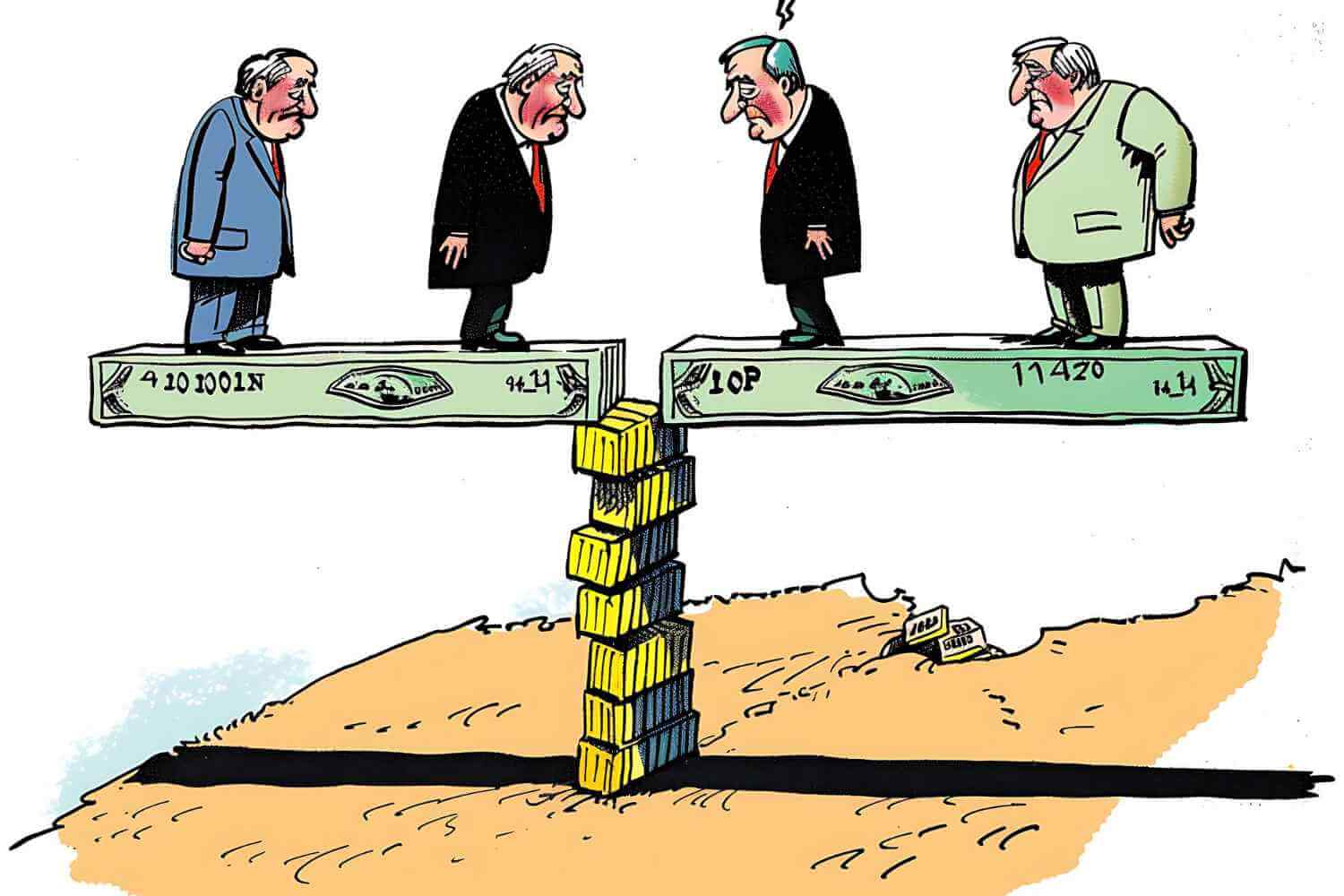
One trade quickly turns into another, then another. Before you realize it, you’ve entered five or six positions without any real strategy.
This chain reaction often happens within minutes, fueled entirely by emotion rather than analysis.
How One Bad Trade Can Snowball into Bigger Losses
A single losing trade rarely destroys an account. What destroys accounts is the series of impulsive decisions that follow.
When traders try to fix a loss immediately, they step onto a slippery slope.
The Trap of Revenge Trading
Revenge trading is one of the most common mistakes in the trading world.
It starts innocently. A trader loses a position and thinks, “I’ll just take another quick trade to recover.”
That simple thought can trigger a cascade of reckless behavior.
Emotions Replace Strategy
When revenge trading begins, the trading plan usually disappears.
Entry rules? Forgotten.
Risk management? Ignored.
Market structure? Barely considered.
Instead of analyzing the chart, traders stare at profit and loss numbers, hoping the next candle will magically reverse their fortune.
The Market Doesn’t Care About Your Loss
This is one of the harshest truths in trading. The market has no memory of your last trade. It doesn’t know you’re trying to recover.
Each trade is independent.
But emotionally, traders connect them, creating a dangerous narrative: “The next trade must fix the previous one.”
Overtrading and Mental Exhaustion
Trying to recover losses quickly often leads to overtrading. And overtrading quietly drains both your account and your mental energy.
Decision Fatigue Creeps In
Every trade requires analysis and judgment. The more trades you place in a short time, the more your brain becomes overwhelmed.
Eventually, your decisions become sloppy.
Instead of carefully choosing trades, you begin clicking buttons out of habit or frustration.
The Spiral of Stress
Overtrading also amplifies stress. With every new position, the emotional pressure grows.
Your heart rate increases. Your focus narrows. Your patience disappears.
At that point, you’re no longer trading the market—you’re battling your own emotions.
Risk Management Breaks Down

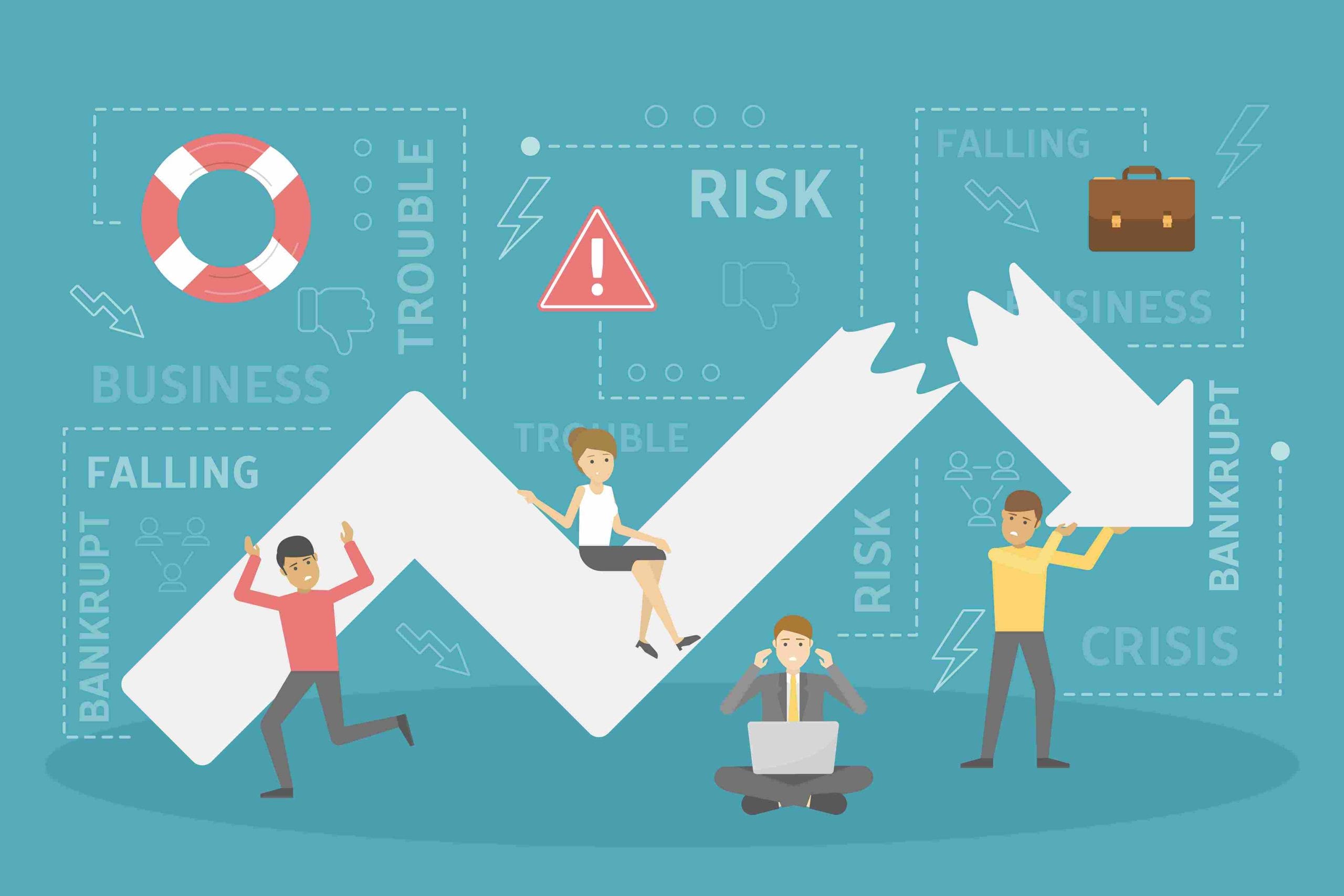
Risk management is the quiet hero of successful trading. But during emotional moments, it’s usually the first rule traders abandon.
Increasing Position Sizes to Recover Losses
A common mistake is doubling the next trade size after a loss.
The logic sounds convincing in the moment: one winning trade at a larger size can recover the previous loss.
But this approach dramatically increases risk.
One more loss at a larger size can wipe out hours, days, or even weeks of progress.
Ignoring Stop Losses
When traders are desperate to recover losses, they often move or remove stop losses.
Instead of accepting a controlled loss, they allow the trade to run deeper into negative territory.
Hope replaces discipline.
And hope is a terrible trading strategy.
Building the Discipline to Walk Away After a Loss
Breaking the habit of revenge trading isn’t easy. It requires self-awareness, patience, and a willingness to accept uncomfortable emotions.
But once you develop this discipline, your trading improves dramatically.
Accepting Loss as Part of the Game
Professional traders understand something that beginners often resist: losses are not failures.
They are simply part of the statistical nature of trading.
Thinking in Probabilities
Every trading strategy has losing trades. Even the most successful systems experience them regularly.
The key difference between professionals and amateurs is perspective.
Professionals see each trade as one outcome in a long series of probabilities.
Amateurs treat each loss like a personal defeat.
Losses Are Business Expenses
Think about any business in the world. Restaurants lose ingredients. Retail stores face damaged inventory.
Those losses are simply part of operating the business.
Trading losses work the same way. They’re operational costs, not emotional tragedies.
Creating a Mental Reset Routine


Sometimes the smartest move after a losing trade is stepping away completely.
A short reset can prevent emotional decisions that damage your account.
Step Away from the Screen
After a loss, take a break from the charts. Even ten minutes can make a huge difference.
Walk around. Grab a drink of water. Let your mind settle.
The goal is simple: interrupt the emotional impulse to jump into another trade.
Reflect Instead of React
Instead of immediately trading again, ask yourself a few honest questions.
Was the trade aligned with your strategy?
Did you follow your risk management rules?
Or were you already trading emotionally before the loss happened?
Reflection creates awareness, and awareness builds discipline.
Strengthening Your Trading Plan
A strong trading plan acts like a guardrail. It keeps you from veering off course during emotional moments.
Set Daily Loss Limits
Many professional traders stop trading for the day after reaching a specific loss threshold.
This rule prevents emotional spirals and protects both capital and mental energy.
It may feel frustrating at first, but it’s one of the most effective safeguards.
Define Clear Entry Conditions
When your strategy has precise entry rules, impulsive trading becomes harder.
You either see the setup or you don’t.
That clarity removes the temptation to trade simply because you want to recover a loss.
Developing the Trader’s Mindset for Long-Term Success
Avoiding revenge trading isn’t just about discipline. It’s about building the right mindset for the long game.
Trading rewards patience far more than aggression.
The Power of Patience
Many traders think success comes from constant action.
In reality, the best traders often spend long periods waiting.
Good Trades Are Rare


High-quality setups don’t appear every minute. Sometimes the market simply isn’t offering an opportunity.
Experienced traders are comfortable with that reality.
They wait.
Patience Protects Capital
Every trade carries risk. The fewer unnecessary trades you take, the more you protect your capital.
Patience is not laziness—it’s strategic restraint.
Learning Emotional Detachment
Emotional detachment doesn’t mean becoming cold or robotic.
It simply means separating your identity from your trades.
Your Trades Don’t Define You
A losing trade doesn’t make you a bad trader. A winning trade doesn’t make you a genius.
Both are just outcomes within a complex market environment.
Once you understand this, emotional pressure fades significantly.
The Market Is Not an Opponent
Many traders subconsciously treat the market like an enemy.
But the market isn’t attacking you.
It’s simply moving according to countless global factors.
Viewing it this way removes unnecessary emotional tension.
Consistency Beats Heroic Wins
Some traders dream of massive winning trades that change everything overnight.
But consistent traders focus on something less glamorous: steady performance over time.
Small Losses Keep You Alive
Accepting small, controlled losses keeps your trading account healthy.
Think of them as tiny scratches instead of deep wounds.
The goal is survival and stability.
The Long-Term Perspective


Trading success isn’t built in a single day.
It’s built through hundreds or thousands of disciplined decisions.
When you stop trying to fix every loss immediately, you give yourself the space to trade with clarity and confidence.
Final Thoughts: The Real Victory in Trading
The biggest battles in trading rarely happen on the charts. They happen inside your mind.
The urge to fix a bad trade with another is incredibly strong. It whispers promises of quick recovery and restored pride. But in reality, it’s one of the fastest ways to lose control of your trading.
Walking away after a loss may feel uncomfortable. It may feel like surrender. But it’s actually a sign of strength.
The market will always be there tomorrow.
Your capital—and your discipline—deserve protection today.
When you master the ability to pause, reflect, and wait for the next genuine opportunity, you move from emotional trading toward professional trading.
And that shift changes everything.
FAQs
1.Why do traders try to immediately recover losses?
Traders often react emotionally to losses. The discomfort of losing money creates a strong desire to fix the situation quickly, which leads many people to place another trade without proper analysis.
2.What is revenge trading in forex or stock markets?
Revenge trading happens when a trader places impulsive trades after a loss in an attempt to recover money quickly. These trades are usually driven by emotion rather than strategy.
3.Is it normal to feel frustrated after a losing trade?
Yes, frustration is completely normal. Even experienced traders feel it sometimes. The key difference is that disciplined traders avoid acting on that emotion.
4.How can traders prevent emotional trading decisions?
Traders can reduce emotional decisions by following a clear trading plan, setting daily loss limits, and stepping away from the screen after a losing trade.
5.Do professional traders avoid losses completely?
No trader avoids losses entirely. Professional traders simply manage losses carefully and focus on long-term consistency rather than trying to win every trade.