

Financial markets move fast. Prices rise and fall within seconds, news spreads instantly, and emotions can take control before you even realize it. In such an environment, many traders make decisions based on fear, greed, or excitement instead of logic.
The quote “Trust your analysis, not your impulse” highlights one of the most important lessons in trading. Success comes from preparation, discipline, and strategy—not emotional reactions. Traders who rely on analysis are more likely to make consistent decisions, while those who follow impulses often face unnecessary losses.
Why Analysis Matters
Analysis is the process of studying market conditions before making a decision. It involves evaluating risks, understanding trends, and identifying opportunities based on facts rather than feelings.
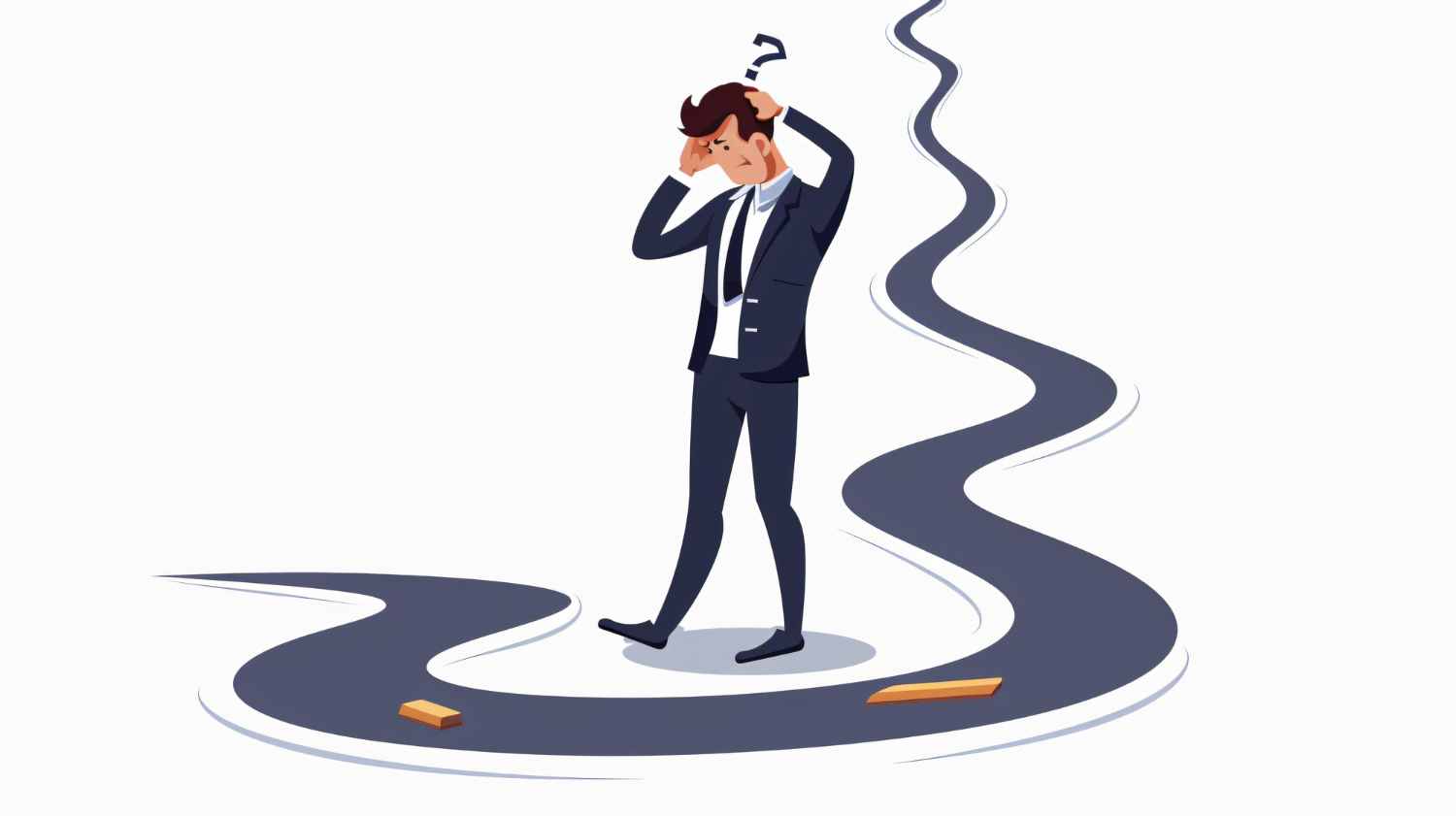
Think of analysis as a roadmap. Before starting a long journey, you need directions. Trading without analysis is like driving into unfamiliar territory without a map—you may get lucky, but eventually, you’ll get lost.
The Problem With Impulsive Trading
Impulse is the urge to act immediately without proper evaluation. In trading, this often happens when emotions take over.
A trader may buy because prices are rising rapidly or sell because the market suddenly falls. These reactions feel natural, but they are usually driven by emotion rather than logic. More often than not, impulsive decisions lead to costly mistakes.
Fear and Greed: The Two Biggest Enemies
Fear and greed dominate many trading decisions. Fear causes traders to exit positions too early or avoid opportunities altogether. Greed encourages excessive risk-taking and chasing profits.
Imagine a pendulum swinging from one side to the other. When fear controls you, you become overly cautious. When greed takes over, you become reckless. Successful traders learn to stay balanced between these extremes.
The Cost of Emotional Decisions
Many traders lose money not because their strategy is poor, but because they fail to follow it.
For example, a trader enters a position based on solid research. The market moves slightly against them, panic sets in, and they close the trade. Later, the market reverses and reaches the original target. The analysis was correct, but emotion got in the way.

Building Confidence Through Preparation
Confidence should come from preparation, not hope. When you thoroughly analyze a trade, you understand the risks, rewards, and possible outcomes.
This preparation creates trust in your decision-making process. Even if a trade doesn’t work out, you know it was based on logic rather than emotion.
The Importance of a Trading Plan
A trading plan acts as your personal rulebook. It defines when to enter a trade, when to exit, and how much risk to take.
Without a plan, every market movement becomes a temptation. With a plan, decisions become clearer and more consistent. The market may be unpredictable, but your actions don’t have to be.
Why Professional Traders Focus on Probability
Professional traders do not try to predict every market move. Instead, they focus on probability and long-term consistency.
They understand that losses are part of the game. One losing trade does not invalidate a good strategy. What matters is following a proven process over hundreds of trades, not obsessing over individual outcomes.
Developing Emotional Discipline
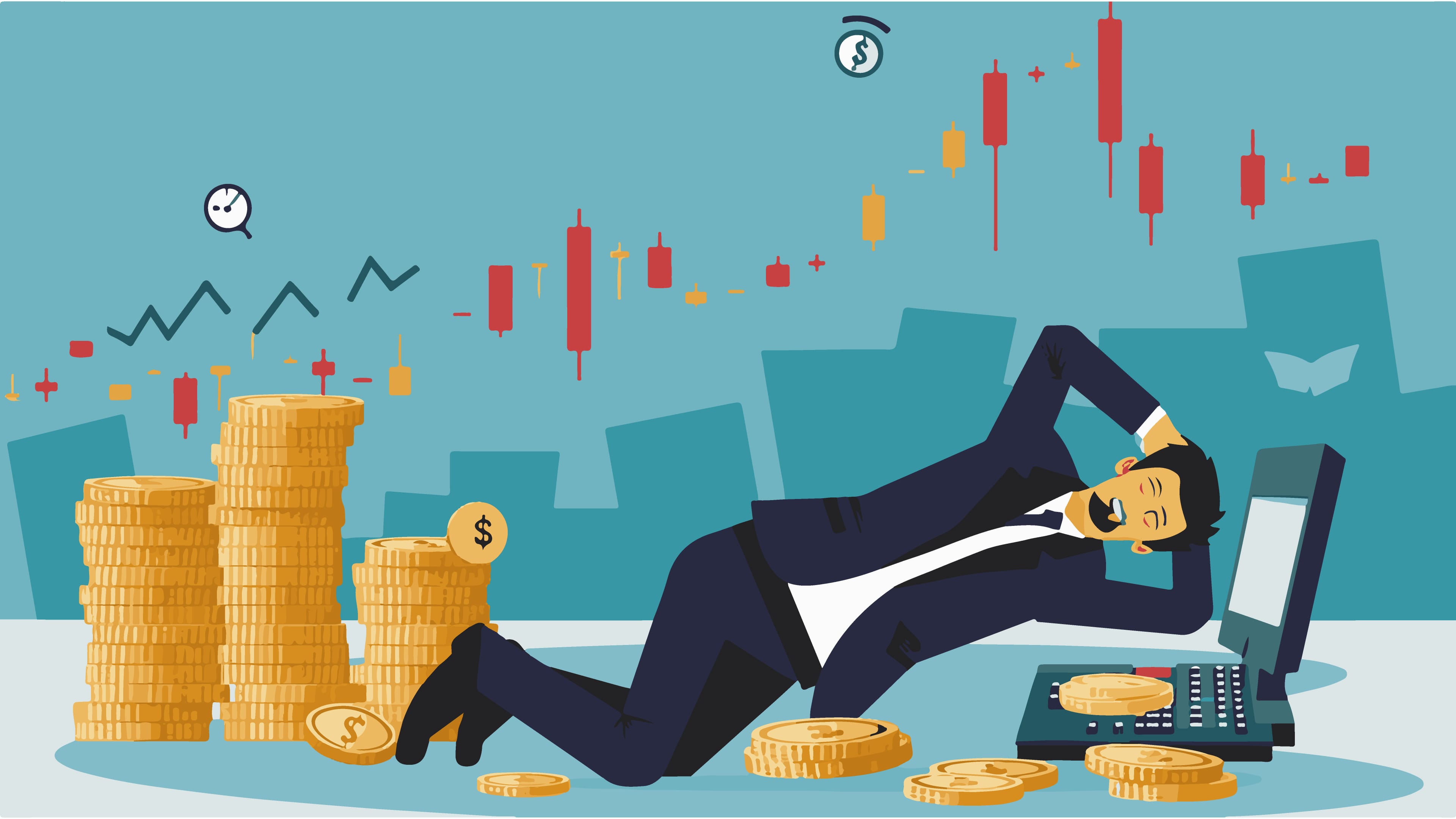
Emotional discipline is often more valuable than technical knowledge. Many traders know what they should do but struggle to do it consistently.
Discipline means sticking to your strategy even when emotions are pushing you in another direction. It helps you remain calm during volatility and prevents impulsive actions that can damage your account.
Practical Ways to Avoid Impulsive Decisions
One effective method is using a pre-trade checklist. Before entering a position, ask yourself whether the setup matches your strategy and whether the risk is acceptable.
Keeping a trading journal is another powerful habit. By recording decisions and outcomes, you can identify emotional patterns and improve your discipline over time.
Patience Creates Better Results
Many traders believe success comes from taking more trades. In reality, success often comes from waiting for better opportunities.
Patience allows your analysis to work. Instead of forcing trades, disciplined traders wait for setups that align with their plan. Sometimes the best decision is doing nothing at all.
Lessons Beyond Trading
The principle of trusting analysis over impulse applies to everyday life as well. Business decisions, investments, career moves, and personal goals all benefit from thoughtful evaluation.
When emotions control decisions, mistakes become more likely. When analysis leads the way, choices tend to be smarter and more sustainable.
Conclusion
The quote “Trust your analysis, not your impulse” is a reminder that long-term success depends on discipline, preparation, and rational thinking. Markets reward traders who follow a structured process and punish those who react emotionally.
Every trade presents a choice: follow your plan or follow your emotions. The traders who consistently trust their analysis build confidence, manage risk effectively, and improve their chances of success over time. In trading and in life, logic is often a better guide than impulse.
FAQs
1. Why is emotional trading dangerous?
Emotional trading often leads to impulsive decisions based on fear or greed, increasing the likelihood of losses.
2. How can I trust my analysis more?
Build confidence by following a tested strategy, reviewing your results, and maintaining a trading journal.
3. What is the biggest impulsive mistake traders make?
Fear of Missing Out (FOMO) causes many traders to enter positions without proper analysis.
4. Can good analysis prevent all losses?
No. Analysis improves decision quality and probabilities, but losses are a normal part of trading.
5. How does patience improve trading performance?
Patience helps traders wait for high-quality opportunities and avoid emotional, low-probability trades.