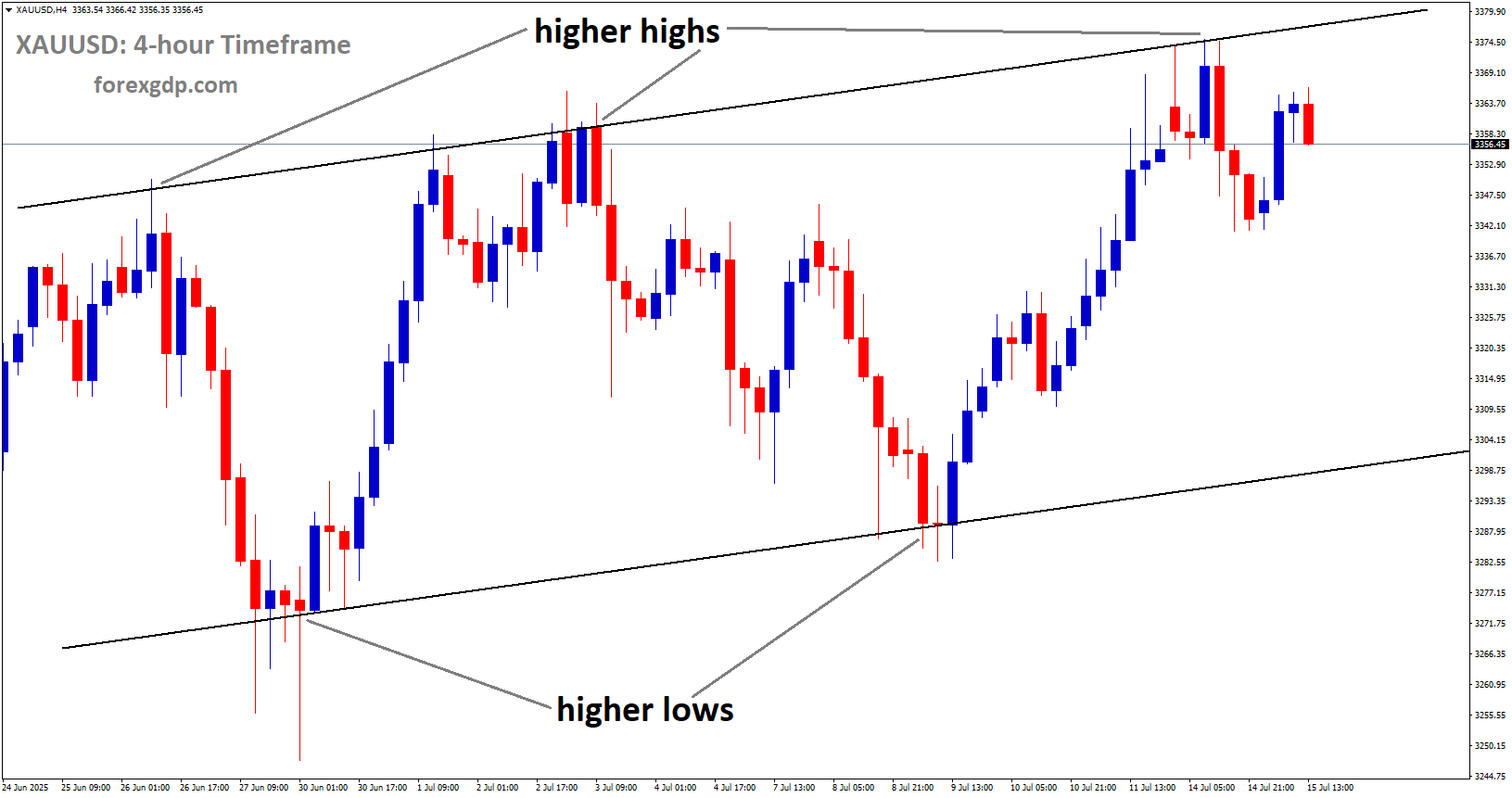

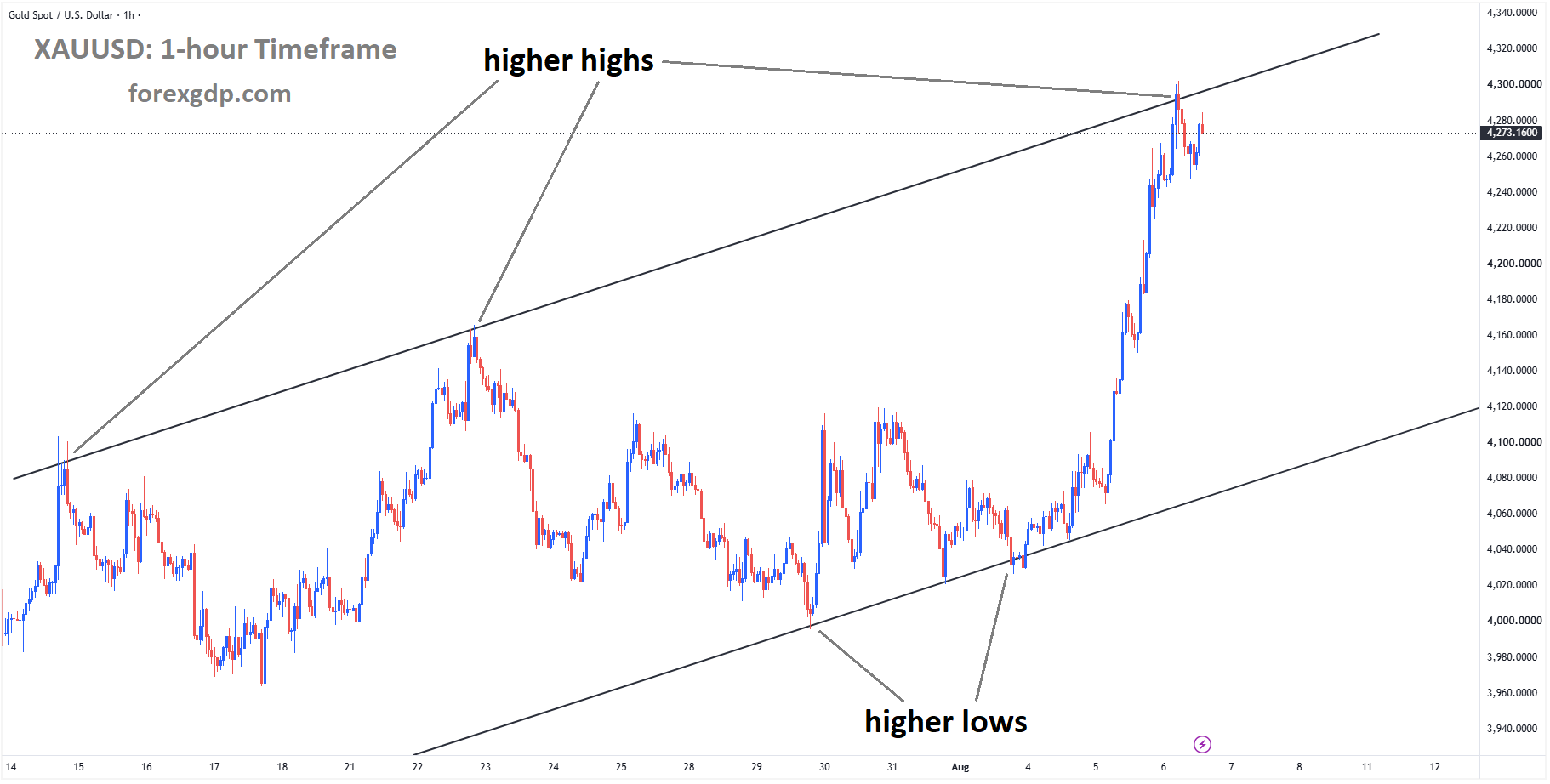
XAUUSD reached the higher high area of the ascending channel
Gold entered a period of consolidation on Thursday after a strong rally pushed the precious metal to its highest point in seven weeks. The pause came as the US Dollar stabilized and investors waited for clearer information about a possible agreement between Iran and Oman concerning shipping through the Strait of Hormuz.
The latest diplomatic developments have brought some relief to financial markets. However, uncertainty remains high because the proposed arrangement may provide only a temporary solution rather than fully reopening the important waterway.
Gold had recorded a sharp advance during the previous session after Iran announced that it had reached an understanding with Oman over a proposed shipping route. Iranian officials said the main elements of the deal were being prepared for inclusion in a joint statement.
The announcement encouraged hopes that shipping disruptions in the region could ease. At the same time, investors remain cautious because tensions across the Middle East have not disappeared. This combination of diplomatic progress and continuing geopolitical danger has left gold traders assessing whether the recent rally can maintain its strength.
Strait of Hormuz Developments Drive Market Sentiment
The Strait of Hormuz is one of the world’s most important shipping routes, particularly for global energy supplies. Any disruption in the area can affect oil transportation, inflation expectations, and confidence across international markets.
Iran’s reported understanding with Oman therefore attracted immediate attention. A temporary route could allow some shipping activity to continue and reduce fears of a prolonged interruption. That possibility has helped place downward pressure on oil while improving hopes that a wider supply crisis may be avoided.
However, Tehran has stressed that the proposed arrangement should not be viewed as a complete reopening of the Strait. It would instead establish a limited and temporary shipping channel. This distinction is important because it means that the broader problem remains unresolved.
Oman has often played a diplomatic role in regional disputes, making its involvement significant. Even so, traders are likely to wait for an official joint statement before treating the arrangement as a confirmed breakthrough.
The lack of a permanent solution continues to support demand for safe-haven assets. Gold often attracts additional interest when investors are concerned about military conflict, shipping interruptions, or political instability.
Middle East Risks Remain Despite Diplomatic Progress
Reports of further attacks in the region have prevented investors from becoming overly confident. Yemen’s Houthi movement claimed that it had targeted two Saudi oil tankers, adding another layer of concern to an already fragile situation.
Iran has also denied that it is holding negotiations with the United States. According to Tehran, the current discussions are strictly between Iran and Oman. This reduces expectations that the shipping proposal is part of a wider diplomatic settlement involving Washington.
These developments show why gold has struggled to extend its rally even though safe-haven demand remains present. Positive news about a temporary shipping route has reduced some immediate fears, but continued security threats are keeping uncertainty alive.
For gold, this environment creates competing forces. Easing concern over energy supplies may reduce the urgent demand for protection. On the other hand, the possibility of renewed disruption continues to encourage investors to maintain exposure to assets traditionally viewed as stores of value.
The result is a period of hesitation rather than a clear change in sentiment. Investors appear unwilling to abandon defensive positions, but they are also waiting for more evidence before increasing them significantly.
Falling Oil Costs Could Reduce Inflation Pressure
Oil remains an important part of the outlook for gold because energy costs influence inflation across the global economy. Businesses depend on fuel for transportation, manufacturing, agriculture, and distribution. When energy expenses rise, companies often pass part of the additional cost on to consumers.
A sustained decline in oil could therefore help ease inflation concerns. Lower inflation pressure would give central banks more flexibility when setting interest rates, especially the US Federal Reserve.
This relationship matters because higher interest rates can make gold less attractive. The precious metal does not provide regular interest payments, so investors may prefer yield-bearing assets when borrowing costs rise. When expectations for tighter monetary policy weaken, the disadvantage of holding gold becomes less significant.
Oil still includes a considerable geopolitical risk premium because of the uncertain situation in the Middle East. A temporary shipping agreement may lower that premium, but a lasting decline in energy-related anxiety would probably require a more complete settlement and stronger guarantees for commercial vessels.
Until then, energy markets are likely to remain sensitive to military reports, diplomatic statements, and changes in shipping activity.
Federal Reserve Expectations Begin to Shift
Inflation remains above the Federal Reserve’s long-term target, which means another interest-rate increase cannot be ruled out. Policymakers must balance the risk of persistent inflation against signs that parts of the US economy may be losing momentum.
Recent developments have caused traders to reduce their expectations for a September rate increase. Lower energy costs have contributed to that shift, while weaker employment figures have raised questions about the strength of the American labor market.
The latest private-sector employment report showed that hiring growth was softer than analysts had expected. Economists at TD Securities noted that both monthly and weekly employment readings have cooled during the summer following a strong beginning to the year.
A weaker labor market could make the Federal Reserve more cautious. Raising interest rates when hiring is slowing may place additional pressure on businesses and households. However, officials will need more evidence before deciding whether inflation risks or employment concerns deserve greater attention.
US Nonfarm Payrolls Report Becomes the Next Major Test
Investors are now focused on the upcoming US Nonfarm Payrolls report. The monthly release provides a broad picture of hiring across the American economy and is closely followed by the Federal Reserve.
A softer employment report could strengthen the view that the labor market is gradually cooling. That outcome may further reduce expectations for tighter monetary policy and create a more supportive environment for gold.
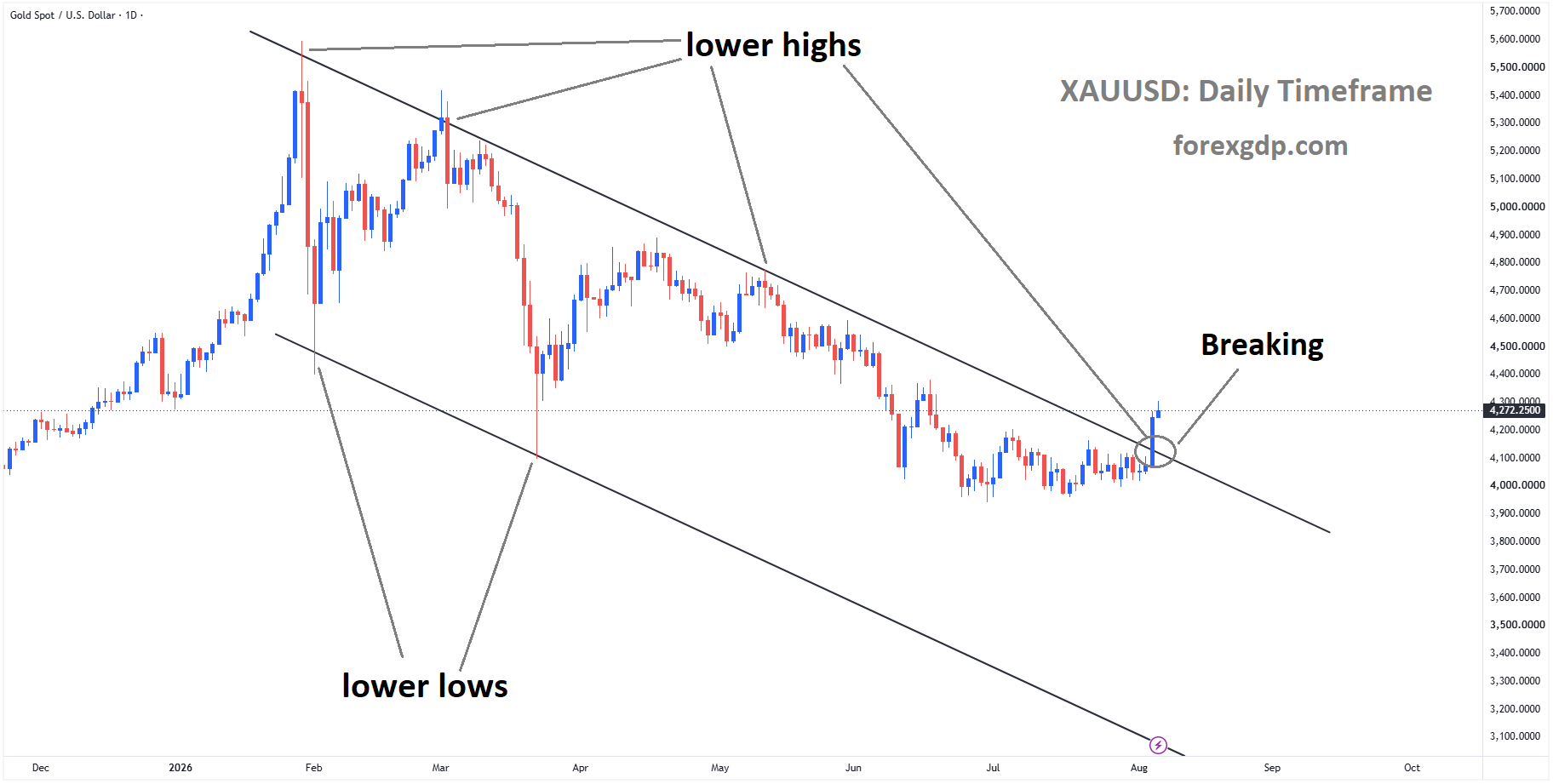
XAUUSD is breaking the lower high area of the descending channel
A stronger result would point to continued economic resilience. It could also keep the possibility of another interest-rate increase alive, particularly if wage growth remains firm and inflation shows limited progress toward the Federal Reserve’s target.
The employment report will be especially important because recent private-sector data has already shown signs of moderation. Investors will be looking to see whether the official figures confirm that trend or present a different picture.
Other details, including unemployment and wage growth, will also matter. Together, these figures will help shape expectations for the Federal Reserve’s next policy decision.
Summary
Gold is holding onto much of its recent advance as investors weigh diplomatic developments surrounding the Strait of Hormuz against continued instability in the Middle East.
A possible temporary shipping arrangement between Iran and Oman has reduced some immediate concern, but it does not represent a full reopening of the waterway. Reports of attacks on oil tankers and the absence of wider negotiations involving the United States have also limited optimism.
Lower oil costs could ease inflation and reduce pressure on the Federal Reserve to raise interest rates. At the same time, signs of softer US hiring have caused traders to reconsider the likelihood of tighter monetary policy.
Attention now turns to the Nonfarm Payrolls report. Its assessment of employment, unemployment, and wage growth could shape Federal Reserve expectations and determine the next major direction for investor demand for gold.