

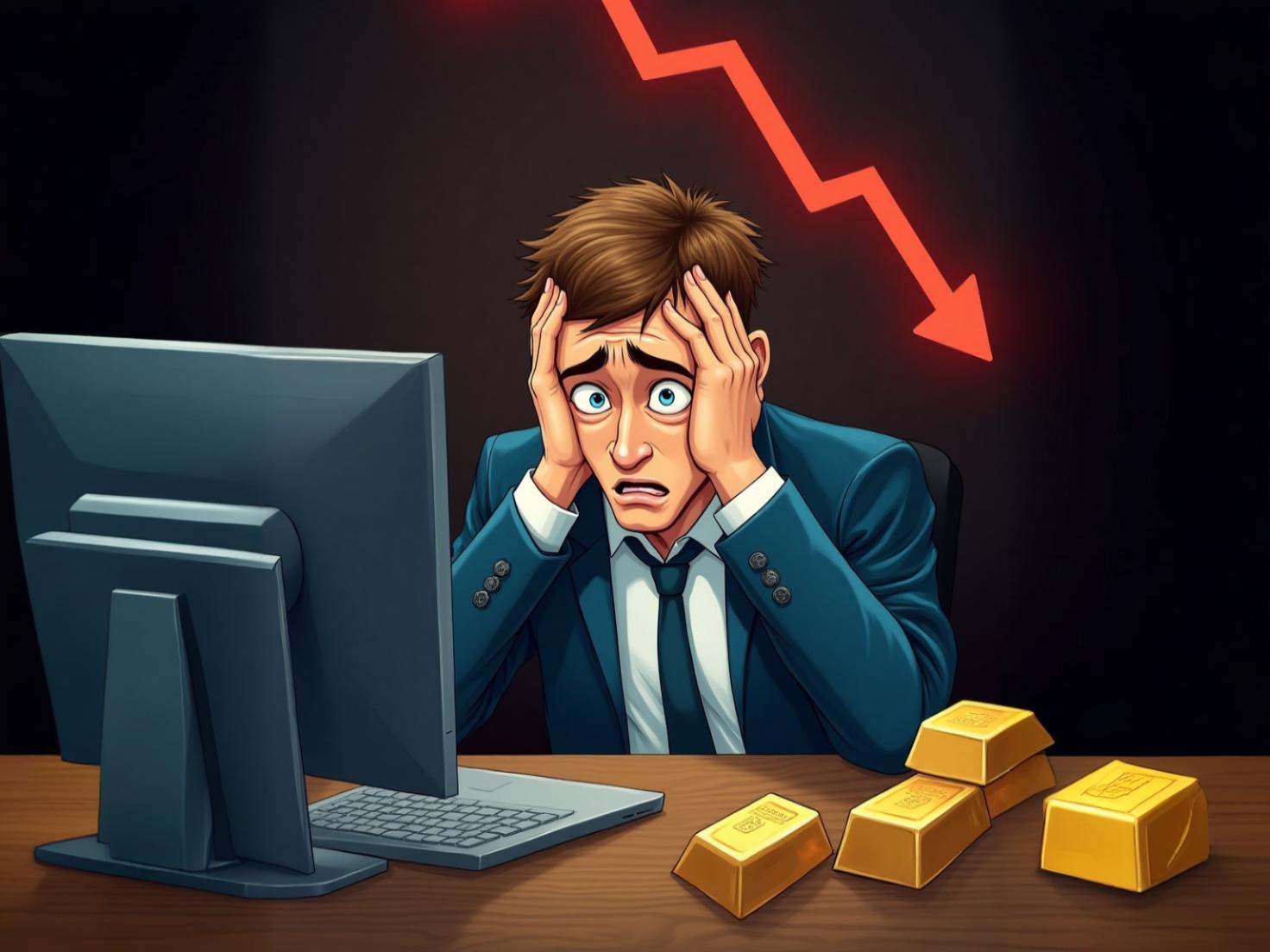
A losing trade can feel more painful than expected. You may have studied the market, waited patiently, followed your setup, and managed your risk carefully. Yet the market moves against you. Suddenly, one negative result starts making you question everything you were confident about before.
But one loss does not define your ability as a trader. Trading is based on probabilities, which means even a strong setup can fail. What matters is how you respond afterward. If you can accept the result, review it calmly, and continue following your process, one loss remains exactly what it should be—just one trade.
Why One Loss Can Feel So Serious
Trading involves both money and emotion. When money is lost, disappointment can quickly turn into self-doubt. You may start wondering whether your strategy works or whether your analysis was completely wrong.
The danger begins when you give one result too much importance. Instead of looking at your overall trading performance, you focus entirely on the latest loss. This can change how you approach your next opportunity.
Your Mind Remembers Negative Experiences
People often remember painful experiences more strongly than ordinary ones. In trading, several successful decisions may quickly fade from memory, while one bad trade stays in your thoughts for hours.
When this happens, your view of your performance becomes distorted. One loss starts looking like a major problem even when it may simply be a normal part of your strategy.
Fear Can Follow You Into the Next Trade
After losing, you may hesitate when another good setup appears. You might delay your entry, close too early, or avoid the trade completely because you are afraid of repeating the previous experience.
Others react in the opposite way. They enter another trade quickly because they want their money back. Both reactions are emotional and can damage otherwise disciplined trading.
A Loss Does Not Always Mean You Made a Mistake
One of the hardest lessons in trading is understanding that a good decision can still produce a losing result. The market does not guarantee success simply because you followed your strategy correctly.
Think about carrying an umbrella when rain is expected. If it does not rain, carrying the umbrella was not necessarily a bad decision. You acted using the information available. Trading decisions work in much the same way.
Judge the Process, Not Only the Result
After a losing trade, review how you handled it. Did the setup meet your trading rules? Did you manage your risk properly? Did you respect your planned entry and stop loss?
If you followed your system correctly, there may be nothing dramatic to change. Sometimes a trade simply does not work. A strong trading process is designed for consistency across many trades, not perfection on every single one.
Do Not Connect Your Identity to a Trade
A losing trade does not make you a bad trader. In the same way, one winning trade does not suddenly make someone an expert.
Your progress should be measured over a larger number of decisions. Think of each trade as one page in a long book. One disappointing page cannot tell the whole story.
Protect Your Confidence After a Loss
Trading confidence should come from preparation and discipline rather than constant profits. If your confidence only exists when trades are winning, it will disappear whenever the market becomes difficult.
Healthy confidence means knowing you can follow your rules even when the outcome is uncomfortable. This mindset makes losses easier to handle without creating unnecessary panic.
Avoid Revenge Trading
After losing money, the desire to recover it immediately can become powerful. Suddenly, average setups start looking attractive. You may increase your lot size or enter trades you would normally ignore.
This is how one manageable loss can become several unnecessary losses. The market does not know you lost your previous trade, and it does not owe you a recovery. Waiting for the next genuine opportunity is often the stronger decision.
Do Not Change Everything Too Quickly
Some traders immediately question their entire strategy after one or two losses. They change their rules, switch timeframes, or start searching for another system.
Constantly changing your approach makes consistency almost impossible. If your strategy has been tested properly, give it enough time before making major changes. Adjustments should come from repeated evidence rather than temporary frustration.

Control Risk to Protect Your Mindset
Risk management protects more than your account balance. It also protects your emotional stability. When too much money is exposed to one trade, a normal loss can feel like a disaster.
Keeping risk manageable makes it easier to accept negative outcomes. You can review the trade calmly instead of feeling desperate to recover immediately.
Learn From the Loss Without Dwelling on It
Every losing trade can provide information, but that does not mean you need to search desperately for a mistake. Sometimes you followed your plan correctly and the market simply moved differently.
A trading journal can help you see the situation clearly. Record why you entered, how you managed the position, and whether you followed your rules. Over time, repeated mistakes become easier to identify.
Focus on Patterns Over Individual Results
One trade tells you very little about your overall performance. A larger group of trades provides a much clearer picture.
If the same mistake keeps appearing, it deserves attention. But if one properly managed setup fails, there may be no reason to panic. Learning to recognize this difference can protect your confidence.
Build Confidence Through Consistency
Real confidence grows when you repeatedly prove that you can follow your rules. Every time you control your risk, wait patiently, or refuse to revenge trade, you strengthen your discipline.
You cannot control whether every trade wins, but you can control your preparation, risk, patience, and reactions. Instead of asking only, “Did I make money today?” ask yourself, “Did I trade according to my plan?”

Conclusion
A single loss should never have enough power to destroy your confidence. Review what happened, learn from genuine mistakes, and accept normal losses without carrying them into your next decision.
Confidence does not mean believing every trade will succeed. It means trusting yourself to remain disciplined when things do not go your way. Protect your mindset as carefully as your trading capital, because both are essential for long-term consistency.
FAQs
Why shouldn’t one trading loss affect my confidence?
One loss is only a single outcome and does not define your overall trading ability.
How should I react after a losing trade?
Review the trade calmly, identify any mistakes, and continue following your trading plan.
Can a good trading setup still result in a loss?
Yes, even a strong setup can lose because trading is based on probabilities, not guarantees.
How can I avoid revenge trading after a loss?
Avoid rushing into another trade and wait patiently for a setup that meets your rules.
How can traders rebuild confidence after losses?
Focus on disciplined decisions, controlled risk, consistent execution, and long-term performance.