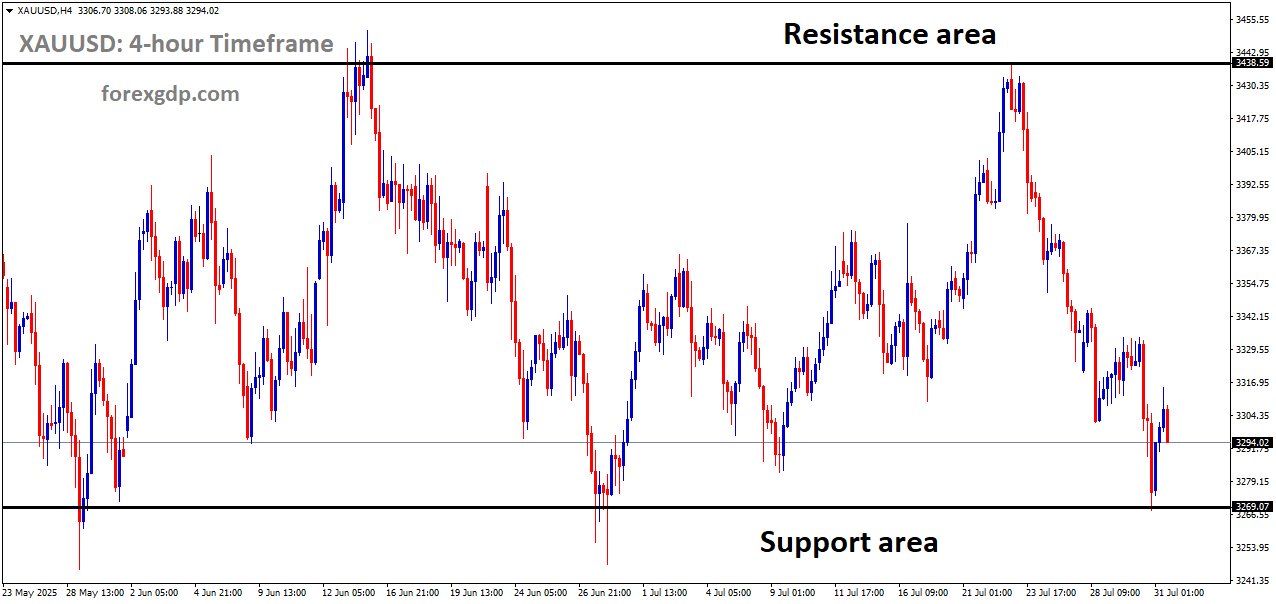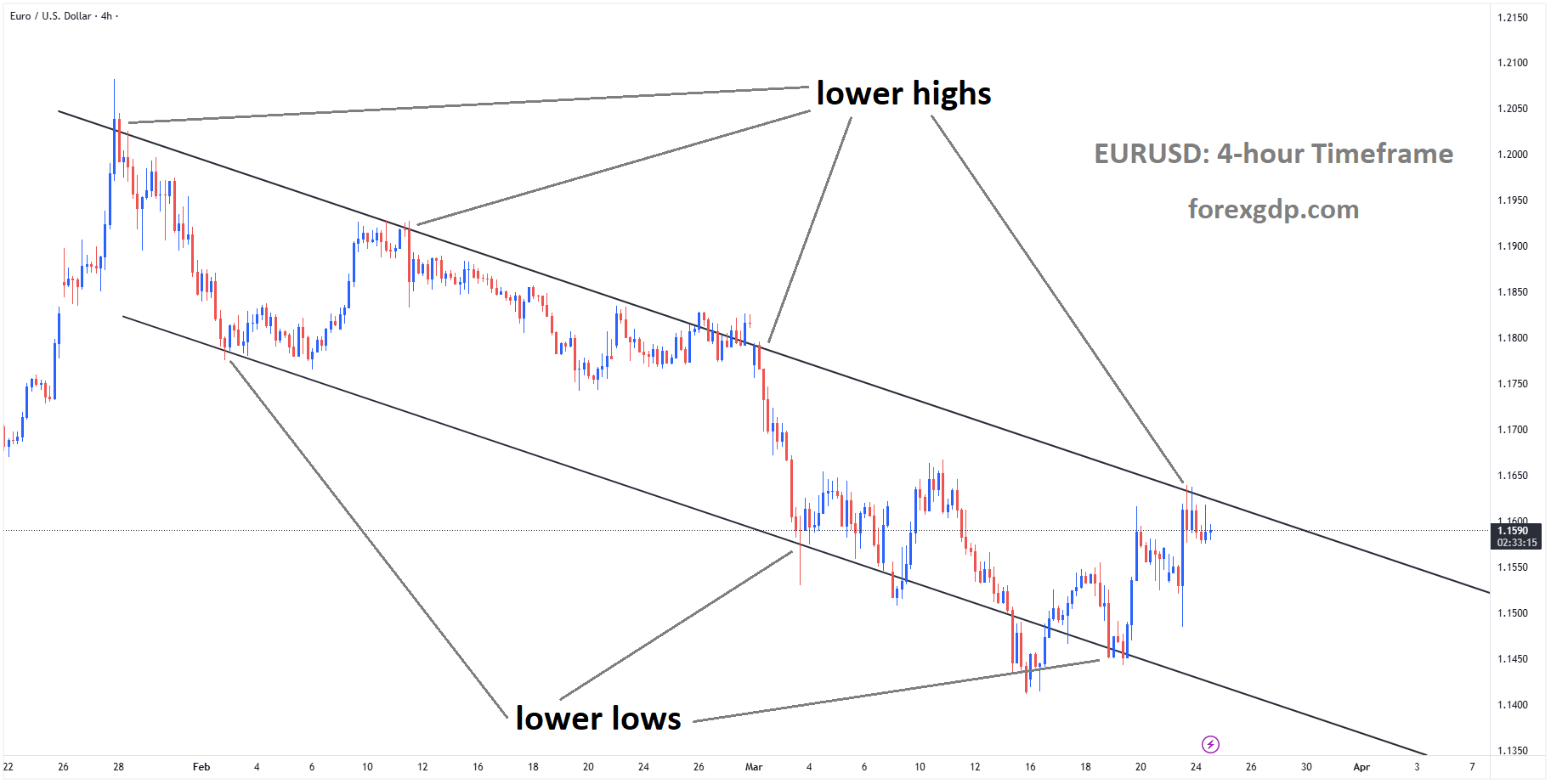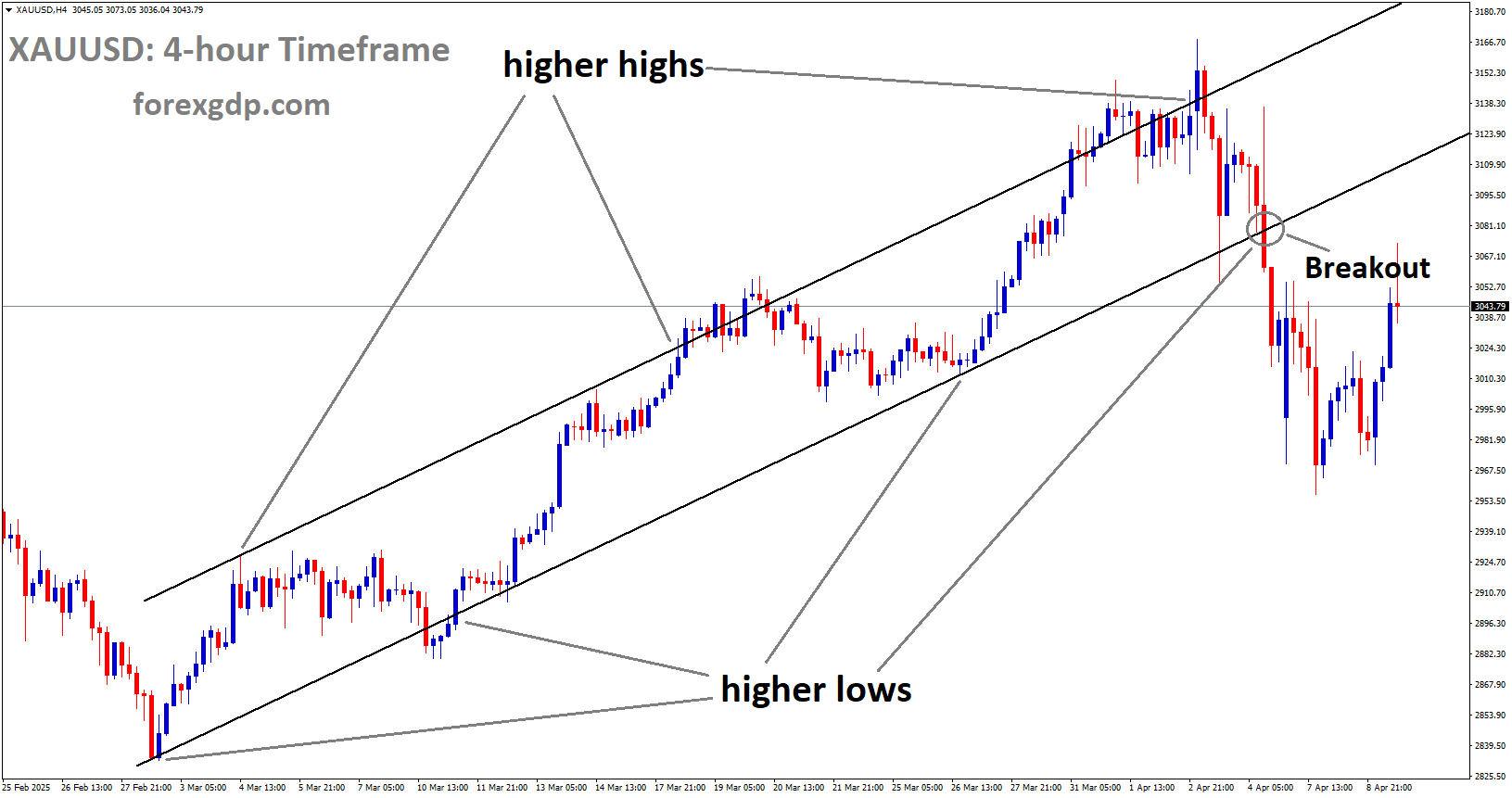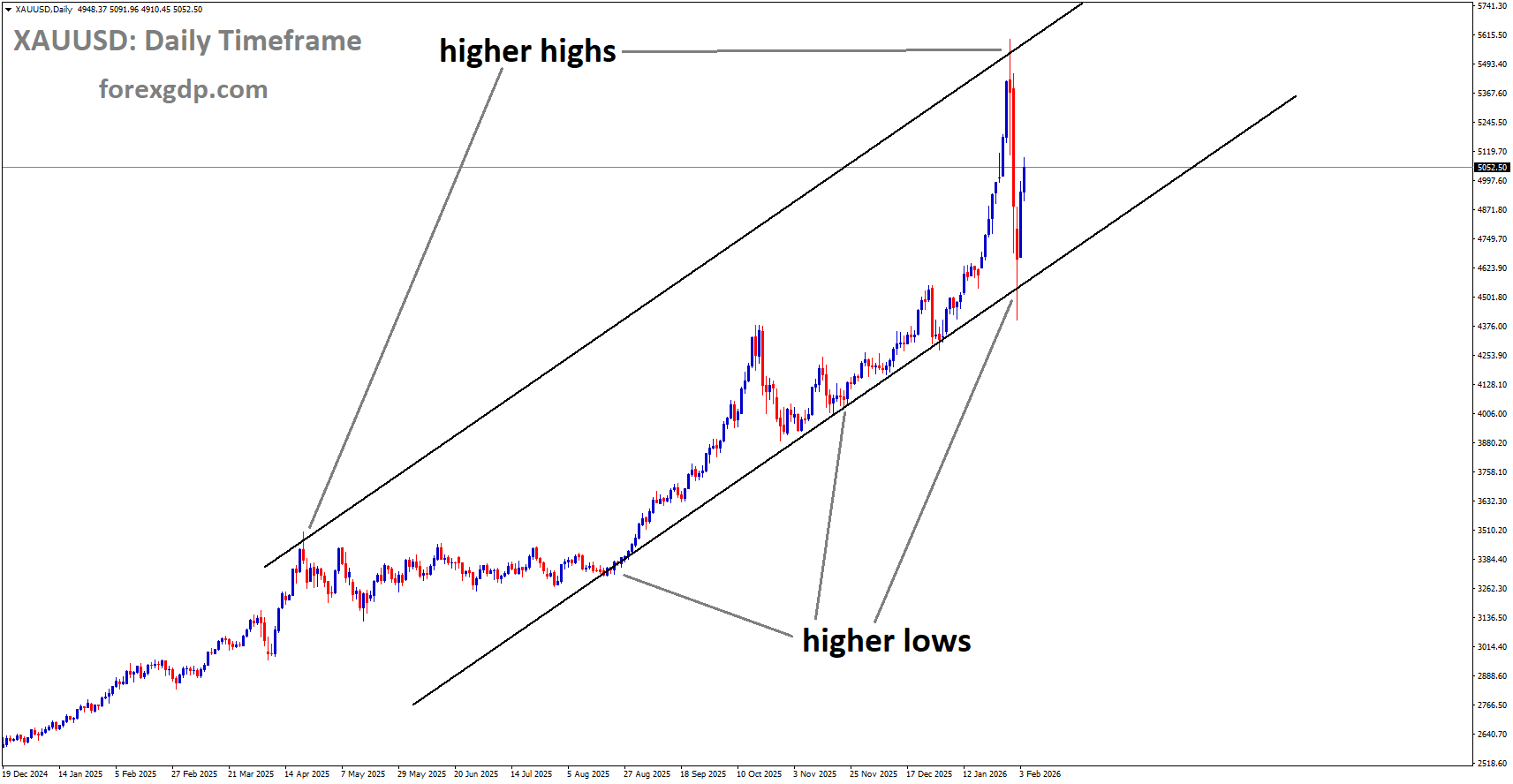

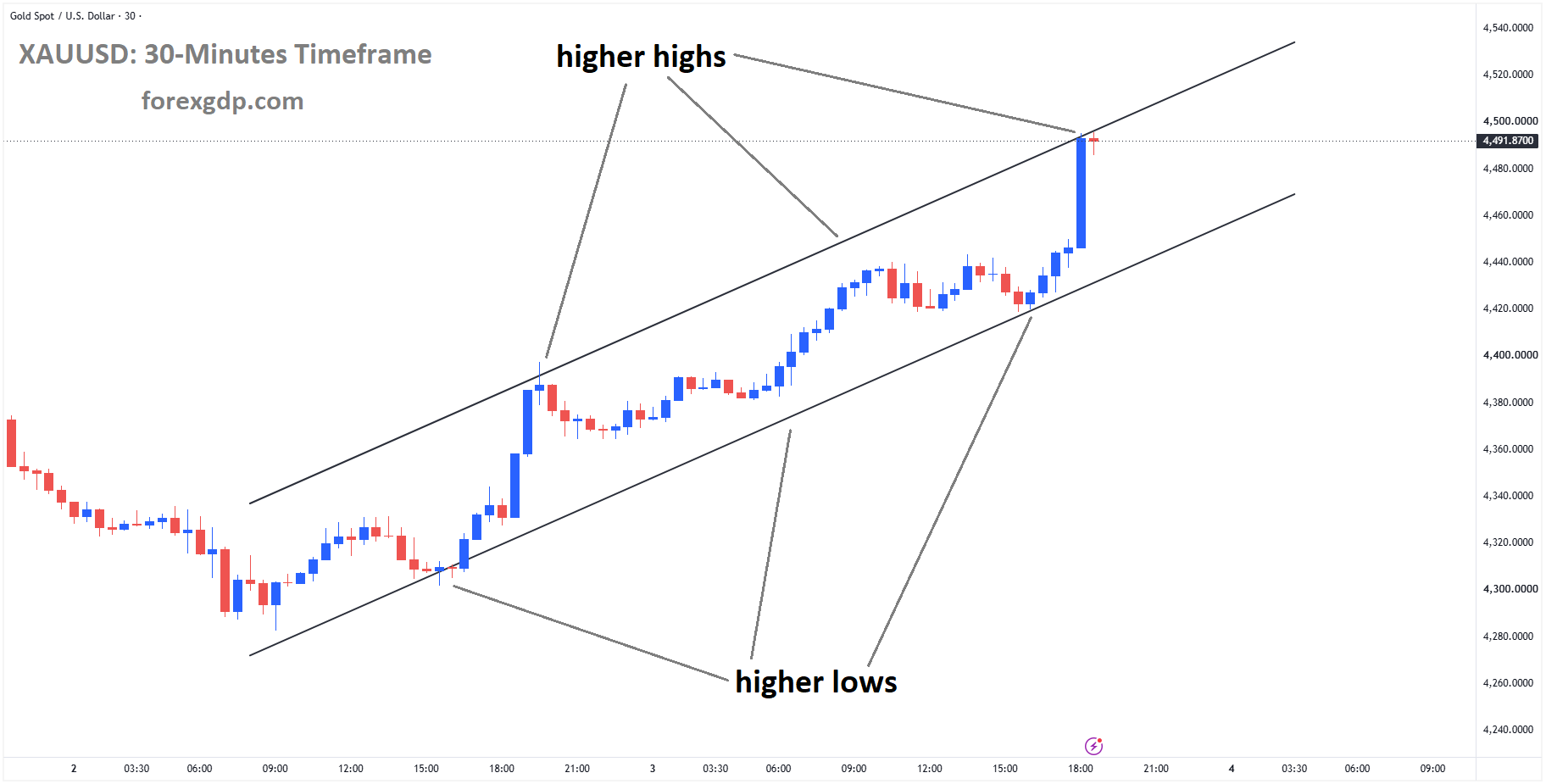
XAUUSD reached the higher high area of the ascending channel
Gold continued its recovery on Thursday as fresh weakness in the US Dollar and a decline in Treasury yields encouraged buyers to return to the precious metal. The rebound followed a difficult period in which Gold faced strong selling pressure and dropped to its lowest point in nearly four weeks.
The US Dollar came under pressure after the Japanese Yen gained sharply. At the same time, US government bond yields moved lower for a second straight day. These developments created a more supportive environment for Gold, which often benefits when the Dollar and bond yields weaken.
However, the recovery may not be completely smooth. Traders remain focused on the Federal Reserve’s next interest-rate decision, while upcoming US economic reports could quickly change market expectations. The ISM Services PMI and Nonfarm Payrolls report are likely to play an important role in shaping Gold’s next direction.
Weaker US Dollar Supports Gold Demand
Gold and the US Dollar usually have an inverse relationship. When the Dollar becomes weaker, Gold becomes more affordable for buyers using other currencies. This can increase international demand and provide support for the precious metal.
The recent strength of the Japanese Yen placed additional pressure on the Greenback. As the Dollar moved closer to a one-week low, investors became more interested in Gold. The decline helped the metal recover from its recent losses and regain some confidence among market participants.
The Dollar had previously strengthened because traders expected the Federal Reserve to maintain a firm monetary policy. However, fresh uncertainty surrounding the US labour market and mixed comments from central bank officials caused investors to reconsider that view.
This shift does not necessarily mean the Dollar will continue falling. Upcoming US data could support it again if the economy shows strong growth and healthy employment conditions. For now, though, Dollar weakness is giving Gold some much-needed breathing room.
US Labour Data Raises Fresh Questions
The latest weekly employment figures showed a small increase in the number of Americans applying for unemployment benefits. Jobless claims came in slightly above market expectations and were also higher than the previous week’s reading.
The change was not large enough to suggest a serious problem in the US labour market. Still, it added to concerns that employment conditions may be gradually losing momentum. Even a minor sign of weakness matters when traders are closely watching the Federal Reserve’s next decision.
A softer labour market may reduce the need for aggressive interest-rate increases. If hiring slows and unemployment begins to rise, the central bank could become more careful about tightening monetary policy further. This possibility can weaken the Dollar and support Gold.
On the other hand, one weekly report cannot provide a complete picture. Employment data can be volatile, and the Federal Reserve normally considers several reports before making a major policy decision. That is why investors are now waiting for the broader monthly jobs report.
Falling Treasury Yields Offer Additional Relief
US Treasury yields moved lower after recently reaching their strongest level in several years. The decline helped improve demand for Gold because the metal does not provide regular interest payments.
When government bond yields rise, investors can earn better returns from assets that are generally considered safer. This can make Gold less appealing because holding it does not generate income. As a result, high yields often limit Gold’s ability to rise.
When yields fall, the cost of holding Gold becomes less significant. Investors may then become more willing to keep part of their money in the precious metal, especially during periods of economic, political or financial uncertainty.
Even after the latest decline, government bond yields remain relatively high across several major economies. Concerns about public spending, debt levels and persistent inflation continue to keep borrowing costs elevated. Therefore, falling yields are helping Gold now, but they could still become a challenge again.
Inflation Concerns Remain a Serious Risk
Inflation remains one of the biggest issues influencing the outlook for Gold. Rising energy costs linked to the war in the Middle East have increased fears that price pressures could remain uncomfortable for longer.
More expensive Oil can affect transportation, manufacturing and household expenses. If these higher costs spread through the economy, inflation may become harder to control. That would place additional pressure on central banks to keep interest rates high or raise them further.
Gold is often viewed as protection against inflation, but its reaction is not always straightforward. Persistent inflation can support demand for the metal over the long term. However, the higher interest rates used to control inflation can create short-term pressure.
This leaves Gold caught between two competing forces. Inflation fears can attract safe-haven buyers, while expectations of tighter monetary policy can reduce demand. The stronger influence may depend on the next set of US economic figures.
Federal Reserve Expectations Drive Market Sentiment

The Federal Reserve remains at the centre of attention. Traders are considering the possibility of another interest-rate increase at the September meeting, which could create a difficult environment for Gold.
Higher interest rates normally strengthen the US Dollar and improve the appeal of interest-paying investments. Both effects can reduce demand for the yellow metal. If expectations for another rate increase become stronger, Gold may struggle to maintain its recovery.
Still, comments from Federal Reserve Governor Christopher Waller added some uncertainty to the outlook. He said recent data showed signs that inflation was beginning to slow. He also indicated that the September decision would depend heavily on the next inflation report.
Waller suggested that he could support leaving interest rates unchanged if the latest improvement in inflation continues. His comments gave investors a reason to remain cautious rather than fully commit to expectations of another increase.
The Federal Reserve’s choice is far from certain. Policymakers must balance the risk of persistent inflation against the danger of placing too much pressure on the economy. This uncertainty is likely to keep Gold sensitive to every major economic release.
Upcoming US Reports Could Change the Outlook
Attention now turns to the ISM Services PMI, which measures activity across the large US services sector. A strong result could show that the economy remains resilient, potentially supporting expectations for tighter Federal Reserve policy.
A weak reading could produce the opposite reaction. It may raise concerns about slowing economic activity, weaken the Dollar and encourage investors to buy Gold.
The Nonfarm Payrolls report will be even more important because it provides a broader view of employment growth. Traders will examine job creation, unemployment and wage growth for signs of strength or weakness.
Strong employment figures could increase confidence in another rate rise, while disappointing data may encourage the Federal Reserve to remain patient. Because expectations can change quickly, Gold may experience sharp movements around these reports.
Central Bank Buying Supports the Longer-Term Outlook
Despite short-term challenges, Gold continues to receive support from central bank purchases and steady investment demand. Many central banks have increased their Gold reserves to diversify away from traditional currencies and reduce exposure to global financial risks.
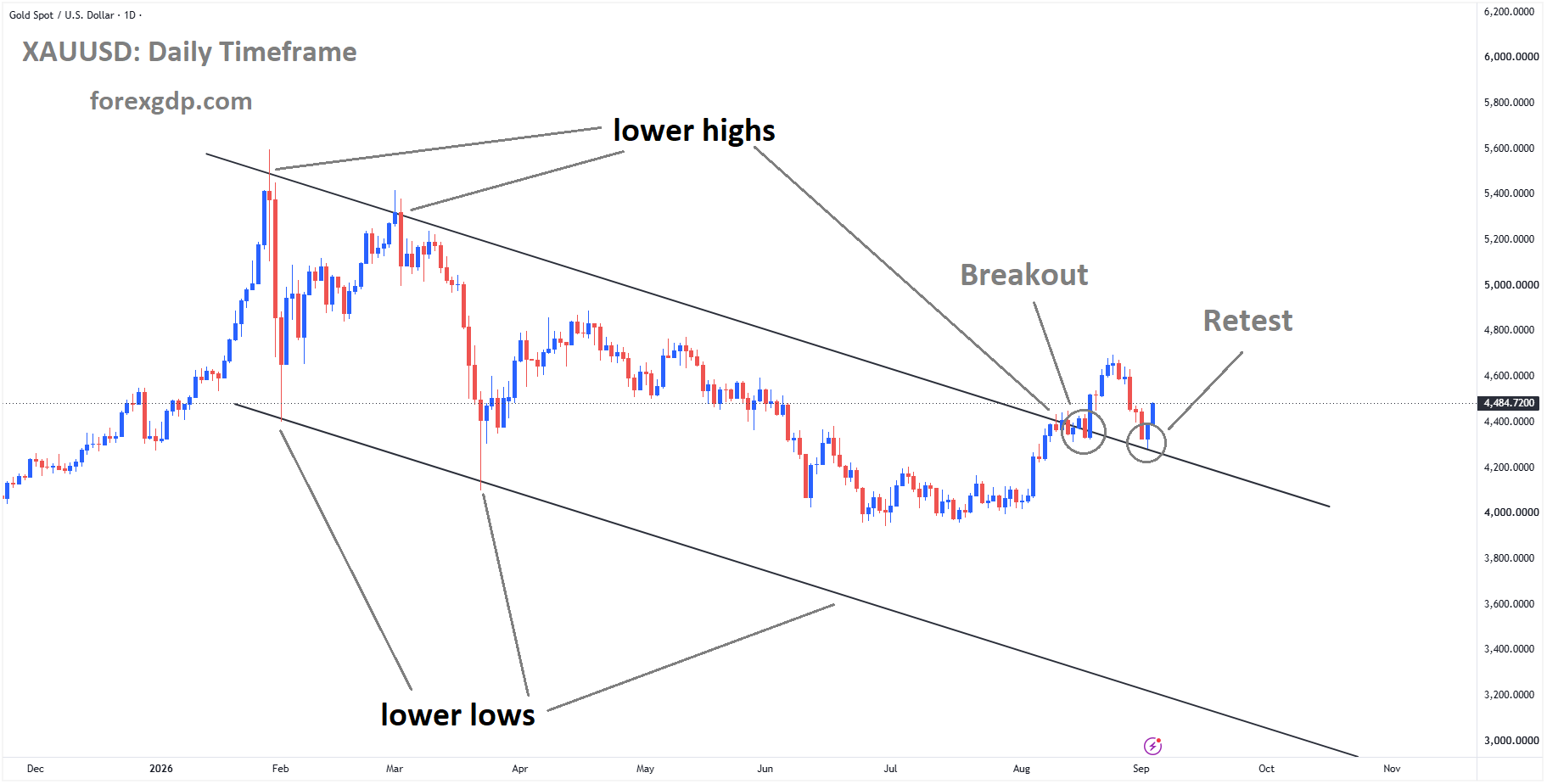
XAUUSD is rebounding from the retest area of the broken descending channel
Geopolitical tensions, inflation concerns and uncertainty about government debt have also kept long-term interest in Gold alive. Investors often turn to the metal when confidence in financial markets becomes fragile.
This does not protect Gold from temporary declines. Interest-rate expectations, Dollar movements and economic reports can still create significant pressure. However, consistent institutional demand provides a stronger foundation for the broader outlook.
Final Summary
Gold is recovering as the US Dollar weakens and Treasury yields move lower. Softer labour-market figures have added uncertainty to the Federal Reserve’s policy outlook, while cautious comments from a Fed official have reduced confidence in an immediate rate increase.
Important US reports, including the ISM Services PMI and Nonfarm Payrolls, could determine whether the rebound continues. Strong data may revive expectations for higher interest rates and pressure Gold, while weaker results could support further demand. Although near-term risks remain, central bank buying, investment demand and global uncertainty continue to support Gold’s longer-term appeal.