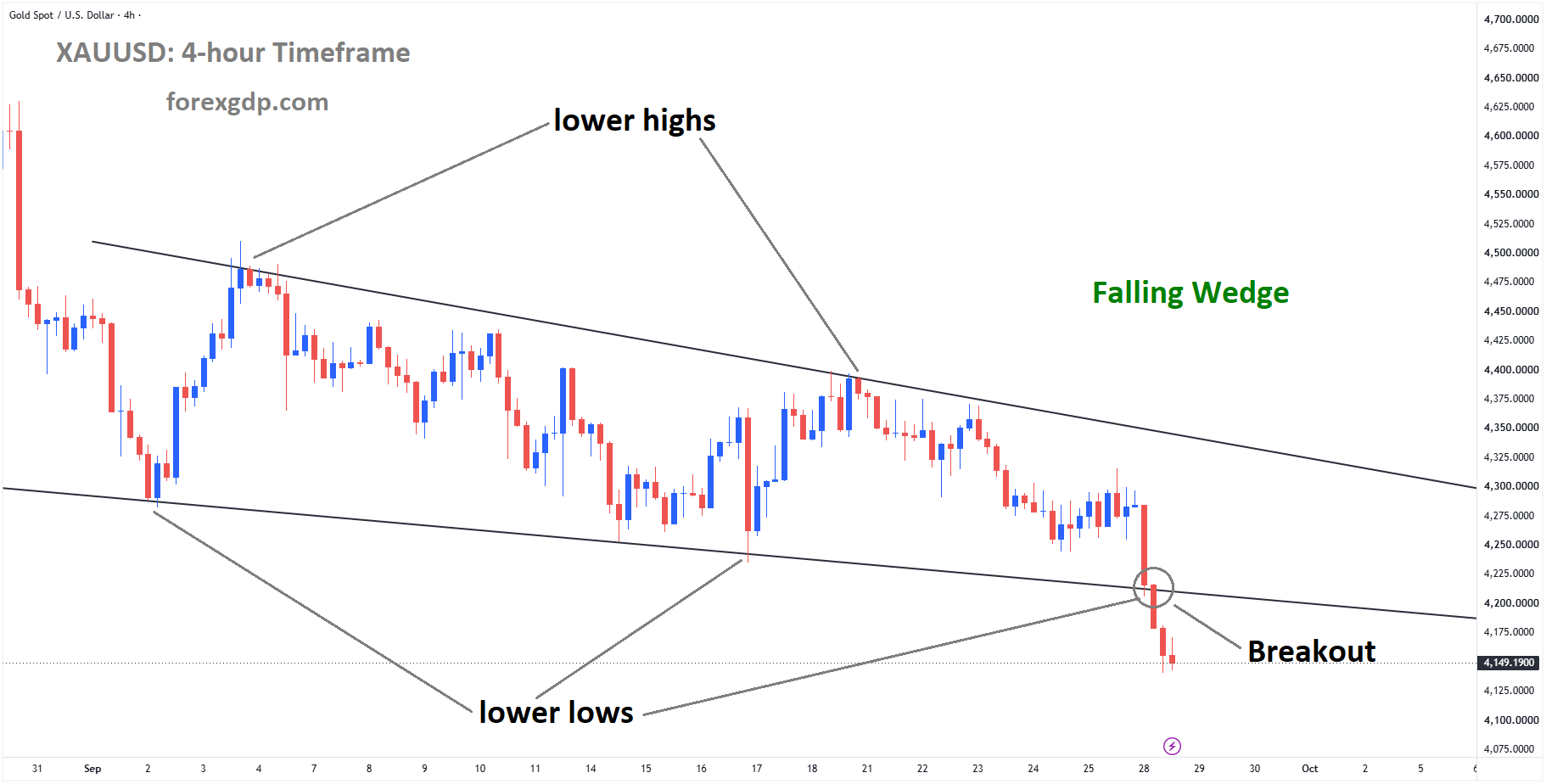
XAUUSD has broken the falling wedge pattern to the downside
Gold came under heavy selling pressure on Monday as investors weighed a difficult mix of rising energy costs, higher US bond yields and the possibility of another Federal Reserve interest rate hike. Although conflict in the Middle East has raised demand for safe assets, that support has been outweighed by concerns that expensive oil could keep inflation elevated.
For gold, the central question is how the Fed will respond. If inflation remains stubborn, policymakers may keep borrowing costs high or raise them again. That prospect has made assets that pay interest more attractive to investors, while adding pressure to gold, which pays no income.
Rising Oil Prices Complicate the Inflation Outlook
The conflict involving the United States, Israel and Iran has disrupted energy supplies through the Strait of Hormuz, a vital route for global oil shipments. Oil prices have remained volatile since the fighting began, leaving businesses and consumers exposed to the risk of higher fuel and transport costs.
Those costs can spread through the wider economy. Companies may pay more to move goods or run their operations, then pass some of the increase on to customers. That could make it harder for inflation to ease, even if other sources of price pressure are cooling.
Diplomatic talks could change the outlook, but uncertainty remains. President Donald Trump rejected Iran’s latest proposal to reopen the strait within seven days, while indicating that further discussions with US negotiators could take place this week. Mediators are also expected to speak separately with US and Iranian officials about an amended proposal.
Any progress toward restoring shipping through the strait could ease concerns about oil supplies. Until there is a clearer agreement, however, traders are likely to keep watching developments in the region closely.
Why Gold Has Struggled Despite Middle East Tensions

Gold often attracts buyers during periods of conflict because investors view it as a place to preserve wealth. It can also appeal when people worry that inflation will erode the value of money. That makes its recent weakness appear surprising at first.
The link between oil, inflation and interest rates helps explain the move. Higher oil costs have increased fears that the Fed may need to tighten monetary policy further. At the same time, US Treasury yields have climbed, giving investors a stronger return from government bonds. Since gold does not pay interest, holding it becomes less appealing when yields rise.
The US Dollar has also remained firm. Gold is commonly bought and sold in dollars, so a stronger dollar can make it more expensive for buyers using other currencies. Together, higher yields and a resilient dollar have limited the support gold might otherwise receive from geopolitical uncertainty.
These forces do not erase gold’s role as a safe asset. They do show that investors can respond to the same event in different ways. Middle East tensions may encourage some to buy gold, while the resulting inflation risk may lead others to favor the dollar or interest-paying assets.
Fed Policy Remains Central to the XAUUSD Outlook
The Federal Reserve raised interest rates at its September meeting, and recent comments from officials have kept the possibility of another increase in focus. Traders are now assessing whether inflation will remain high enough to justify further action.
The Fed faces a difficult balance. Raising rates can help slow inflation, but it can also weigh on spending, hiring and economic growth. Policymakers will want evidence that price pressures are persistent before deciding their next step. For gold investors, even a change in expectations can matter: markets often react before the Fed announces a decision.
If incoming reports point to stubborn inflation and a steady labor market, expectations for another rate hike may strengthen. That could keep US yields elevated and maintain pressure on gold. If the data show that inflation is easing or the economy is losing momentum, investors may reconsider how much more tightening the Fed needs to deliver.
Key US Reports Could Shift Gold Sentiment This Week
Several major US economic releases are due this week, giving traders a closer look at inflation and the health of the economy. The Personal Consumption Expenditures report will be especially important because it is a key inflation measure for the Fed. Investors will examine whether price growth is easing or whether energy costs are helping to keep it high.
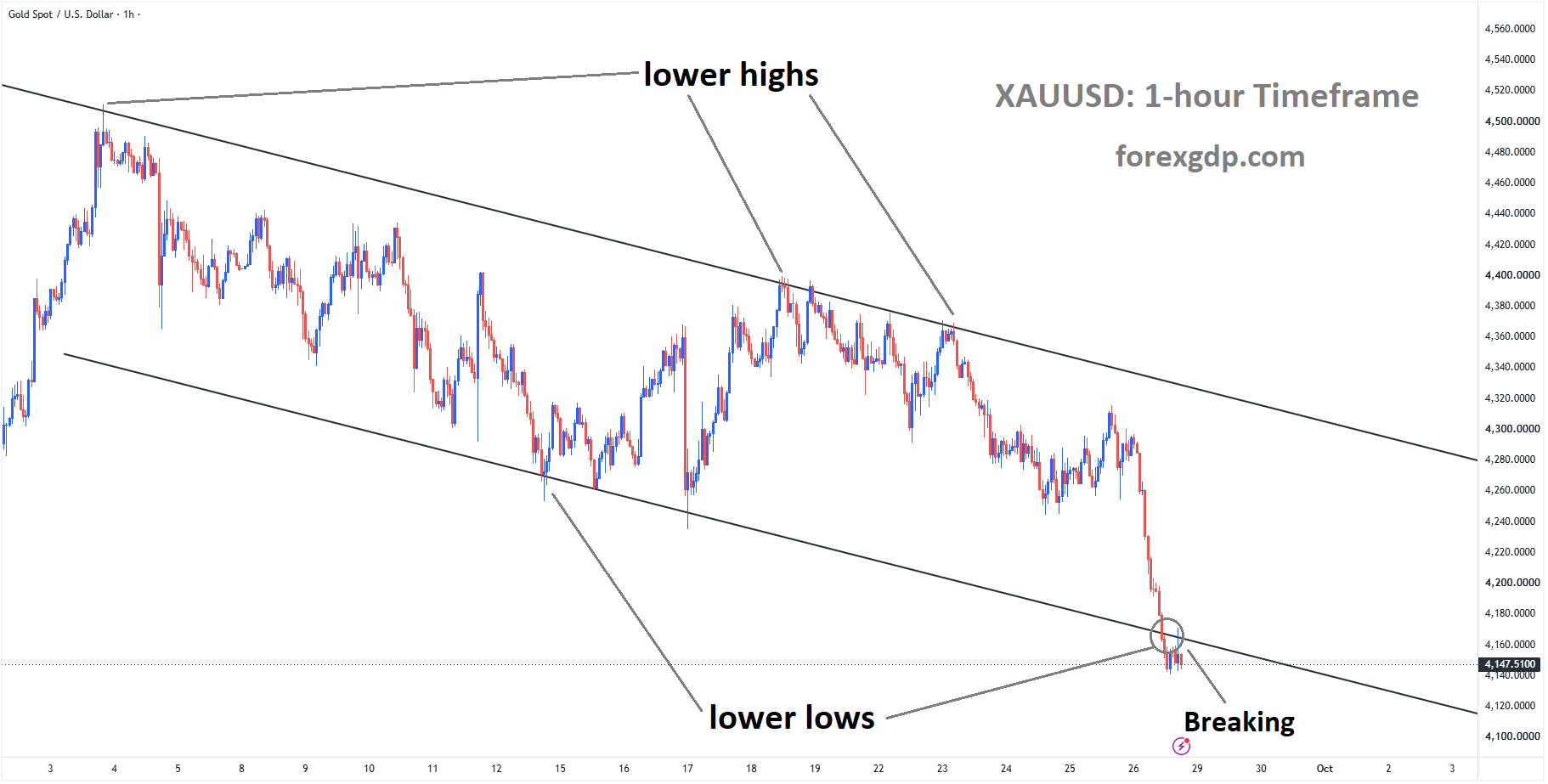
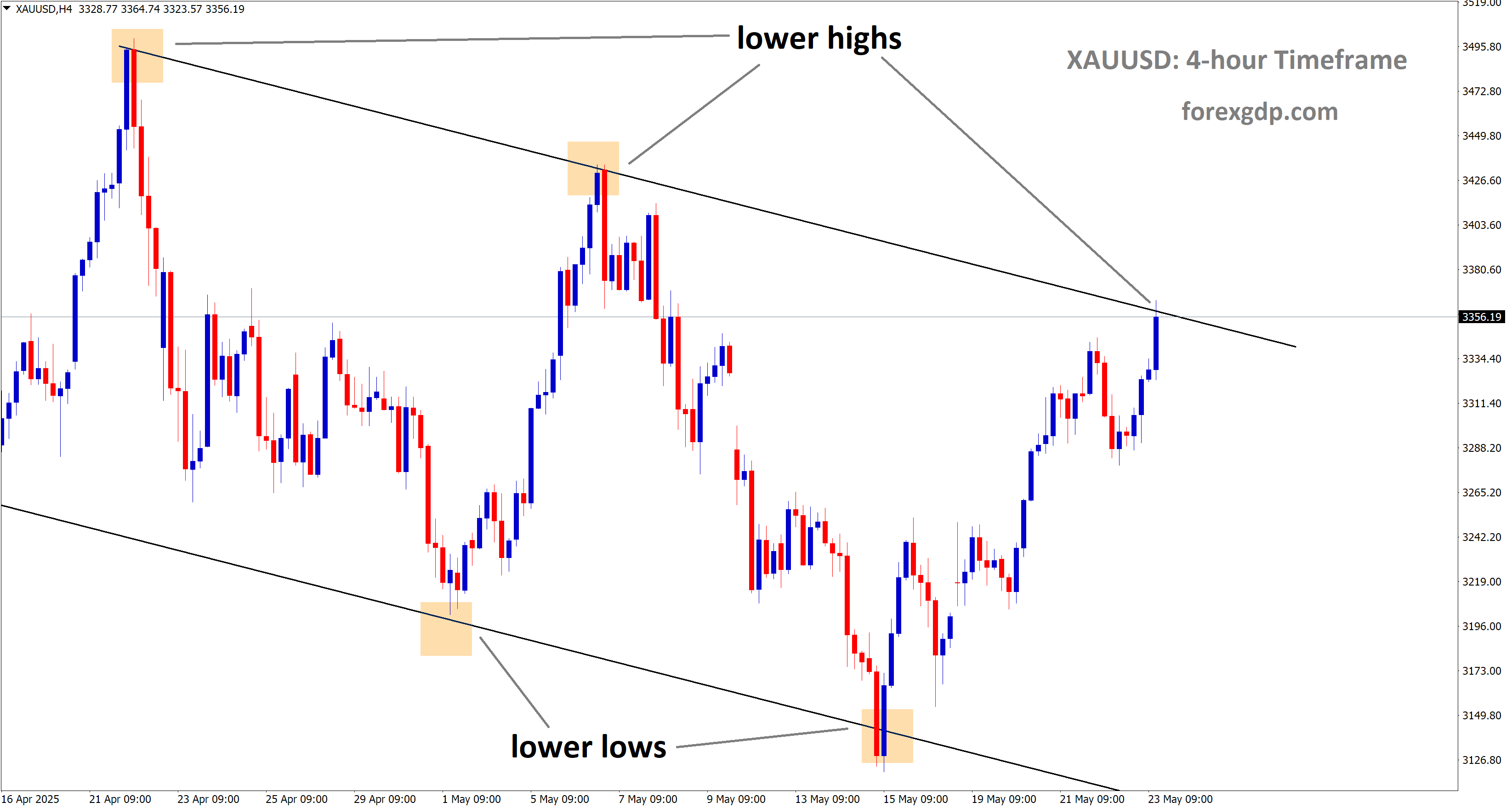
XAUUSD is breaking the lower low area of the descending channel
The ISM Purchasing Managers’ Index will offer insight into business activity. Its details may also show whether companies are facing rising costs that could eventually reach consumers. Later in the week, the Nonfarm Payrolls report will provide a broad view of hiring and the labor market.
A strong jobs report could give the Fed more room to focus on inflation, while signs of weaker employment could make another rate hike a harder choice. Comments from Fed officials will help traders understand how policymakers are interpreting the data.
For XAUUSD, the outcome will depend on how these reports shape expectations for interest rates, bond yields and the dollar. Middle East developments will remain part of the picture, particularly if talks produce a clearer path toward reopening the Strait of Hormuz.
Summary
Gold is facing pressure because the inflation risks linked to higher oil prices have strengthened expectations of further Fed tightening. Rising US Treasury yields and a firm dollar have added to that pressure, even as Middle East tensions continue to create uncertainty. This week’s US inflation, business activity and employment reports could give investors a clearer sense of the Fed’s next move and help determine where gold heads next.