

Every trader has faced the same temptation. You see a chart posted on social media, a friend shares a “sure-win” trade, or an online expert claims the market is about to explode. Suddenly, your own trading plan feels slow and boring. You start thinking, What if they’re right? That single thought has emptied more trading accounts than most people realize.
The truth is simple. A trading signal only has value if it fits the strategy you understand and trust. Even a profitable signal can become a losing trade when it doesn’t match your rules, risk tolerance, or experience. Chasing random opportunities is like borrowing someone else’s map while driving in a city you’ve never visited. They might reach the destination, but you probably won’t.
Trading isn’t about collecting as many signals as possible. It’s about taking the right signals repeatedly. When every decision comes from your own tested system, you build confidence. When every trade comes from someone else’s opinion, you build confusion. That difference may seem small today, but after dozens of trades, it becomes the line between consistency and frustration.
Why Your Trading System Should Always Come First
A trading system isn’t just a collection of entry and exit rules. It’s a complete framework that helps you make decisions under pressure. Without it, every market movement feels important, and every new prediction sounds believable.
The market constantly throws new opportunities in front of you. Some look exciting, others seem impossible to ignore. But excitement isn’t a strategy. If your system doesn’t recognize the setup, there’s no reason to risk your money. Ignoring your own rules simply because someone else sounds confident is rarely a smart move.
Your System Is Built Around Your Personality
No two traders think exactly alike. Some enjoy fast decisions, while others prefer waiting several days before entering a position. Your trading system reflects your personality, patience, and risk tolerance.
Trying to trade another person’s setup often feels uncomfortable because it doesn’t match the way you naturally make decisions. That discomfort usually leads to hesitation, poor execution, or emotional exits that damage your results.
Confidence Comes From Familiar Patterns
Confidence doesn’t appear overnight. It grows after seeing the same setup work again and again. Every successful trade strengthens your trust in your own process instead of someone else’s opinion.
Random signals interrupt that learning process. Instead of recognizing familiar opportunities, your mind jumps from one strategy to another. Eventually, nothing feels reliable because you’ve never stayed consistent long enough to build confidence.
Discipline Is Stronger Than Excitement
Many traders mistake excitement for opportunity. They believe the most dramatic chart must offer the biggest profit. In reality, excitement often clouds judgment.
Discipline means saying “no” far more often than saying “yes.” The traders who survive understand that avoiding bad trades is just as valuable as finding good ones.
Random Signals Create Mental Confusion
Imagine trying to learn five different languages at the same time. You’ll probably mix words, grammar, and pronunciation until nothing sounds correct. Trading works the same way.
Every trading system follows different rules. Mixing them together creates uncertainty. One indicator says buy, another says sell, and another says wait. Suddenly, every chart becomes confusing instead of clear.
Too Many Opinions Lead to Poor Decisions
The internet is filled with confident predictions. Some will be correct simply by chance. That doesn’t mean they’re useful for your trading journey.
Listening to too many voices slowly weakens your ability to think independently. Instead of analyzing the market yourself, you begin waiting for someone else to tell you what to do.
Consistency Beats Constant Change
Many traders switch strategies after only a few losing trades. They assume the system has failed when, in reality, every strategy experiences losing periods.
Jumping from one signal provider to another only resets your learning process. Progress comes from improving one proven approach rather than constantly searching for a perfect one that doesn’t exist.
The Hidden Cost of Following Every Trading Signal

Many losses never appear on your account statement. They appear in your confidence, patience, and decision-making. Every random trade steals something that isn’t measured in dollars.
Following outside signals may occasionally produce quick profits. Unfortunately, those wins often create dangerous habits. You begin believing success comes from copying others instead of developing your own skill.
Winning Randomly Creates False Confidence
A lucky trade feels wonderful. The danger begins when luck is mistaken for skill. Suddenly, you believe every random signal deserves your attention.
Markets don’t reward overconfidence for long. Eventually, that same habit produces losses that erase previous gains, leaving you wondering what changed.
Luck Cannot Be Repeated Forever
Anyone can experience a winning streak through chance alone. Professional traders understand that long-term success depends on repeatable decisions rather than fortunate outcomes.
If you cannot explain why you entered a trade according to your own system, repeating that success becomes almost impossible.
Emotions Become Harder to Control
Random signals often create emotional trading because there is no personal conviction behind the position. Every price movement suddenly feels threatening.
When the trade moves against you, panic appears quickly because the decision wasn’t built on your own research. Fear grows stronger when confidence is borrowed instead of earned.
Your Risk Management Starts Falling Apart
Every trading system includes specific risk rules. Random signals rarely match those rules, forcing you to make rushed decisions about position size and stop losses.
Without realizing it, you begin treating every opportunity differently. Some trades receive too much risk, while others receive too little. That inconsistency quietly damages your long-term performance.
Small Mistakes Become Expensive Habits
Most traders don’t lose everything in one trade. They lose through repeated small mistakes that slowly become normal behavior.
Ignoring your own system today makes it easier to ignore it tomorrow. Eventually, breaking rules feels natural, and rebuilding discipline becomes far more difficult.
Protecting Capital Means Protecting Discipline
Your account balance reflects your habits. Healthy habits usually produce healthy results over time. Poor habits eventually become expensive lessons.
Protecting your capital isn’t only about reducing losses. It’s also about protecting the mindset that allows you to make smart decisions consistently.
Building a Trading Habit That Filters Out Bad Signals
The best traders aren’t the ones who see every opportunity. They’re the ones who ignore the opportunities that don’t belong to them. That ability doesn’t come from talent alone. It comes from practicing the same process until it becomes automatic.
Think of your trading system as a security guard standing at the entrance to your account. Every signal knocks on the door, but only the ones that meet every requirement are allowed inside. Everything else stays out, no matter how attractive it looks.
Every Trade Should Pass Your Personal Filter
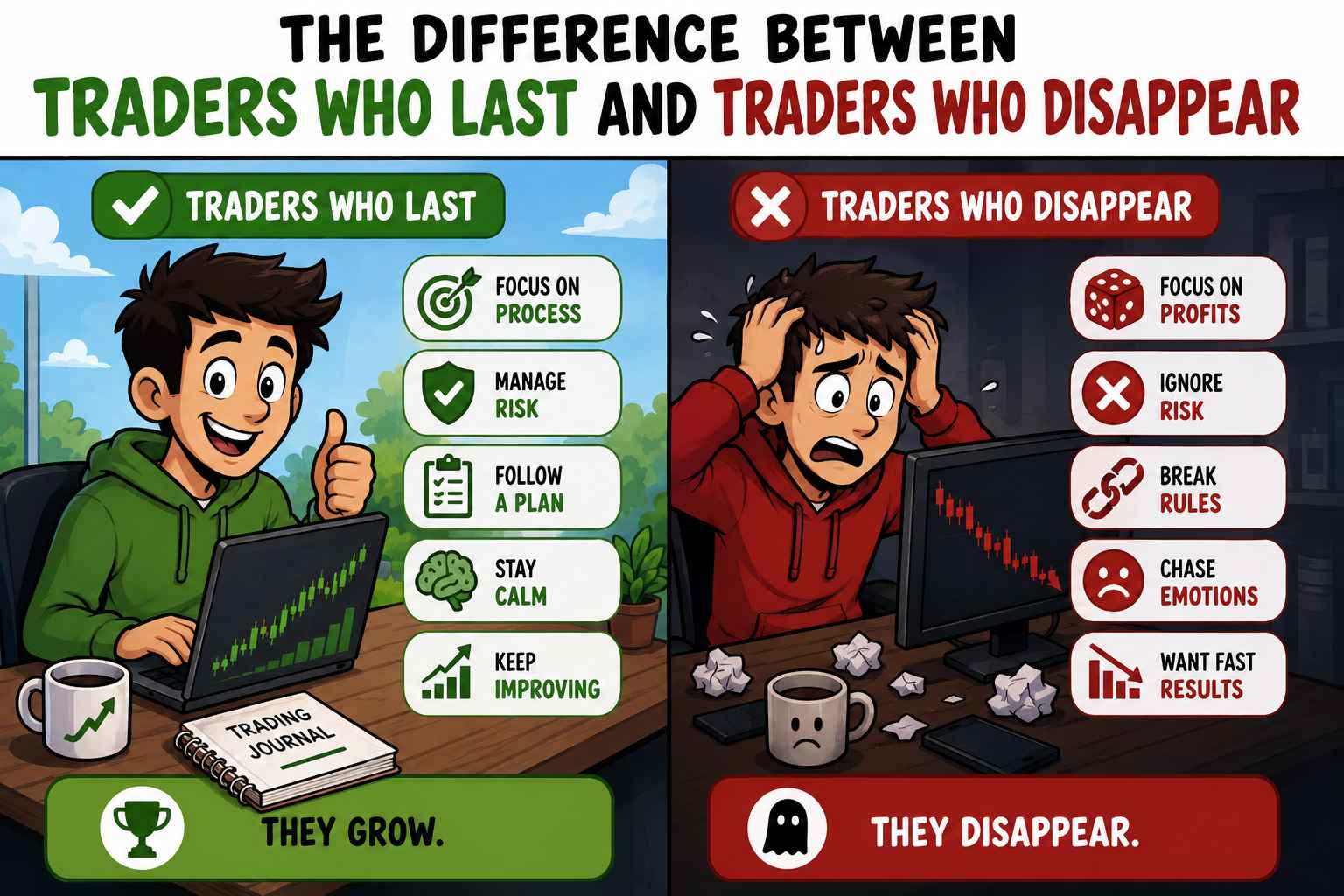
Professional traders rarely enter a position because someone else says it’s a good idea. They compare every opportunity with their own checklist first. If the setup doesn’t match, they simply move on.
This habit removes unnecessary emotion from trading. Instead of wondering whether a signal might work, you ask a much better question: Does this fit my system? If the answer is no, the decision is already made.
Trust Your Rules More Than Market Noise
Financial markets never become quiet. Every day brings fresh predictions, breaking news, and bold opinions. If you react to all of them, your strategy quickly disappears beneath the noise.
Your rules exist to protect you from these distractions. They help you separate meaningful opportunities from emotional excitement. Following them may feel boring at times, but boring often leads to better results than impulsive trading.
Missing One Trade Isn’t Missing Success
Many traders panic when they watch the market move without them. They feel left behind, as though one missed opportunity has ruined everything.
The market doesn’t offer only one chance. New setups appear every week, every day, and sometimes every hour. Missing one trade hurts far less than forcing yourself into a bad one that never belonged in your system.
The Danger of Fear of Missing Out
Fear of missing out quietly pushes traders toward decisions they normally wouldn’t make. A fast-moving market creates pressure, making patience feel like a mistake.
Ironically, the people making the biggest profits often appear calm rather than rushed. They understand that waiting for quality setups is part of the strategy, not a sign of weakness.
Patience Creates Better Decisions
Waiting feels uncomfortable because humans naturally want action. Sitting still while prices move can seem like wasted time.
In reality, patience is working even when nothing is happening. Every trade you avoid because it doesn’t meet your rules is a decision that protects your account from unnecessary risk.
Not Every Green Candle Deserves Your Money
Seeing strong market momentum often makes traders believe they must jump in immediately. Unfortunately, many late entries happen after the best opportunity has already passed.
A healthy trading system reminds you that price movement alone isn’t enough. Every condition must align before money is placed at risk. Without those conditions, the trade remains someone else’s opportunity—not yours.
Long-Term Success Comes From Repeating the Same Good Decisions
Trading success isn’t built on one incredible trade. It’s built through hundreds of ordinary decisions made correctly. Those small decisions quietly shape your results over months and years.
Every time you follow your own system, you’re strengthening habits that can last a lifetime. Every time you abandon it for a random signal, you’re weakening the foundation you’re trying to build.
Confidence Grows With Repetition
Confidence isn’t created by motivational quotes or lucky profits. It grows from seeing your strategy perform across different market conditions.
When you’ve followed the same process through wins and losses, you stop reacting emotionally. You understand that one trade means very little because your focus stays on the bigger picture.
A Losing Trade Doesn’t Mean a Bad System
Many traders abandon perfectly good strategies after only a few losses. They expect every signal to succeed, forgetting that losses are simply part of probability.
A well-tested system doesn’t promise perfection. It promises consistency over time. Accepting occasional losses becomes much easier when you trust the process instead of chasing perfection.
Keep Learning Without Changing Everything
Improvement is important, but constant change isn’t. There’s a big difference between refining a strategy and replacing it every few weeks.
Strong traders review their results, identify small weaknesses, and make thoughtful adjustments. They don’t throw away an entire system because one random signal looked better in hindsight.
Protect Your Identity as a Trader
Every trader eventually develops a style. Some focus on trends, while others prefer reversals or range-bound markets. That identity becomes part of your decision-making.
Following random signals slowly erases that identity. Instead of becoming better at one approach, you become average at many. Depth almost always beats variety in trading.
Your Journal Reveals the Truth
A trading journal is more than a record of profits and losses. It shows whether you’re respecting your own rules or constantly chasing outside ideas.
After reviewing several weeks of trades, patterns become obvious. You’ll quickly notice whether your best results came from disciplined decisions or emotional ones. Most traders discover that consistency always wins.
Build Trust With Yourself First
The strongest relationship in trading isn’t with a mentor, an analyst, or a signal provider. It’s the relationship you have with your own decision-making.
When you repeatedly honor your rules, you begin trusting yourself. That trust reduces hesitation, improves discipline, and makes every future decision easier because it comes from experience rather than uncertainty.
Final Summary
The market will always offer more signals than you can possibly trade. Some will look convincing, some will deliver quick profits, and many will end in disappointment. Trying to follow all of them only creates confusion and weakens your discipline.
Your trading system exists for a reason. It reflects your experience, your goals, your risk tolerance, and your understanding of the market. Every time you ignore it for a random signal, you move further away from consistent performance.
Successful traders don’t chase every opportunity. They patiently wait for setups that fit their plan, manage risk with discipline, and accept that missing trades is part of the journey. In the long run, consistency will always outperform impulsive decision-making. The strongest edge in trading isn’t finding more signals—it’s having the discipline to ignore the ones that don’t belong in your system.
FAQs
How do I know if a trading signal fits my system?
A signal fits your system only if it meets every rule in your trading plan, including entry conditions, risk management, market structure, and trade timing.
Is it okay to copy trades from experienced traders?
Learning from experienced traders is valuable, but blindly copying their trades without understanding the reasoning can create inconsistent results and unnecessary risk.
Why do random trading signals often lead to losses?
Random signals don’t match your tested strategy or risk rules. Without confidence in the setup, emotional decisions become more likely during the trade.
How can I stop chasing every market opportunity?
Focus on your trading checklist before entering any position. If the setup doesn’t satisfy your rules, let it go and wait for one that does.
Can a simple trading system outperform complicated strategies?
Yes. A simple, well-tested system that you follow consistently often performs better over time than a complex strategy you rarely execute with discipline.