

The forex market moves fast. One minute, everything looks calm and predictable, and the next, charts explode like fireworks in the middle of the night. That speed attracts millions of traders from around the world, but it also opens the door to confusion, manipulation, and costly mistakes. The phrase “Avoid any setup you don’t fully trust” may sound simple at first glance, yet it carries the kind of wisdom that separates disciplined traders from emotional gamblers.
Many people enter forex trading chasing freedom, quick profits, or the dream of escaping financial pressure. There is nothing wrong with ambition. The problem begins when excitement takes over logic. Too many traders jump into random setups, follow unreliable signals, or trust strangers online without asking hard questions. The market punishes hesitation, but it punishes blind trust even harder.
A trading setup is more than a chart pattern or a signal from a Telegram group. It represents your belief system inside the market. Every entry, stop loss, and exit reflects whether you trust your analysis or whether you are simply hoping for the best. Hope is not a strategy. Trust built on knowledge, patience, and experience is.
The reality is harsh sometimes. Scammers thrive in the forex world because desperation exists everywhere. Fake mentors promise unrealistic returns. Influencers rent luxury cars for videos while hiding massive losses. Signal groups scream about “guaranteed wins” as if the market were a vending machine. New traders get trapped because they want certainty in a place where certainty does not exist.
That is exactly why caution matters. A setup you do not fully trust can quietly destroy your confidence long before it damages your account balance. Trading with uncertainty feels like driving through dense fog with broken headlights. You may survive for a while, but eventually, something crashes.
Why Trust Is the Foundation of Every Trading Decision
Trust in forex trading is not emotional comfort. It is confidence backed by evidence. When traders truly understand their setup, they react differently under pressure. They stop panicking during temporary losses because they already know the logic behind the trade.
Without trust, every candle feels like a threat. Every market movement creates anxiety. Traders begin closing positions too early, moving stop losses emotionally, or entering revenge trades after small setbacks. The market turns into an emotional roller coaster rather than a strategic environment.
The Emotional Cost of Untrusted Setups
Trading stress becomes unbearable when there is no confidence behind a position. A trader who randomly copies setups from social media often spends hours staring at charts in fear. Instead of following a plan, they become prisoners of uncertainty.
Emotional exhaustion builds quietly. It starts with small doubts and eventually grows into complete burnout. Many traders quit forex not because the market is impossible, but because they spent too much time trading setups they never truly believed in.
Fear Creates Hesitation
Hesitation is dangerous in forex trading. Imagine standing on a frozen lake while hearing cracks beneath your feet. That is exactly how traders feel when they enter trades they do not trust. Every tick against them feels personal.
This hesitation affects execution. Traders miss good opportunities because they second-guess themselves. Then, ironically, they jump into worse setups out of frustration. It becomes a cycle of confusion and regret.
Stress Damages Decision-Making
The human brain does not perform well under constant stress. In forex trading, emotional pressure clouds judgment quickly. Traders begin making impulsive decisions that completely ignore logic.
A setup built on trust reduces mental noise. It allows traders to think clearly even during volatile conditions. Calm minds make better choices, while stressed minds chase disaster.
Confidence Comes From Preparation
Trust does not appear magically. It grows through repetition, testing, and observation. Traders who deeply understand their strategy know how it behaves during both winning and losing periods.
Preparation creates emotional stability. Instead of reacting emotionally to every market move, experienced traders respond with patience because they already understand the probabilities involved.
Experience Builds Real Confidence
Many beginners search for confidence through motivational quotes or flashy success stories. Real confidence comes from screen time. It comes from studying charts at midnight and learning why certain setups fail.
Every mistake teaches something valuable. Over time, traders begin recognizing patterns naturally. They stop depending on external validation because their own experience becomes the strongest teacher.
Backtesting Removes Illusions


Backtesting reveals uncomfortable truths. Some setups look amazing in theory but collapse under real market conditions. Testing exposes weaknesses before real money gets involved.
This process helps traders separate fantasy from reality. A setup that survives months of testing earns trust naturally because evidence supports it.
Blind Trust Is a Dangerous Shortcut
The internet is full of people selling dreams disguised as strategies. Many traders fall into traps simply because someone appears successful online. Fancy graphics and screenshots can manipulate emotions easily.
Blind trust creates dependency. Traders stop thinking critically and begin following others like passengers on a sinking ship.
Social Media Often Distorts Reality
Most traders only post winning trades online. Losses disappear quietly behind the scenes. This creates unrealistic expectations for beginners entering the market.
People compare themselves to edited versions of success. That comparison creates pressure, impatience, and poor decisions. Real trading is messy, emotional, and far less glamorous than social media suggests.
Fake Gurus Exploit Desperation
Financial pressure makes people vulnerable. Scammers understand this deeply. They promise quick wealth because they know struggling traders want immediate solutions.
The sad truth is that many fake mentors earn more from selling courses than from actual trading. Trusting them blindly can lead traders into dangerous habits that take years to unlearn.
How Reliable Trading Setups Are Built Over Time
A trusted setup is not created overnight. It develops gradually like a strong friendship. Time reveals whether a strategy can survive different market conditions.
Successful traders rarely chase every opportunity. Instead, they focus on consistency. They would rather miss a questionable trade than risk capital on uncertainty.
Patience Is More Powerful Than Excitement
The forex market never sleeps for long. Opportunities appear constantly, which creates temptation. New traders often feel pressured to trade every movement.
Patience protects traders from chaos. Waiting for clear setups requires discipline, but discipline often separates profitable traders from emotional ones.
Overtrading Creates Confusion
Too many trades create mental clutter. Traders lose track of strategy and begin reacting emotionally to random price movements.
Overtrading also increases fatigue. The more exhausted traders become, the more mistakes they make. It is similar to trying to drive for twenty hours straight. Eventually, concentration collapses.
Selective Trading Improves Focus
Professional traders understand the value of selectivity. They wait for setups that align perfectly with their strategy and risk management rules.
This selective approach improves confidence because every trade has a clear purpose. Traders feel calmer when they know why they entered the market.
Risk Management Creates Stability
Even the best setups fail sometimes. That reality never changes. The difference between successful traders and reckless ones often comes down to risk management.
A trusted setup includes protection. Without proper risk control, even strong strategies become dangerous.
Small Losses Protect Long-Term Growth
Many traders fear losses so much that they avoid stop losses entirely. Unfortunately, avoiding small losses often leads to catastrophic ones.
Accepting controlled losses is part of professional trading. It keeps emotions balanced and protects trading capital for future opportunities.
Greed Destroys Discipline


Greed whispers dangerous ideas into the minds of traders. It convinces them to increase position sizes recklessly or ignore exit plans.
The market has a cruel way of punishing greed. One impulsive trade can erase months of steady progress. Trustworthy setups rely on discipline, not emotional excitement.
Market Conditions Always Change
A setup that works beautifully during trending markets may fail completely during sideways conditions. This is why adaptability matters.
Experienced traders constantly observe market behavior. They understand that flexibility is necessary for survival.
Volatility Changes Everything
High volatility creates larger price swings and emotional pressure. Traders who are unprepared often panic during these conditions.
Trusted setups account for volatility. They include clear rules that help traders stay calm even when markets become unpredictable.
Economic News Can Disrupt Patterns
Forex markets react aggressively to economic events. Interest rate decisions, inflation reports, and geopolitical tensions can shift momentum instantly.
Ignoring these factors is like sailing during a storm without checking the weather forecast. Smart traders remain aware of major events before entering trades.
The Psychological Battle Behind Every Forex Trade
Forex trading is often described as a numbers game, but emotions quietly control many decisions. Fear, greed, frustration, and impatience shape behavior more than most traders realize.
A setup you trust becomes psychological armor. It helps you remain grounded when emotions threaten to take control.
Fear of Missing Out Creates Chaos
Few emotions are more dangerous than fear of missing out. Traders see price moving quickly and suddenly feel compelled to jump in without proper analysis.
The market exploits emotional urgency. Chasing trades often leads to poor entries and unnecessary losses.
Fast Profits Create Dangerous Habits
Sometimes reckless trades actually win. Ironically, this can be harmful because it rewards bad behavior.
A trader who profits from impulsive decisions may start believing discipline is unnecessary. Eventually, reality catches up harshly.
Patience Protects Emotional Energy
Waiting for trusted setups preserves emotional balance. Traders who avoid unnecessary trades experience less stress and frustration.
This emotional stability improves long-term consistency. Trading becomes more strategic and less reactive.
Losses Test Mental Strength
Every trader experiences losses. Even elite professionals cannot escape them. The real challenge lies in responding correctly after setbacks.
Traders who trust their strategy recover faster emotionally because they understand losses are part of probability.
Revenge Trading Leads to Disaster

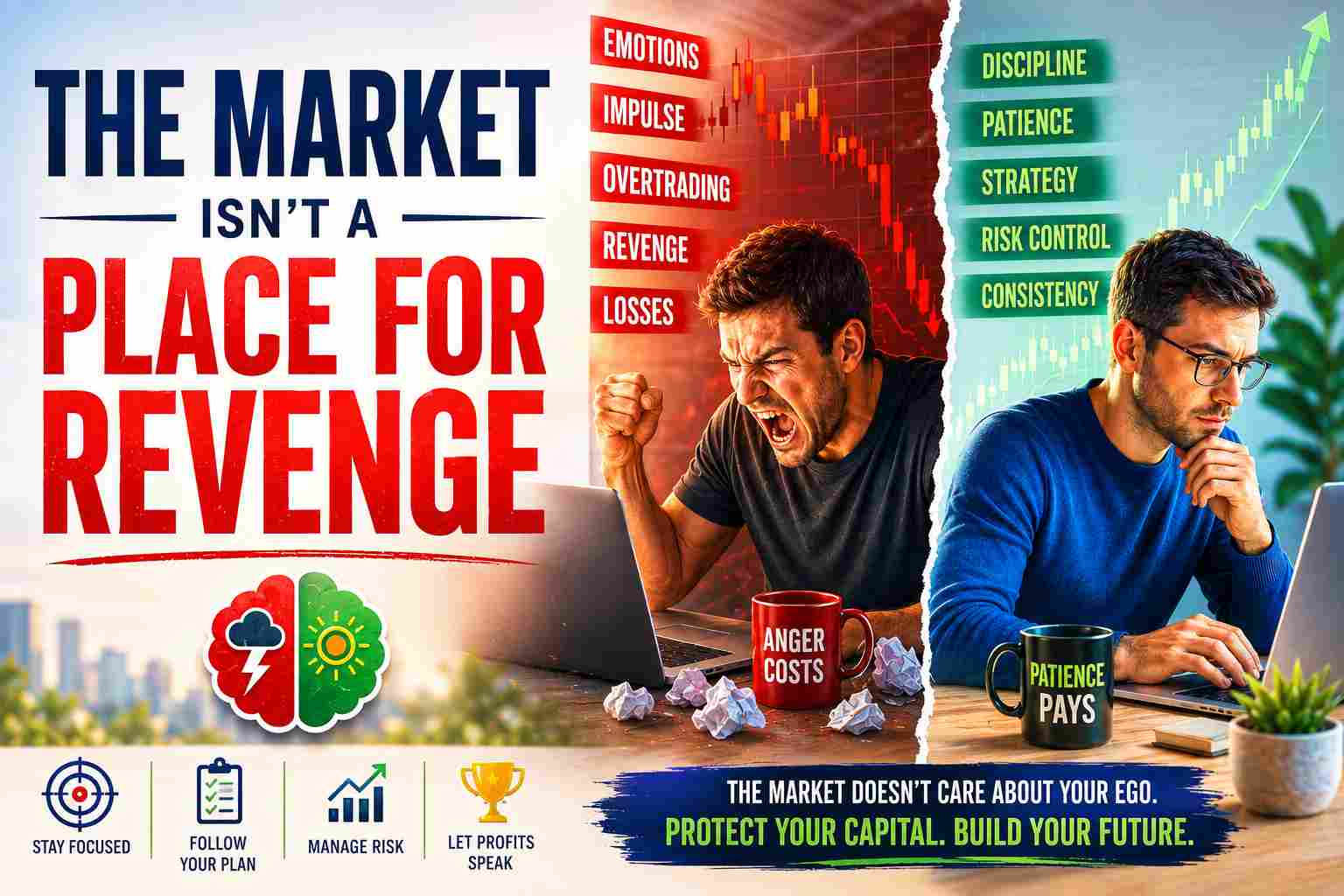
After a painful loss, some traders immediately try to recover money through aggressive trades. This emotional reaction often creates even larger losses.
Revenge trading feels like trying to extinguish fire with gasoline. Emotional decisions rarely end well in financial markets.
Discipline Creates Emotional Recovery
Professional traders accept setbacks calmly. They review mistakes objectively instead of reacting emotionally.
This discipline protects confidence. Traders who stay patient after losses maintain a healthier relationship with the market.
Confidence Without Ego Matters
Confidence is necessary in forex trading, but arrogance is dangerous. Traders who become overconfident often ignore warning signs.
The market has no sympathy for ego. It humbles reckless traders quickly.
Humility Encourages Learning
Humble traders stay curious. They continue studying, adapting, and improving instead of assuming they already know everything.
This mindset creates long-term growth because learning never stops in forex trading.
Ego Encourages Risky Decisions
Ego convinces traders they are smarter than the market. They begin ignoring stop losses or increasing risk unnecessarily.
Eventually, the market delivers painful reminders that nobody controls price movement completely.
Why Trusted Setups Lead to Long-Term Success
Long-term success in forex trading rarely comes from brilliance alone. It usually comes from consistency, discipline, and emotional control.
Trusted setups help traders build routines instead of relying on luck. They reduce emotional chaos and encourage smarter decisions.
Consistency Builds Sustainable Growth
Small consistent gains may look boring compared to viral stories about massive profits, but consistency creates stability.
Trading is more like farming than gambling. Seeds need time to grow. Impatient traders often destroy progress by demanding immediate results.
Slow Growth Is Still Growth
Many traders underestimate the power of gradual improvement. Compounding small gains over time can create impressive results.
Rushing for instant wealth usually ends badly. The market rewards patience more often than aggression.
Routine Creates Confidence
Trusted routines reduce emotional exhaustion. Traders who follow structured habits feel more focused and less overwhelmed.
Routine also improves discipline because actions become intentional rather than impulsive.
Trust Encourages Better Risk Decisions


When traders fully understand their setup, they manage risk more effectively. They stop making desperate adjustments based on fear.
Clear rules create emotional security. Traders know exactly when to enter, exit, or avoid the market entirely.
Emotional Trades Usually Ignore Logic
Fear and excitement can distort judgment quickly. Traders begin increasing risk without considering consequences.
Trusted setups act like guardrails on a dangerous mountain road. They help prevent emotional decisions from causing major damage.
Controlled Risk Protects Confidence
Large losses damage more than account balances. They also destroy confidence and emotional stability.
Controlled risk keeps traders mentally strong even during difficult periods. Protecting confidence matters because emotional collapse often leads to quitting.
The Market Rewards Discipline Over Drama
Forex trading attracts people searching for excitement, but sustainable success usually looks surprisingly boring. Professional traders often follow calm routines instead of chasing adrenaline.
Drama may entertain social media audiences, but discipline protects trading accounts.
Quiet Traders Often Last Longer
The loudest traders online are not always the most successful. Many professionals operate quietly and focus on consistency rather than attention.
Longevity matters in forex trading. Surviving difficult periods is more important than temporary excitement.
Discipline Creates Freedom
Ironically, strict discipline creates more freedom over time. Traders who manage emotions effectively experience less stress and more confidence.
A trusted setup becomes a reliable compass during uncertain market conditions. It keeps traders grounded when emotions try to pull them in dangerous directions.
Final Thoughts
“Avoid any setup you don’t fully trust” is more than a catchy phrase. It represents a survival mindset in one of the most emotionally demanding financial markets in the world. Forex trading can create opportunities, but it can also expose insecurity, impatience, and emotional weakness faster than most people expect.
Trusted setups are built through patience, testing, experience, and discipline. They are not born from hype, desperation, or social media promises. Traders who blindly follow unreliable strategies often discover painful lessons too late.
The market will always tempt people with shortcuts. There will always be flashy signals, fake experts, and promises of effortless wealth. But sustainable trading success usually belongs to those who remain cautious, disciplined, and emotionally controlled.
At its core, forex trading is not only about predicting price movement. It is about learning how to trust yourself responsibly. When traders stop chasing every opportunity and begin focusing on quality decisions, everything changes.
The market may never become easy, but it becomes far less dangerous when every setup is built on genuine trust instead of emotional hope.
FAQs
1.What does it mean to trust a forex trading setup?
Trusting a forex trading setup means understanding the logic behind the trade, including entry points, risk management, and expected outcomes. It involves confidence based on testing and experience rather than emotion or blind hope.
2.Why do traders fail when using random setups?
Random setups often lack consistency and proper analysis. Traders become emotional because they do not fully understand why they entered trades, leading to fear, hesitation, and impulsive decisions.
3.Can emotional trading destroy a profitable strategy?
Yes, emotional trading can ruin even strong strategies. Fear, greed, and impatience often cause traders to abandon rules, increase risk recklessly, or close trades too early.
4.How can beginners build confidence in forex trading?
Beginners build confidence through practice, backtesting, studying market behavior, and learning from mistakes. Real confidence grows gradually through experience and discipline.
5.Why is patience important in forex trading?
Patience helps traders avoid impulsive decisions and low-quality setups. Waiting for trusted opportunities reduces emotional stress and improves long-term consistency.