

There’s something almost magnetic about a calm person. You’ve seen it before. Maybe in a tense meeting, a heated argument, or even during a chaotic life moment when everything felt like it was falling apart. While everyone else reacted, panicked, or raised their voices, one person stayed grounded. Still. Composed. Almost unshakable.
And strangely enough, that person often ends up leading the situation without even trying.
Being the calmest person in the room isn’t about being emotionless or detached. It’s about control. It’s about awareness. It’s about choosing how you respond instead of being dragged around by whatever happens.
But here’s the uncomfortable truth: most people don’t have that control. And that’s exactly why calmness stands out so much.
Let’s dig into why this matters—and how you can actually become that person.
Why Calmness Is a Superpower in a Noisy World
We live in a time where everything is loud. Opinions are loud. Reactions are loud. Social media thrives on outrage. Everyone seems to be in a rush to respond, react, and be seen.
And in the middle of all that noise, calmness feels almost rebellious.
The World Rewards Reaction, But Respects Control
Instant reactions feel good—but they cost you
Reacting quickly can feel satisfying. You say what’s on your mind, you defend yourself, you fire back. In the moment, it feels powerful. But often, it’s just impulse dressed up as confidence.
Later, you might regret what you said or how you said it. Words spoken in heat rarely age well.
Calmness, on the other hand, slows everything down. It gives you space. And in that space, better decisions live.
Control makes people trust you more
Think about who people turn to in a crisis. It’s not the loudest voice. It’s not the most emotional person. It’s the one who stays steady.
Calm people feel safe. They don’t escalate situations. They stabilize them.
When you’re calm, people listen differently. They assume you’ve thought things through. Whether that’s always true or not, perception matters—and calmness shapes perception.
Chaos Reveals Character Faster Than Comfort Ever Will
Pressure strips away the act
It’s easy to look composed when everything is going well. Anyone can do that. The real test shows up when things go sideways.
Deadlines crash. Plans fail. People disagree. That’s when your true emotional habits come out.
If you panic, it shows. If you stay grounded, that shows too—and it leaves a lasting impression.
Your response becomes your reputation
People remember how you act under pressure. Not what you said in a calm moment. Not your polished version.
They remember the real you.
Over time, those moments stack up. They build a quiet reputation. And that reputation can either work for you or against you.
The Psychology Behind Staying Calm Under Pressure

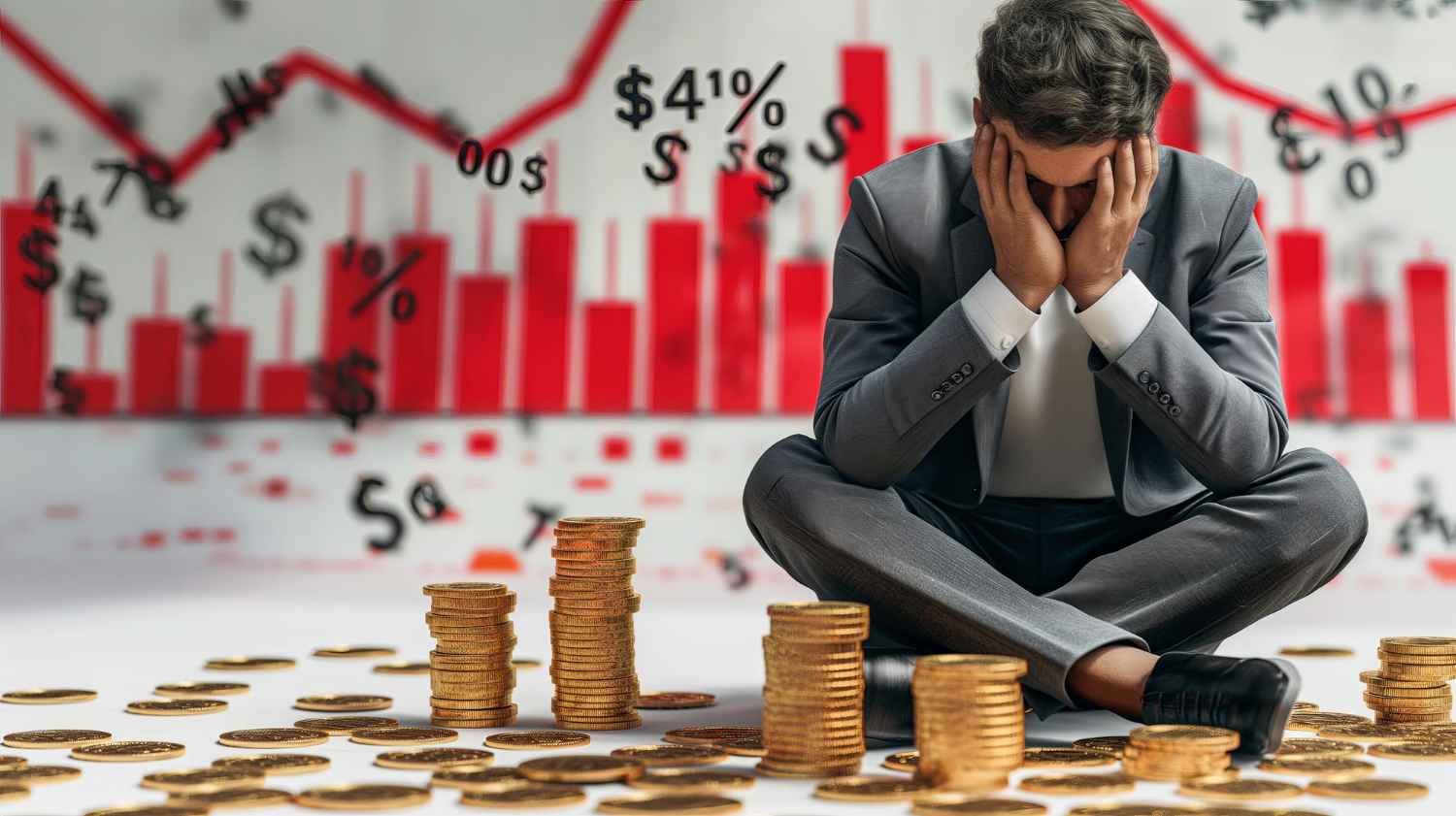
Calmness isn’t magic. It’s not something you’re born with or without. It’s a skill—one that can be built, strengthened, and refined over time.
But first, you need to understand what’s happening inside you.
Your Brain Is Wired for Survival, Not Wisdom
Fight, flight, or freeze isn’t your fault
When something stressful happens, your brain doesn’t pause to ask for your best response. It jumps straight into survival mode.
Your heart races. Your thoughts speed up. Your emotions spike.
This reaction is ancient. It kept humans alive. But in modern life, it often creates more problems than it solves.
Awareness breaks the automatic loop
Here’s where things get interesting. The moment you notice your reaction, you interrupt it.
That tiny pause—just a second or two—can change everything.
Instead of reacting automatically, you start choosing your response. And that’s where calmness begins.
Emotional Control Is More About Delay Than Suppression
You don’t have to ignore your feelings
Being calm doesn’t mean you don’t feel anything. That’s a myth.
You still feel anger, frustration, anxiety. The difference is you don’t let those emotions drive the car.
You acknowledge them—but you don’t hand them the steering wheel.
Delay creates better outcomes
Sometimes, the best response is no response. At least not immediately.
Give yourself time. Let the emotional wave pass. Then respond from a place of clarity.
It sounds simple. It’s not always easy. But it works.
How to Become the Calmest Person in the Room
This is where things shift from theory to practice. Because calmness isn’t something you just understand—it’s something you train.
And yes, it takes effort.
Train Your Mind to Pause Before Reacting
The power of a single breath
It sounds almost too simple, right? Just breathe.
But that one breath can interrupt a chain reaction inside your body. It signals to your brain that things are okay—even if they aren’t perfect.
Try it in real situations. You’ll notice the difference immediately.
Silence is often stronger than words
You don’t always need to respond right away. In fact, silence can be powerful.
When you pause, people lean in. They wait. They pay attention.
And you give yourself the gift of time—to think, to choose, to respond intentionally.
Detach Without Becoming Cold


Not everything deserves your energy
This might be hard to accept, but a lot of things simply don’t matter as much as they feel in the moment.
Arguments. Opinions. Minor setbacks.
If you react to everything, you’ll burn out quickly.
Choosing what deserves your attention is part of staying calm.
Distance creates clarity
When you step back mentally, even for a moment, things look different.
What felt overwhelming might seem manageable. What felt personal might not be.
That small shift in perspective can change how you respond entirely.
Build Emotional Strength Through Daily Habits
Calmness is built in quiet moments
You don’t train calmness in chaos. You build it in everyday life.
How you handle small annoyances matters. Traffic. Delays. Interruptions.
Each moment is practice.
Consistency beats intensity
You don’t need dramatic changes. You need consistent ones.
Small, repeated efforts build emotional resilience over time.
And one day, you’ll notice something surprising—you’re not reacting the way you used to.
Why Calm People Often Win in the Long Run
It might not feel like it in the moment. Sometimes, reacting loudly gets attention faster. It feels like you’re being heard.
But calmness plays a different game.
They Think Better, So They Decide Better
Clear minds see clearer paths
When you’re calm, your thinking sharpens. You see options you might have missed in a reactive state.
You’re less likely to make impulsive decisions—and more likely to make smart ones.
That edge compounds over time.
They avoid unnecessary mistakes
Many mistakes come from rushed decisions and emotional reactions.
Calm people make fewer of them—not because they’re smarter, but because they pause.
And that pause makes all the difference.
They Influence Without Forcing

People follow calm energy naturally
You don’t need to dominate a room to lead it.
Calm people often influence others without raising their voices.
There’s a quiet authority in composure.
Confidence doesn’t need noise
Real confidence isn’t loud. It doesn’t need to prove itself constantly.
Calmness is often a sign of that deeper confidence.
And people can feel it—even if they can’t explain why.
The Hidden Struggles of Staying Calm
Let’s not pretend this is easy. Staying calm, especially when everything inside you wants to react, is hard.
Sometimes, it feels unfair.
You Might Be Misunderstood
Calm can look like indifference
Some people might think you don’t care. That you’re detached or uninterested.
But that’s just surface-level interpretation.
Calmness isn’t absence—it’s control.
Not everyone will appreciate it
Some people thrive on drama. They expect reactions.
When you don’t give them that, it can frustrate them.
And that’s okay.
It Takes Effort, Especially at First
You’ll slip up—and that’s normal
There will be moments when you react. When you lose your cool.
That doesn’t mean you’ve failed.
It means you’re human.
Growth is messy, not perfect

Becoming calmer isn’t a straight line. It’s uneven.
Some days you’ll handle things beautifully. Other days, not so much.
What matters is that you keep going.
A Final Reflection on Quiet Strength
Being the calmest person in the room isn’t about controlling others. It’s about mastering yourself.
It’s a quiet kind of power. One that doesn’t shout for attention but earns respect over time.
In a world that pushes you to react, to rush, to respond instantly—choosing calmness is almost an act of defiance.
And maybe that’s exactly why it matters so much.
Because when everything else feels unstable, the calm person becomes the anchor.
And people don’t forget anchors.
FAQs
1.What does it mean to be the calmest person in the room?
It means maintaining emotional control and responding thoughtfully instead of reacting impulsively. It’s about staying grounded even when others aren’t.
2.Is being calm the same as being passive?
Not at all. Calmness is active control. Passivity avoids action, while calmness chooses the right action at the right time.
3.Can anyone learn to stay calm under pressure?
Yes, absolutely. It’s a skill that improves with practice, awareness, and consistent effort over time.
4.Why do calm people seem more confident?
Because they don’t react impulsively. Their composed behavior signals control, which naturally comes across as confidence.
5.How can I start becoming calmer today?
Start small. Pause before reacting, take a breath, and give yourself a moment to think. That simple habit can begin changing everything.