

Let’s be honest—you’re not stuck because you’re incapable. You’re stuck because you keep stopping.
You start something new, feel excited for a few days, and then suddenly… nothing. You lose momentum, question yourself, and eventually give up. Then the cycle repeats.
Sound familiar?

Here’s the uncomfortable truth: confidence doesn’t come from motivation or talent—it comes from consistency. And if you’re inconsistent, your confidence will always feel shaky.
Let’s break this down in a simple, practical way.
What Does “Consistency Creates Confidence” Actually Mean?
Consistency is just doing the same thing repeatedly, even when you don’t feel like it.
- It’s showing up on bad days, not just good ones
- It’s doing small actions daily instead of big actions occasionally
- It’s choosing discipline over mood
Think of it like going to the gym. One intense workout won’t change your body, but regular workouts will. Confidence works the same way—it builds slowly through repetition.
Why You Struggle With Consistency
Most people don’t fail because they’re lazy. They fail because they rely on the wrong things.
Here’s what’s messing you up:
- You depend on motivation
- You aim for perfection
- You quit when things feel uncomfortable
Motivation is unreliable. It comes and goes. If you only act when you feel like it, you’ll barely move forward.
The Motivation Trap
You’ve probably told yourself:
“I’ll start when I feel ready.”
But that moment rarely comes.
- Motivation is temporary
- Action is what creates momentum
- Momentum is what builds confidence
So instead of waiting to feel ready, start anyway. That’s how confidence begins.
Confidence Is Built Through Action
Confidence isn’t something you magically gain. It’s something you earn.

Every time you follow through on something, you prove to yourself:
- “I can do this”
- “I don’t quit easily”
- “I can trust myself”
But every time you stop halfway, you send the opposite message.
How Inconsistency Destroys Self-Belief
When you keep quitting, your brain starts to notice.
- You set goals but don’t finish them
- You promise things but don’t follow through
- You start strong but fade quickly
Over time, this creates doubt. You stop believing in yourself—not because you can’t succeed, but because you haven’t been consistent.
Small Actions Build Big Confidence
You don’t need massive achievements to feel confident. You need small wins.
Examples:
- Completing a daily task
- Sticking to a routine
- Finishing what you started
These small wins stack up. They slowly build a strong sense of self-belief.
Consistency vs Perfection
Perfection is one of the biggest obstacles to progress.
- You wait for the perfect moment
- You want perfect results
- You avoid starting because it’s not ideal
But consistency doesn’t require perfection. It only requires effort.
Doing something imperfectly every day is far more powerful than doing something perfectly once.
The Power of Repetition
Your brain learns through repetition.
- The more you do something, the easier it becomes
- The easier it becomes, the less fear you feel
- The less fear you feel, the more confident you become
Confidence is simply familiarity. When something feels familiar, it stops feeling scary.
Why Confidence Feels Fake at First
At the beginning, confidence doesn’t feel real.
- You doubt yourself
- You feel like an imposter
- You question your abilities
That’s normal.

You haven’t done it enough times yet. Keep repeating the process, and that “fake” confidence will slowly turn into real confidence.
Consistency in Real Life
This principle applies everywhere:
In fitness:
- Skipping workouts = no results
- Regular training = progress
In business:
- Random effort = confusion
- Consistent effort = growth
In learning:
- Studying once in a while = slow improvement
- Daily practice = mastery
No matter the field, consistency always wins.
The Boring Truth About Success
Here’s something people don’t like to hear:
Consistency is boring.
- It’s repetitive
- It’s predictable
- It’s not exciting
But that’s exactly why it works.
Success isn’t built on excitement—it’s built on routine.
How to Become More Consistent
You don’t need a complicated system. Keep it simple.
1. Start Small
- Don’t overwhelm yourself
- Focus on tiny actions
- Build gradually
Even 10 minutes a day is enough to start.
2. Create a Routine
- Do things at the same time daily
- Reduce decision-making
- Make it automatic
The less you think, the easier it becomes.
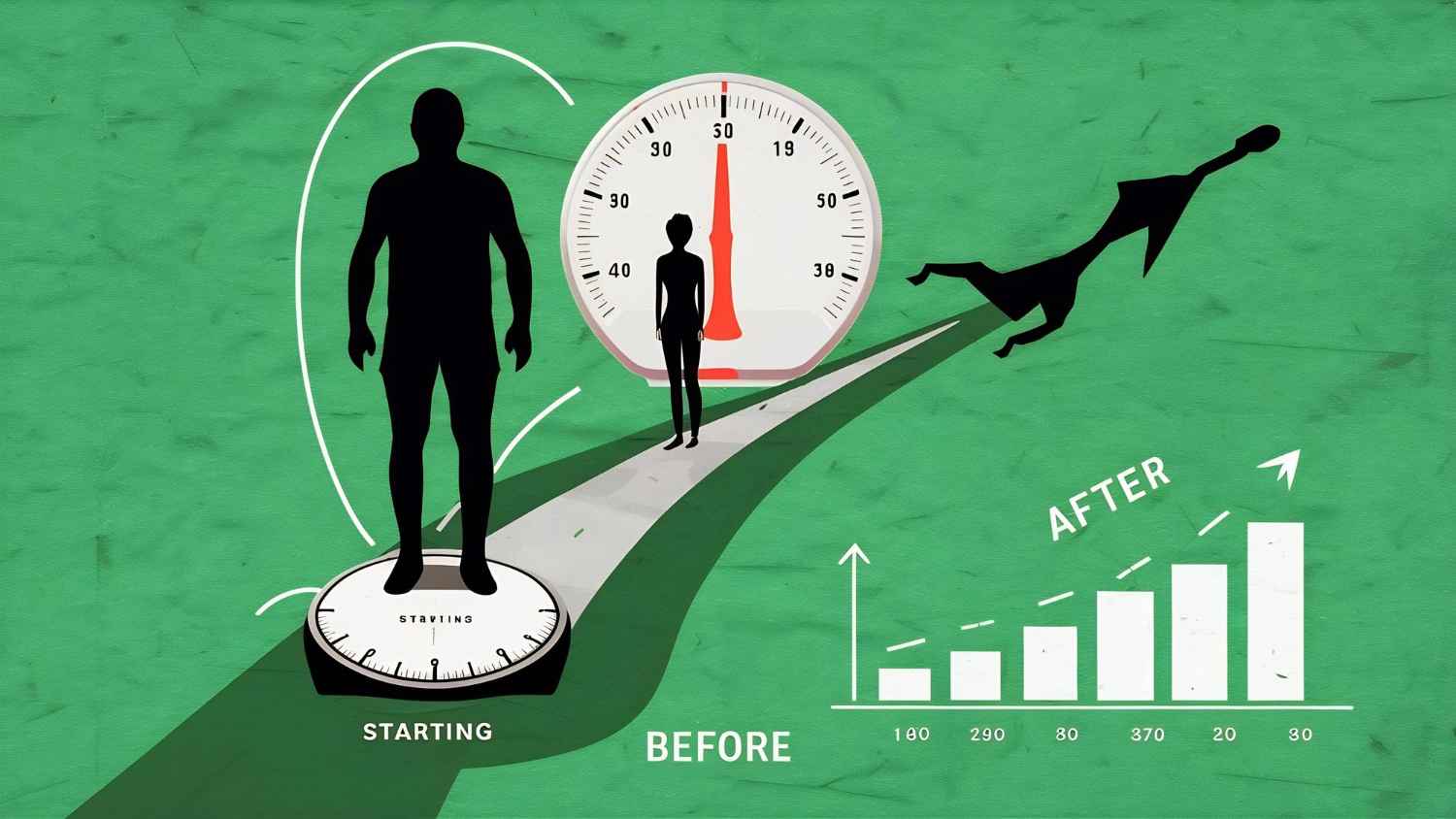
3. Track Your Progress
- Use a checklist or habit tracker
- Measure consistency, not perfection
- Focus on showing up
Seeing progress motivates you to continue.
4. Accept Mistakes
- You will miss days
- You will make errors
- You will feel unmotivated
That’s normal. Just don’t quit completely.
5. Focus on Showing Up
- Don’t obsess over results
- Focus on effort
- Trust the process
Results come later. Consistency comes first.
The Role of Discipline
Discipline is what keeps you going when motivation disappears.
- It’s doing the work even when you don’t feel like it
- It’s sticking to your plan
- It’s showing up regardless of mood
Think of discipline as your backup system. When motivation fails, discipline takes over.
The Identity Shift
Consistency doesn’t just change what you do—it changes who you are.
- You don’t just work out—you become someone who works out
- You don’t just study—you become a learner
- You don’t just try—you become disciplined
This shift in identity is what makes confidence permanent.
Stop Waiting for the Right Time
You’re probably waiting for:
- More motivation
- More clarity
- The perfect moment

But none of that matters. The best time to start is when you don’t feel ready. Because that’s when growth happens.
Conclusion: Confidence Comes From Repetition
Confidence isn’t something you find—it’s something you build.
- Through daily effort
- Through small wins
- Through repeated action
Every time you show up, you’re proving something to yourself. And over time, that proof turns into belief. So stop waiting. Stop overthinking. Start showing up consistently.
Because in the end, consistency creates confidence—and confidence changes everything.
FAQs
1. How quickly can consistency build confidence?
You may notice small changes within a few weeks, but real confidence takes time. The key is staying consistent long enough to see results.
2. What if I keep losing motivation?
That’s normal. Don’t rely on motivation. Focus on discipline and routine instead.
3. Can I still succeed if I’m not naturally talented?
Yes. Consistency matters more than talent in the long run.
4. How do I stay consistent during tough days?
Lower your expectations and do the minimum. Showing up is more important than doing everything perfectly.
5. What’s the biggest mistake people make with consistency?
Trying to do too much too soon. Start small, stay consistent, and build from there.