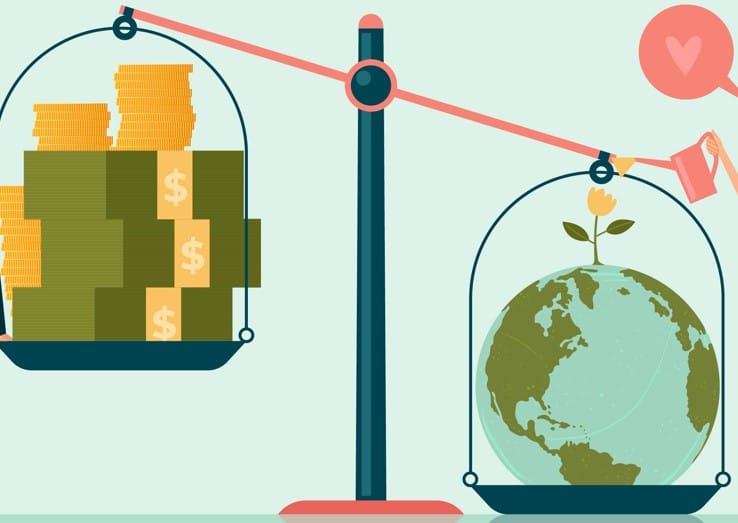
Success in Forex trading is rarely about finding the perfect strategy. It is much more about mastering yourself. Every trader dreams of making consistent profits, yet many fail for one simple reason—they let emotions take control. Fear whispers that you should close a winning trade too early. Greed convinces you to risk more than you planned. Anger pushes you to recover losses immediately. These emotions quietly steal opportunities while making poor decisions feel reasonable.
The market doesn’t care how confident, frustrated, or excited you feel. It moves according to buyers, sellers, economic events, and market sentiment. If your emotions become your trading strategy, losses become almost inevitable. Learning to control your emotions is like becoming the captain of a ship during a storm. The waves may be rough, but a calm captain keeps the ship on course. The same mindset separates successful traders from those who repeatedly struggle.
Why Emotional Control Is the Real Trading Edge
Many beginners believe success depends on discovering a secret indicator or hidden strategy. They spend countless hours changing systems, watching videos, and buying expensive courses. Yet they often ignore the most important factor—their own mindset.
The truth is simple. A profitable strategy can fail in the hands of an emotional trader, while an average strategy can produce consistent results when followed with discipline. Emotional control allows you to execute your plan without second-guessing every market move.
The Market Tests Your Mind Every Day
The Forex market is like a mirror. It reflects your strengths, weaknesses, patience, and confidence. Every trade challenges your emotions more than your technical skills. When prices move against you, fear begins to grow. When prices move in your favor, greed starts asking for more.
Professional traders understand this psychological battle. They know the biggest competition isn’t other traders. It’s the voice inside their own head trying to convince them to abandon their trading plan.
Fear Can Destroy Good Opportunities
Fear often appears after experiencing a losing trade. Suddenly every new setup looks risky. You hesitate, delay your entry, or avoid trading completely. Ironically, some of the best opportunities disappear while you’re waiting for perfect certainty.
The market never promises certainty. Every trade carries risk. Successful traders accept this reality instead of allowing fear to make decisions for them. They trust their preparation rather than their emotions.
Greed Always Wants More
Winning trades can be just as dangerous as losing ones. After several profitable trades, greed starts whispering that bigger positions will create bigger profits. It encourages traders to ignore risk management and chase unrealistic gains.
Greed is like adding more weight to an already overloaded bridge. Eventually something breaks. A single emotional trade can erase weeks of disciplined profits. Staying humble protects both your account and your confidence.
Discipline Beats Intelligence
Some people believe only financial experts succeed in Forex trading. Reality tells a different story. Many intelligent traders fail because they cannot control their emotions. Meanwhile, disciplined traders often outperform them by simply following consistent rules.
Trading rewards consistency rather than brilliance. Making average decisions repeatedly is usually more profitable than making emotional decisions occasionally.
Your Trading Plan Is Your Safety Net
Imagine walking across a tightrope without a safety net. Every step would feel terrifying. A trading plan works like that safety net. It provides structure when emotions begin taking over.
A written plan reminds you why you entered a trade, where you will exit, and how much you’re willing to risk. Without it, every market movement becomes an emotional roller coaster.
Consistency Builds Confidence
Real confidence isn’t built from one lucky winning trade. It grows from repeating the same disciplined process over weeks and months. Every time you follow your plan, you strengthen your trading habits.
Eventually, discipline becomes automatic. Instead of reacting emotionally, you respond logically. That’s when trading starts feeling less stressful and more professional.
Building Emotional Strength for Long-Term Success


Every successful trader eventually discovers an uncomfortable truth. The market isn’t your biggest opponent—your emotions are. Charts may look complicated, but they’re often easier to understand than your own reactions. The difference between traders who survive for years and those who quit after a few months usually comes down to emotional stability.
Think of your emotions as the weather. Some days are bright and calm. Other days feel like a thunderstorm. You can’t control the weather, but you can choose whether to walk into the storm without an umbrella. Emotional control doesn’t mean ignoring your feelings. It means refusing to let those feelings control your trades.
Patience Is More Valuable Than Speed
The modern world celebrates speed. Faster internet, faster deliveries, faster results. Many traders unknowingly bring this mindset into Forex trading. They expect quick profits and immediate success, only to discover that the market refuses to work on their schedule.
Patience changes everything. Waiting for quality opportunities may feel boring, but boredom is far less expensive than impulsive decisions. Every trade you avoid because it doesn’t match your plan protects your account just as much as a winning trade.
The Market Will Always Create New Opportunities
Many traders panic when they miss a trade. They believe they have lost their only chance to make money. This fear leads them to chase prices, enter late, and accept unnecessary risks.
The reality is far more encouraging. The Forex market opens every week, creating fresh opportunities again and again. Missing one trade doesn’t matter. Losing control because you missed one does. There will always be another setup, but protecting your mindset today allows you to recognize it tomorrow.
Waiting Is Part of Trading
Successful traders often spend more time waiting than trading. That surprises beginners, who imagine professionals constantly buying and selling throughout the day.
Patience is an invisible investment. It doesn’t create excitement, but it often creates profits. Like a hunter waiting quietly for the right moment, disciplined traders understand that timing matters far more than activity.
Accept That Losses Are Normal
Nobody enjoys losing money. A losing trade can hurt your confidence and make you question your strategy. But avoiding losses completely is impossible. Even the world’s best traders experience them regularly.
The real danger isn’t the loss itself. It’s your reaction afterward. Some traders become fearful and stop following their strategy. Others become angry and immediately try to recover everything. Both reactions usually make the situation worse.
Revenge Trading Is a Costly Trap
After a loss, emotions often demand immediate action. You may feel the urge to open another trade just to “win it back.” This is known as revenge trading, and it has emptied countless trading accounts.
Revenge trading replaces logic with frustration. Instead of analyzing the market, you begin fighting it. Unfortunately, the market never loses arguments. Walking away after a loss is often the strongest decision you can make.
Every Loss Carries a Lesson
A losing trade isn’t automatically a bad trade. If you followed your strategy correctly, the outcome simply reflects the uncertainty of the market.
Instead of blaming yourself, ask better questions. Did you follow your rules? Did emotions interfere? Did you respect your risk? Honest answers help you improve far more than emotional reactions ever will.
Turning Emotional Control Into a Winning Habit


Emotional discipline isn’t built overnight. Like learning a new language or developing physical fitness, it grows through repetition. Every calm decision strengthens your confidence. Every disciplined trade becomes another brick in the foundation of long-term success.
The goal isn’t perfection. Some emotional moments will still appear because you’re human. What matters is recognizing those emotions before they begin making decisions for you. Small improvements repeated consistently often produce remarkable results over time.
Confidence Grows From Preparation
Many traders try to force confidence by thinking positively. Unfortunately, confidence built only on hope disappears quickly when the market moves against them.
Real confidence comes from preparation. When you’ve tested your strategy, understand your risks, and know your trading plan, your decisions become calmer. Preparation removes much of the uncertainty that fuels emotional reactions.
Trust Your Process Instead of Your Feelings
Feelings change every minute. One moment you’re excited, the next you’re worried. If your trading decisions follow those emotional swings, your results will become equally unpredictable.
Your trading process should remain stable even when your emotions don’t. Trusting a proven routine helps you stay focused during both winning and losing periods.
Small Victories Create Big Progress
Many traders only celebrate profitable trades. That’s a mistake. Following your trading plan deserves recognition, even if the trade ends in a loss.
When you reward disciplined behavior instead of random profits, you build habits that last. Over time, these habits become more valuable than any single winning trade because they shape every future decision.