

The market isn’t always calm. Some days prices move steadily, while other days they swing wildly because of news, economic events, or unexpected surprises. During these moments, traders face their biggest challenge—not the market itself, but their own emotions. Fear, greed, and impatience can quickly replace logic.
Successful traders understand that chaos is temporary. Instead of reacting emotionally, they stick to their trading plan. Staying calm doesn’t mean ignoring the market. It means making smart decisions even when everything around you feels uncertain.
Why Market Chaos Is Inevitable
Volatility Is Part of Every Market
No market moves in a straight line forever. Sharp price swings happen regularly, and they are completely normal. Trying to avoid volatility is like trying to avoid waves while sailing.
Instead of fearing these movements, learn to expect them. When you accept that uncertainty is part of trading, you stop being surprised every time prices move quickly.
Unexpected Events Can Change Everything
Economic reports, political news, and global events can suddenly increase market volatility. These situations often tempt traders to abandon their plans and react emotionally.
The traders who remain patient during these moments usually make better decisions than those who rush into every move.
Why Patience Wins More Than Speed
Fast Decisions Often Become Costly Mistakes
Many beginners believe they must react instantly to every price movement. Unfortunately, rushing into trades usually leads to poor entries and unnecessary losses.
Good opportunities don’t disappear in seconds. Waiting for confirmation often provides a safer and more reliable trade.
Waiting Is an Active Decision
Patience doesn’t mean doing nothing. It means choosing not to trade until your strategy gives a clear signal.
Professional traders know that protecting their capital is more important than chasing every market move.

How Emotions Destroy Good Trading
Fear Makes You Break Your Rules
When the market becomes unpredictable, fear takes control. Traders begin closing winning trades too early or holding losing trades because they hope prices will recover.
These emotional decisions usually create bigger problems than the market itself.
Greed Can Be Just as Dangerous
After a few successful trades, confidence can quickly become overconfidence. Traders start increasing their position sizes or ignoring risk management.
One emotional decision can erase the profits earned over several disciplined trades.
The Importance of Having a Trading Plan
Rules Reduce Emotional Decisions
A trading plan acts like a roadmap. It tells you when to enter, when to exit, and how much to risk before emotions take over.
Without clear rules, every market movement feels confusing, and every decision becomes stressful.
Trust Your Strategy
No strategy wins every trade. Even the best trading systems experience losses.

The goal isn’t to avoid losing trades. The goal is to follow your plan consistently over hundreds of trades.
Risk Management Keeps You Calm
Small Risk Means Less Stress
When you risk too much money on one trade, every price movement feels personal. Fear grows because the potential loss becomes uncomfortable.
Using proper position sizing allows you to stay calm and think clearly throughout the trade.
Protect Your Capital First
Successful traders understand that survival comes before profits. Losing a small amount is always better than risking your entire account on one emotional decision.
Good risk management creates confidence because you know one trade cannot ruin your progress.
Stop Chasing Every Opportunity
Not Every Setup Deserves Your Money
The market creates thousands of price movements every week, but only a few fit your trading strategy.
Trying to catch every move usually results in overtrading, higher stress, and lower profits.
There Will Always Be Another Trade
Missing one opportunity doesn’t mean you’ve failed. New setups appear regularly, and patient traders are ready when high-quality opportunities arrive.
Remember, the market isn’t going anywhere.
Build Emotional Discipline
Recognize Emotional Triggers
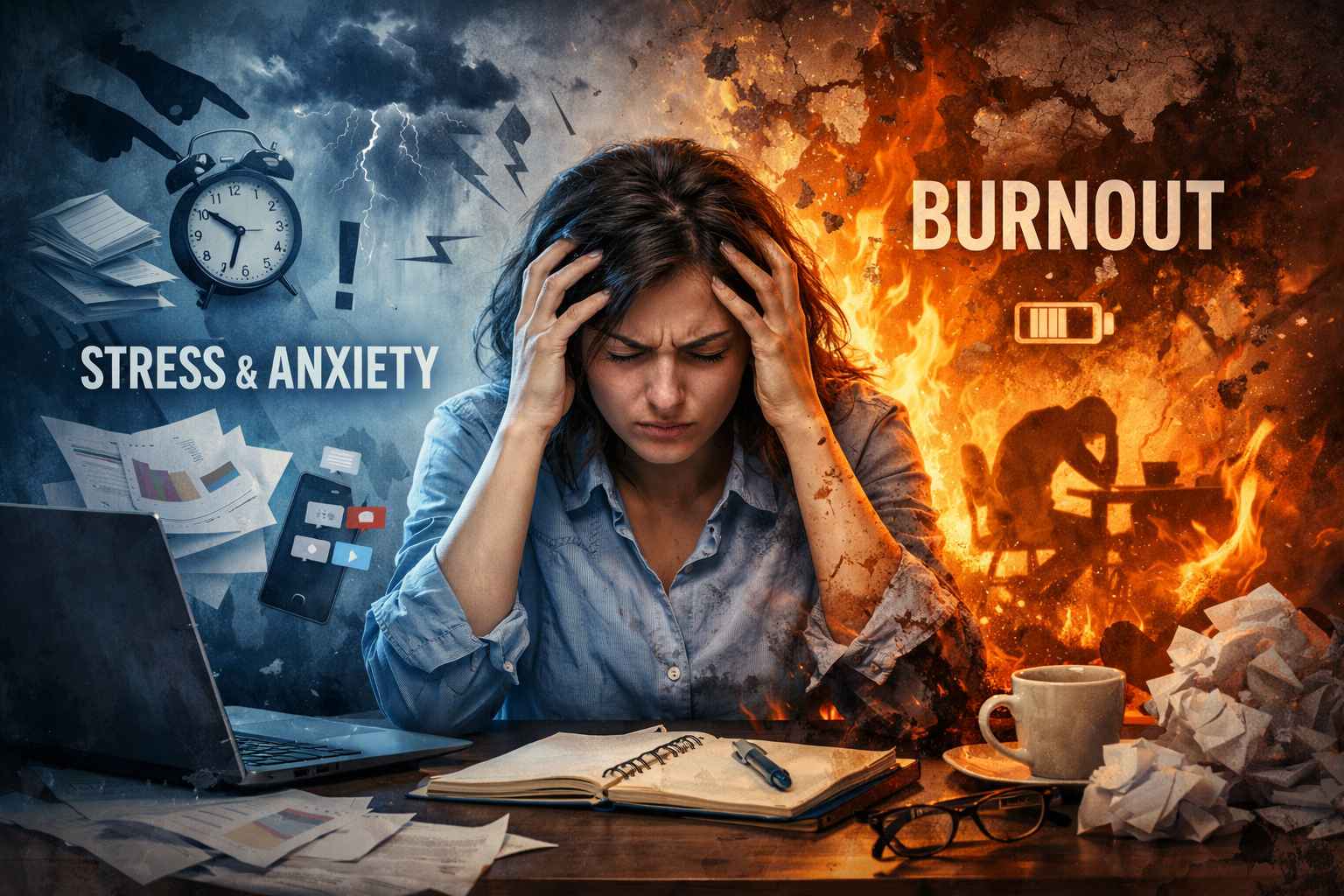
Every trader experiences frustration, excitement, and disappointment. The difference is how they respond to those emotions.
If you notice yourself trading because you’re angry or desperate, it’s usually better to step away from the charts for a while.
Take Breaks When Needed
You don’t need to watch every candle. Sometimes the smartest decision is closing your trading platform and returning with a fresh mind.
A calm trader makes better decisions than a tired or emotional one.
Think Like a Long-Term Trader
One Trade Doesn’t Define Your Success
Many beginners judge themselves after every trade. Professional traders evaluate their performance over weeks or months instead of focusing on a single result.
Consistency matters much more than individual wins or losses.
Focus on Good Habits
Strong trading habits produce long-term success. Chasing quick profits often leads to emotional mistakes and inconsistent results.

Build discipline first, and profits will have a much stronger foundation.
Learn From Every Trade
Losses Are Valuable Lessons
Every losing trade teaches something if you’re willing to review it honestly. Maybe your entry was rushed, or perhaps your risk was too high.
Ignoring mistakes only guarantees they’ll happen again.
Keep a Trading Journal
Recording your trades helps identify emotional patterns and repeated mistakes. Over time, this simple habit becomes one of the most valuable learning tools.
Small improvements made consistently lead to big results.
Ignore the Crowd During Market Panic
Noise Creates Confusion
During volatile markets, social media fills with predictions, opinions, and fear. Following every opinion makes it difficult to trust your own analysis.
Successful traders rely on facts and their own strategy instead of emotional headlines.
Confidence Comes From Preparation
If you’ve already planned your trade, there’s no reason to panic because someone else has a different opinion.
Preparation creates confidence, and confidence supports patience.
Stay Calm When the Market Tests You
Patience Is Your Competitive Advantage
The market constantly tests traders with uncertainty and emotional pressure. Those who remain patient usually avoid the costly mistakes that impatient traders make.
Calmness allows you to think clearly while others react emotionally.
Discipline Beats Emotion Every Time
Trading success isn’t about predicting every market movement. It’s about following your plan regardless of temporary market chaos.
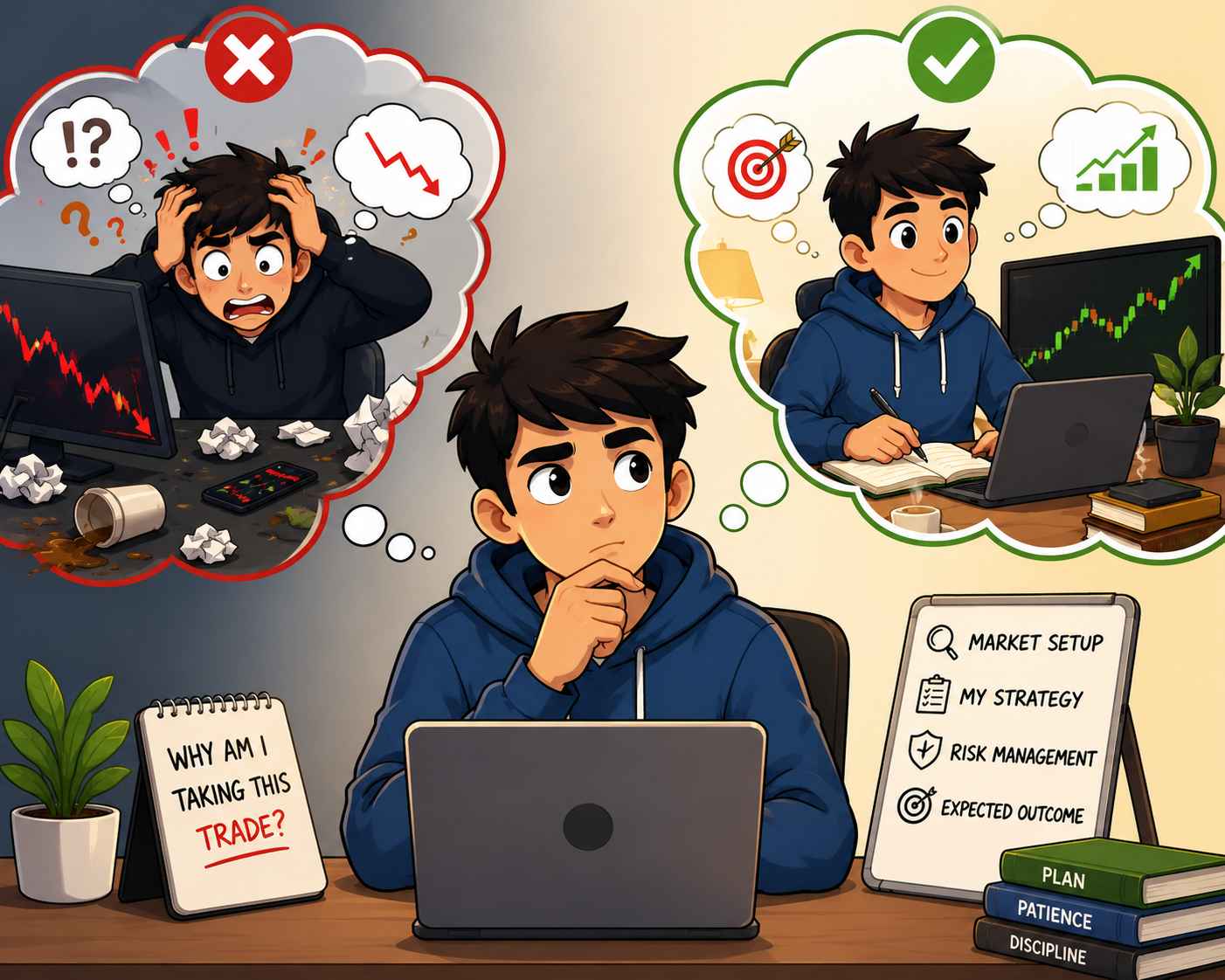
The more disciplined you become, the more consistent your trading results will be.
Conclusion
Market chaos is unavoidable, but emotional trading is not. Every trader experiences fear, uncertainty, and frustration, especially during volatile conditions. The difference between successful and struggling traders is how they respond. Instead of reacting emotionally, focus on your trading plan, manage your risk carefully, and trust your strategy. The market will always test your patience, but staying calm will always give you a better chance of long-term success.
FAQs
1. Why is patience important in trading?
Patience helps traders wait for high-quality setups instead of making emotional decisions during market volatility.
2. How can I stay calm during market chaos?
Follow a trading plan, manage your risk properly, and avoid reacting to every market movement.
3. Should I trade every market opportunity?
No. Only trade setups that match your strategy. Skipping poor opportunities often protects your account.
4. What is the biggest emotional mistake traders make?
Many traders let fear or greed control their decisions, causing them to ignore their trading rules.
5. Can emotional discipline improve trading results?
Yes. Staying disciplined helps reduce unnecessary losses and improves consistency over the long term.