

There’s something strangely seductive about risk. It whispers promises of quick wins, dramatic turnarounds, and overnight success. But if you’ve spent even a little time in the world of trading—especially forex—you already know the truth hiding beneath that glitter: unmanaged risk is chaos wearing a suit.
Now flip that idea on its head. What if the real power isn’t in chasing gains, but in controlling losses? What if success isn’t about bold moves, but about deliberate ones?
“Less risk. More control.” It sounds simple. Almost too simple. But behind those few words lies a mindset that separates impulsive traders from disciplined ones—the kind who stay in the game long enough to actually win.
Let’s unpack what this really means and why it matters more than most people realize.
The Illusion of Control in Trading
Why Most Traders Think They’re in Charge
There’s a moment every trader experiences early on—the feeling that they’ve cracked the code. Maybe a few winning trades lined up perfectly. Maybe the charts seemed to speak clearly for once. Suddenly, it feels like control has been achieved.
But here’s the uncomfortable truth: markets don’t care about your confidence.
That illusion of control often comes from short-term wins. It’s like riding a wave and thinking you’ve mastered the ocean. In reality, you’re just lucky enough not to have been pulled under yet. This false confidence can be dangerous because it leads to bigger bets, looser discipline, and eventually, painful losses.
The Market Doesn’t Follow Your Plan
You can analyze trends, study indicators, and plan entries down to the last decimal—but the market still moves on its own terms. It reacts to global events, unpredictable news, and human emotion at scale.
Trying to control the market is like trying to control the weather. You can prepare for it, adapt to it, and protect yourself from it—but you can’t dictate what it does next.
And that’s where many traders go wrong. They confuse prediction with control. They think if they’re “right,” they’ll win. But trading isn’t about being right. It’s about managing what happens when you’re wrong.
Where Real Control Actually Comes From
Control in trading doesn’t come from predicting price movements. It comes from managing your behavior.
It’s about setting rules and sticking to them—even when your emotions are screaming otherwise. It’s about knowing when to step back, when to cut losses, and when to resist the urge to overtrade.
Real control is quiet. It doesn’t chase excitement. It protects capital, preserves energy, and keeps you grounded when everything else feels uncertain.
Risk: The Silent Killer of Trading Accounts
How Small Mistakes Turn Into Big Losses
Risk rarely shows up dramatically at first. It creeps in quietly. A slightly larger position here. A skipped stop-loss there. A trade held just a bit longer than planned.
Individually, these decisions don’t seem catastrophic. But combined? They can wipe out an account faster than most people expect.
It’s like a tiny leak in a boat. At first, it’s manageable. You ignore it. But over time, the water builds up. And suddenly, you’re sinking—and wondering how it happened so fast.
Emotional Trading and Its Consequences

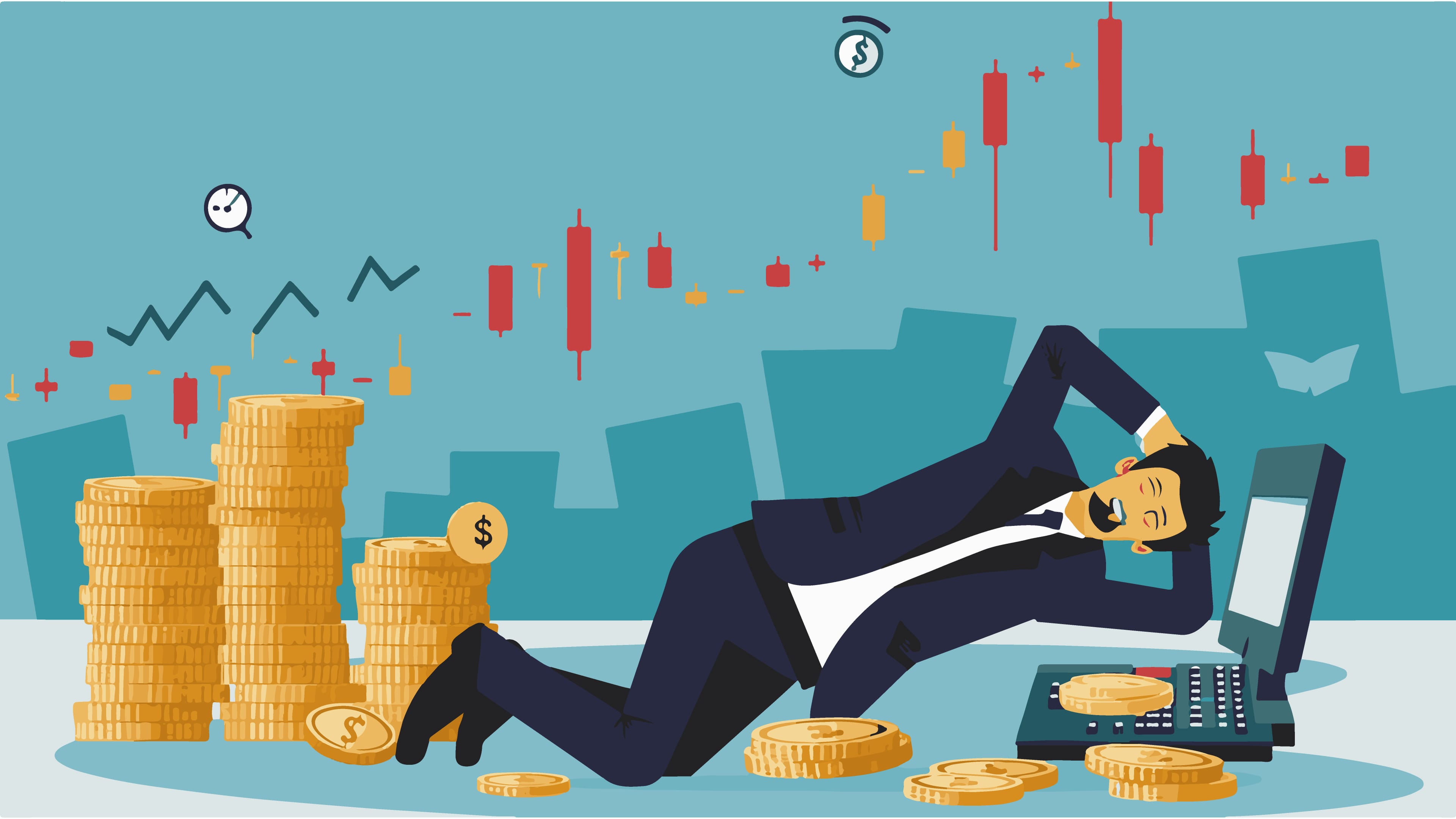
Fear and greed are powerful forces. They don’t just influence decisions—they hijack them.
Fear makes you exit winning trades too early, locking in small gains while missing bigger opportunities. Greed pushes you to hold onto losing trades, hoping they’ll turn around. Together, they create a cycle that’s hard to break.
And then there’s revenge trading—the desperate attempt to recover losses quickly. It’s one of the fastest ways to lose control entirely.
The Hidden Cost of Overtrading
More trades don’t equal more profit. In fact, they often mean the opposite.
Overtrading drains not just your account, but your mental clarity. Each decision becomes less thoughtful, more reactive. You start chasing setups instead of waiting for them.
It’s exhausting. And worse, it creates a false sense of productivity. You feel busy, engaged, active—but in reality, you’re just increasing your exposure to risk.
More Control: The Edge Most Traders Ignore
Discipline Over Excitement
Let’s be honest—discipline isn’t glamorous. It doesn’t come with adrenaline spikes or dramatic wins. It’s repetitive, sometimes boring, and often frustrating.
But it works.
Discipline is what keeps you from taking trades that don’t meet your criteria. It’s what stops you from doubling down after a loss. It’s what allows you to walk away when the market isn’t offering anything worthwhile.
Excitement might give you a rush, but discipline gives you longevity.
Creating a System That Protects You
A solid trading system isn’t just about finding good entries. It’s about managing exits, position sizes, and overall exposure.
Think of it like a safety net. You might still fall—but you won’t crash.
Your system should answer key questions: How much are you willing to risk per trade? When do you cut losses? When do you take profits? Without clear answers, you’re not trading—you’re guessing.
Why Patience Pays More Than Speed


In a world obsessed with speed, patience feels outdated. But in trading, it’s a superpower.
Waiting for the right setup can feel frustrating. You might watch the market move without you. You might feel like you’re missing out.
But here’s the thing: not every opportunity is worth taking.
Patience filters out noise. It helps you focus on high-quality trades instead of chasing every movement. And over time, that makes a massive difference.
The Psychology Behind “Less Risk, More Control”
Understanding Your Own Behavior
Trading isn’t just about charts—it’s about you.
Your habits, reactions, and mindset play a bigger role than most strategies ever will. Do you panic under pressure? Do you get overconfident after a win? Do you hesitate when it’s time to act?
Recognizing these patterns is the first step toward control.
Building Emotional Resilience
Losses are inevitable. There’s no way around it.
What matters is how you respond. Do you let one bad trade spiral into a series of poor decisions? Or do you pause, reflect, and reset?
Emotional resilience isn’t about avoiding feelings—it’s about managing them. It’s about staying steady when everything feels uncertain.
Breaking the Cycle of Impulsive Decisions
Impulsivity is the enemy of control. It pushes you to act without thinking, to react instead of plan.
Breaking this cycle requires awareness and effort. It means slowing down, questioning your decisions, and sometimes doing nothing at all.
And yes, doing nothing can be the hardest part.
Practical Ways to Reduce Risk and Gain Control
Setting Boundaries Before You Trade
Boundaries create structure. They define what you will and won’t do.
Before entering a trade, decide how much you’re willing to lose. Set clear limits. Stick to them.
It sounds obvious—but in the heat of the moment, it’s easy to forget.
The Power of Consistent Position Sizing
Consistency is underrated.
Using the same risk percentage for each trade keeps your exposure balanced. It prevents one bad decision from having an outsized impact.
It’s not about making every trade a winner. It’s about ensuring no single trade can destroy you.
Keeping a Trading Journal


A journal might seem tedious, but it’s incredibly powerful.
It forces you to reflect on your decisions, identify patterns, and learn from mistakes. Over time, it becomes a map of your behavior—showing you where you go wrong and where you improve.
Learning When to Step Away
Sometimes, the best trade is no trade at all.
If you’re tired, emotional, or frustrated, stepping away can save you from costly mistakes. The market will still be there tomorrow.
Your capital—and your mindset—might not be if you keep pushing.
Why “Less Risk, More Control” Is a Long-Term Game
Short-Term Wins vs. Long-Term Survival
Quick wins are exciting. They feel validating.
But they can also be misleading. A few lucky trades can create a false sense of skill, leading to overconfidence and bigger risks.
Long-term survival requires a different approach. It’s about consistency, discipline, and managing risk over time.
Compounding Gains Through Stability
Small, consistent gains might not seem impressive at first. But over time, they add up.
Compounding works quietly. It builds momentum slowly, turning steady progress into significant growth.
But it only works if you stay in the game.
The Traders Who Actually Make It
The traders who succeed aren’t necessarily the smartest or the fastest.
They’re the ones who manage risk effectively. The ones who stay disciplined. The ones who understand that control matters more than excitement.

They don’t chase the market. They navigate it.
Final Thoughts: The Quiet Power of Control
Trading often looks like a game of bold moves and big wins. But beneath the surface, it’s a game of restraint.
“Less risk. More control.” isn’t just a catchy phrase—it’s a survival strategy. It’s a reminder that the goal isn’t to win every trade, but to protect your ability to keep trading.
Because in the end, success doesn’t come from one perfect move. It comes from hundreds of careful ones.
And that’s where real control lives.
FAQs
1.What does “less risk, more control” actually mean in trading?
It means focusing on protecting your capital rather than chasing profits. By reducing risk and managing your decisions carefully, you increase your chances of long-term success.
2.Can you eliminate risk completely in forex trading?
No, risk is always present. The goal isn’t to eliminate it but to manage it effectively so losses stay controlled and manageable.
3.Why do traders struggle with control?
Emotions like fear and greed often override logic. Without discipline and clear rules, traders tend to make impulsive decisions.
4.Is taking fewer trades really better?
In many cases, yes. Quality matters more than quantity. Fewer, well-thought-out trades often lead to better results than frequent, impulsive ones.
5.How long does it take to develop trading discipline?
It varies, but it’s an ongoing process. Discipline isn’t something you achieve once—it’s something you practice consistently over time.