

The Brutal Truth About the Forex Market
The forex market has a strange way of humbling people. One minute you feel unstoppable, and the next minute you are staring at your screen wondering where everything went wrong. That sharp emotional swing is what separates currency trading from most other financial activities. It is fast, unpredictable, emotional, and brutally honest.
The quote, “The market doesn’t wait — be ready or stay out,” captures the reality many traders refuse to accept in the beginning. The market is not a patient teacher. It does not pause because someone is confused, emotional, or unprepared. It keeps moving with or without you. That truth sounds harsh, but it is also liberating.
People often enter forex trading with dreams of quick money and total freedom. Social media makes it look easy. Charts appear clean, profits look endless, and influencers speak as if success comes overnight. But behind those polished screenshots is a battlefield filled with hesitation, fear, greed, and regret.
A trader who walks into the market without preparation is like a sailor heading into a storm with no compass. The ocean does not care how confident he sounds. Eventually, the waves expose every weakness. Forex behaves in the same way. Confidence without knowledge usually collapses under pressure.
Why Preparation Matters More Than Excitement
Excitement is dangerous in trading when it replaces discipline. Many beginners mistake adrenaline for skill. They open trades too quickly, risk too much money, and chase movements they barely understand. At first, it feels thrilling. Then reality arrives like a punch to the chest.
Preparation creates emotional stability. When a trader understands market structure, risk management, and trading psychology, decisions become calmer and more logical. The market still moves unpredictably, but preparation acts like armor against emotional chaos.
The Difference Between Gambling and Trading
There is a thin line between gambling and trading, and many people cross it without noticing. Gambling depends on hope. Trading depends on strategy. One is emotional guessing, while the other is calculated decision-making.
A gambler enters a trade because the market “looks ready.” A trader enters because there is confirmation, timing, and a risk plan. That difference may sound simple, but it changes everything. In forex, one careless decision can wipe out weeks of progress.
Emotional Decisions Destroy Accounts
Fear and greed are silent account killers. Fear causes traders to exit too early, while greed convinces them to stay too long. Both emotions distort judgment. Once emotions control trading decisions, consistency disappears.
Experienced traders understand that protecting capital matters more than chasing excitement. They know survival is the first goal. Without survival, there is no future opportunity.
Knowledge Builds Confidence
Real confidence is quiet. It does not scream on social media or brag about massive wins. It comes from repetition, learning, and experience. Traders who spend time studying charts and understanding market behavior usually react better under pressure.
Knowledge turns uncertainty into awareness. Instead of panicking during volatility, prepared traders adapt. That adaptability is often the hidden difference between long-term success and repeated failure.
The Market Rewards Patience
Patience feels boring in a world obsessed with instant results. Yet forex trading rewards patience more than speed. Traders who constantly force trades often lose because they confuse movement with opportunity.
The market produces endless noise. Candles rise and fall every second. News spreads rapidly. Opinions flood social platforms. Without patience, traders become trapped in emotional reactions instead of strategic thinking.
Waiting for the Right Setup
Professional traders rarely trade all day long. Many wait hours or even days for one high-quality setup. That patience protects them from emotional overtrading.
A good setup is like a perfect wave for a surfer. Chasing every wave only creates exhaustion. Waiting for the right one increases the chance of success.
Overtrading Creates Mental Fatigue
Overtrading damages both finances and psychology. Constant chart watching creates emotional exhaustion. Eventually, traders lose clarity and start making impulsive decisions.
Mental fatigue is dangerous because it lowers discipline. A tired trader often ignores rules, increases risk, or seeks revenge after losses. That cycle can spiral out of control quickly.
Discipline Beats Raw Talent
Some people enter forex with natural confidence and fast decision-making skills. Others start slowly and cautiously. Surprisingly, the disciplined trader often lasts longer.
Discipline protects traders from themselves. It creates structure during emotional storms. Talent may create quick wins, but discipline builds long-term consistency.
Understanding the Psychology Behind Trading Success

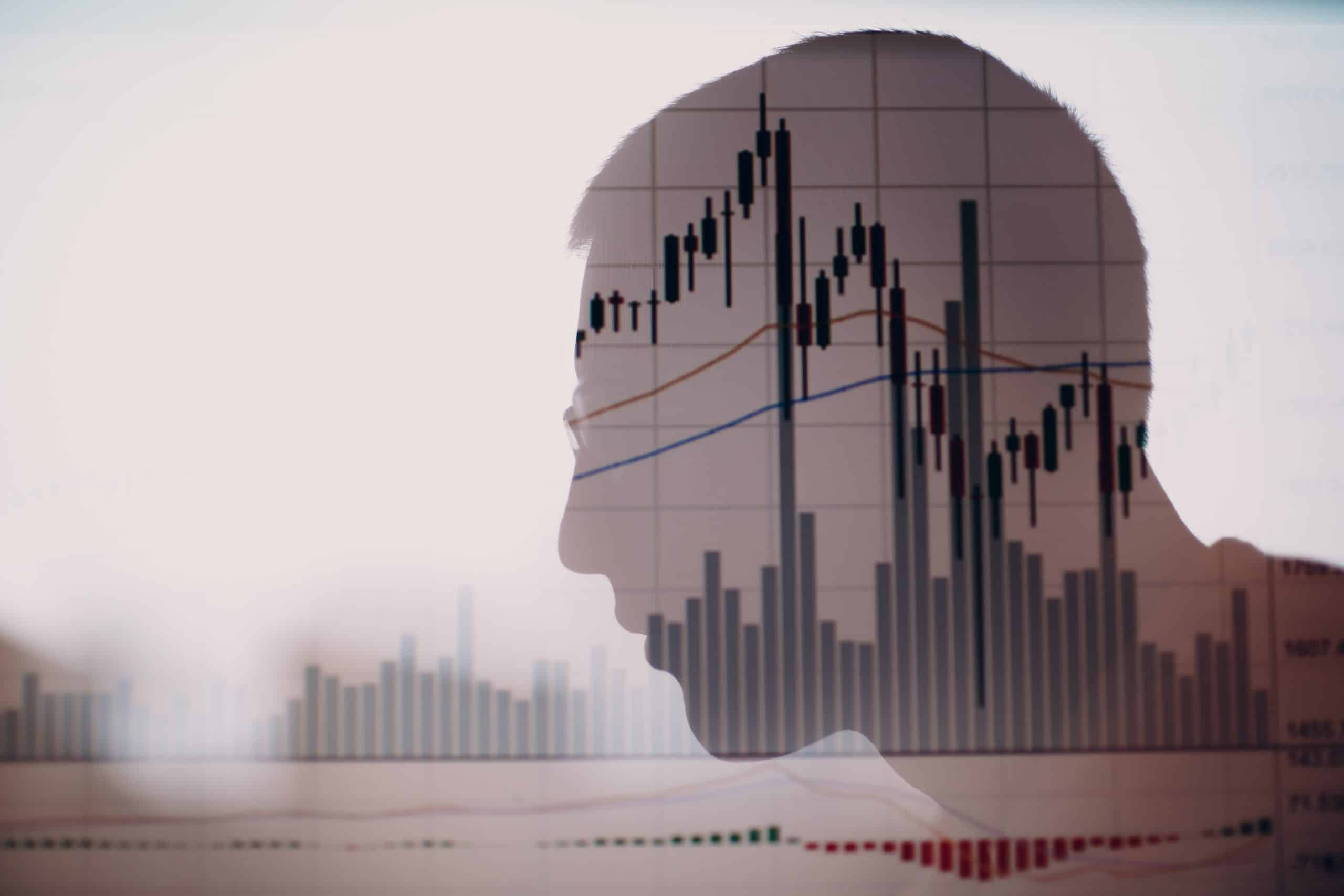
Forex trading is not only about charts and indicators. Most battles happen internally. The market becomes a mirror reflecting emotional weaknesses people never noticed before.
A trader may know technical analysis perfectly yet still fail because of emotional instability. That contradiction frustrates many beginners. They search endlessly for better indicators while ignoring their mindset.
The truth is uncomfortable. Trading exposes impatience, insecurity, ego, and fear. Some people cannot handle uncertainty. Others become addicted to constant action. Forex amplifies these emotional habits.
Fear Can Be More Dangerous Than Losses
Losses are part of trading. Every experienced trader knows that. Fear, however, changes behavior in destructive ways. After a painful loss, some traders become hesitant and second-guess every decision.
Fear creates paralysis. Traders hesitate to enter valid setups because they are emotionally attached to past pain. Opportunities pass by while they remain frozen.
The Memory of Bad Trades
Bad trades leave emotional scars. A massive loss can haunt a trader for weeks or months. Even when conditions improve, fear whispers that disaster is coming again.
This emotional memory creates hesitation. Instead of following analysis calmly, traders start reacting emotionally to every market movement.
Fear Leads to Missed Opportunities
The irony of fear is that it often causes traders to miss the very opportunities they prepared for. They spend hours analyzing charts only to avoid entering the trade.
Missed opportunities create frustration. That frustration sometimes pushes traders into reckless trades later, creating an unhealthy emotional cycle.
Confidence Comes From Process
Healthy confidence does not come from winning every trade. It comes from trusting a proven process. Losses become easier to handle when traders understand that no strategy wins all the time.
Process-focused traders stay calmer because they judge themselves by discipline rather than temporary results. That mindset creates emotional resilience.
Greed Is a Silent Trap
Greed rarely appears loudly in the beginning. It starts quietly. A trader doubles a small account quickly and suddenly believes the rules no longer matter.
That false sense of invincibility is dangerous. The market has a brutal habit of punishing arrogance. Many traders destroy profitable accounts because greed convinces them to risk too much.
Bigger Profits Create Bigger Emotions
As profits increase, emotions become stronger. Winning trades can create overconfidence and unrealistic expectations. Traders begin imagining endless success.
The danger is subtle. Once greed takes control, discipline fades. Traders ignore risk limits and start chasing unrealistic gains.
Revenge Trading Destroys Logic
After a painful loss, some traders try to recover money immediately. This emotional reaction is called revenge trading, and it often ends badly.
Instead of following analysis, traders become emotionally desperate. They increase lot sizes, force trades, and ignore warning signs. Logic disappears under emotional pressure.
Humility Keeps Traders Grounded
The market respects humility. Traders who remain realistic about risks usually survive longer. They understand that no one controls the market completely.
Humility encourages learning. Arrogance stops growth. Once traders believe they know everything, mistakes multiply rapidly.
Consistency Is More Important Than Perfection


Many beginners chase perfection. They search for flawless strategies and dream about never losing. Unfortunately, perfection does not exist in forex.
Consistency matters more. Small disciplined gains over time often outperform reckless attempts at massive profits. Trading success resembles building a house brick by brick rather than trying to build a skyscraper overnight.
Small Wins Build Momentum
Consistent small wins create confidence gradually. They teach traders patience and emotional control. Over time, these habits strengthen decision-making.
Large emotional swings usually damage performance. Stability creates longevity, and longevity is essential in trading.
Losing Trades Are Normal
Many traders quit because they interpret losses as failure. In reality, losses are simply part of probability. Even strong strategies experience losing streaks.
What matters is how traders respond emotionally. Calm reactions preserve discipline, while emotional reactions create chaos.
Long-Term Thinking Changes Everything
Short-term thinking creates desperation. Traders become obsessed with immediate profits and emotional gratification. That mindset increases impulsive decisions.
Long-term thinking creates patience. It encourages steady growth, controlled risk, and emotional maturity.
The Reality of Success in Forex Trading
Success in forex rarely looks glamorous from the inside. While outsiders imagine luxury and easy money, experienced traders often describe the process as mentally exhausting.
There are lonely nights, frustrating losses, and endless moments of self-doubt. Some days the market feels like a puzzle. Other days it feels like a storm tearing apart every plan.
Yet despite the challenges, people remain attracted to forex because of its freedom and potential. Trading offers an opportunity to control one’s financial path, but only for those willing to respect the process.
Risk Management Is the Real Superpower
Many traders obsess over finding the perfect entry point. Ironically, survival often depends more on risk management than market prediction.
Risk management protects traders during unpredictable periods. Without it, even talented traders can collapse after a few bad decisions.
Protecting Capital Comes First
Money is ammunition in trading. Once it disappears, opportunities disappear too. Smart traders focus heavily on preserving capital.
This mindset may sound conservative, but survival is essential. The market always provides new opportunities for those still financially alive.
One Trade Should Never Define You
A single trade should never determine emotional stability or financial survival. Traders who risk too much on one position often experience devastating emotional swings.
Balanced risk creates emotional calmness. Traders can think clearly because they are not emotionally overwhelmed by every movement.
Consistency Beats Drama
Some traders become addicted to emotional intensity. They seek huge profits quickly and ignore sustainable growth.
Consistent traders usually avoid drama. They understand that trading is not entertainment. It is a process requiring patience and control.
Adaptability Separates Survivors From Quitters


The forex market constantly changes. Strategies that worked yesterday may struggle tomorrow. Economic conditions shift, trends reverse, and volatility changes unexpectedly.
Adaptability allows traders to survive these shifts. Stubbornness, on the other hand, often leads to repeated failure.
Markets Change Like Weather
The market behaves much like the weather. Some days are calm and predictable. Others feel chaotic and violent.
Traders who refuse to adapt eventually struggle. Flexibility allows them to respond intelligently instead of emotionally.
Learning Never Stops
Successful traders remain students regardless of experience. They review mistakes, study new conditions, and refine their strategies constantly.
Complacency is dangerous because the market punishes stagnation quickly. Growth requires ongoing learning.
Experience Builds Emotional Strength
Experience changes emotional reactions. Beginners panic during volatility, while experienced traders remain calmer because they have survived difficult periods before.
This emotional resilience becomes a major advantage. Experience teaches traders that temporary setbacks are survivable.
Staying Out Can Be the Smartest Move
One of the hardest lessons in trading is learning when not to trade. Many people feel pressure to stay active constantly, but inactivity can sometimes protect both money and mental health.
The quote “be ready or stay out” highlights an uncomfortable truth. If conditions are unclear or emotions feel unstable, stepping away is often the wiser decision.
Not Every Day Is a Trading Day
Some market conditions are messy and unpredictable. During those periods, forcing trades usually creates unnecessary losses.
Smart traders understand that patience is productive. Waiting for clarity protects emotional and financial stability.
Emotional Recovery Matters
After intense losses or stressful periods, traders sometimes need distance from the charts. Emotional recovery is important because stress clouds judgment.
Stepping away briefly can restore focus and discipline. Returning with a clear mind often improves decision-making.
Protecting Mental Health Is Essential
Forex trading can become emotionally consuming. Constant stress, sleepless nights, and obsession with profits create burnout.
Healthy traders maintain balance outside the market. They understand that mental clarity directly affects trading performance.
Building a Mindset That Survives the Market


The market does not reward desperation. It rewards preparation, patience, discipline, and emotional stability. Traders who survive long enough usually develop a mindset stronger than their emotions.
This transformation does not happen quickly. It often develops through painful mistakes and difficult lessons. The market becomes both a financial arena and a psychological teacher.
Self-Control Is More Valuable Than Prediction
Many people believe successful traders predict the market perfectly. In reality, even experienced traders are wrong regularly.
What separates professionals from emotional beginners is self-control. Professionals manage losses calmly and protect themselves from emotional destruction.
Impulsive Behavior Creates Chaos
Impulsive trading usually comes from emotional pressure. Fear, greed, and frustration push traders into poor decisions.
Once impulsive habits develop, consistency becomes difficult. Emotional reactions replace disciplined execution.
Routine Builds Stability
Strong routines reduce emotional decision-making. Traders who follow structured habits often feel calmer and more focused.
Routine creates familiarity in an unpredictable environment. That stability improves mental performance.
Emotional Detachment Improves Clarity
Emotionally attached traders struggle to think clearly. They become obsessed with proving themselves right instead of adapting to reality.
Detachment creates objectivity. Traders can accept losses calmly and move forward without emotional baggage.
Success Requires Personal Responsibility
Blaming brokers, news events, or market manipulation is common among struggling traders. While external factors influence the market, personal responsibility remains essential.
Growth begins when traders stop making excuses and start analyzing their own behavior honestly.
Accountability Creates Improvement
Traders who review mistakes objectively improve faster. They identify patterns, emotional weaknesses, and poor habits.
Avoiding accountability delays progress because the same mistakes repeat endlessly.
Ego Is Dangerous in Trading
Ego convinces traders they must always be right. Unfortunately, the market does not reward ego.
Traders who refuse to accept mistakes often hold losing trades too long. Pride turns manageable losses into disasters.
Patience Creates Longevity

Patience is one of the rarest qualities in trading. Modern culture pushes speed, instant gratification, and constant action.
Forex rewards the opposite mindset. Calm, patient traders often outperform emotional risk-takers over time.
Final Thoughts on Surviving the Forex Battlefield
The forex market is not kind to unprepared people. It moves relentlessly, exposing emotional weakness and punishing recklessness without hesitation. That is why the message “The market doesn’t wait — be ready or stay out” feels so powerful.
Preparation matters more than excitement. Discipline matters more than talent. Patience matters more than speed. These lessons sound simple, but living by them is difficult.
Trading success is not built through shortcuts or emotional gambling. It grows slowly through consistency, humility, emotional control, and continuous learning. The market respects traders who approach it seriously and destroys those who treat it casually.
At the end of the day, forex trading is more than charts and currency pairs. It is a test of mindset, self-control, and resilience. Those who survive understand that the real battle is often happening within themselves.
FAQs
1.What does “The market doesn’t wait — be ready or stay out” really mean?
It means the forex market moves continuously regardless of a trader’s emotional state or level of preparation. Traders who enter without discipline or knowledge often experience unnecessary losses.
2.Why do so many beginners fail in forex trading?
Many beginners fail because they focus on fast profits instead of risk management and emotional control. Overtrading, greed, and lack of patience are common reasons for failure.
3.Is forex trading more psychological than technical?
Technical analysis is important, but psychology plays a huge role in long-term success. Emotional discipline often determines whether a trader survives difficult periods.
4.How important is patience in trading?
Patience is extremely important because high-quality opportunities do not appear constantly. Waiting for proper setups helps traders avoid emotional and impulsive decisions.
5.Can traders succeed without strict risk management?
Sustainable success is very difficult without risk management. Protecting capital allows traders to survive losing periods and continue improving over time.