

Trading looks simple from the outside. Buy low, sell high—right? But anyone who has spent real time in the market knows that this neat little phrase falls apart the moment emotions enter the room. Fear creeps in, greed whispers louder than logic, and suddenly, even the most well-thought-out strategy starts to crumble.
That’s where the real game begins. Not on charts. Not in indicators. But inside your head.
The idea that “successful trading is 80% mindset” might sound like a cliché at first. But spend enough time watching trades go wrong—or right—and you’ll realize there’s a raw, uncomfortable truth behind it. Let’s unpack that truth, piece by piece, and see why mindset often matters more than strategy itself.
Why Mindset Dominates Trading Success
The Illusion of Strategy Being Everything
Why beginners obsess over indicators
Most new traders walk into the market like kids entering a candy store. They grab every shiny tool they can find—RSI, MACD, moving averages—hoping one of them holds the magic formula. It feels productive, even exciting.
But here’s the catch: indicators don’t fail nearly as often as the people using them. The same strategy can make one trader consistent profits and leave another completely drained. That difference isn’t in the system. It’s in the mind.
When you rely too heavily on tools, you ignore the human element. And the market? It’s driven by humans. Emotional, unpredictable, irrational humans.
Why the same strategy works differently for different people
Imagine giving two people the exact same map. One follows it calmly, adjusts when needed, and reaches the destination. The other panics at every turn, second-guesses directions, and ends up lost.
That’s trading in a nutshell.
A strategy is just a framework. Execution is where things fall apart. One trader sticks to the plan even when it’s uncomfortable. Another abandons it after one loss. The result? Completely different outcomes from the same system.
Emotions: The Silent Account Killer
Fear and hesitation at the worst moments
Fear doesn’t show up politely. It barges in right when you need clarity the most. You see a perfect setup, your plan says “enter,” but your finger hesitates. What if it fails? What if you lose again?
So you skip the trade. And of course, it works out perfectly—without you.
Over time, this hesitation builds frustration. Not because the market is unfair, but because deep down, you know you didn’t trust yourself.
Greed and overtrading when things go well
Now flip the script. You win a few trades in a row. Confidence turns into overconfidence. You start increasing position sizes, jumping into setups that aren’t even part of your strategy.
It feels like you’ve cracked the code. Until one trade wipes out everything.
Greed is tricky. It doesn’t feel dangerous in the moment. It feels like opportunity. And that’s exactly why it’s so destructive.
Discipline: The Uncomfortable Superpower
Sticking to a plan when it’s boring


Let’s be honest—discipline isn’t exciting. There’s nothing glamorous about waiting hours for the right setup or skipping trades that don’t meet your criteria.
But that’s where consistency is born.
Most traders don’t fail because they lack knowledge. They fail because they can’t do the same simple things over and over again without getting bored or impatient.
Consistency over excitement
Trading isn’t meant to be thrilling. If it is, something’s probably wrong.
The best traders treat it like a routine. They show up, follow their rules, and leave emotions at the door. It’s repetitive, almost dull. But that “dullness” is what protects their capital.
Excitement in trading often comes at a cost. And it’s usually expensive.
The Psychology Behind Winning Trades
Confidence vs Overconfidence
Building trust in your system
Confidence doesn’t appear overnight. It’s built slowly, trade by trade, mistake by mistake. You test your strategy, refine it, and learn to trust it—even when it temporarily fails.
This kind of confidence is quiet. It doesn’t need validation from every winning trade.
It’s the difference between knowing your system works and hoping it works.
The danger of feeling invincible
Overconfidence, on the other hand, is loud. It convinces you that rules are optional, that risk management is flexible, that this time is different.
And that’s where things spiral.
The market has a brutal way of humbling traders who think they’ve outsmarted it. One careless decision can undo weeks of disciplined work.
Patience: Waiting for the Right Moment
Why fewer trades can mean more profit
It sounds counterintuitive, but trading less often can actually make you more money.
Why? Because you’re filtering out noise. You’re focusing only on high-probability setups instead of chasing every movement.
Quality beats quantity every time.
The trap of constant activity
There’s a strange urge to always be “in the market.” Sitting on the sidelines feels like missing out. But forcing trades just to feel active is one of the fastest ways to lose money.
Sometimes the best trade is no trade at all. And that’s a hard lesson to accept.
Accepting Losses Without Losing Control


Why losses are part of the game
No strategy wins all the time. Losses aren’t a sign of failure—they’re part of the process.
The problem is how traders react to them.
One loss can trigger a chain reaction of bad decisions if you take it personally. But if you treat it as just another data point, it loses its emotional weight.
Avoiding revenge trading
Revenge trading feels justified in the moment. You want to win back what you lost, prove yourself right, regain control.
But it rarely ends well.
Instead of following your plan, you start reacting emotionally. And the market doesn’t reward emotional decisions—it punishes them.
Building a Strong Trading Mindset
Self-Awareness: Knowing Your Triggers
Recognizing emotional patterns
Every trader has patterns. Maybe you get anxious after a loss. Maybe you become reckless after a win.
The key is noticing these patterns before they control your actions.
Self-awareness isn’t about eliminating emotions. It’s about understanding them well enough that they don’t dictate your decisions.
Keeping a trading journal
Writing down your trades might feel tedious, but it’s one of the most powerful tools you can use.
It forces you to reflect. To see what worked, what didn’t, and why.
Over time, patterns emerge. And those patterns reveal the real story behind your performance.
Developing Mental Resilience
Handling drawdowns without panic
Drawdowns are inevitable. There will be periods where nothing seems to work.
This is where many traders quit. Not because their strategy is broken, but because their mindset can’t handle the pressure.
Resilience means staying grounded during these phases, trusting your process, and avoiding drastic changes driven by frustration.
Staying calm under pressure
The market doesn’t slow down for your emotions. It moves relentlessly, whether you’re calm or panicked.
Learning to stay composed—even when things go wrong—is a skill. And like any skill, it takes practice.
Calm traders make better decisions. It’s that simple.
Creating Healthy Trading Habits


Routine and structure in daily trading
Successful traders don’t wing it. They have routines. They analyze the market at specific times, review trades regularly, and follow consistent processes.
This structure reduces uncertainty. And less uncertainty means less emotional stress.
It’s like having a roadmap in a chaotic environment.
Balancing trading with life outside charts
Trading can easily consume your entire day—and your mental energy. But stepping away is just as important as showing up.
A clear mind performs better. Whether it’s exercise, hobbies, or time with people you care about, balance keeps you grounded.
Without it, trading becomes overwhelming. And overwhelmed traders make poor decisions.
The Harsh Truth Most Traders Learn Too Late
It’s Not the Market—It’s You
Taking responsibility for results
It’s tempting to blame the market. It moved too fast. It was manipulated. It didn’t follow logic.
But blaming external factors keeps you stuck.
Real growth begins when you take responsibility. When you accept that your decisions—not the market—determine your results.
Breaking the cycle of blame
Once you stop blaming the market, something shifts. You start focusing on what you can control—your strategy, your risk, your mindset.
And that’s where improvement happens.
It’s uncomfortable, but necessary.
Quick Wins vs Long-Term Growth
Why chasing fast profits backfires
Everyone wants quick success. Fast profits, rapid growth, instant results.
But trading doesn’t reward impatience.
Chasing quick wins often leads to reckless behavior—overleveraging, ignoring risk, jumping into trades without proper analysis.
The slow path to consistent success
Consistency is built slowly. It’s not flashy, and it’s rarely talked about.
But it’s sustainable.
Small, steady gains over time will always outperform sporadic big wins followed by heavy losses.
Mastering Yourself Before the Market
Internal control vs external factors
You can’t control the market. You can’t predict every move.
But you can control how you respond.
That’s where your power lies—not in predicting outcomes, but in managing your reactions.
The trader’s real battlefield

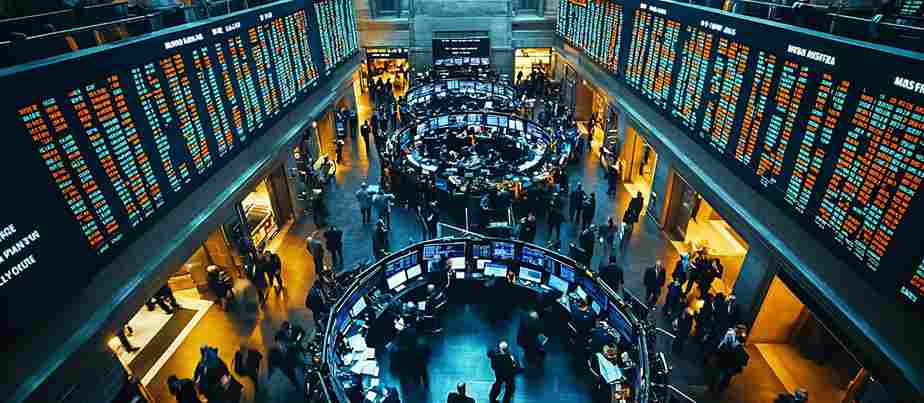
The charts may look like the battlefield, but the real fight happens internally.
It’s between discipline and impulse. Logic and emotion. Patience and urgency.
And the outcome of that internal battle determines everything else.
Final Thoughts: Where Real Trading Success Begins
Trading isn’t just about charts, strategies, or market knowledge. Those things matter, of course. But they’re only part of the equation.
The bigger piece—the one most people overlook—is mindset.
If you can control your emotions, stay disciplined, and trust your process, you’re already ahead of the majority. Not because you know more, but because you handle the game differently.
The market will test you. It will challenge your patience, your confidence, and your discipline. And in those moments, your mindset becomes your strongest asset—or your biggest weakness.
So the next time you think about improving your trading, don’t just look for a better strategy. Look inward. That’s where the real edge is.
FAQs
1.What does it mean that trading is 80% mindset?
It means that emotional control, discipline, and psychological strength play a much bigger role than technical knowledge or strategies in achieving consistent success.
2.Can a good mindset really outperform a good strategy?
Yes. A solid mindset allows you to execute even a simple strategy effectively, while a poor mindset can ruin even the best system.
3.How can I improve my trading mindset?
Focus on self-awareness, maintain a trading journal, stick to a routine, and work on managing emotions like fear and greed.
4.Why do traders struggle with discipline?
Because trading involves uncertainty and emotional pressure, which can make it difficult to consistently follow rules without deviation.
5.Is it possible to completely remove emotions from trading?
Not entirely. The goal isn’t to eliminate emotions but to manage them so they don’t interfere with your decision-making.