

There’s a strange safety in standing still. No risks, no embarrassment, no chance of failing publicly. Doing nothing feels like sitting in a warm room while a storm rages outside. But comfort has a dark side. It slowly turns into a cage, padded enough that you don’t feel the bars until it’s too late.

Most people don’t choose poverty on purpose. They drift into it through habits that feel harmless in the moment. The couch becomes a sanctuary. The routine becomes sacred. Days blur together, and before you know it, years have passed with little to show for them.
The Seductive Pull of the Comfort Zone
The comfort zone isn’t loud or dramatic. It whispers. It tells you that tomorrow is a better day to start. It convinces you that you deserve rest, even when you’ve barely moved. Over time, that softness dulls ambition and blurs urgency.
Staying comfortable feels like self-care, but it often disguises fear. Fear of being judged. Fear of failing. Fear of discovering you’re not as capable as you hoped. So you stay where it’s familiar, even if it’s slowly suffocating your potential.
Why Familiar Pain Feels Safer Than Uncertainty
There’s a strange logic to sticking with what hurts but feels known. Struggling financially in a predictable way can feel less terrifying than stepping into uncertainty. At least you know what bills you can’t pay. At least you know the limits.
Uncertainty forces growth, and growth demands discomfort. When you avoid uncertainty, you also avoid opportunity. The mind convinces itself that stability matters more than progress, even when that stability is built on stagnation.
How Routine Can Become a Trap
Routines are powerful tools, but they cut both ways. A routine built around avoidance quietly shapes your identity. Wake up, scroll, watch, sleep, repeat. Nothing catastrophic happens, so it feels harmless.
But routines compound. Small daily choices harden into lifestyle outcomes. When your routine avoids effort, learning, and risk, poverty becomes less of a surprise and more of a destination.
Waiting for the Perfect Moment

The perfect moment is a myth people cling to when they don’t want to act. It’s always just out of reach. Not enough money yet. Not enough time. Not enough confidence. The conditions never feel ideal.
Waiting feels responsible, but it’s often procrastination in a respectable outfit. While you wait, others move forward imperfectly, learning as they go, making mistakes, and adjusting. Motion beats perfection every time.
The Illusion of Readiness
Readiness sounds mature and wise, but it’s often an excuse. Most people feel ready only after they’ve already started. Confidence grows through action, not before it.
When you tell yourself you’ll begin once you’re fully prepared, you’re really saying you’re afraid of being seen trying. Staying poor becomes easier than risking awkward beginnings.
How Time Slips Away Quietly
Time doesn’t announce its departure. It leaves silently, one ordinary day at a time. Weeks turn into years without any dramatic warning. One day you look back and wonder where all that potential went.
Waiting robs you twice. You lose the opportunity itself, and you lose the experience that would have shaped you into someone capable of more.
Escaping Through Distraction
Distraction is the modern anesthetic. It numbs discomfort without solving the cause. Screens glow, shows autoplay, feeds refresh endlessly. Hours vanish without resistance.
Distraction doesn’t feel destructive because it feels deserved. After all, life is stressful. But when distraction becomes your primary coping mechanism, it steals energy, focus, and ambition in exchange for temporary relief.
Watching Life Instead of Living It
Watching TV all day isn’t just about entertainment. It’s about passive consumption. You watch others struggle, win, love, and grow while you remain safely seated. Emotion without effort becomes addictive.
Over time, passive entertainment replaces curiosity and drive. You begin to feel like a spectator in your own life, emotionally invested but personally unchanged.
The Illusion of Relaxation
Rest is necessary. Escapism is different. Real rest restores you. Endless consumption drains you while pretending to refill the tank. That’s why you can binge all weekend and still feel exhausted.
When relaxation never transitions into action, it becomes avoidance. You feel busy, stimulated, and occupied, yet nothing meaningful moves forward.
How Distraction Erodes Self-Trust
Every time you choose distraction over intention, you quietly break a promise to yourself. At first, it’s subtle. Over time, it compounds into self-doubt. You stop trusting your ability to focus, commit, or follow through.
That erosion of self-trust makes future change feel harder, reinforcing the cycle that keeps you stuck.
The Cost of No Hobbies, No Curiosity
A life without hobbies isn’t just boring. It’s limiting. Hobbies build skills, networks, confidence, and sometimes income. They connect you to curiosity and growth.
Without interests, life shrinks to obligations and escapes. Work becomes something to endure. Free time becomes something to numb. Growth stalls quietly.
Why Curiosity Is a Financial Skill
Curiosity pushes you to explore, learn, and adapt. It opens doors you didn’t know existed. People who stay curious tend to find opportunities because they’re looking, experimenting, and asking questions.
When curiosity dies, so does adaptability. In a changing world, that rigidity often comes with a financial cost.
How Passion Creates Momentum
Passion doesn’t have to be grand or dramatic. It starts small. A spark of interest. A desire to improve. That momentum builds confidence and discipline over time.
Without passion, effort feels pointless. With it, even small progress feels rewarding. Passion turns effort into investment instead of sacrifice.
The Mindset That Keeps You Stuck

Poverty isn’t just about money. It’s about mindset. The stories you tell yourself shape your behavior. When those stories lean toward helplessness, blame, and waiting, progress slows to a crawl.
Mindset doesn’t magically change circumstances, but it influences how you respond to them. Two people can face the same challenge and walk away with very different outcomes.
Blaming Others Feels Good, But Costs You Everything
Blame offers instant relief. It shifts responsibility outward. The system is rigged. The boss is unfair. The economy is broken. Sometimes those things are true.
But blame keeps you powerless. The moment you assign all control elsewhere, you surrender your ability to change your situation. It feels justified, but it’s expensive.
The Emotional Reward of Being Right
There’s comfort in being right about why things aren’t working. It protects your ego. It shields you from self-reflection. But being right doesn’t pay bills or build skills.
Growth requires uncomfortable honesty. Blame delays that reckoning and keeps you stuck in the same patterns.
How Responsibility Unlocks Options
Taking responsibility doesn’t mean accepting fault for everything. It means accepting agency. It means asking, “What can I do next?” even when circumstances are unfair.
Agency opens doors. It invites creativity, resilience, and problem-solving. Without it, poverty becomes a fixed identity instead of a temporary state.
Waiting for Magic Instead of Building Momentum
Some people live as if a breakthrough will arrive unannounced. A lucky break. A viral moment. Someone noticing their potential. It’s a quiet form of magical thinking.
Hope without action turns into disappointment. Momentum comes from consistent effort, not sudden miracles.
Why Overnight Success Is a Dangerous Myth
Overnight success stories skip the years of quiet work that preceded the spotlight. Believing in sudden transformation sets unrealistic expectations and discourages persistence.
When progress doesn’t happen fast enough, people quit, assuming it’s not meant for them. In reality, they stopped just before momentum built.
The Power of Small, Boring Steps
Small steps lack drama, but they compound. Daily effort builds skill. Repetition builds confidence. Consistency builds opportunity.
Magic isn’t sudden. It’s disguised as routine, patience, and persistence.
Life Without Direction or Passion
Living without direction feels lighter at first. No pressure. No expectations. But eventually, that emptiness becomes heavy. Without a sense of purpose, effort feels pointless.
Passion doesn’t guarantee wealth, but a lack of it almost guarantees stagnation. Direction gives energy a place to go.
Drifting Through Life on Autopilot
Autopilot feels efficient. You do what’s required, nothing more. Days pass smoothly, but meaning stays shallow. Without intentional direction, life becomes reactive instead of creative.
Drifting rarely leads somewhere exciting. It usually circles familiar ground until opportunities pass unnoticed.
How Direction Shapes Decision-Making
When you know where you’re going, decisions get easier. You say no more confidently. You invest time more intentionally. Without direction, every choice feels equally unimportant.
That indecision leads to wasted energy and missed chances, reinforcing financial and personal stagnation.
Why Purpose Fuels Persistence
Purpose makes effort sustainable. It gives meaning to struggle. Without it, obstacles feel personal and overwhelming.
When you care deeply about where you’re headed, setbacks become lessons instead of stop signs.
The Hidden Cost of Low Expectations
Low expectations protect you from disappointment, but they also limit achievement. If you don’t expect much, you won’t demand much from yourself or your environment.
Over time, low expectations become self-fulfilling. You aim small, achieve small, and confirm your beliefs.
How Beliefs Shape Outcomes
Beliefs influence behavior. Behavior influences results. When you believe you’re limited, you act cautiously. When you believe growth is possible, you take bolder steps.
Changing beliefs doesn’t require blind optimism. It requires openness to possibility and willingness to test assumptions.
Raising the Bar Without Burning Out
Raising expectations doesn’t mean relentless pressure. It means respecting your potential enough to challenge yourself.
Growth thrives on balance. Push too hard and you break. Avoid challenge entirely and you stagnate.
The Quiet Habits That Decide Your Future
Poverty rarely arrives overnight. It’s built quietly through daily habits that seem insignificant. Small choices repeated consistently shape outcomes more than dramatic decisions.
Awareness is the first crack in the pattern. Once you see the habits, you can no longer pretend they don’t matter.
Ignoring Personal Growth
Personal growth doesn’t have to be flashy. It can be as simple as learning, reflecting, and adjusting. Ignoring it keeps you locked in outdated patterns.
Growth requires humility. It asks you to admit you don’t know everything. That humility often separates progress from stagnation.
Why Learning Never Stops Paying Off
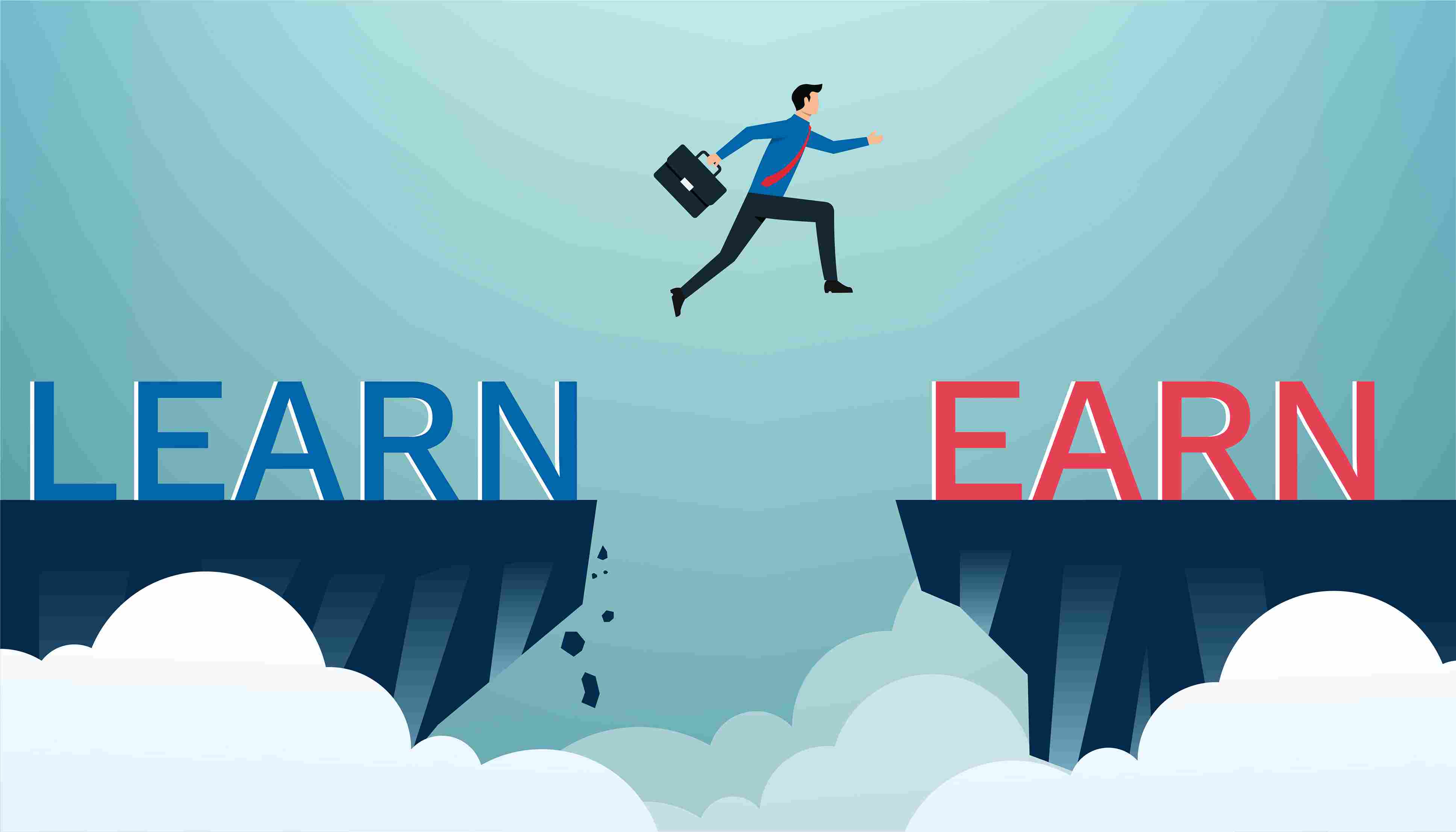
Learning compounds like interest. Knowledge builds perspective. Perspective improves decisions. Better decisions improve outcomes.
Stopping learning freezes your capacity at yesterday’s level while the world keeps moving forward.
The Cost of Staying the Same
Staying the same feels safe, but it’s costly. The market changes. Skills evolve. Opportunities shift. Remaining static in a dynamic world often means falling behind.
Avoiding Responsibility for Your Own Choices
Responsibility can feel heavy, but it’s empowering. Avoiding it might feel easier, but it strips you of control.
When you own your choices, you own your ability to change them. That ownership is where transformation begins.
How Accountability Builds Confidence
Every time you take responsibility and follow through, confidence grows. You begin to trust yourself more.
Avoidance does the opposite. It weakens self-belief and reinforces helplessness.
Turning Awareness Into Change
Awareness alone isn’t enough. Change requires action, however small. The goal isn’t perfection. It’s movement.
Momentum builds confidence, and confidence fuels further action.
A Final Reflection on the Cost of Standing Still
Staying poor isn’t about bad luck alone. It’s often about habits, mindsets, and choices that feel comfortable in the moment but expensive over time. The habits that keep you stuck don’t announce themselves as villains. They arrive dressed as comfort, distraction, patience, and justification.
The good news is that the same quiet power that builds stagnation can build momentum. Small shifts, repeated consistently, reshape direction. Awareness opens the door. Action keeps it open. The future doesn’t demand perfection, just participation.
FAQs
Why do people stay stuck even when they want more?
Because wanting change feels easier than risking discomfort. Fear often disguises itself as patience or logic.
Is comfort always a bad thing?
No. Comfort is healthy in balance. It becomes harmful when it replaces growth and challenge entirely.
Can mindset really affect financial outcomes?
Yes. Mindset influences behavior, and behavior shapes results. It’s not magic, but it matters.
Why does waiting feel safer than acting?
Waiting avoids judgment and failure. Action invites both, but also invites growth.
Is it ever too late to change direction?
No. Time passes whether you act or not. Change simply decides how that time shapes you.