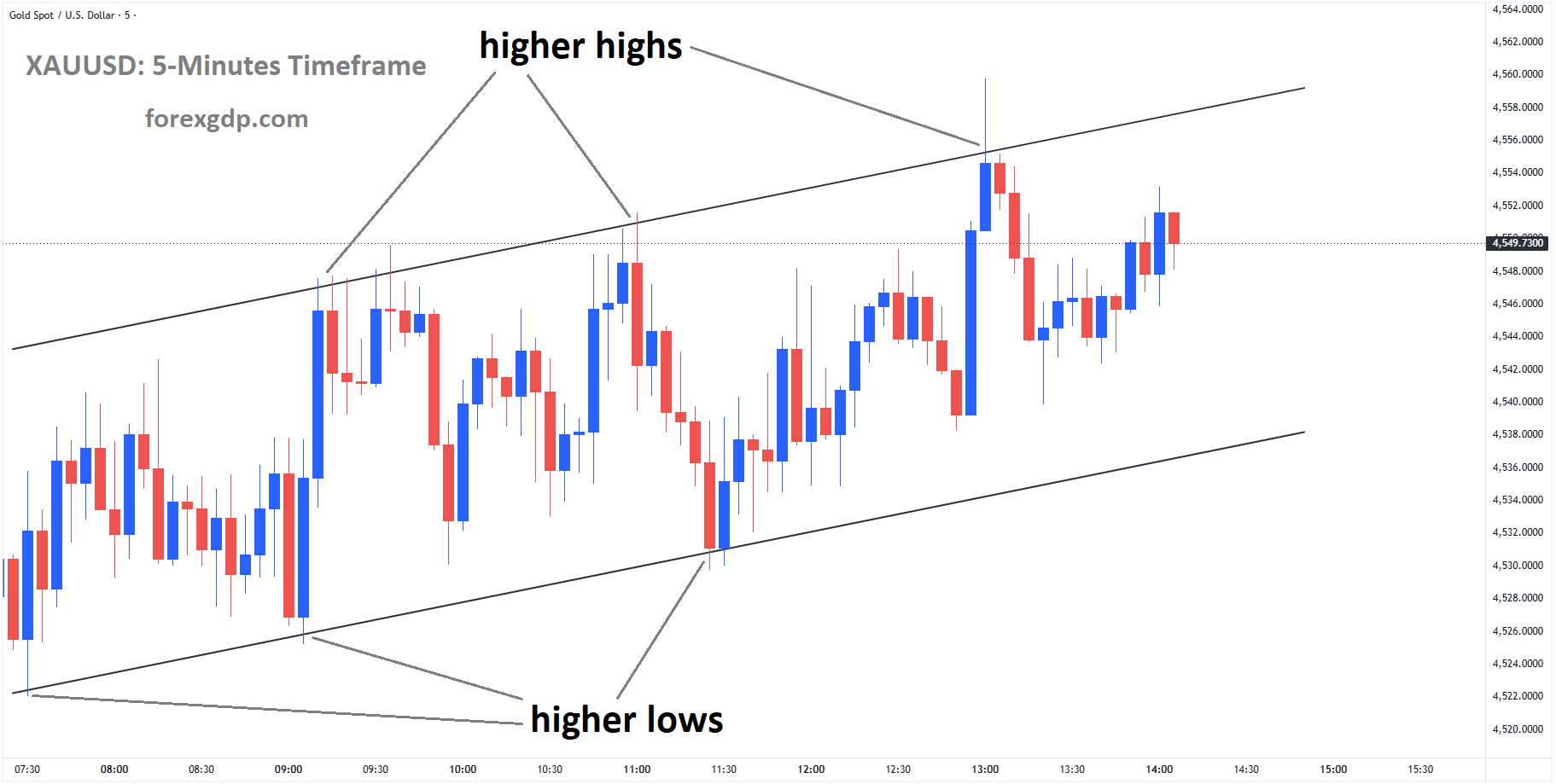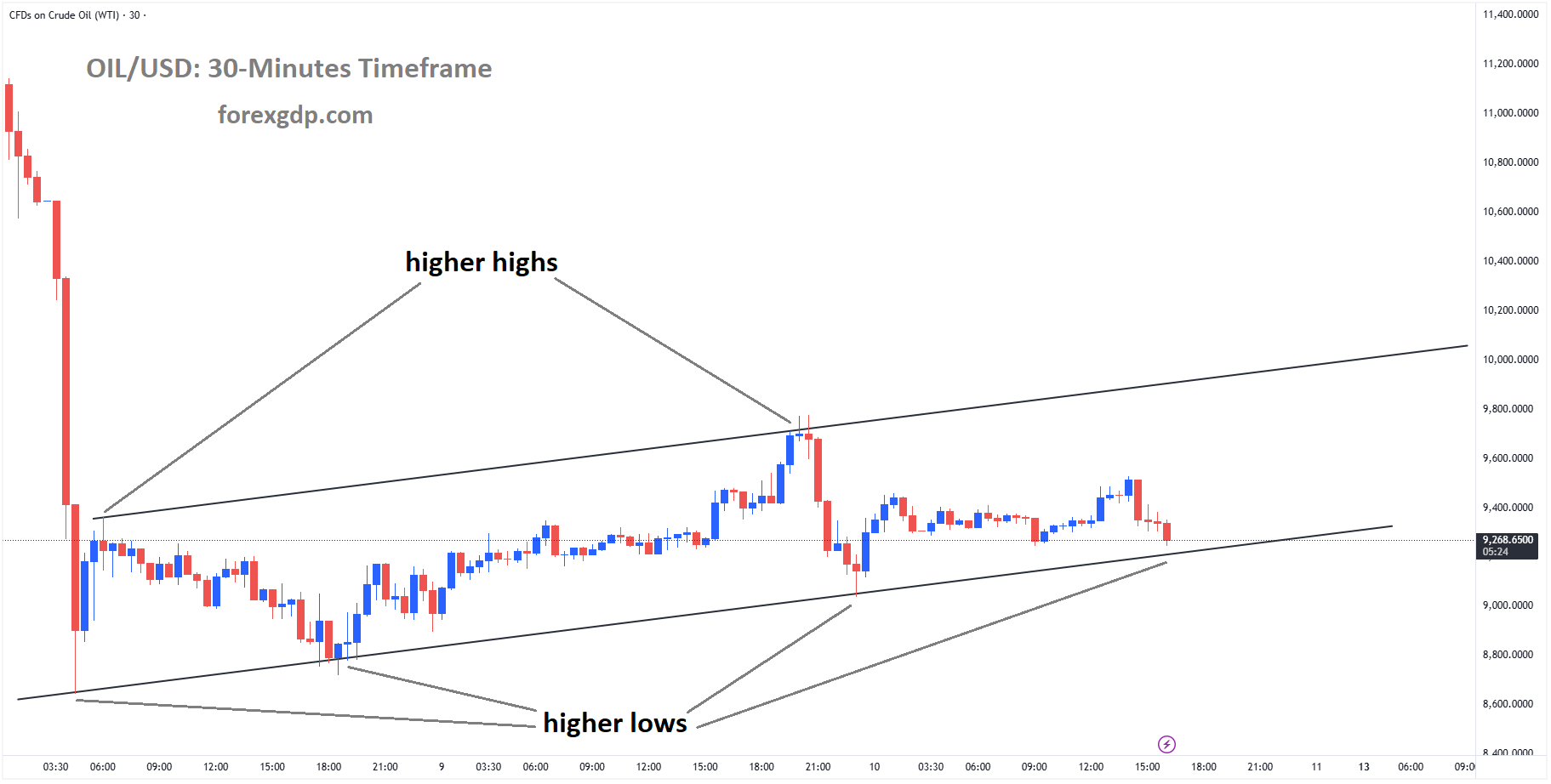
Crude Oil is moving in an uptrend channel.
Oil prices have started to climb again, recovering from recent lows and moving closer to the $93 per barrel mark. This upward movement comes at a time when global energy markets are facing growing uncertainty. Several key developments in the Middle East, especially around the Strait of Hormuz, are creating supply concerns and pushing prices higher.
At the same time, political tensions, fragile ceasefire conditions, and uncertainty around upcoming negotiations are adding more pressure to an already sensitive market. These factors are not only influencing oil prices but also shaping investor sentiment across global financial markets.
Supply Disruptions in the Strait of Hormuz
One of the most important reasons behind the recent rise in oil prices is the situation in the Strait of Hormuz. This narrow waterway is one of the busiest oil transit routes in the world, handling a significant portion of global oil shipments every day. Any disruption in this region has a direct impact on supply and, in turn, on prices.
A Sharp Drop in Ship Traffic
Recent data shows a dramatic decline in the number of ships passing through the Strait of Hormuz. Normally, around 140 vessels move through the strait daily. However, in the last 24 hours, only 12 ships have made the journey. This sharp drop highlights the seriousness of the disruption.
The reduced flow of ships is largely due to increased restrictions and operational challenges in the area. Mines and administrative hurdles have made navigation difficult, effectively creating a blockade-like situation. While not officially declared, the impact is similar to a shutdown, limiting the movement of oil supplies to global markets.
Global Impact of Reduced Supply
When fewer oil shipments reach the market, supply tightens. This creates a gap between supply and demand, pushing prices upward. Countries and companies that rely heavily on oil imports begin to feel the pressure quickly, leading to concerns about energy availability and rising costs.
This situation has made traders and investors more cautious. With uncertainty around how long the disruption will last, many are adjusting their expectations and preparing for continued volatility in oil markets.
Political Tensions Add to Market Uncertainty
Beyond supply issues, political developments in the Middle East are playing a major role in supporting oil prices. The region remains highly sensitive, and even small changes in the political landscape can have significant effects on global energy markets.
Fragile Ceasefire Raises Concerns
A ceasefire involving Iran has been a key point of focus. However, this agreement appears to be unstable, with ongoing tensions threatening to break it at any moment. The uncertainty surrounding the ceasefire is making investors nervous.
Iran has made it clear that it will not participate in any peace talks unless certain conditions are met, including the halt of military actions in nearby regions. This stance adds another layer of complexity to an already delicate situation.
Ongoing Military Activity in the Region
At the same time, military actions continue in parts of the Middle East. Israeli operations targeting Hezbollah have not stopped, even as discussions about peace are being considered. This ongoing conflict increases the risk of further escalation.

Crude Oil reached the retest area of the broken Ascending channel.
Iran has warned of strong responses if its allies are attacked, while reports suggest that missile exchanges have already taken place. These developments are contributing to a tense environment, where the risk of wider conflict cannot be ignored.
Delayed Peace Talks Create More Uncertainty
Peace talks between the United States and Iran were expected to begin soon, but their future is unclear. With both sides holding firm on their positions, there is no guarantee that negotiations will move forward as planned.
The delay or cancellation of these talks could have serious implications. Diplomatic efforts are often seen as a way to reduce tensions, and without them, the risk of conflict increases. This uncertainty is another factor keeping oil prices elevated.
Market Reactions and Investor Sentiment
The combination of supply disruptions and political tensions has created a challenging environment for investors. Oil markets are particularly sensitive to such developments, and recent events have led to noticeable shifts in sentiment.
Investors Turn Cautious
With multiple risks emerging at the same time, investors are becoming more cautious. Many are closely watching developments in the Middle East, knowing that any escalation could lead to further price increases.
This cautious approach is not limited to oil markets. Broader financial markets are also feeling the impact, as energy prices play a key role in global economic stability. Rising oil prices can lead to higher costs for businesses and consumers, affecting overall economic growth.
Focus Shifts to Economic Data

While geopolitical factors are currently dominating the headlines, economic data is also influencing market behavior. One key event is the release of the US Consumer Price Index (CPI), which provides insight into inflation levels.
Expectations suggest that inflation may rise above the target set by the Federal Reserve. If this happens, it could lead to changes in monetary policy, including possible interest rate adjustments. Such decisions can have a wide-ranging impact on markets, including oil.
The Link Between Inflation and Oil Prices
Oil prices and inflation are closely connected. When oil becomes more expensive, transportation and production costs increase, leading to higher prices for goods and services. This creates inflationary pressure across the economy.
Central banks monitor these trends carefully. If inflation rises too quickly, they may take steps to control it, which can influence investment decisions and market dynamics.
The Role of Leadership and Global Responses
Political leaders are also weighing in on the situation, adding to the complexity of the global response. Statements and actions from key figures can influence market expectations and shape the direction of events.
Criticism of Strait Management
There has been criticism regarding how the Strait of Hormuz is being managed. Concerns have been raised about the handling of the situation, with calls for better coordination and adherence to agreements.
Such statements reflect the frustration of countries that depend on stable oil supplies. They also highlight the importance of maintaining open and secure trade routes for global energy needs.
Diplomatic Pressure and Strategic Interests
Countries involved in the region have their own strategic interests, which can sometimes conflict. Diplomatic pressure is being applied from various sides, but finding a common ground remains challenging.

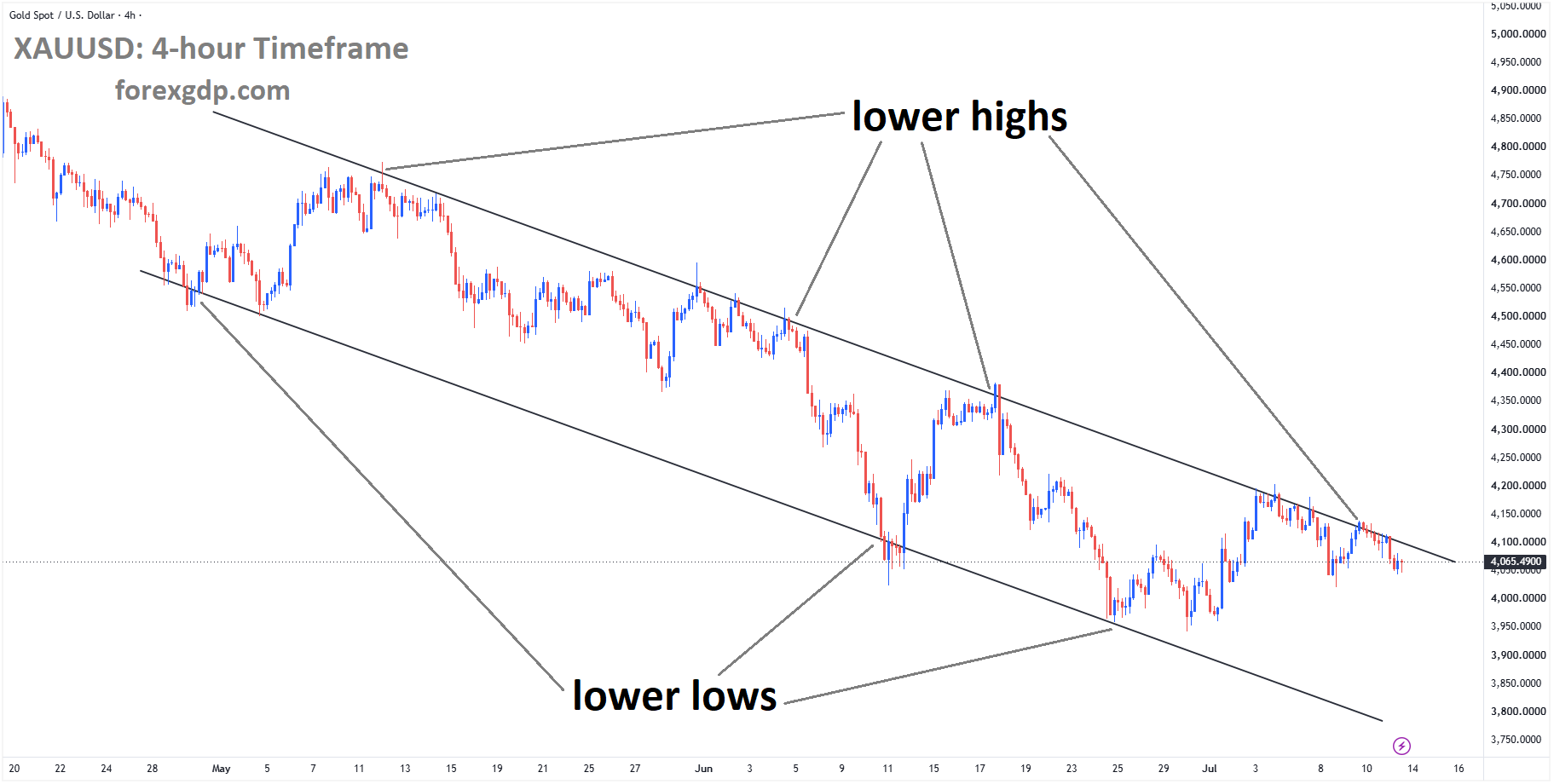
Crude Oil is moving in a descending channel, and the market has fallen from the lower high area of the channel.
The outcome of these efforts will play a significant role in determining the future of oil prices. A peaceful resolution could ease tensions and stabilize markets, while continued conflict could lead to further disruptions.
Summary
Oil prices are rising again as a result of multiple interconnected factors. The sharp reduction in ship traffic through the Strait of Hormuz has created supply concerns, while ongoing political tensions in the Middle East are adding to market uncertainty.
The fragile nature of the ceasefire involving Iran, combined with continued military activity and unclear prospects for peace talks, is keeping investors on edge. At the same time, economic factors like inflation data are influencing broader market sentiment.
Together, these developments are shaping the current landscape of the oil market. As the situation evolves, global attention remains focused on both geopolitical events and economic signals, with the understanding that any major change could quickly impact oil prices and the wider economy.