
The Federal Reserve is approaching one of its most important policy decisions in years as officials consider raising interest rates for the first time since 2023. Persistent inflation, rising global borrowing costs, stronger consumer activity, and new pressure from energy and trade disruptions have pushed the central bank toward tighter monetary policy.
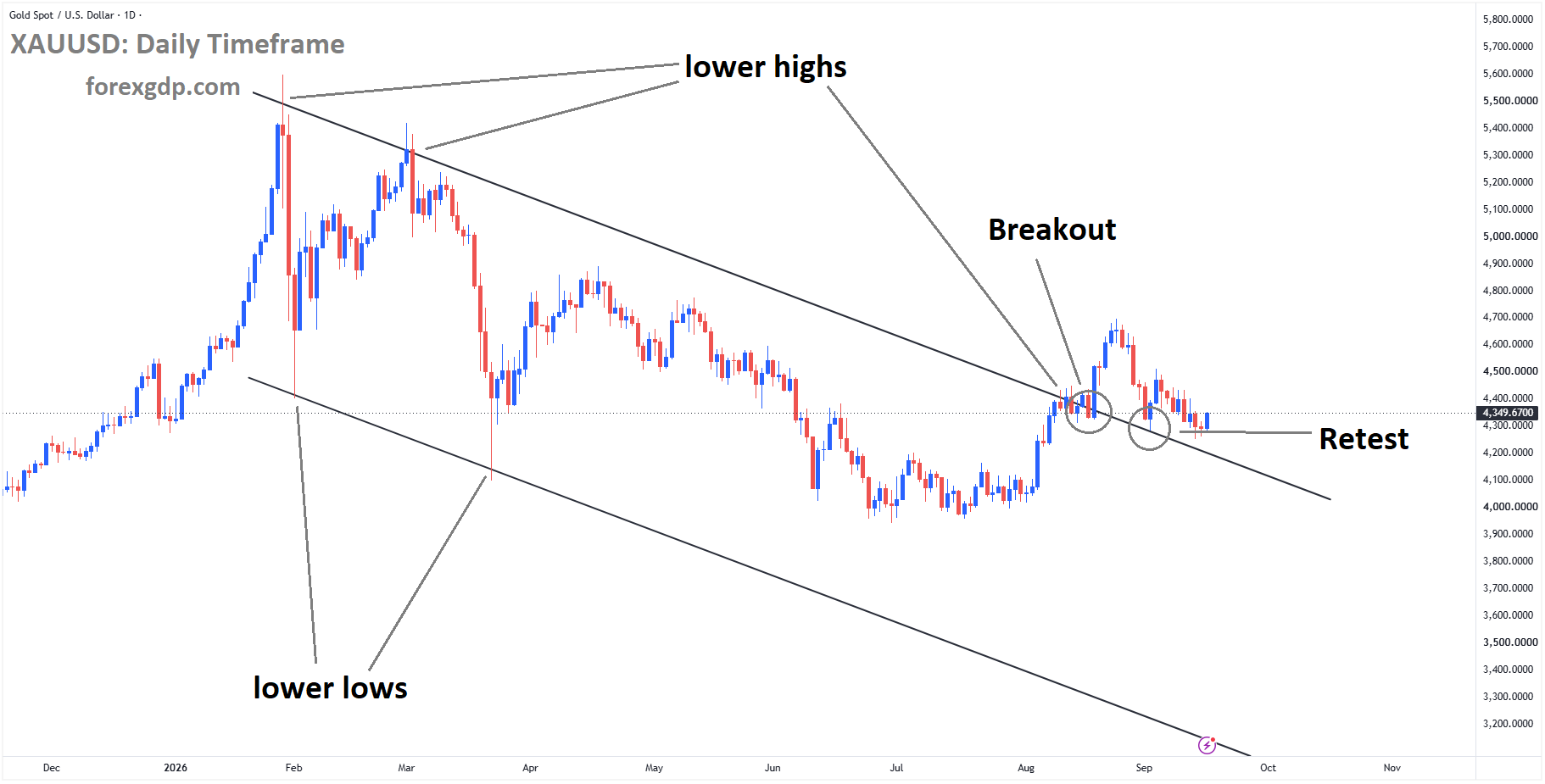
XAUUSD reached the retest area of the broken descending channel
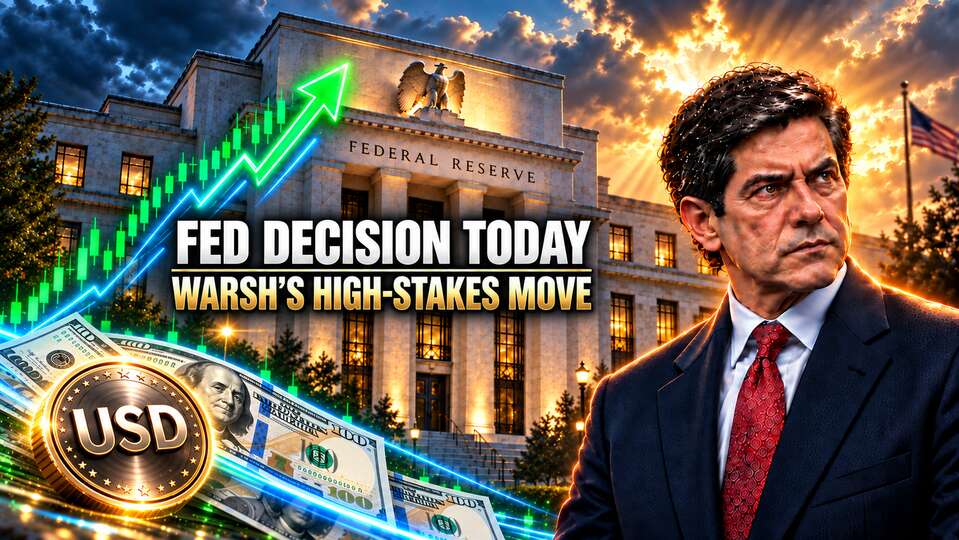
A quarter-point increase is widely expected. Such a move would represent a major change in direction after a long period without an increase. It would also be the first adjustment of this kind under Federal Reserve Chairman Kevin Warsh, who took charge of the central bank earlier this year.
The decision will immediately place Warsh under intense scrutiny. Investors, economists, lawmakers, businesses, and consumers will not only focus on whether the Fed raises rates. They will also examine how Warsh explains the decision and what he says about the months ahead.
The challenge is especially sensitive because President Donald Trump selected Warsh while publicly calling for lower borrowing costs. Trump has repeatedly argued that the United States should have much lower interest rates, saying that expensive credit hurts the economy, raises government debt costs, and places the country at a disadvantage.
However, the Federal Reserve has a different responsibility. Its officials are expected to make decisions based on inflation, employment, and the broader economy rather than the preferences of the White House. If the Fed raises rates despite the president’s demands, Warsh will demonstrate that the central bank is prepared to act independently when economic conditions require it.
That independence could soon be tested more severely than at any point since Warsh became chairman.
Inflation Remains the Fed’s Central Problem
Inflation has stayed above the Federal Reserve’s 2% goal for more than five years. Although price growth has slowed from the extreme levels seen after the pandemic, it has not returned to a pace that officials consider stable.
The Fed’s preferred inflation measure, the Personal Consumption Expenditures Price Index, showed annual inflation running well above the central bank’s target during the summer. Other recent reports have also suggested that price pressures remain widespread.
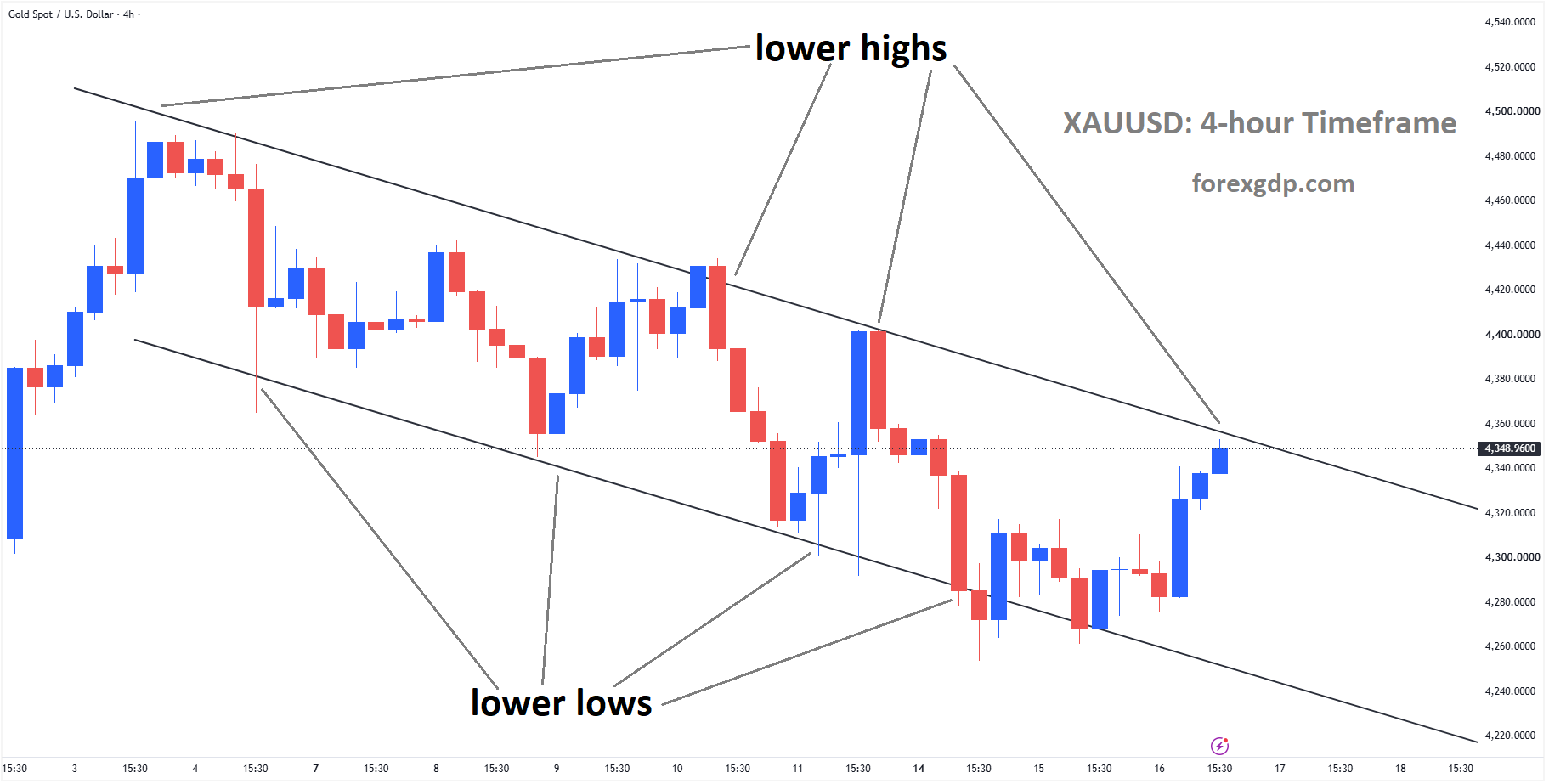
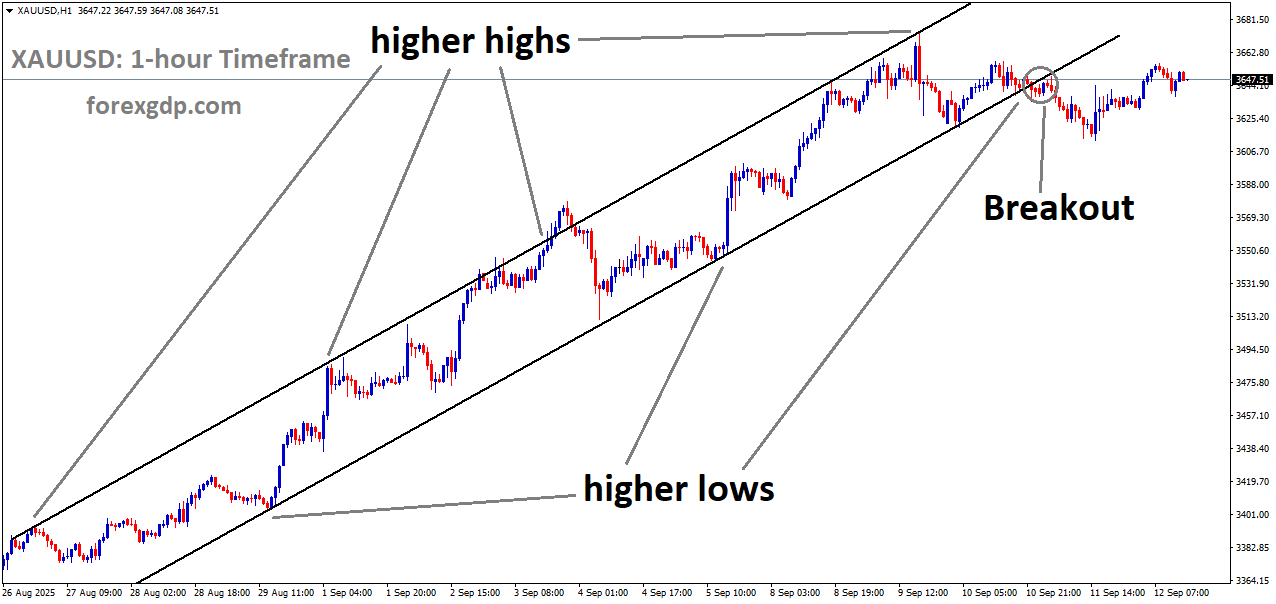
XAUUSD is moving in a descending channel
This matters because prolonged inflation can gradually become built into household decisions, business contracts, wage demands, and corporate pricing strategies. When consumers and companies begin to expect prices to keep rising, inflation can become more difficult to control.
Federal Reserve officials therefore need evidence that inflation is moving toward the target in a clear and lasting way. A few encouraging reports would not necessarily be enough. Policymakers want to see steady improvement across several parts of the economy.
Warsh expressed that concern during his speech at the Jackson Hole economic symposium. He indicated that officials still had work to do and said recent information did not show a meaningful improvement in underlying inflation trends.
That language prepared the public for the possibility of tighter policy. It also showed that Warsh may be willing to raise rates even though the president who appointed him wants the opposite.
Several major forces are now making the inflation outlook more difficult.
Energy Disruptions Are Adding to Price Pressures
Rising energy costs have become one of the clearest threats to the inflation outlook. Conflict in the Middle East has disrupted expectations for global energy supplies and increased uncertainty about future production and transportation.
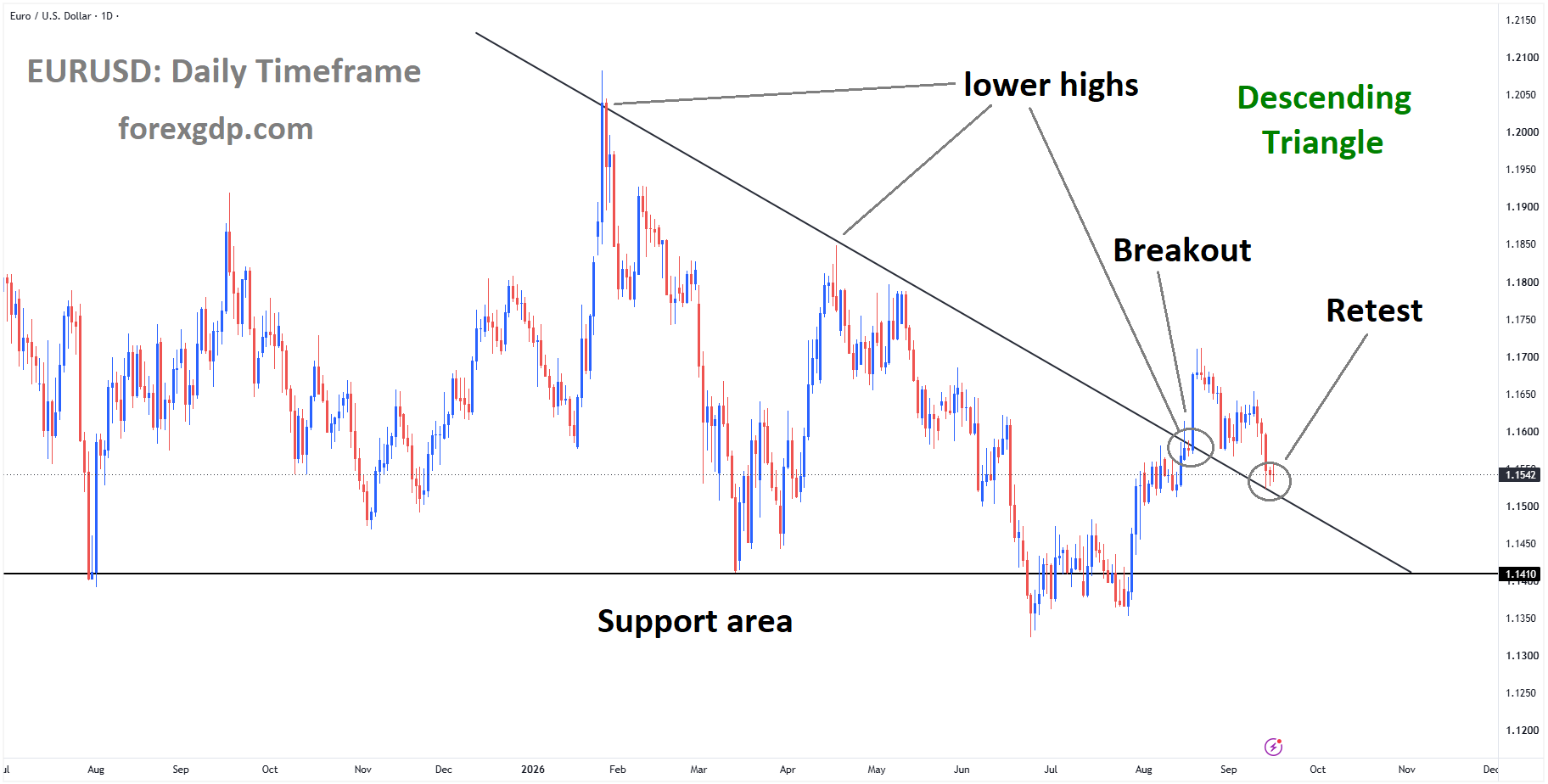
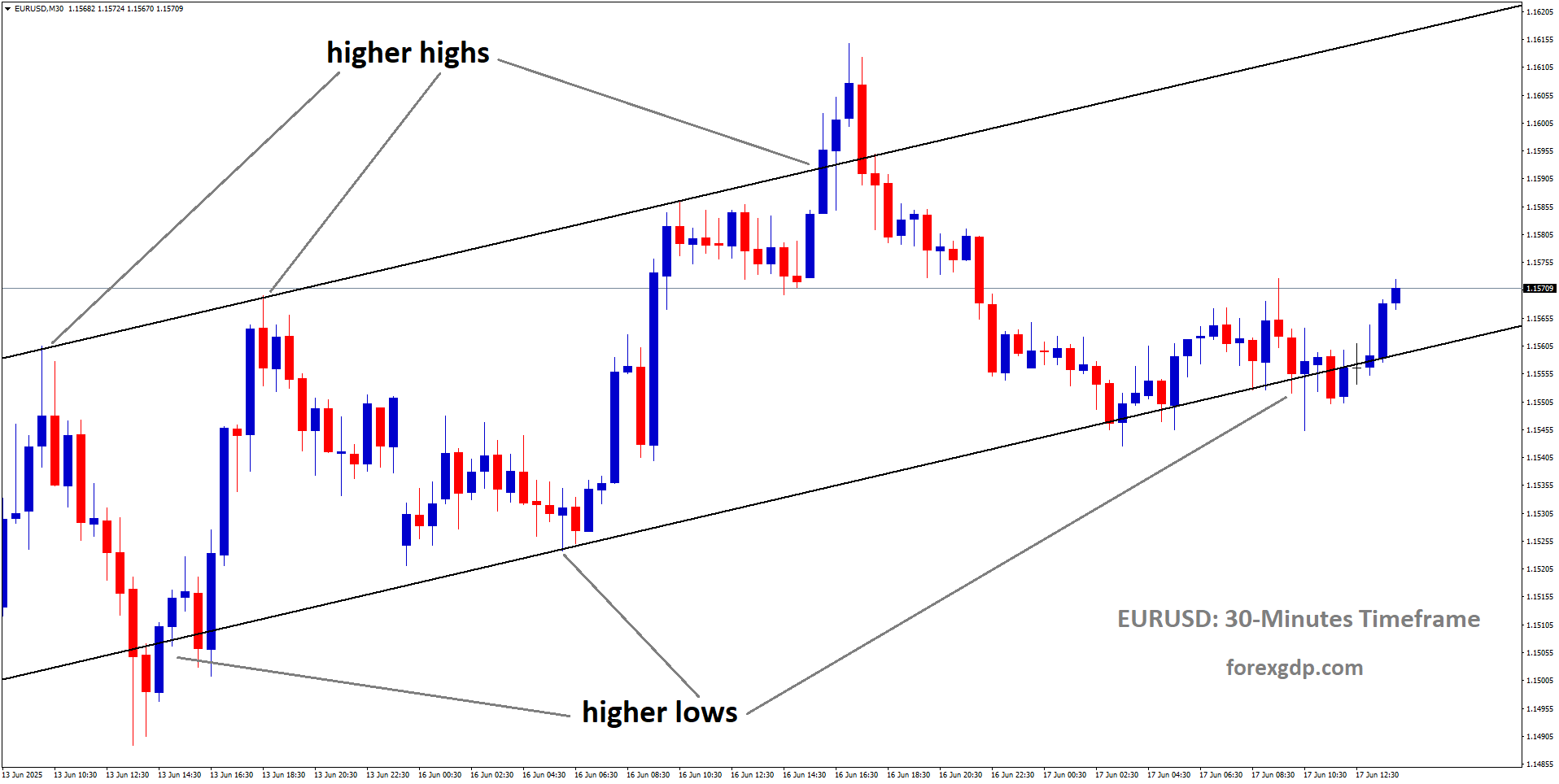
EURUSD reached the retest area of the broken descending triangle pattern
Energy costs affect far more than drivers at the fuel pump. Businesses need fuel to move goods, operate machinery, heat buildings, and support manufacturing. Airlines, shipping companies, farms, delivery services, and construction firms are especially sensitive to changes in energy expenses.
Diesel costs are particularly important because trucks transport a large share of the goods purchased by American households and businesses. When transportation becomes more expensive, companies often try to recover at least part of the additional expense through higher prices.
Farmers also depend heavily on fuel for tractors, harvesting equipment, and transportation. Higher operating costs can eventually affect food prices, especially when combined with poor weather, labor shortages, or supply disruptions.
The Fed cannot produce oil or resolve geopolitical conflicts. Raising interest rates will not directly increase energy supplies. However, officials may still respond if higher energy costs begin spreading into the broader economy.
A temporary energy shock does not always justify tighter monetary policy. The situation becomes more serious when businesses raise prices across many categories or workers demand larger wage increases to maintain their purchasing power. That can turn a short-lived disruption into a longer inflation cycle.
Fed officials must decide whether current energy pressures are likely to fade naturally or become a more permanent source of rising costs.
Tariffs and Trade Tensions Complicate the Outlook
The Trump administration’s trade policies are another major concern. New tariffs on imported goods can raise costs for American businesses, especially those that depend on foreign materials, machinery, parts, or finished products.
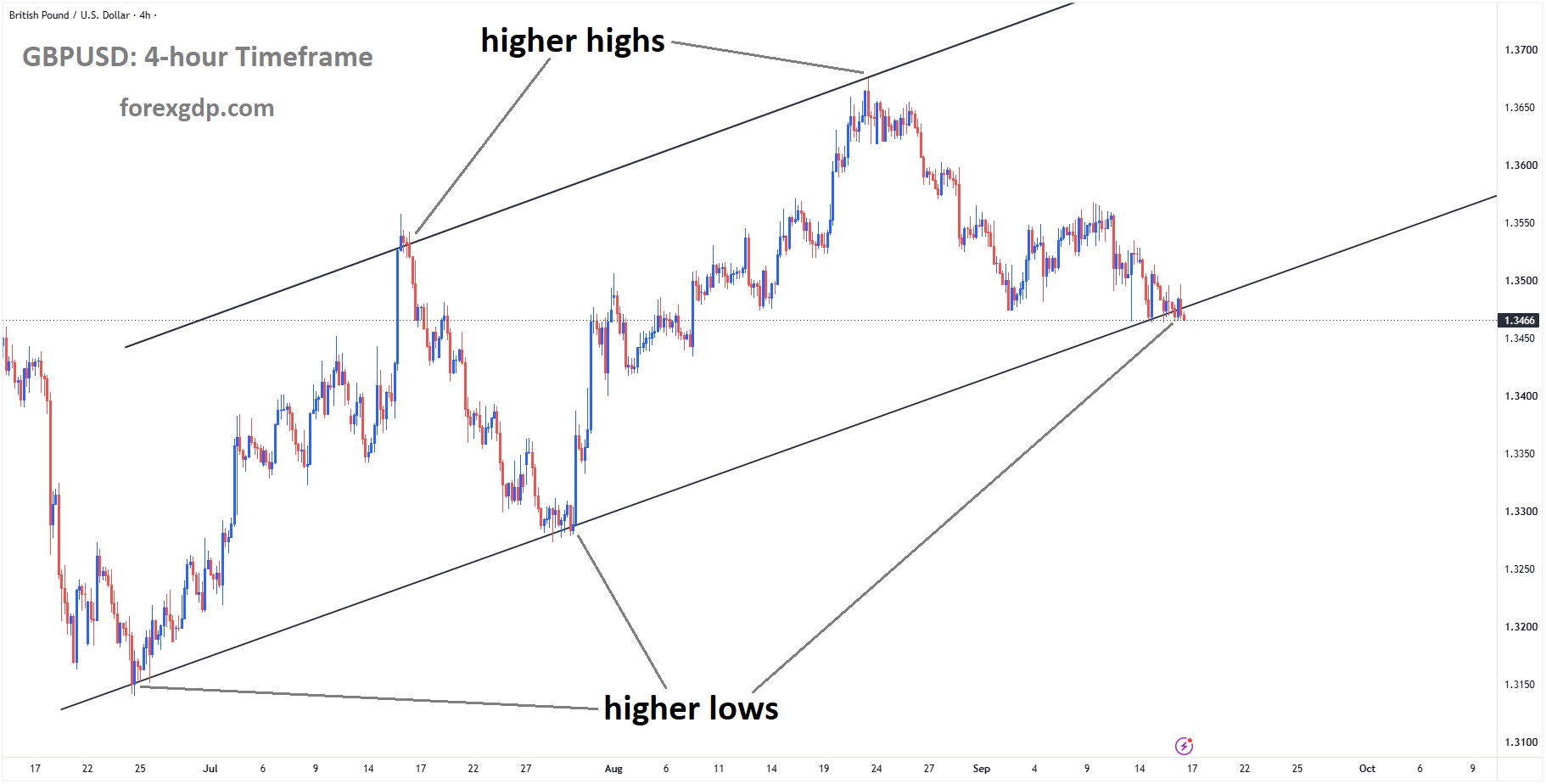
GBPUSD reached the higher low area of the ascending channel
Canada is one of the United States’ most important trading partners and a major supplier of energy, metals, building materials, vehicles, and agricultural products. An extended trade dispute could affect a wide range of supply chains.
Companies facing higher import costs have several choices. They can accept lower profit margins, find different suppliers, reduce production, or pass the additional expense to customers. In many cases, businesses use a combination of these options.
Changing suppliers is not always easy. Companies may need to test new materials, negotiate contracts, obtain regulatory approval, or redesign products. Those adjustments require time and money. Even when firms eventually move production, the transition itself can create shortages and delays.
Further tariff threats add another layer of uncertainty. Businesses may order goods earlier than planned, build larger inventories, or delay investment while waiting for clearer rules. These reactions can disrupt normal demand and make inflation data harder to interpret.
Economists remain divided over how lasting the inflationary effect of tariffs will be. Some believe they mostly create a one-time increase in prices. Others warn that repeated rounds of tariffs, retaliation, and supply-chain changes could keep inflation elevated for much longer.
The Federal Reserve must make decisions before the full effect becomes visible. Waiting too long could allow inflation to strengthen. Acting too quickly could weaken the economy in response to pressures that might have disappeared without intervention.
Artificial Intelligence Spending Is Reshaping the Economy
The rapid expansion of artificial intelligence has become another important part of the Fed’s debate. Technology companies are investing enormous amounts in data centers, computer equipment, energy infrastructure, software, and specialized workers.
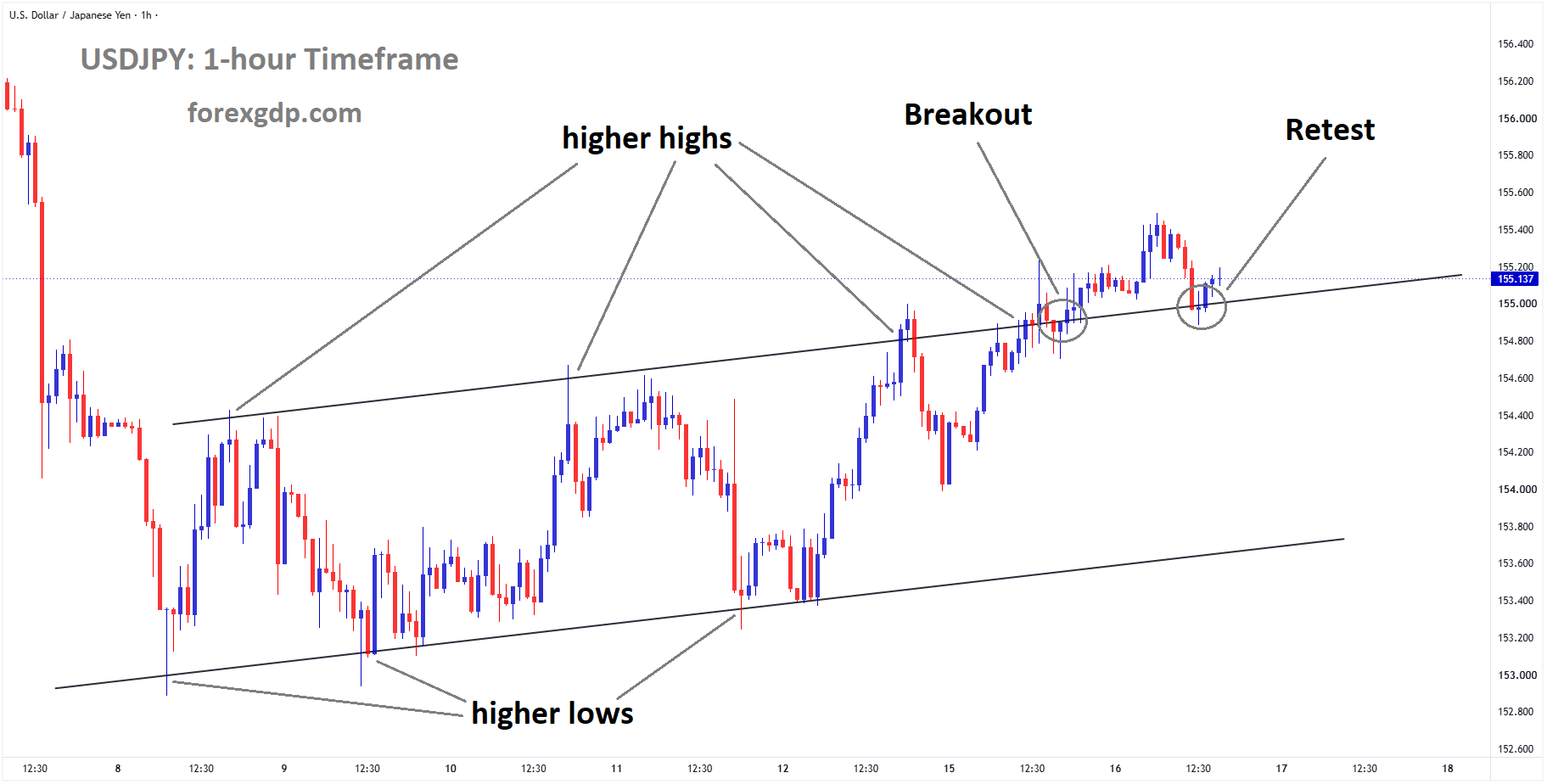
USDJPY reached the retest area of the broken ascending channel
This investment has supported economic growth and helped corporate profits. It has also increased demand for advanced chips, servers, cooling systems, power-generation equipment, construction materials, and skilled labor.
In some areas, supply has struggled to keep pace. Technology-related products and services have experienced unusually strong cost increases as companies compete for limited equipment and infrastructure.
The AI expansion creates an unusual challenge for monetary policy. Business investment is generally positive because it can improve productivity and create new industries. If artificial intelligence allows workers and companies to produce more efficiently, it could eventually reduce costs and strengthen long-term economic growth.
In the shorter term, however, the spending boom may contribute to inflation. Companies are borrowing money, building facilities, and purchasing equipment at a rapid pace. That additional demand can place pressure on already stretched supply chains.
AI investment has also become an increasingly important source of overall economic growth. This means headline growth figures may appear strong even when many households and traditional industries feel less secure.
The Fed must determine whether the AI boom is creating sustainable improvements in productivity or simply adding too much demand to an economy already struggling with inflation.
Warsh Faces a Test of Federal Reserve Independence
The expected rate increase could create a direct conflict between Warsh and Trump. The president nominated Warsh with the expectation that he would support lower rates. Instead, the new chairman may now oversee the first increase in more than three years.
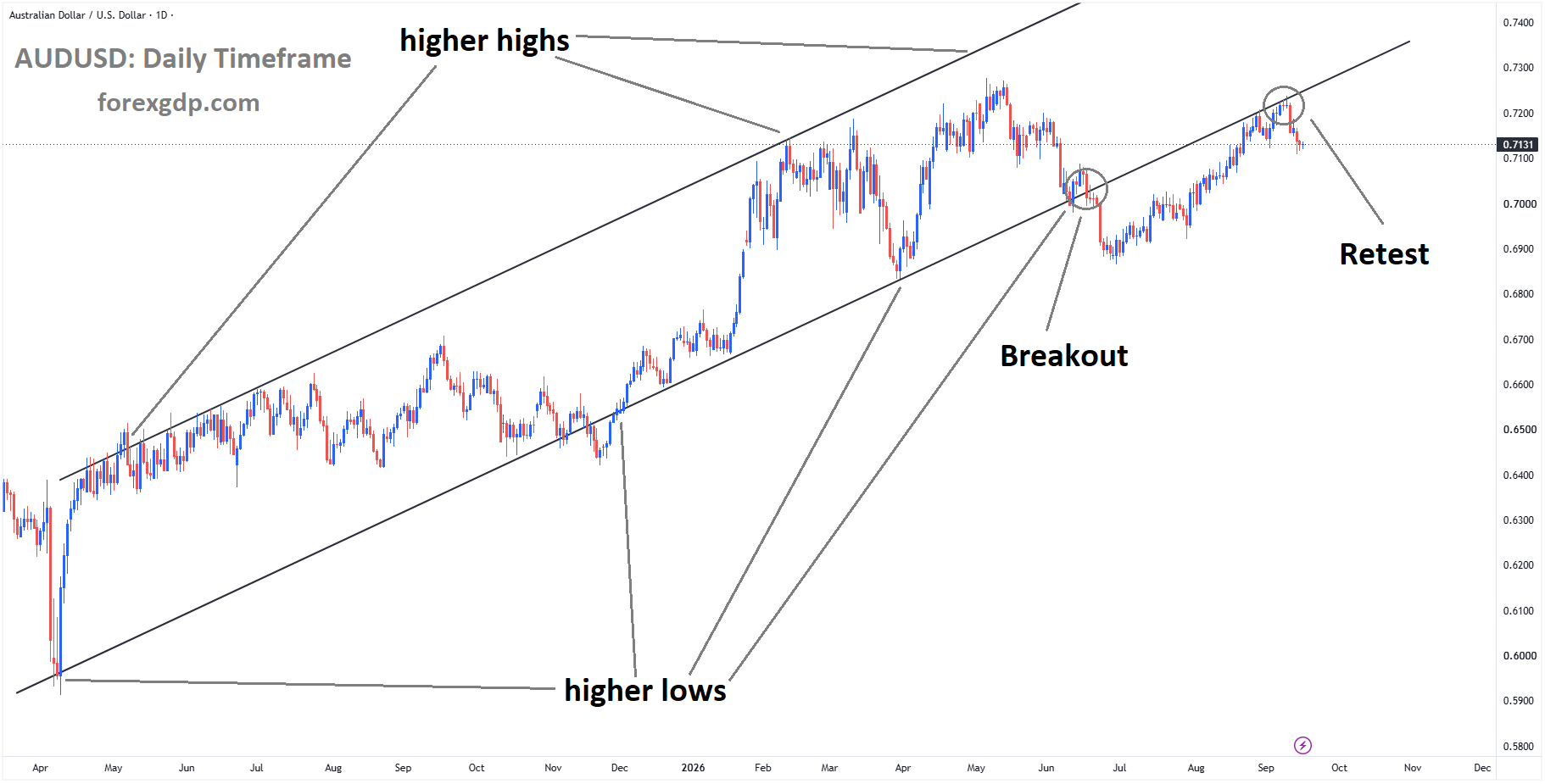
AUDUSD is falling from the retest area of the broken ascending channel
Trump has become increasingly vocal about monetary policy. He has argued that lower rates would reduce government financing costs, help households, encourage business investment, and strengthen the country’s competitive position.
He has also suggested that the Fed’s leadership is politically motivated. More recently, he threatened additional tariffs if the central bank failed to reduce borrowing costs.
These statements have revived concerns about Federal Reserve independence. The central bank was designed to make policy decisions without direct political control because fighting inflation often requires unpopular actions.
Higher interest rates can slow the economy, weaken hiring, reduce demand, and make credit more expensive. Elected officials generally have strong reasons to oppose those effects, particularly before an election.
However, keeping rates too low when inflation is elevated can create even greater problems. Households lose purchasing power, businesses face planning difficulties, and lenders demand more compensation for uncertainty. If inflation becomes deeply established, the Fed may later need to take much stronger action.
Warsh’s response will therefore shape public confidence in the institution. A clearly explained decision supported by other Fed officials would show that the central bank remains focused on its legal responsibilities.
A divided decision or a hesitant explanation could have the opposite effect. It might encourage doubts about whether officials are responding to economic evidence or political pressure.
The Message Could Matter as Much as the Decision
Because a quarter-point increase is broadly expected, attention will quickly turn to Warsh’s press conference and the Fed’s updated economic projections.
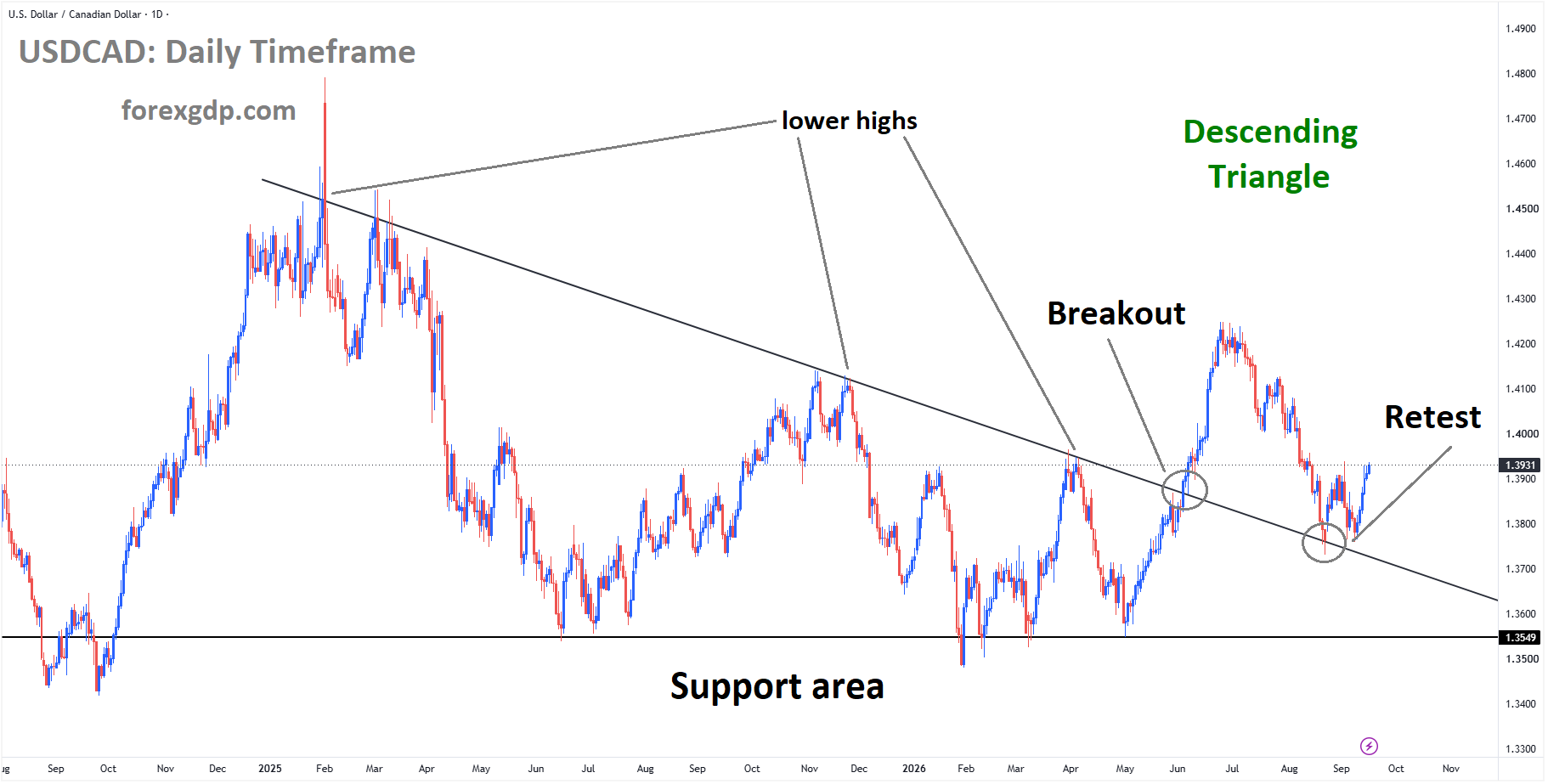
USDCAD is rebounding from the retest area of the broken descending triangle pattern
Officials will publish new estimates covering inflation, economic growth, unemployment, and the likely direction of policy. These forecasts will offer clues about whether policymakers see the increase as an isolated adjustment or the beginning of a longer campaign.
Earlier projections showed officials divided over the need for tighter policy. Some believed rates would have to rise, while others thought they could remain unchanged or eventually move lower. Recent developments may have shifted that balance.
A unanimous vote to increase rates would send a powerful signal. It would suggest that officials with different economic views agree inflation has become serious enough to require action.
Warsh will need to explain the decision without making promises that could later become inappropriate. He has said he does not want to provide excessive guidance about future rate moves. Instead, he wants officials to study new information and debate the evidence at each meeting.
That approach gives the Fed flexibility, but it also creates communication risks. Investors and businesses prefer some idea of what may happen next because interest-rate expectations influence lending, investment, hiring, and financial planning.
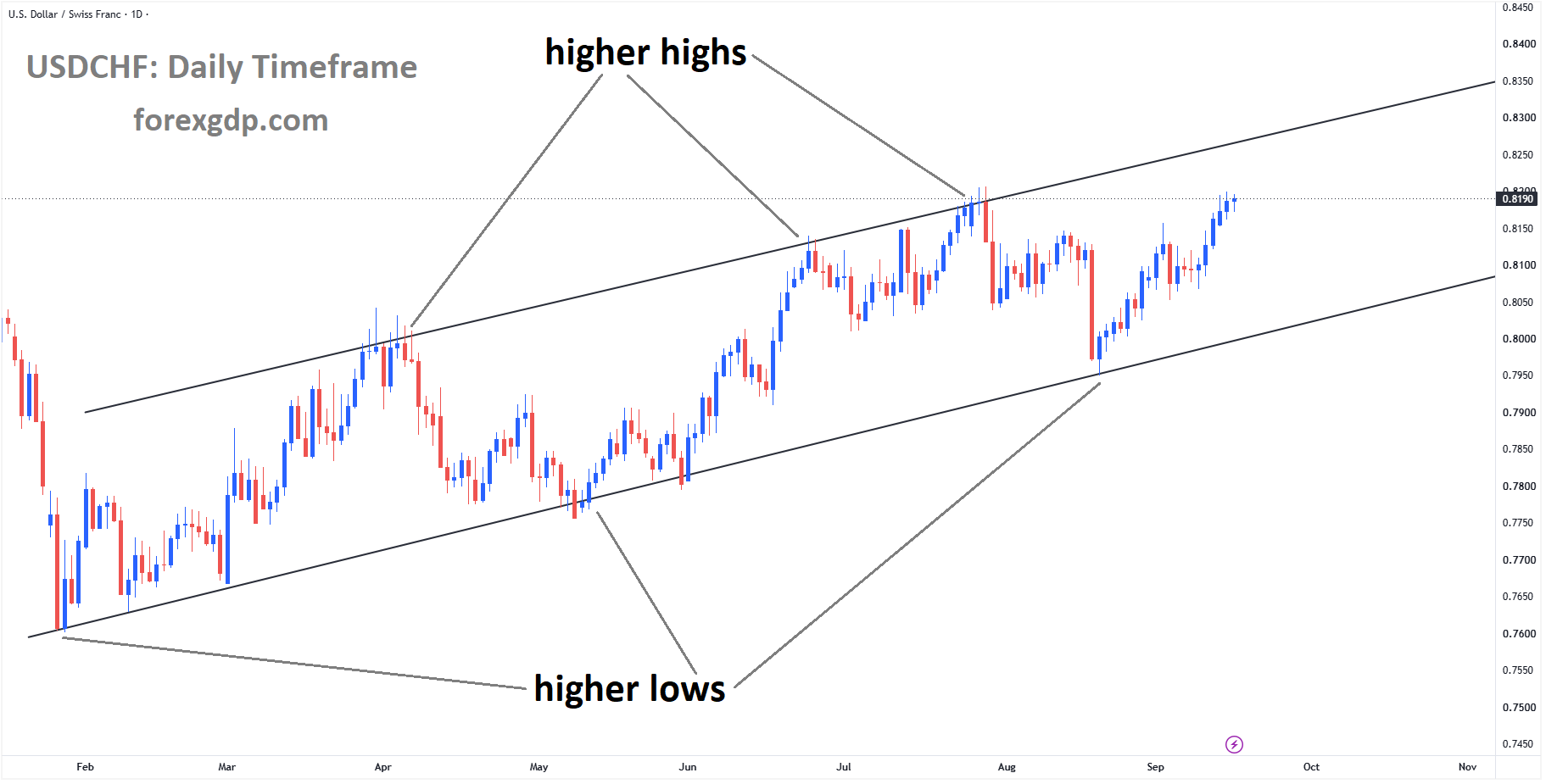
USDCHF is rebounding from the higher low area of the ascending channel
If Warsh describes the increase as a minor adjustment, people may conclude that the Fed is not fully committed to controlling inflation. If he strongly suggests that several more increases are coming, borrowing conditions could tighten quickly and place unnecessary pressure on the economy.
His task is to show determination without pretending that the future is certain.
Global Bond Markets Are Increasing the Pressure
Borrowing costs have already moved higher across global bond markets. Long-term government borrowing costs in the United States have reached levels not seen in many years, adding pressure to mortgages, corporate loans, and other forms of credit.
Long-term borrowing costs are influenced by several forces, including inflation expectations, government debt, economic growth, and confidence in monetary policy.
When investors believe inflation will remain elevated, they usually demand greater compensation for lending money over long periods. Concerns about large government deficits and heavy debt issuance can add further pressure.
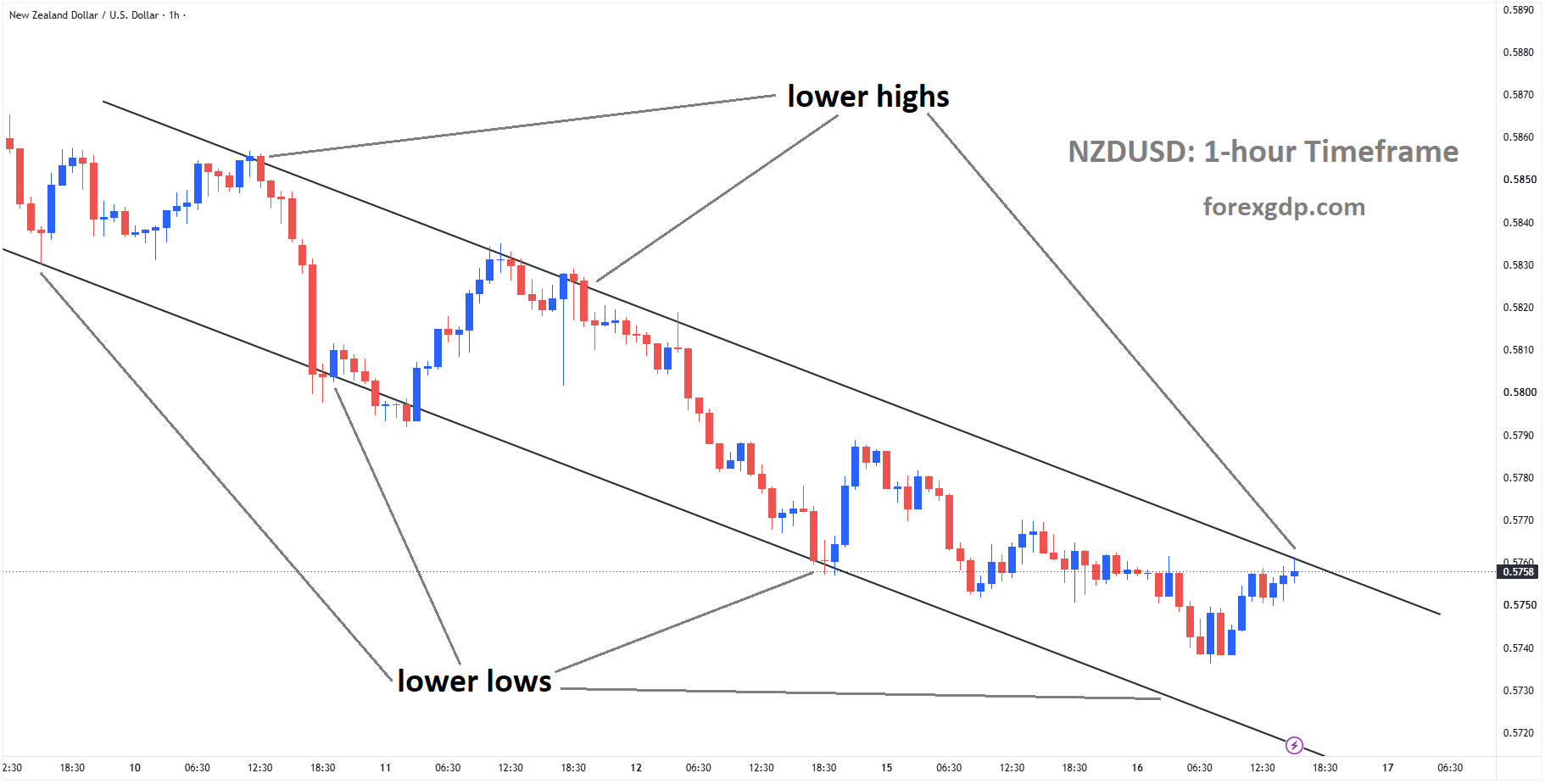
NZDUSD reached the lower high area of the descending channel
This creates a difficult situation for the Fed. Refusing to increase its policy rate would not guarantee that borrowing becomes cheaper. If investors viewed a decision to hold rates steady as evidence of weak inflation discipline, long-term borrowing costs could rise even further.
That possibility may explain why some members of the Trump administration could quietly accept a Fed increase even while publicly supporting lower rates. A credible effort to control inflation might help prevent a more damaging loss of confidence.
The bond market has effectively tightened financial conditions before the central bank has acted. Households and companies are already facing more expensive credit, which may gradually reduce demand.
Fed officials must decide how much additional tightening is needed when financial markets are already doing part of the work.
Higher Rates Would Affect Households Unevenly
An increase in the federal funds rate does not affect every household immediately. Its impact spreads through the economy over time.
Credit cards and other variable-rate debts can become more expensive relatively quickly. Car loans, business credit, and some personal loans may also become harder to obtain or repay.
Mortgage costs depend more heavily on long-term bond conditions than on a single Fed decision. Still, a prolonged period of tighter policy can make housing less affordable by keeping financing costs elevated.
People with savings may benefit from higher returns on certain deposit accounts and fixed-income products. Borrowers, by contrast, generally face additional pressure.
The burden is especially difficult for households already carrying large balances. A growing share of Americans has fallen behind on mortgage and vehicle payments, indicating that financial stress is spreading even before another Fed increase.
Consumer confidence is also extremely weak. Many households remain frustrated by the cumulative rise in the cost of food, housing, transportation, insurance, and other necessities.
Inflation reports measure how quickly prices are changing, not whether earlier increases have been reversed. Therefore, even if inflation slows, families may continue to feel that everyday life is unaffordable.
Slower wage growth adds to the strain. When pay increases fail to keep up with inflation, workers lose purchasing power. They may reduce optional spending, use more credit, or delay major purchases.
Higher rates could deepen that slowdown.
The Labor Market Is Stable but Shows Warning Signs
The job market remains strong enough to give the Fed room to act. Employment growth improved recently, while unemployment has stayed relatively low.
However, the overall picture is more complicated than the headline figures suggest.
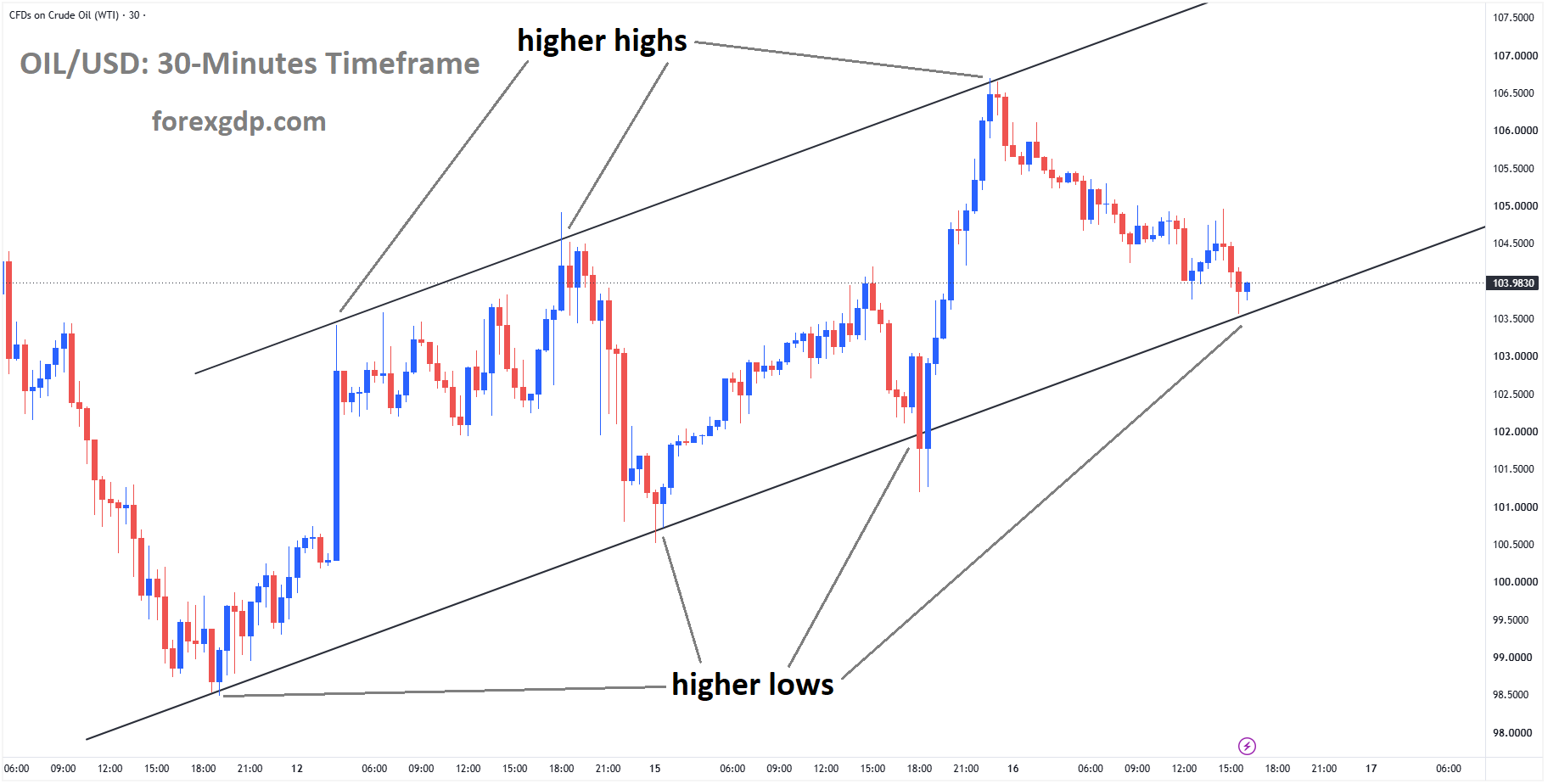
Crude Oil is moving in an ascending channel, and the market has reached the higher low area of the channel
More Americans are experiencing long periods without work, which can create lasting financial and professional damage. People who remain unemployed for many months may lose skills, exhaust savings, accumulate debt, or struggle to return to jobs matching their experience.
Hiring conditions also vary sharply by industry. Technology investment and data-center construction may be expanding while other parts of the economy weaken. A labor market supported by a limited number of fast-growing sectors may be less secure than it appears.
Economists such as Mark Zandi have warned that controlling inflation through higher rates could require growth to fall below its normal potential. That process can lead to layoffs and rising unemployment.
Once job losses begin spreading, they can reinforce themselves. Unemployed workers spend less, businesses lose customers, companies reduce investment, and more employers cut staff. The result can be a broader downturn.
One rate increase is unlikely to create that outcome by itself. The greater danger would emerge if the Fed continues raising rates because inflation refuses to fall.
History shows that central banks rarely make only one increase after deciding inflation requires tighter policy. This is why the path after the first move matters so much.
The Risk of Doing Too Much or Too Little
The Federal Reserve is caught between two serious dangers.
If officials do too little, inflation could remain high or accelerate. Continued price increases would reduce household purchasing power and damage confidence in the Fed. The central bank might then need to raise rates more aggressively later.
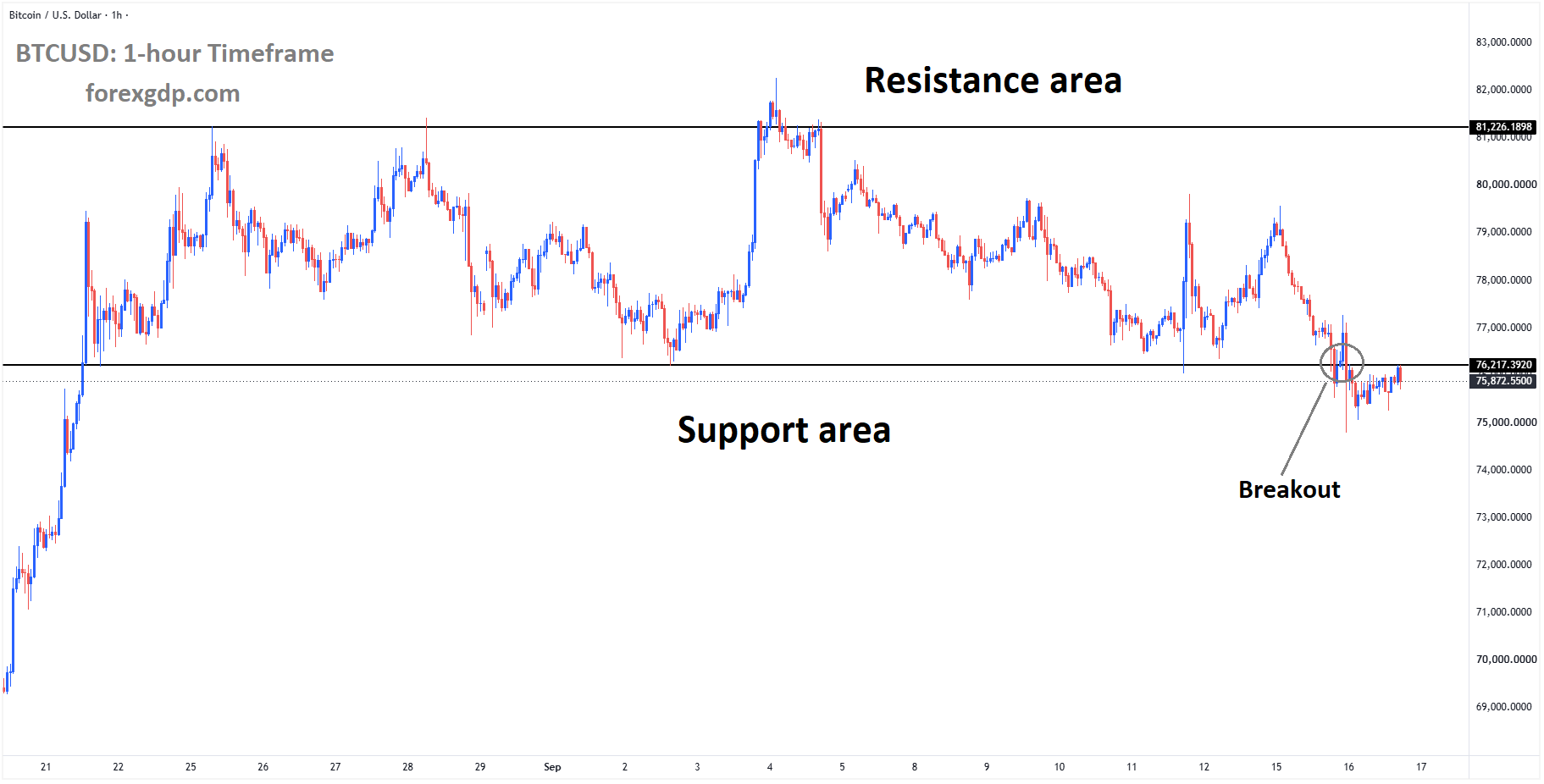
BTCUSD has broken the box pattern on the downside
If officials do too much, they could weaken spending, investment, housing, and hiring. The economy is still growing, but signs of household stress suggest it may not absorb repeated increases easily.
The timing of monetary policy makes the decision even harder. Interest-rate changes usually take months to produce their full effect. By the time officials see clear evidence of weakening demand, the economy may already be slowing more than intended.
Some economists argue that the Fed should wait for more information. They believe tariff-related inflation and energy disruptions could ease without additional action. From that perspective, delaying a decision would carry limited risk and allow officials to separate temporary pressures from lasting inflation.
Others believe waiting would damage the Fed’s credibility. Inflation has been above target for years, the economy is still expanding, consumer demand remains active, and investment in artificial intelligence continues to support growth. Those conditions suggest the central bank has room to act.
Both arguments contain genuine risks. The disagreement is not simply about whether inflation is too high. It is about which policy mistake would cause greater harm.
Businesses Must Prepare for Continued Uncertainty
Companies will be watching the Fed’s decision for clues about financing, consumer demand, and future investment.
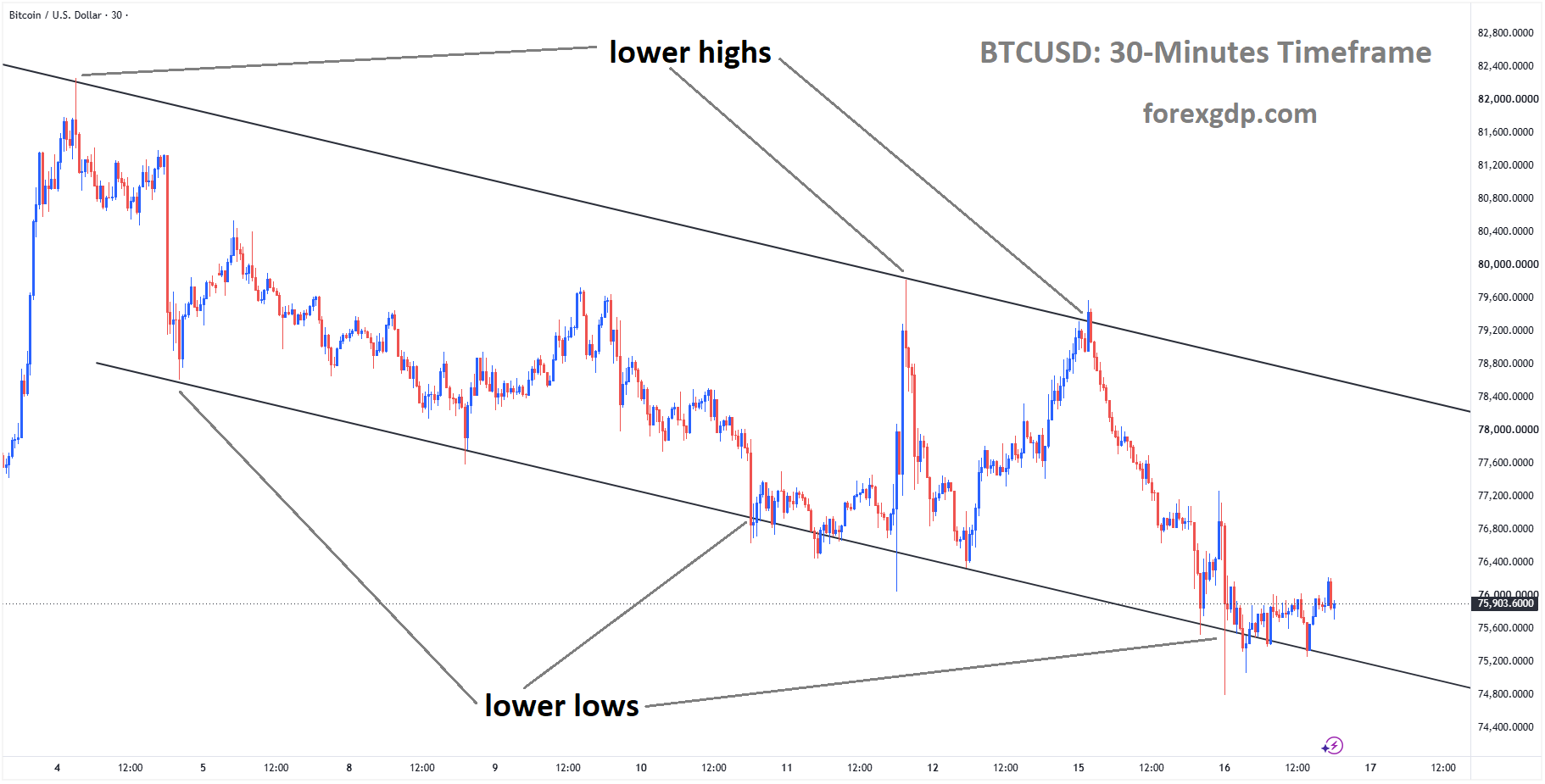
BTCUSD is moving in a descending channel, and the market has rebounded from the lower low area of the channel
Small businesses are especially exposed to higher borrowing costs because they often depend on bank loans, credit lines, and personal credit. If financing becomes more expensive, some may delay hiring, equipment purchases, or expansion.
Larger companies generally have more financing options, but they are not protected from tighter conditions. Corporations with heavy debt may need to refinance at higher rates, placing pressure on profits.
Businesses must also manage uncertain input costs caused by tariffs, energy disruptions, and supply constraints. Passing every increase to customers may not be possible if consumer demand is weakening.
Technology companies face their own difficult choices. AI investment remains central to their growth plans, yet the cost of financing massive infrastructure projects could rise. Companies with strong profits and large cash reserves may continue spending, while more debt-dependent firms could scale back.
These differences may widen the gap between the strongest corporations and smaller competitors.
Summary
The Federal Reserve’s expected interest-rate increase would mark its first hike since 2023 and a defining early test for Chairman Kevin Warsh. Inflation remains above the central bank’s goal, while energy disruptions, tariffs, supply-chain pressure, and rapid AI investment have increased the risk of further price growth.
Warsh must balance economic evidence against intense political pressure from President Donald Trump, who selected him while calling for lower borrowing costs. Raising rates would demonstrate the Fed’s independence, but it could also trigger a public conflict with the White House.
The decision itself is only part of the story. Investors, businesses, and households will focus closely on the Fed’s forecasts and Warsh’s explanation of what may happen next. A single increase may have a limited effect, but a longer series of hikes could place serious pressure on employment, household debt, housing, and consumer spending.
The central bank must now choose between the risk of allowing inflation to remain entrenched and the danger of tightening policy enough to weaken an already uneven economy. How Warsh communicates that choice may shape confidence in both the Federal Reserve and the broader economic outlook.
Don’t trade all the time, trade forex only at the confirmed trade setups
Get more confirmed trade signals at premium or supreme – Click here to get more signals, 2200%, 800% growth in Real Live USD trading account of our users – click here to see , or If you want to get FREE Trial signals, You can Join FREE Signals Now!