
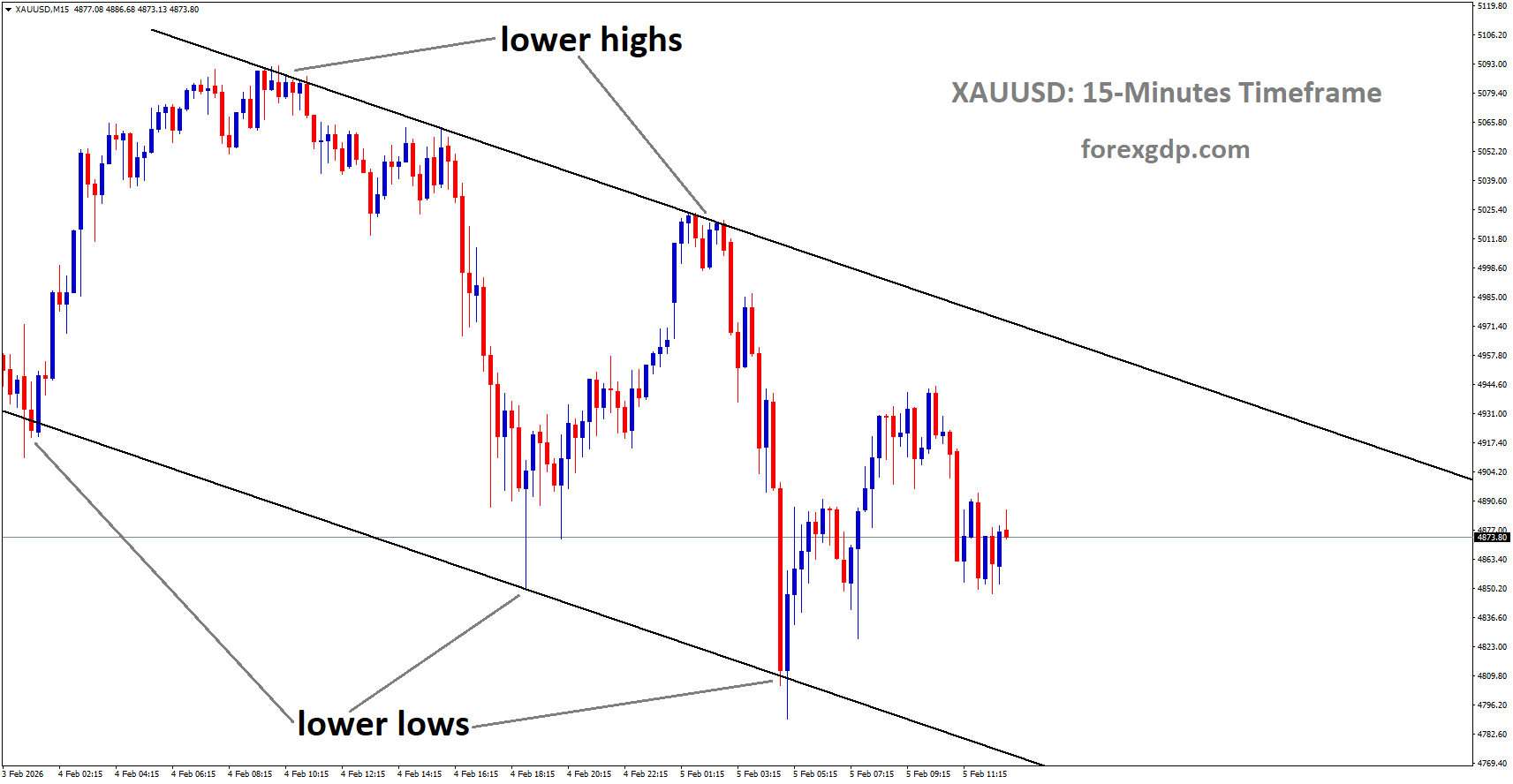
XAUUSD is moving in a descending channel, and the market has rebounded from the lower low area of the channel
Gold started Thursday under pressure as fresh selling interest appeared in the market. A stronger US dollar weighed on the metal, making it harder for prices to move higher. At the same time, gold did not see aggressive selling, as several supportive factors continued to sit in the background. These opposing forces created a cautious and uncertain mood among traders during the European trading hours.
While the US dollar gained strength and capped gold’s recovery, expectations of lower US interest rates and ongoing global tensions helped limit deeper losses. Investors are now turning their attention to key US labor market data due later in the day, hoping for clearer direction in the short term.
A Firmer US Dollar Weighs on Gold
One of the main reasons gold struggled to extend its rebound was the renewed strength of the US dollar. The dollar advanced after recovering from recent weakness, making dollar-priced assets like gold less attractive to international buyers. When the dollar rises, gold often faces headwinds because it becomes more expensive for those holding other currencies.
Adding to the pressure was renewed optimism around the US economy. Recent data showed resilience in parts of the services sector, reinforcing confidence in the broader economic outlook. This gave the dollar a modest lift and reduced immediate demand for safe-haven assets such as gold.
However, dollar buyers appeared hesitant to push their bets too far. This caution reflected growing belief that US interest rates may move lower in the future, which typically reduces the appeal of holding the currency over non-yielding assets like gold.
Interest Rate Expectations Offer Support
Despite the dollar’s strength, gold found support from shifting expectations around US monetary policy. Recent employment data pointed to signs of cooling in the labor market, reinforcing hopes that the Federal Reserve could ease borrowing costs later this year.
Private-sector job growth disappointed expectations, adding to concerns that hiring momentum is slowing. This data encouraged traders to rethink aggressive rate-hike assumptions and instead lean toward a more accommodative policy outlook. Lower interest rates generally support gold, as they reduce the opportunity cost of holding assets that do not generate interest.
Comments from US leadership also added complexity to the picture. While a potential change in Federal Reserve leadership sparked speculation about a less dovish central bank, those concerns were quickly softened by remarks suggesting continued openness to rate cuts. As a result, markets remain confident that borrowing costs could still fall further before the year ends.
This balance between political influence and economic reality has kept gold from slipping sharply, even as the dollar holds firm.
Global Tensions Continue to Support Safe-Haven Demand
Geopolitical developments remained another key factor shaping gold’s outlook. Although recent diplomatic efforts between the United States and Iran helped ease fears of an immediate military conflict, deeper disagreements remain unresolved.
Negotiations are expected to focus on nuclear-related issues, while broader security concerns continue to divide both sides. This lingering uncertainty keeps investors cautious, preserving some demand for safe-haven assets. Gold often benefits during times of geopolitical strain, as it is seen as a store of value when global risks rise.
Even temporary relief in tensions has not been enough to erase long-term concerns. Investors remain aware that setbacks in diplomatic talks could quickly reignite volatility, providing renewed support for gold.
Shifts in China’s Gold Market Add Pressure

Developments in China’s gold sector also played a role in limiting upside momentum. Recent data showed a decline in gold consumption, signaling softer demand from one of the world’s largest gold markets. Reduced buying interest from China can weigh on global demand expectations and influence investor sentiment.
At the same time, domestic gold production increased slightly, suggesting that supply remains steady. This combination of lower consumption and stable output contributed to a more cautious view on near-term demand growth.
While these factors alone are unlikely to drive a major shift in global prices, they add to the broader mix of signals that traders must weigh when assessing gold’s outlook.
Investors Await Key US Labor Data
Looking ahead, market participants are closely watching upcoming US labor market reports for fresh direction. Data on job openings and weekly unemployment claims are expected to offer deeper insight into the health of the employment sector.
These reports are especially important given the Federal Reserve’s focus on labor conditions when setting policy. Signs of continued weakness could strengthen expectations for rate cuts, potentially boosting gold. On the other hand, resilient data may support the dollar and keep gold under pressure.
In addition to economic data, comments from Federal Reserve officials could influence short-term sentiment. Any hints about the future path of interest rates may quickly ripple through currency and commodity markets.
Long-Term Outlook Remains Constructive
Despite near-term challenges, many analysts continue to view gold positively over the longer term. The metal is still widely seen as a reliable hedge against economic uncertainty, inflation risks, and geopolitical instability.
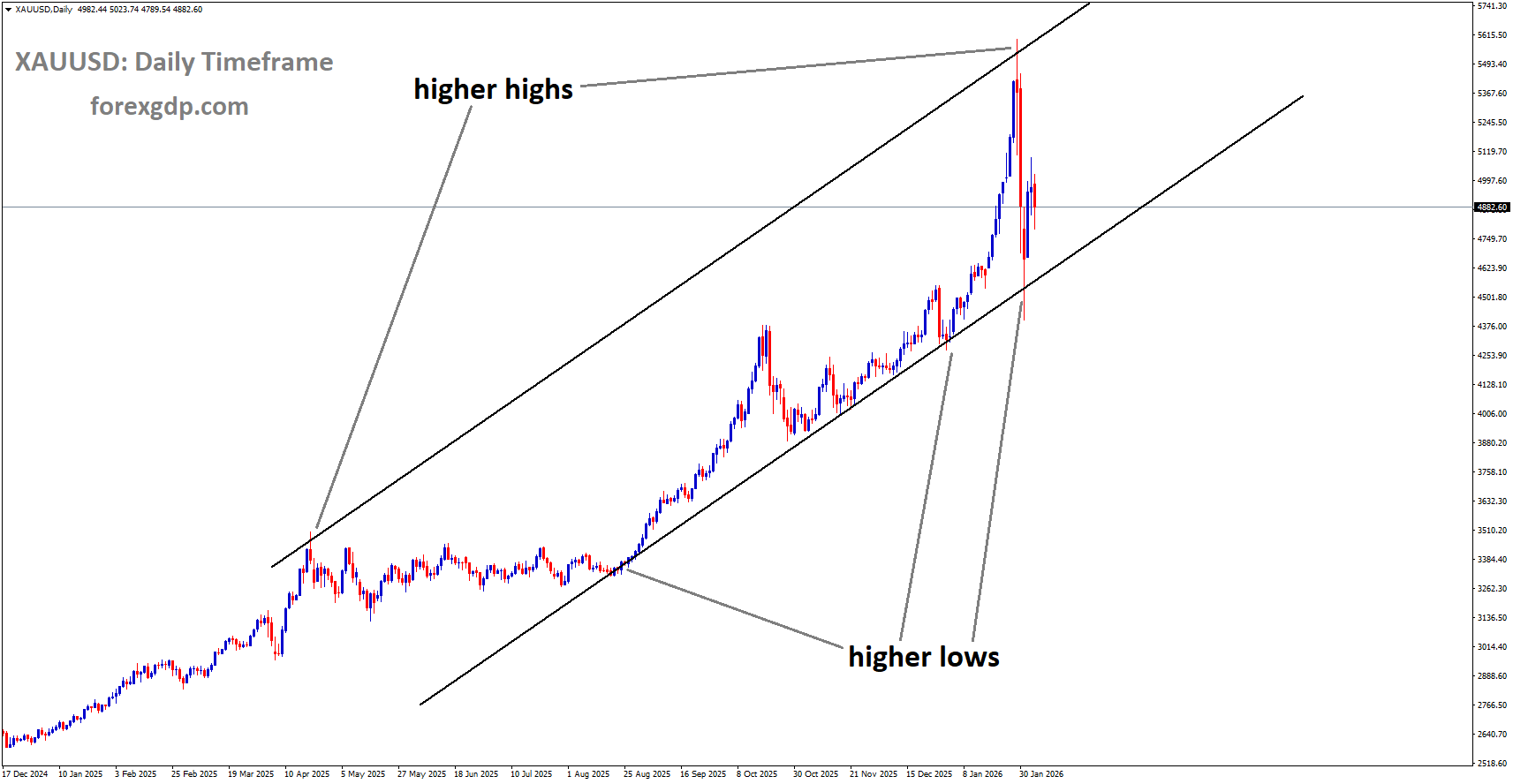
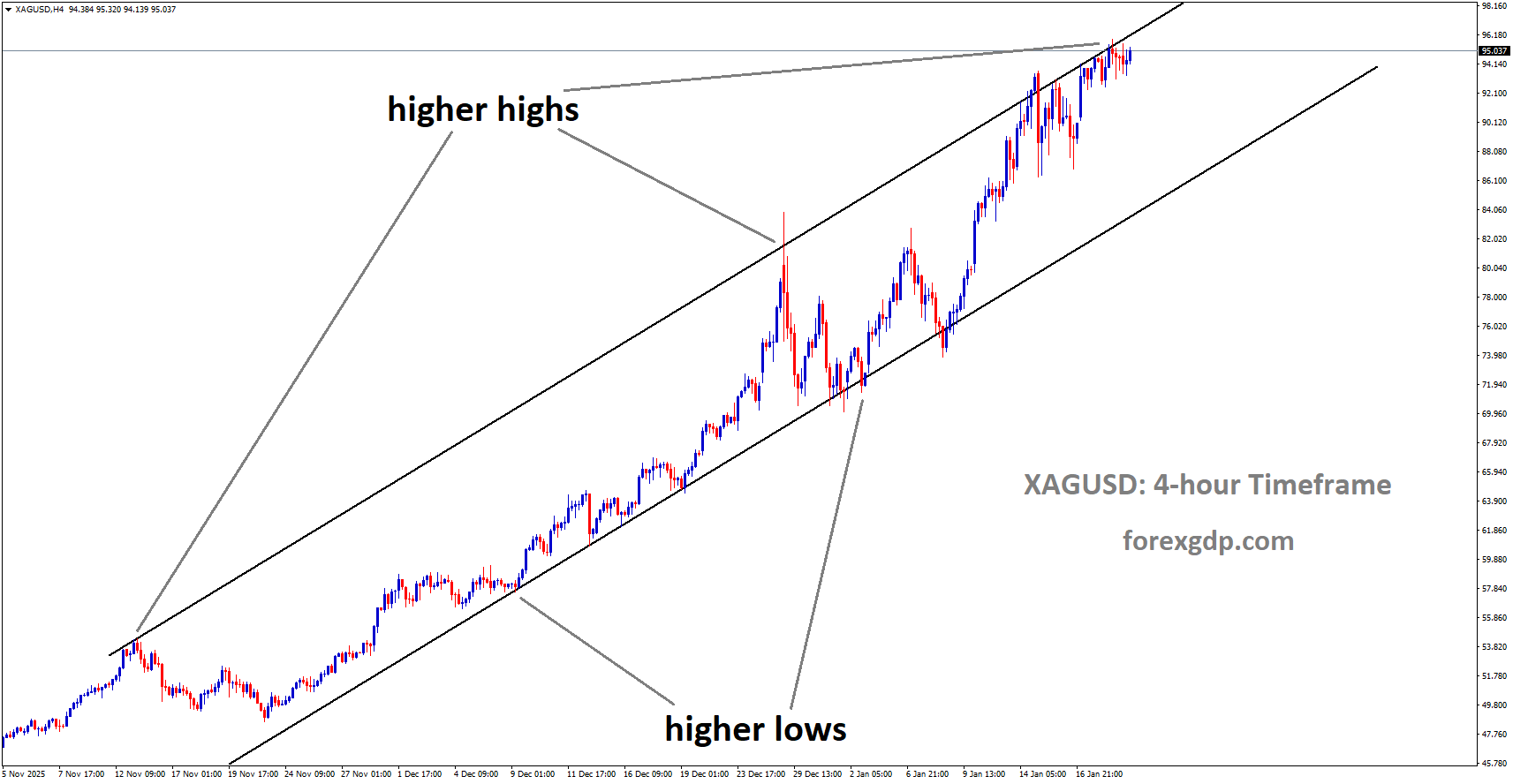
XAUUSD is moving in an uptrend channel, andthe market has rebounded from the higher low area of the channel
Structural factors such as rising global debt levels, shifting central bank policies, and ongoing political tensions support the argument that gold’s broader upward trend may not be over. While short-term corrections are possible, long-term investors remain attentive to opportunities created by periods of weakness.
This outlook helps explain why gold has avoided sharp declines even when facing pressure from a stronger dollar and mixed economic signals.
Final Summary
Gold’s performance on Thursday reflected a market caught between competing forces. Strength in the US dollar and softer demand signals from China weighed on the metal, limiting its ability to rally. At the same time, expectations of lower US interest rates, lingering geopolitical risks, and a cautious outlook on economic growth helped prevent deeper losses.
As traders await fresh labor market data and central bank commentary, gold is likely to remain sensitive to shifts in economic expectations and global developments. While near-term direction may stay uncertain, the broader backdrop continues to support gold’s role as a key asset in times of change.