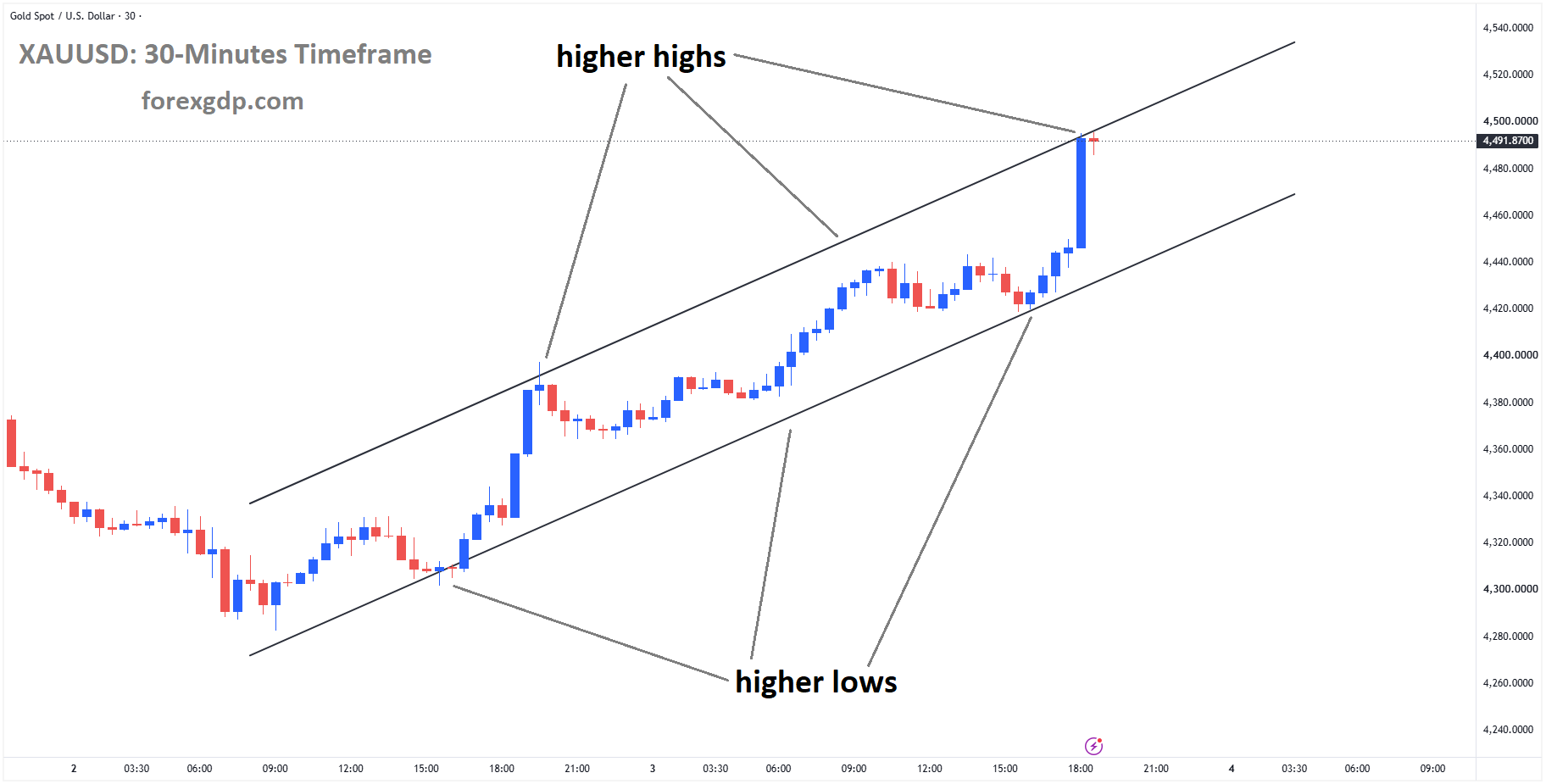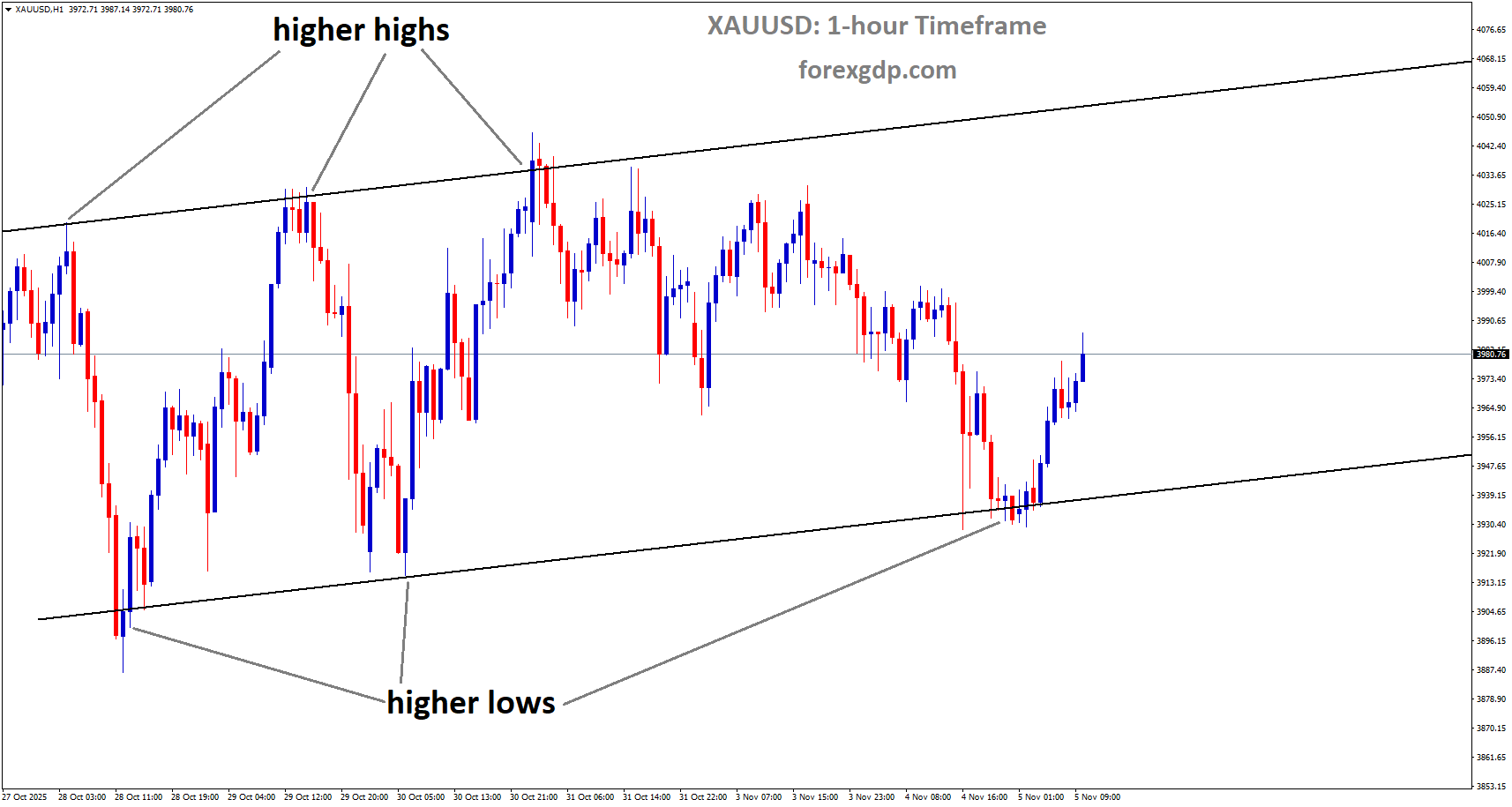
XAUUSD is moving in an uptrend channel, and the market has rebounded from the higher low area of the channel
Gold has always been more than just a shiny metal. It’s a symbol of safety when the world seems unpredictable. In the middle of political standoffs, economic risks, and changing central bank policies, gold once again finds itself in the spotlight. Recent events have pushed investors to reconsider their portfolios, and gold is slowly reclaiming its ground as a preferred safe-haven asset.
Why Gold Is Rising Again
The U.S. Government Shutdown Creates Market Anxiety
When the U.S. government shuts down, it doesn’t just affect federal workers—it ripples through global markets. The ongoing shutdown, which has now stretched into weeks, has shaken investor confidence. The longer it continues, the greater the risk of delayed economic activity, unsettled public spending, and loss of investor faith in political stability.

In such uncertain conditions, investors typically look for assets that can hold value regardless of political or economic developments. Gold naturally becomes the go-to choice. It’s considered reliable, tangible, and globally recognized. As fears grow that this could become one of the longest shutdowns in U.S. history, more investors are moving toward gold, pushing its price higher.
Geopolitical Tensions Drive Safe-Haven Demand
Beyond domestic politics, global tensions continue to unsettle financial markets. Conflicts, trade disputes, and diplomatic breakdowns have all contributed to a more cautious investor sentiment. Gold benefits during these times because it’s viewed as a universal form of protection against instability.
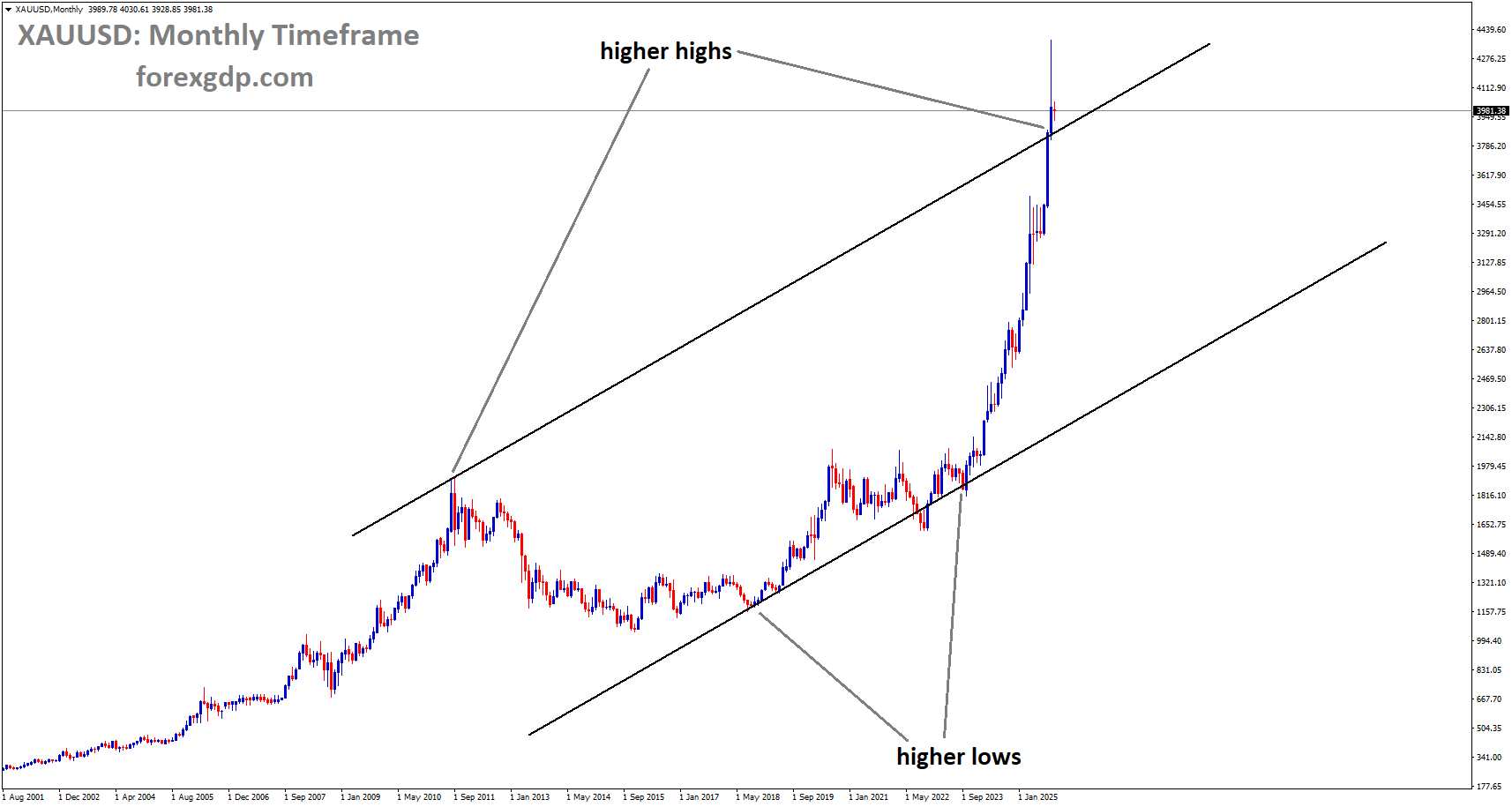
XAUUSD is moving in an uptrend channel
Whenever tensions rise—whether due to new sanctions, global conflicts, or trade-related uncertainty—investors move funds out of volatile assets and into gold. This consistent pattern helps explain why gold often rallies even when other markets are in decline.
The Dollar’s Strength and the Federal Reserve’s Role
A Strong Dollar Keeps Gold in Check
While the overall outlook for gold seems positive, it’s not all smooth sailing. The U.S. dollar has been performing strongly, and that strength tends to cap gold’s gains. Since gold is priced in dollars, a stronger greenback makes it more expensive for foreign investors. This, in turn, limits demand.
For instance, traders who initially sought safety in gold are now balancing their positions, taking profits, and reconsidering exposure as the dollar remains resilient. This tug-of-war between a strong currency and safe-haven demand creates an interesting dynamic where gold struggles to break out aggressively despite positive global sentiment.
Fed’s Uncertain Rate Path Adds to the Mix
Another key factor shaping gold’s movement is the Federal Reserve’s stance on interest rates. After cutting rates at its last meeting, the Fed hinted that further cuts might not be guaranteed. This cautious tone cooled market expectations for aggressive easing.
Lower interest rates generally favor gold because they reduce the opportunity cost of holding a non-yielding asset. However, when the Fed signals hesitation or a pause, gold’s momentum tends to slow down. Traders are now carefully watching every economic release—from employment figures to service-sector data—to gauge what the Fed might do next.
Economic Data and Market Sentiment
Eyes on U.S. Employment and Services Data
Investors are paying close attention to upcoming U.S. data releases, particularly private payroll figures and services sector reports. Employment growth or contraction often provides hints about the broader economy’s health and, indirectly, the Fed’s potential next move.
If job creation weakens, it could reinforce the case for future rate cuts, possibly benefiting gold. On the other hand, stronger-than-expected data may boost the dollar and weigh on gold’s near-term performance. The same goes for the services sector data, which will provide another clue about economic momentum heading into the next policy phase.
China’s Trade and Growth Updates Add to the Global Picture
China, as one of the world’s largest economies, plays a huge role in global commodity demand. Recent reports indicate slight softening in Chinese service and manufacturing growth, though not dramatically. Such trends suggest that the world’s economic powerhouse is still managing moderate expansion.
Additionally, China’s decision to ease tariffs on U.S. agricultural goods has added a layer of optimism to global trade. However, with many other uncertainties still looming, the overall market mood remains cautious—again steering investors toward gold for safety.
Market Reactions and Investor Outlook
Profit-Taking Amid Rising Prices
Even as gold regains momentum, short-term traders are seizing opportunities to book profits. The recent rebound has been steady rather than explosive, which suggests a balanced mix of optimism and caution in the market.
Some investors are still testing the waters, adjusting positions depending on the strength of the U.S. dollar and the clarity of the Fed’s next move. This profit-taking behavior often creates small pullbacks in gold’s rally, but it also indicates healthy market participation.
Long-Term Confidence in Gold Remains Strong
Despite these short-term fluctuations, the long-term case for gold remains robust. As central banks diversify their reserves and global inflation remains uneven, gold’s importance as a hedge continues to grow. Institutional investors are also holding firm positions, reflecting confidence in gold’s ability to preserve value over time.
Moreover, with rising concerns over debt, political polarization, and the risk of economic slowdown, more individuals and organizations see gold as a form of financial insurance rather than just a speculative asset.
A Changing Global Environment
The broader financial environment today is one of contrasts. On one side, we see resilience in the dollar and moderate economic indicators. On the other, political standstills and unpredictable global events keep investors on edge. This combination ensures that gold continues to draw attention as a stabilizing force.
Even as policymakers in the U.S. and other regions attempt to balance growth with inflation control, confidence in long-term stability isn’t absolute. That uncertainty feeds into the demand for assets like gold, which thrive when the global mood is cautious or fearful.
Final Summary
The gold market is navigating a complex mix of influences—from political battles in Washington to global economic shifts and evolving central bank strategies. The ongoing U.S. government shutdown has amplified concerns about stability, prompting a move toward safe assets. At the same time, geopolitical tensions and fluctuating global growth figures are keeping gold in demand.
While the strong dollar and a cautious Federal Reserve may temporarily limit gains, the underlying sentiment remains supportive. Gold’s resilience lies not in short-term fluctuations but in its enduring reputation as a safe store of value during uncertain times.
As the weeks unfold, traders and investors alike will be watching not just economic data, but also the broader narrative of global stability. In this environment, gold’s quiet climb serves as a reminder that in times of doubt, security and trust often matter more than speed and speculation.