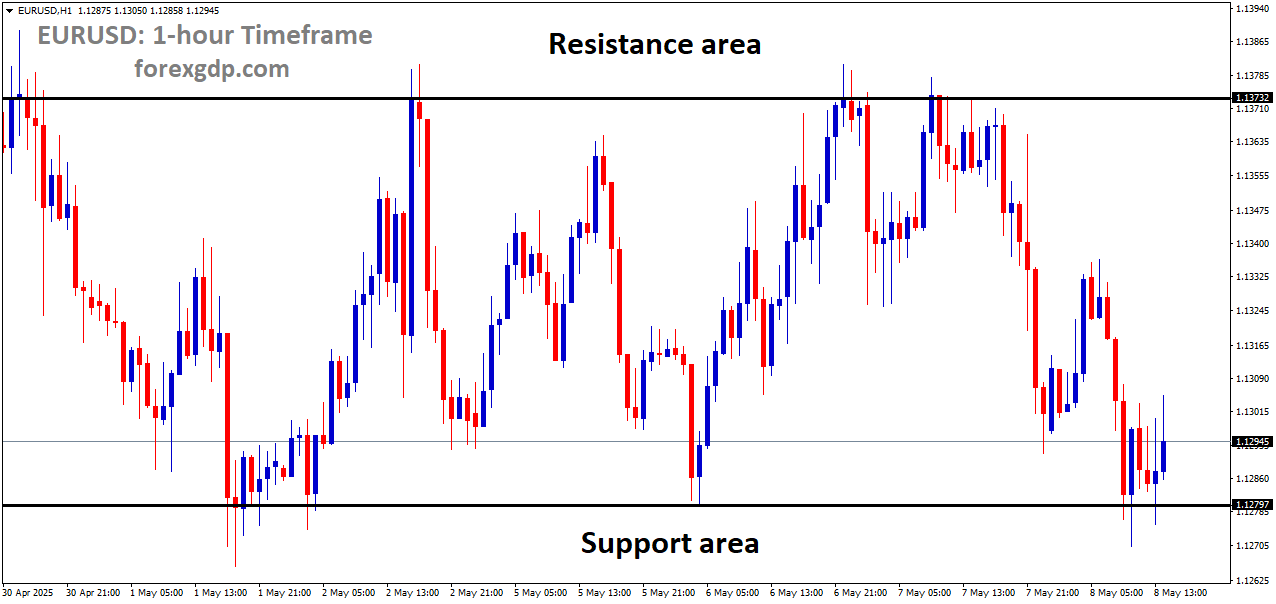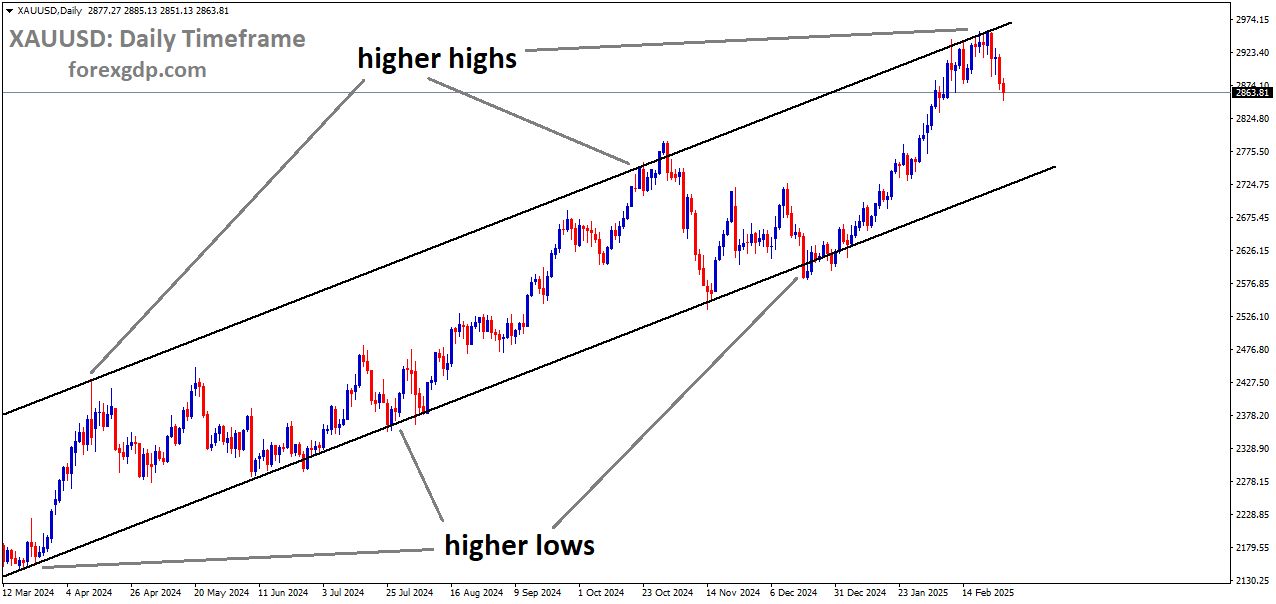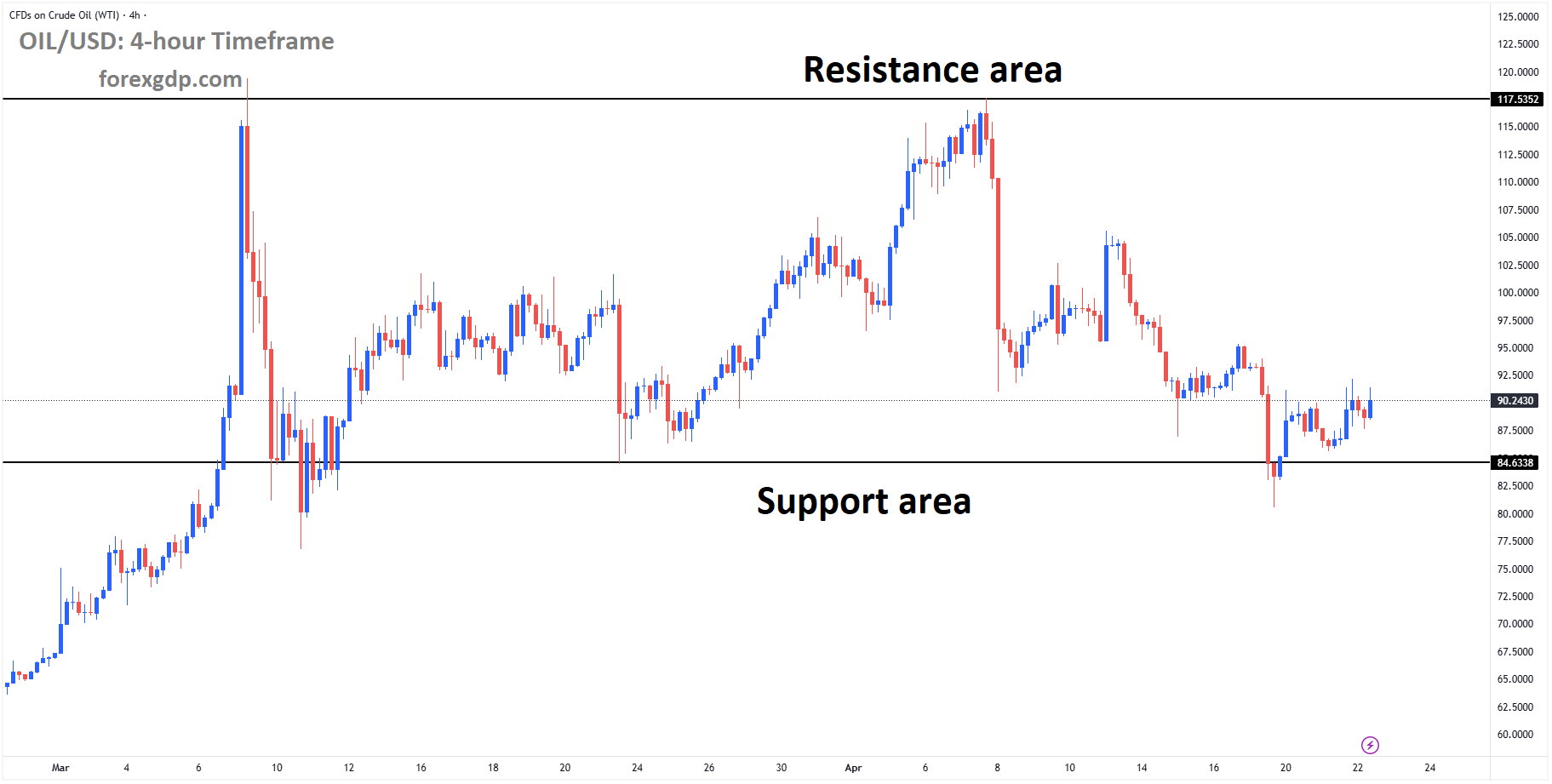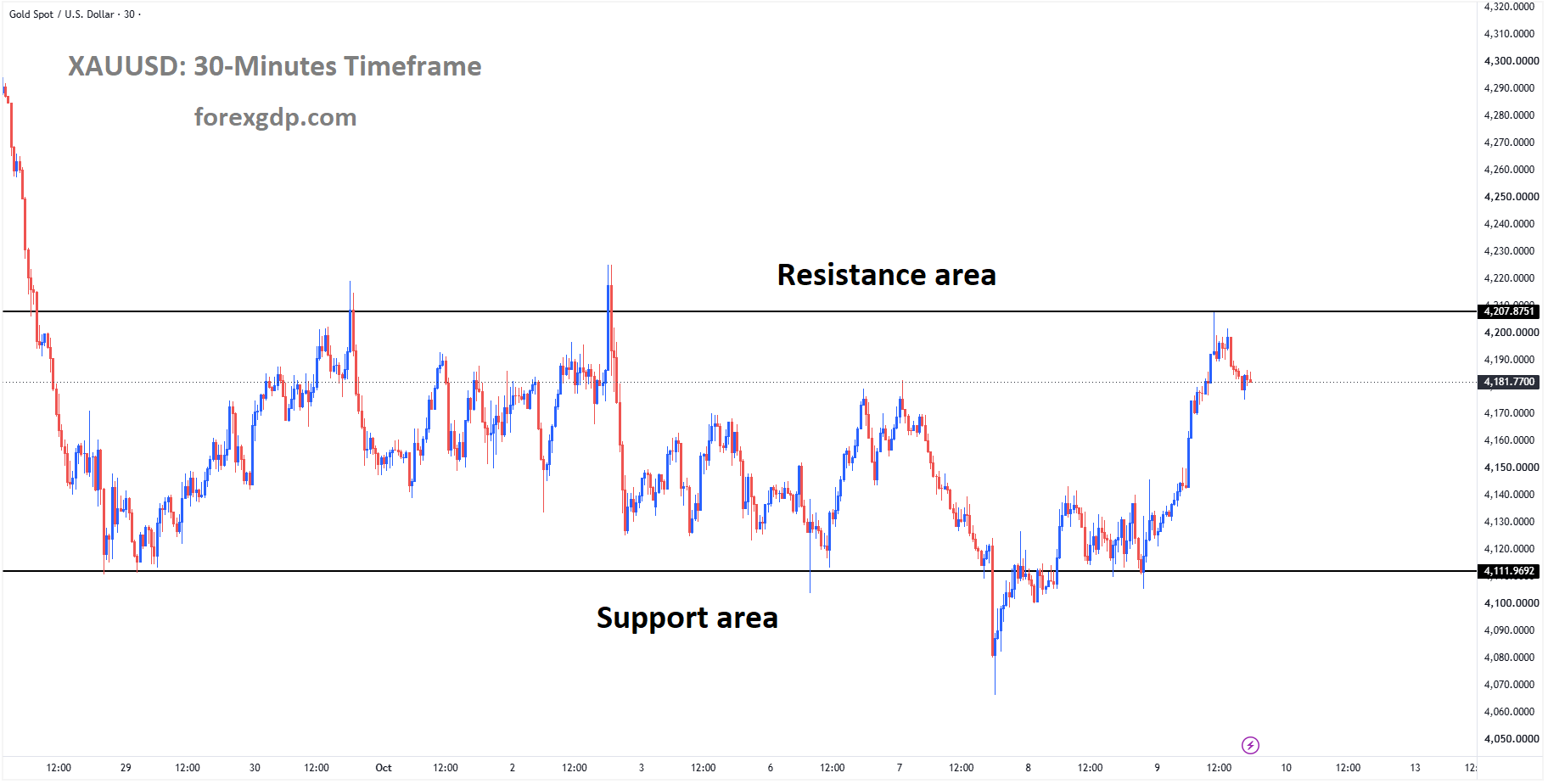
XAUUSD is moving in a box pattern, and the market has fallen from the resistance area of the pattern
Gold is gaining ground, but its recovery remains under pressure as the US Dollar and Treasury yields begin to stabilise. A recent fall in bond yields gave the precious metal some breathing room, helping buyers return after a difficult period. However, the forces that weighed on gold earlier have not fully faded.
Inflation concerns, elevated oil costs and expectations of tighter Federal Reserve policy continue to influence investor decisions. Together, these factors make it harder for gold to maintain its advance, even with ongoing demand from central banks and investment funds.
Attention now turns to US consumer sentiment and inflation expectations. These reports could help investors judge whether households remain worried about rising costs and what that could mean for the Fed’s next policy decisions.
Why Gold’s Recovery Is Facing Limits
Gold benefited when US Treasury yields dropped sharply during the previous trading session. That decline reduced the appeal of interest-paying assets and eased some of the pressure on bullion.
The US Dollar also pulled back, creating a more favourable environment for gold. Since the metal is traded internationally in dollars, a softer US currency makes purchases more affordable for buyers using other currencies.
However, both developments have started to lose momentum. Treasury yields are finding their footing, while the dollar is recovering some of its recent weakness. This leaves gold without the same strength of support that helped its initial rebound.
A brief improvement in conditions can encourage buying, but a lasting recovery depends on whether the wider economic picture changes. Investors still face uncertainty over inflation and interest rates, which keeps enthusiasm for gold measured.
Treasury Demand Gives Gold Some Breathing Room
Strong demand at a US government bond auction helped bring Treasury yields lower. When buyers show greater interest in bonds, their prices generally increase and their yields fall.
For gold, this relationship matters because the metal does not pay interest. Investors comparing gold with government bonds often consider how much income they could earn from holding debt instead.
When yields decline, the income advantage of bonds becomes smaller. That can make gold more attractive, particularly to investors who want to diversify their holdings or protect against uncertainty.
Yet one well-received auction does not settle the longer-term direction of borrowing costs. Future demand for government debt, inflation developments and expectations for Fed policy will continue to shape yields.
Gold’s recent improvement therefore reflects a welcome easing of pressure, while leaving the broader interest-rate challenge unresolved.
Oil and Geopolitical Developments Shape Inflation Concerns

A retreat in oil helped calm some of the worries surrounding inflation. Energy costs affect far more than fuel bills. They influence transport, manufacturing and the cost of moving goods through supply chains.
When oil becomes more expensive, businesses may pass part of those costs on to customers. This can make inflation harder to bring under control, especially when households are already dealing with higher living expenses.
Comments from President Donald Trump about avoiding an attack on Iran before the November midterm elections helped ease immediate concerns about renewed military action. That reduced some anxiety over possible disruptions to energy supplies.
Still, a reduction in immediate geopolitical tension does not remove every inflation risk. Oil remains a concern, and investors continue to assess whether energy costs could keep pressure on the wider economy.
For gold, the effects can pull in different directions. Political uncertainty may encourage demand for a defensive asset, while energy-driven inflation can strengthen expectations of higher interest rates. The balance between those forces helps explain why gold’s reaction is not always straightforward.
Federal Reserve Expectations Remain a Major Influence
The Federal Reserve’s policy direction continues to be one of the biggest factors affecting gold. Investors are considering the possibility that persistent inflation could require further interest-rate increases.
Recent comments from Fed officials have reinforced that concern. Their message suggests that bringing inflation back toward the central bank’s target remains the priority, with further tightening possible if economic conditions justify it.
Higher interest rates can create two challenges for gold. They can raise the returns available from interest-paying investments, and they can support demand for the US Dollar.
Although traders expect the Fed to hold rates steady at its next meeting, attention is also focused on what could happen afterward. A pause would not necessarily mean that the central bank has finished tightening policy.
This distinction matters for gold buyers. The metal may receive temporary relief when yields fall, but expectations of future rate increases can continue to limit demand.
Consumer Sentiment and Inflation Expectations Take Centre Stage
The preliminary University of Michigan consumer sentiment report is the next major focus. It offers insight into how US households feel about their finances and the broader economy.
Consumer confidence can influence spending decisions. When households feel secure about employment and income, they may be more willing to make purchases. When confidence weakens, they may become more cautious.
Investors will also examine the report’s short-term and longer-term inflation expectations. These measures show whether consumers believe rising costs will ease or remain a lasting problem.
If expectations increase, markets may become more concerned that the Fed will need to maintain a firm policy stance. That could support the dollar and Treasury yields, adding pressure to gold.
If inflation expectations ease, investors may feel less urgency about additional tightening. Even then, one report is unlikely to determine policy on its own. The Fed will assess it alongside other evidence on inflation, employment and economic activity.
Central Bank Buying and Fund Demand Offer Support
Despite these obstacles, gold continues to attract demand from central banks and exchange-traded funds.
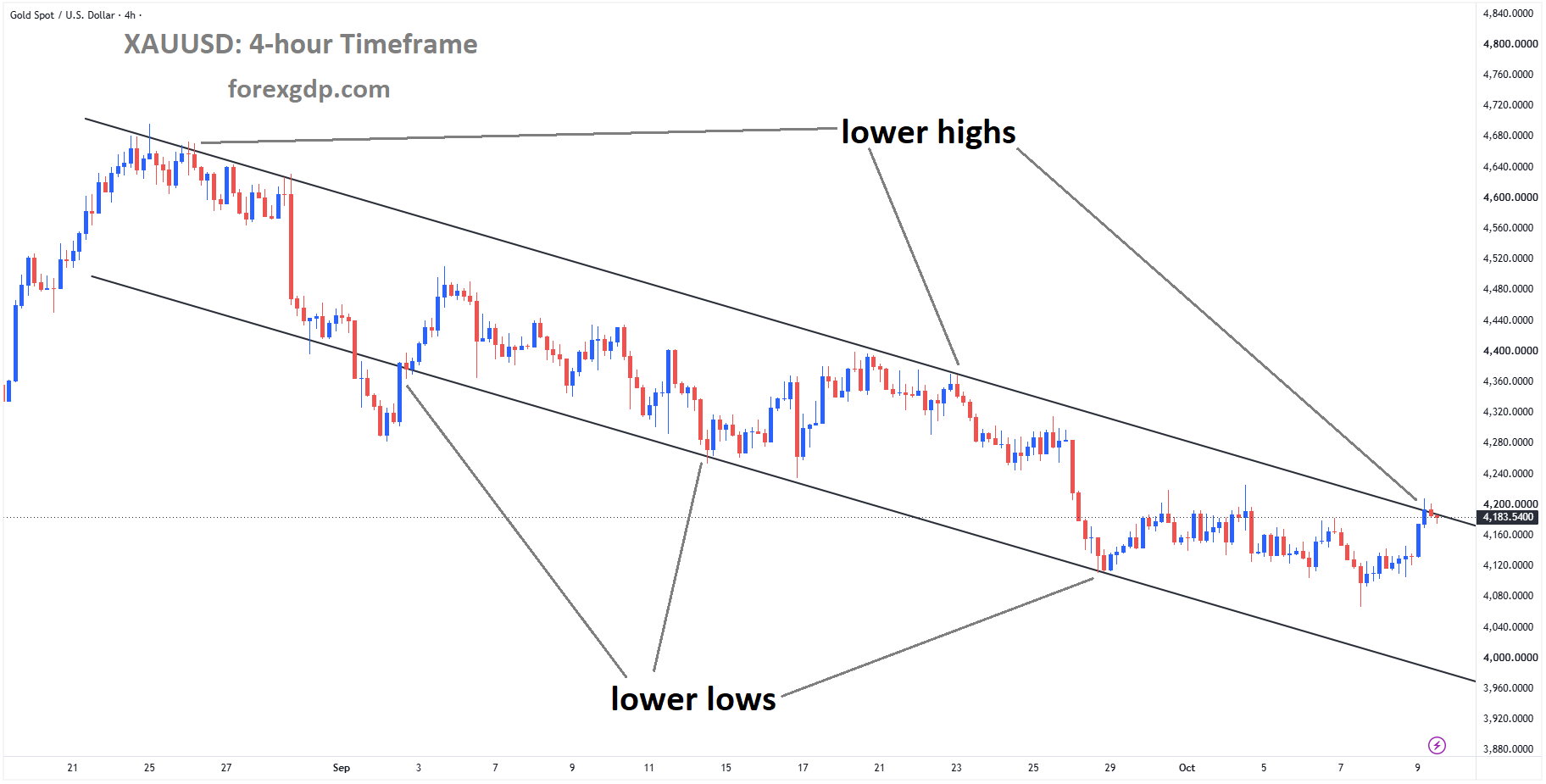
XAUUSD reached the lower high area of the descending channel
Central banks may hold gold to diversify their reserves and reduce dependence on individual currencies. Their decisions often reflect longer-term priorities rather than daily changes in market sentiment.
Investment funds provide another source of demand. Investors may use gold to spread risk across their portfolios or respond to economic and geopolitical uncertainty.
These purchases can support the metal during periods of pressure. However, they do not guarantee an uninterrupted recovery. Gold still needs to contend with changes in the dollar, bond yields and monetary policy expectations.
Final Summary
Gold’s recovery has benefited from lower Treasury yields, a softer dollar and an easing of immediate energy concerns. As the dollar and yields stabilise, maintaining that recovery becomes more difficult.
Inflation and the possibility of further Fed tightening remain central challenges. Upcoming consumer sentiment and inflation expectations data could help clarify whether those pressures are easing. Meanwhile, central bank purchases and investment fund demand continue to provide a longer-term source of support for gold.