Even though Russia has faced more sanctions than any other country in the world, its vast energy reserves continue to fuel its economy—and its war in Ukraine. But former U.S. President Donald Trump wants to change that.
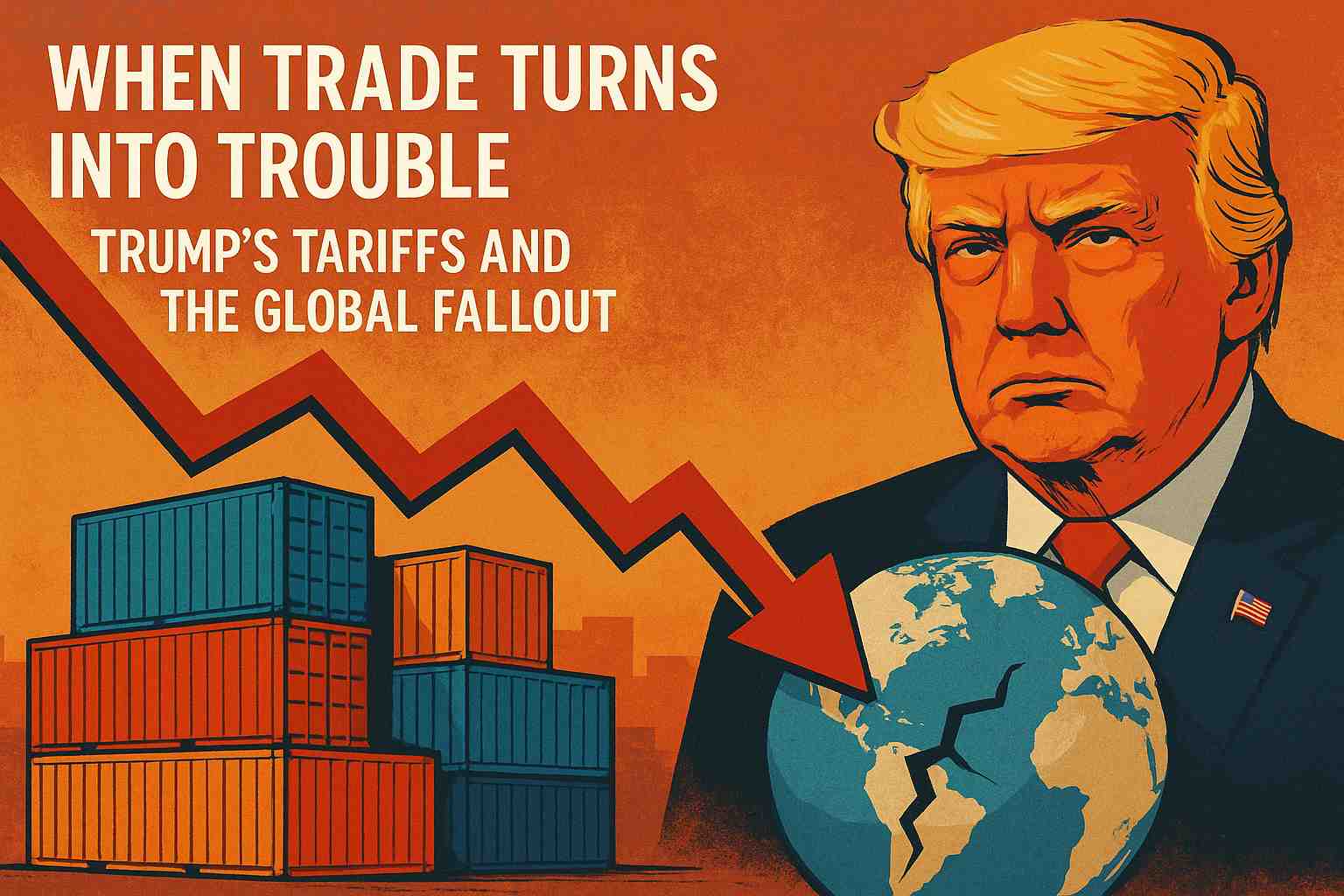
He’s now threatening to go beyond just sanctioning Russia. Trump has announced a new wave of secondary tariffs that would target any country still doing business with Russia. These tariffs are meant to pressure those nations into cutting ties with Moscow—unless Russia agrees to a ceasefire with Ukraine by Friday, August 8.
Let’s break it down: under Trump’s plan, countries that continue to trade with Russia would face a 100% tax on their exports to the U.S. That’s a massive hit—and the goal is to make it economically painful enough that other countries stop supporting Russia’s oil and gas sales altogether.
How This Could Shake Up the Energy World
Russia is no small player in the energy market. In fact, it’s the third-largest oil producer on the planet, right behind Saudi Arabia and the U.S. So, if Russian oil and gas start getting locked out of global markets, you can expect serious ripple effects.
Why Energy Prices Might Spike Again
The idea behind these secondary tariffs is simple: squeeze Russia’s income by cutting off demand for its energy exports. But here’s the catch—if countries like China, India, or Turkey slow their buying, the global supply of oil and gas shrinks.
When supply goes down, prices go up. We’ve seen it before. Back in 2022, when Russia launched its full invasion of Ukraine, global energy prices soared. Inflation skyrocketed in many parts of the world as a result.
Trump, however, says he’s not too worried this time—citing record U.S. oil production as a safety net. And analysts also point out that OPEC+ (a group of major oil-producing nations) has spare capacity, which could help fill the gap if Russian oil drops off.
Still, energy markets are delicate. Even small shifts in supply and demand can trigger major swings in prices. And this potential shake-up is anything but small.
Russia’s Sanction-Evasion Tactics
To avoid the bite of current sanctions, Russia has built what experts call a “shadow fleet”—a secretive network of tankers with unclear ownership that help disguise where its oil is coming from. This system could help Russia continue exporting energy even if new tariffs kick in.

But keeping sanctions effective is a constant battle. As one U.S. expert put it, “Sanctions maintenance is as big a task as imposing them in the first place”, since the targeted country is always looking for new ways to dodge them.
Could Tariffs Make Your iPhone More Expensive?
This trade war isn’t just about oil. It could also hit everyday products—especially tech gadgets and consumer goods made in countries like India and China.
India in the Crosshairs
India has become one of the largest buyers of Russian oil since the war began. That puts it directly in Trump’s line of fire. If India keeps buying from Russia, Trump says he’ll hit Indian goods coming into the U.S. with a 100% import tax.
Let’s say Apple makes your next iPhone in India. If that phone is then shipped to the U.S., importers would pay double the usual cost due to the tariffs. And guess who ends up footing the bill? That’s right—you, the consumer.
Apple has already been shifting more iPhone production to India, especially for models sold in the U.S. If tariffs are imposed, electronics made in India could suddenly cost much more, making them less attractive to U.S. buyers.
Right now, some Indian imports are already facing a 25% tariff under broader U.S. trade policies. But Trump has hinted that these could rise “very substantially.”
India isn’t happy about the threat. Its government is calling the proposed tariffs “unjustified,” especially given that the U.S. continues to import certain goods from Russia too, such as nuclear materials and fertilizers.
What This Means for China, Europe, and Global Trade
China: A High-Stakes Gamble
China is Russia’s biggest customer when it comes to oil. So, if Trump applies the same secondary tariffs to Chinese goods, the stakes get even higher. Why? Because the U.S. imports five times more from China than it does from India—and those imports include everything from electronics and clothing to toys and home goods.
Messing with that supply chain could be risky. In the past, Trump’s aggressive tariffs on China backfired, nearly grinding U.S.-China trade to a halt and hurting American businesses in the process.
Analysts warn that new tariffs could derail delicate trade talks between the world’s two biggest economies. And with Chinese President Xi Jinping and Russian President Vladimir Putin growing increasingly close, pulling China away from Russia would be tough without offering major incentives.
Europe’s Energy Puzzle
Before the war, Europe was Russia’s top energy customer. That changed after the invasion of Ukraine, but some Russian imports still find their way into Europe.
Leaders in the EU have been working to cut those ties for good, with a goal of ending all Russian energy imports by 2027. Still, new tariffs from the U.S. could put added pressure on European countries to speed up that timeline.
Here’s the problem: Europe also relies heavily on trade with the U.S., especially for exporting things like pharmaceuticals, machinery, and other high-value goods. If these countries keep buying Russian energy, they risk getting hit with tariffs that would make their exports far less competitive in American markets.
In other words, Europe may find itself stuck between two giants—balancing its energy needs with its export economy.
Russia’s Economy: Running Out of Steam?
Despite all the sanctions and the war effort, Russia’s economy grew 4.3% last year. But that growth came at a cost. Russian officials are now warning that the country is “overheating” and could be headed for a recession.

Energy sales account for around a third of Russia’s government budget. So if secondary tariffs start to bite and exports fall, that revenue dries up quickly. Meanwhile, the Kremlin is ramping up defense spending—reportedly the highest since the Cold War—while keeping much of its economic data under wraps.
By comparison, Ukraine is spending a massive 26% of its much smaller economy on defense. That’s why Ukrainian President Volodymyr Zelensky keeps asking for more help from Western allies.
Trump’s goal with these new tariffs is simple: cut off Russia’s funding for the war by squeezing its energy revenues. If he succeeds, it could shift the entire economic landscape—not just for Russia, but for the countries that rely on it too.
Final Thoughts: A Global Game of High Stakes
Trump’s proposed secondary tariffs are more than just a political move—they’re a major shake-up of how global trade works.
If they go into effect, countries that depend on Russian energy will be forced to make tough decisions. Either they cut ties with Russia and face energy shortfalls, or they continue trading and risk losing access to one of the world’s biggest markets: the U.S.
For everyday people, this could mean higher prices at the pump, more expensive electronics, and disruptions to supply chains that affect countless products. But for governments and global leaders, the stakes are even higher. This is about power, alliances, and the ability to shape the future of an ongoing conflict.
The countdown is on to August 8—and the world is watching.