
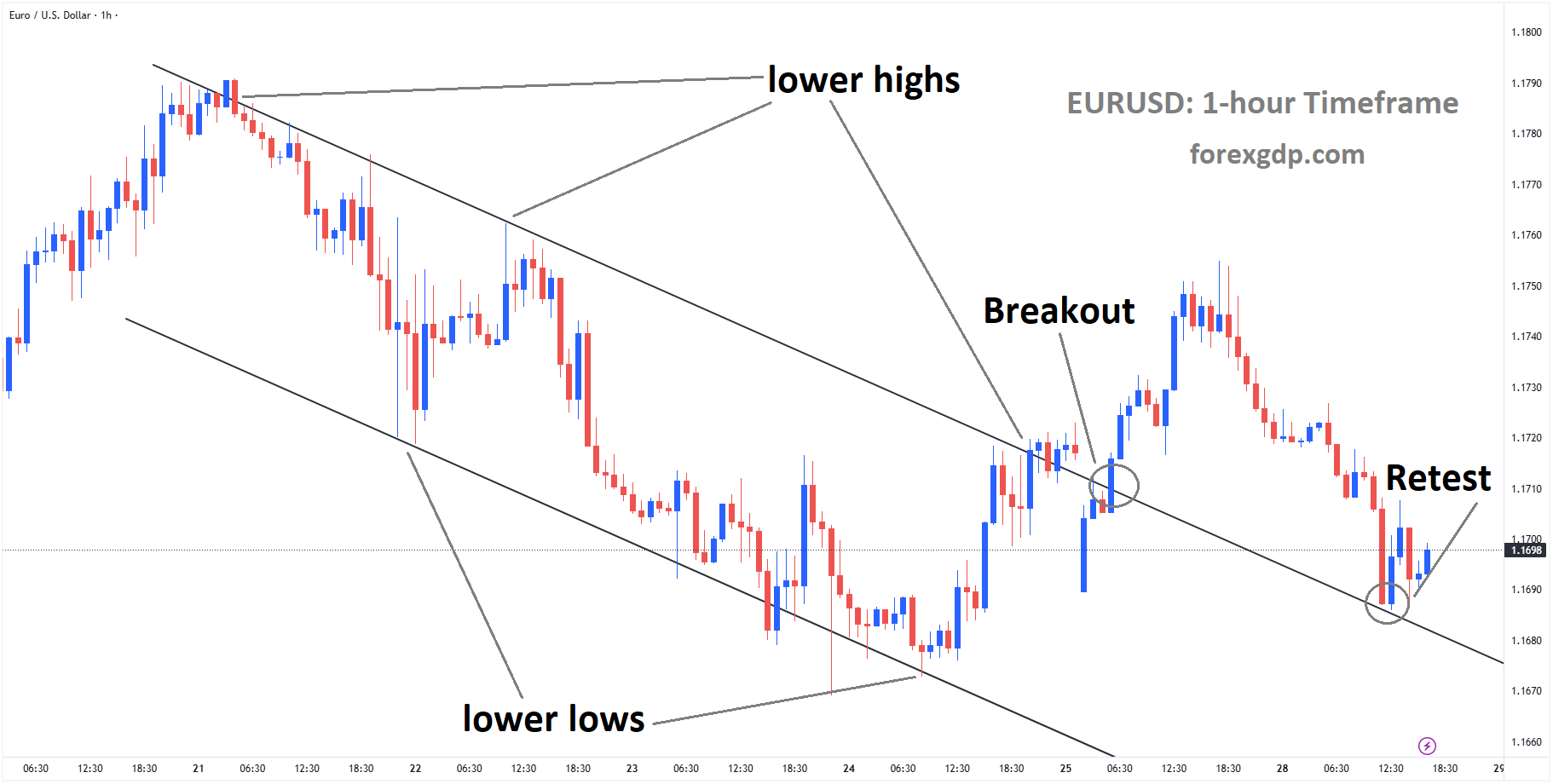
EURUSD reached the retest area of the broken descending channel
EURUSD slips under 1.1700 as Fed and ECB decisions draw attention
The Euro has lost its recent strength against the US Dollar, slipping back below the 1.1700 level after two days of recovery. This shift reflects a broader change in market mood, where investors are moving away from risk and focusing more on global economic signals and central bank decisions.
The US Dollar, often seen as a safe-haven currency during uncertain times, is gaining strength again. As global tensions rise and key policy meetings approach, traders are becoming more cautious. This cautious approach is helping the Dollar recover its earlier losses while putting pressure on the Euro.
At the same time, rising oil prices and ongoing geopolitical concerns are adding more challenges for the Eurozone. These combined factors are shaping the direction of currency markets in the short term.
Central Bank Decisions Take Center Stage
One of the main drivers of the current market movement is the anticipation of major central bank decisions. Investors are closely watching both the Federal Reserve in the United States and the European Central Bank for clues about future interest rate policies.
Federal Reserve Outlook
The Federal Reserve is expected to keep interest rates unchanged in the range of 3.50% to 3.75% at its upcoming meeting. This decision, while widely anticipated, still holds importance because it could signal the central bank’s future direction.
This meeting is also significant because it is likely to be Jerome Powell’s final one as Chairman of the Federal Reserve. A leadership change is on the horizon, with former Governor Kevin Warsh expected to take over the role soon. This transition adds another layer of uncertainty, as markets often react to new leadership and potential policy changes.
Even if rates remain unchanged, investors will be paying close attention to the tone of the Fed’s statement. Any hint about future rate moves or economic concerns could influence the Dollar’s strength.
European Central Bank Expectations
The focus will then shift to the European Central Bank. Unlike the Fed, the ECB has shown a willingness to raise interest rates later this year. However, officials are likely to take a cautious approach before making any firm decisions.
There is growing expectation that the ECB might delay any rate hike until mid-year, possibly in June or July. This cautious stance comes as policymakers want to better understand the economic impact of global events, especially the ongoing tensions in the Middle East.
For now, investors expect what is often called a “hawkish hold.” This means the ECB may keep rates unchanged but signal that increases could happen in the near future. Even so, uncertainty remains, and this is limiting the Euro’s ability to gain strength.
Geopolitical Tensions Add Pressure
Beyond central bank policies, global political developments are also playing a major role in shaping currency movements. The situation in the Middle East continues to create uncertainty, which is influencing both oil prices and investor behavior.
Ongoing Conflict and Peace Talks
Recent reports suggest that a proposed peace plan from Iran has not been well received by the United States. The plan reportedly failed to address key concerns, particularly related to nuclear issues. As a result, tensions remain unresolved.
This lack of progress keeps the region unstable and raises concerns about future developments. When geopolitical risks increase, investors often turn to safer assets, such as the US Dollar, which explains part of its recent strength.
Impact on Oil Prices

One of the most immediate effects of the ongoing conflict is the rise in oil prices. With key supply routes like the Strait of Hormuz affected, oil supply concerns have pushed prices higher.
Higher oil prices tend to have a negative impact on economies that rely heavily on energy imports. The Eurozone is one such region, as it imports a large portion of its energy needs. When oil becomes more expensive, it increases costs for businesses and consumers, which can slow down economic growth.
This situation puts additional pressure on the Euro, making it harder for the currency to perform well against the Dollar.
Why the US Dollar Is Gaining Strength
The renewed strength of the US Dollar is not just about central bank expectations or geopolitical risks. It also reflects a broader shift in investor sentiment.
When uncertainty rises, investors often move their money into assets that are considered safer. The US Dollar is one of the most trusted currencies in the world, so it benefits from this shift.
In the current environment, several factors are supporting the Dollar:
- Uncertainty around global conflicts
- Expectations of stable US interest rates
- Leadership changes at the Federal Reserve
- Weakness in other major economies, including the Eurozone
Together, these elements are creating a strong foundation for the Dollar’s recovery.
Challenges Facing the Euro
While the Dollar is gaining strength, the Euro is facing several challenges that are limiting its performance.
Economic Pressure from Energy Costs
As oil prices rise, the Eurozone economy faces increased costs. This affects industries, transportation, and household spending. Higher costs can reduce overall economic activity, which in turn weakens the currency.
Policy Uncertainty
Although the ECB has hinted at future rate hikes, the lack of immediate action is holding back the Euro. Investors prefer clear and decisive policies, and any hesitation can reduce confidence.
External Risks
The ongoing geopolitical tensions add another layer of risk. Since the Eurozone is closely tied to global trade and energy markets, it is more exposed to these external shocks.
What to Watch Next
Looking ahead, several key events and developments will shape the direction of the EUR/USD pair.
- The Federal Reserve’s policy statement and any signals about future rate moves
- The European Central Bank’s stance on interest rates and economic outlook
- Updates on the Middle East conflict and any progress in peace negotiations
- Changes in oil prices and their impact on global economies
Each of these factors has the potential to influence market sentiment and currency movements.
Final Thoughts
The recent drop in the Euro against the US Dollar highlights how sensitive currency markets are to global events and policy decisions. With central banks taking a cautious approach and geopolitical tensions remaining unresolved, uncertainty continues to dominate the market.
The US Dollar is benefiting from its safe-haven status, while the Euro faces pressure from rising energy costs and delayed policy action. As investors wait for clearer signals from both the Federal Reserve and the European Central Bank, market movements are likely to remain influenced by both economic data and global developments.
In the coming days, the balance between risk and stability will play a crucial role in shaping the direction of currencies, making it important to keep an eye on both policy decisions and geopolitical updates.
GBPUSD Weakens While Markets Await Key Moves from Fed and BoE
The Pound Sterling has recently come under pressure against several major currencies, reflecting growing uncertainty in global financial markets. As investors look ahead to key central bank decisions, especially from the Bank of England (BoE) and the US Federal Reserve (Fed), caution is shaping currency movements. With both institutions expected to keep interest rates unchanged, traders are focusing more on future signals rather than immediate policy changes.
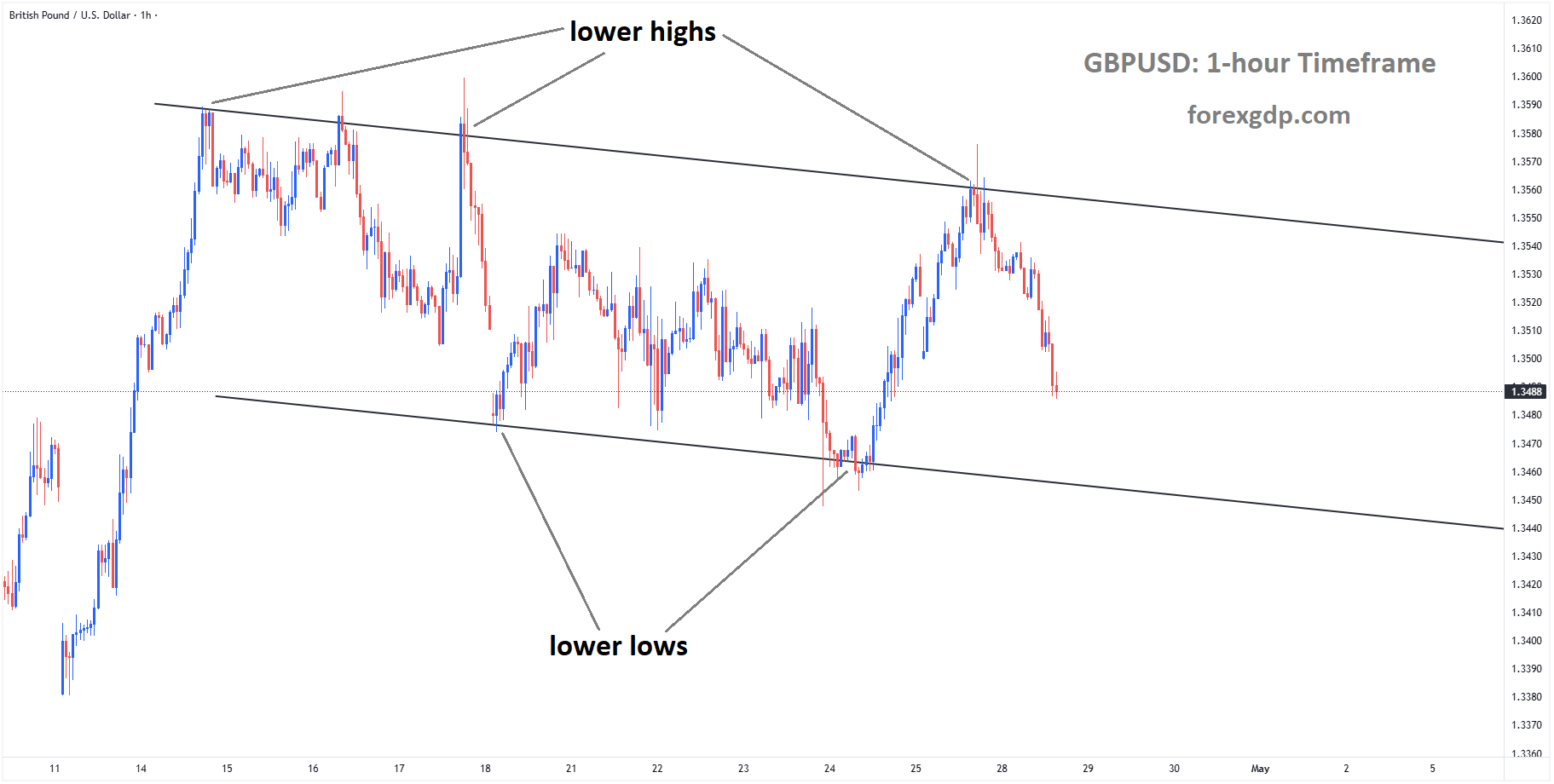
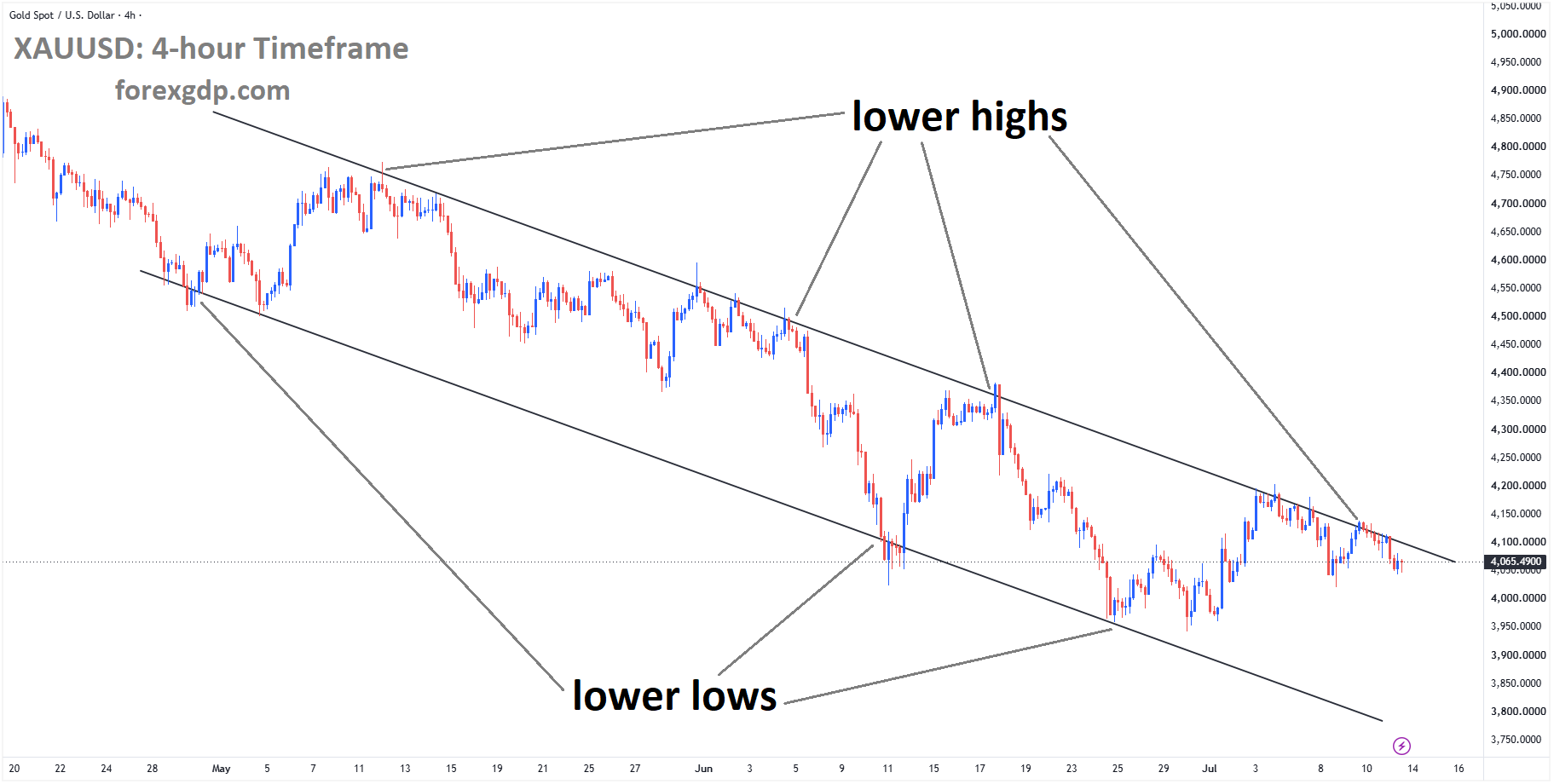
GBPUSD is moving in a descending channel, and the market has fallen from the lower high area of the channel
Why the Pound Sterling Is Losing Ground
The British Pound has weakened slightly against the US Dollar, slipping during European trading hours. This movement highlights a cautious mood among investors as they wait for clarity from the Bank of England’s upcoming policy announcement.
At the center of this pressure is uncertainty. Markets generally dislike uncertainty, and right now, there are several unanswered questions about the direction of the UK economy and the BoE’s next steps. Even though inflation in the UK has shown signs of easing, it has not completely settled. This leaves room for debate about whether current policies are sufficient or if adjustments may be needed later.
Another important factor is the broader global environment. Ongoing concerns around energy supply and geopolitical tensions continue to influence inflation expectations. These global issues make it harder for central banks to confidently shift their policies.
Bank of England’s Policy Outlook Remains Steady
The Bank of England is widely expected to keep interest rates unchanged at its upcoming meeting. Most policymakers appear to support maintaining the current stance, especially after recent data showed that core inflation slowed in March.
However, holding rates steady does not mean the central bank is completely relaxed. Officials are still expected to highlight risks that could push inflation higher again. Rising energy costs, driven by global supply disruptions, remain a major concern. These risks could affect household expenses and business costs in the UK, keeping inflation pressures alive.
Andrew Bailey’s Measured Approach
Bank of England Governor Andrew Bailey has made it clear that there is no urgency to change monetary policy right now. Speaking at a recent event hosted by the International Monetary Fund, he emphasized the importance of patience.
Bailey acknowledged that the economy has faced significant challenges, including what he described as a “very big negative shock.” Despite this, he stressed that policymakers should not rush into decisions. Instead, they need to carefully assess how current conditions evolve and how they impact the UK economy over time.
This cautious tone signals that the BoE is in a wait-and-see mode. Rather than reacting quickly, the central bank is choosing to gather more data before making any major moves.
Federal Reserve’s Decision Also in Focus
While the Bank of England is under close watch, attention is equally focused on the US Federal Reserve. The Fed is also expected to leave interest rates unchanged in its upcoming meeting. This would mark another pause in its policy cycle, as officials continue to evaluate the strength of the US economy and inflation trends.
The US Dollar has shown modest strength in recent trading, supported by this cautious approach. Investors often turn to the Dollar during times of uncertainty, which can put additional pressure on other currencies like the Pound.
Importance of Jerome Powell’s Comments
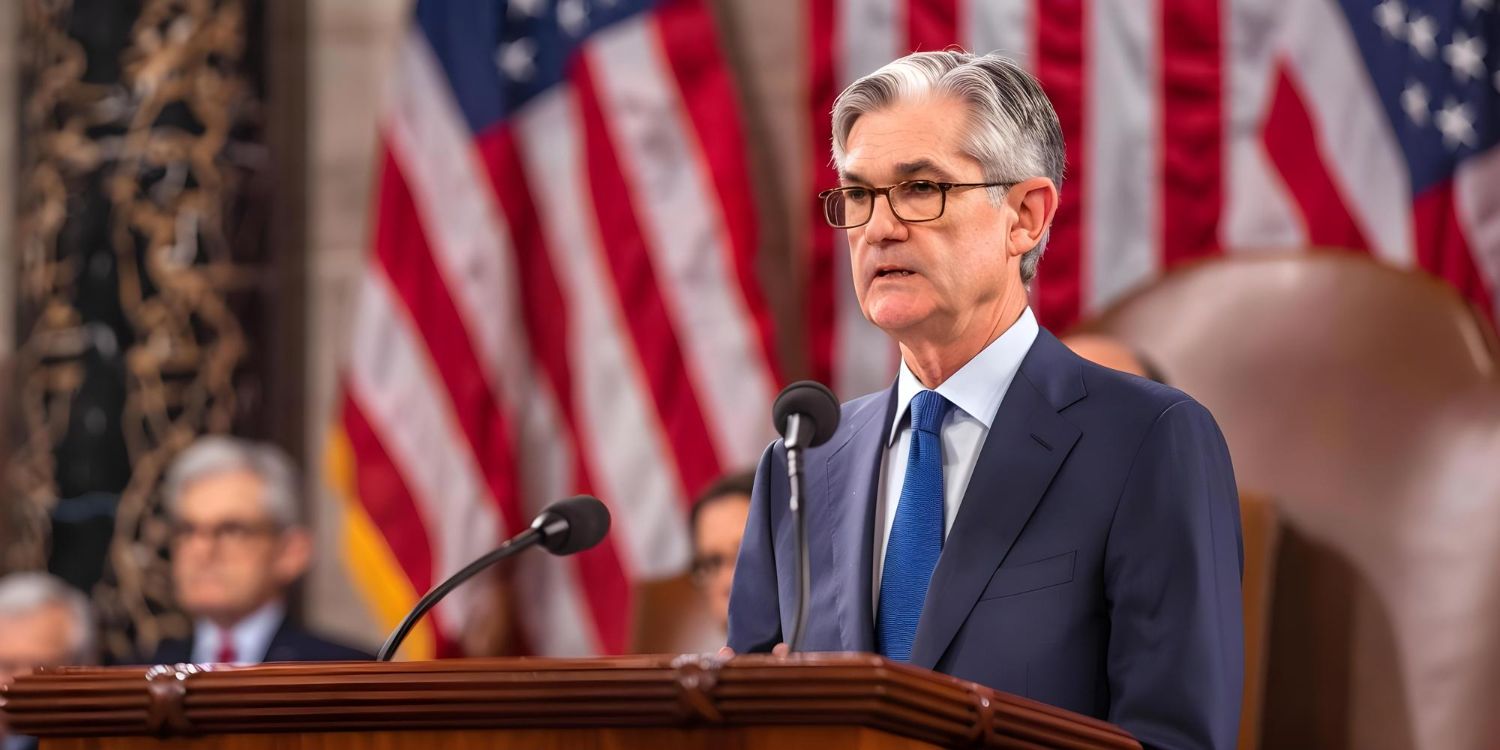
Although no major policy change is expected from the Fed, market participants are paying close attention to what comes next. Federal Reserve Chair Jerome Powell’s press conference will be especially important.
Investors are looking for clues about future policy direction. Any hints about whether rates might stay high for longer, or eventually move lower, could have a strong impact on currency markets. Even small changes in tone can influence expectations and drive market reactions.
Global Factors Adding to Market Uncertainty
Currency movements are not driven by central bank decisions alone. A range of global factors is also shaping investor sentiment.
One key issue is energy supply. Ongoing disruptions in major shipping routes have kept energy prices elevated. This has a direct impact on inflation, as higher energy costs can spread through the economy and increase the price of goods and services.
Geopolitical tensions also play a role. Uncertainty around global trade and supply chains can make investors more cautious. In such environments, currencies often react quickly to new developments, leading to short-term volatility.
How Investors Are Responding
Investors are currently taking a cautious approach. With both the Bank of England and the Federal Reserve expected to hold rates steady, the focus has shifted to forward guidance.
Rather than reacting to current decisions, traders are trying to anticipate what central banks might do next. This forward-looking behavior can sometimes lead to increased volatility, especially when signals are unclear or mixed.
The Pound’s recent weakness reflects this cautious sentiment. Without a clear direction from the BoE, and with global uncertainties still present, investors are hesitant to take strong positions.
What This Means for the UK Economy
The current situation highlights the delicate balance facing the UK economy. On one hand, easing inflation offers some relief. On the other, ongoing risks mean that policymakers cannot relax completely.
A steady interest rate environment can provide stability, but it also means that economic growth may remain moderate. Businesses and consumers alike are adjusting to this environment, where borrowing costs are stable but not necessarily low.
The Bank of England’s cautious stance suggests that it is prioritizing long-term stability over short-term changes. This approach aims to avoid sudden shocks while keeping inflation under control.
Looking Ahead: Key Events to Watch
The coming days are crucial for currency markets. The Bank of England’s policy announcement and the Federal Reserve’s decision will both provide important insights.
Investors will be watching closely for:
- Any changes in tone from central bank officials
- Updated economic forecasts
- Signals about future interest rate paths
These elements will help shape expectations and could influence the direction of the Pound and other major currencies.
Summary
The Pound Sterling is facing pressure as uncertainty surrounds upcoming central bank decisions. While the Bank of England is expected to keep interest rates unchanged, concerns about inflation and global risks continue to weigh on sentiment. Governor Andrew Bailey’s cautious approach highlights the importance of patience in the current environment.
At the same time, the US Federal Reserve’s policy decision and Chair Jerome Powell’s comments are drawing significant attention. With both central banks likely to hold steady, investors are focusing on future guidance rather than immediate actions.
Global factors, including energy prices and geopolitical tensions, are adding to the uncertainty. As a result, markets remain cautious, and currency movements reflect this careful stance.
The next set of announcements will play a key role in shaping expectations, making this a critical period for the Pound Sterling and global financial markets.
USDJPY Recovers Ground as Yen Strength Eases Following BoJ Signals
The USD/JPY currency pair recently moved lower, touching its weakest level in about a week. This shift came after the Bank of Japan (BoJ) shared its latest policy decision, which carried a slightly more assertive tone than many had expected. While the Japanese Yen gained some strength from this update, broader global concerns and steady demand for the US Dollar helped limit how far the pair could fall.
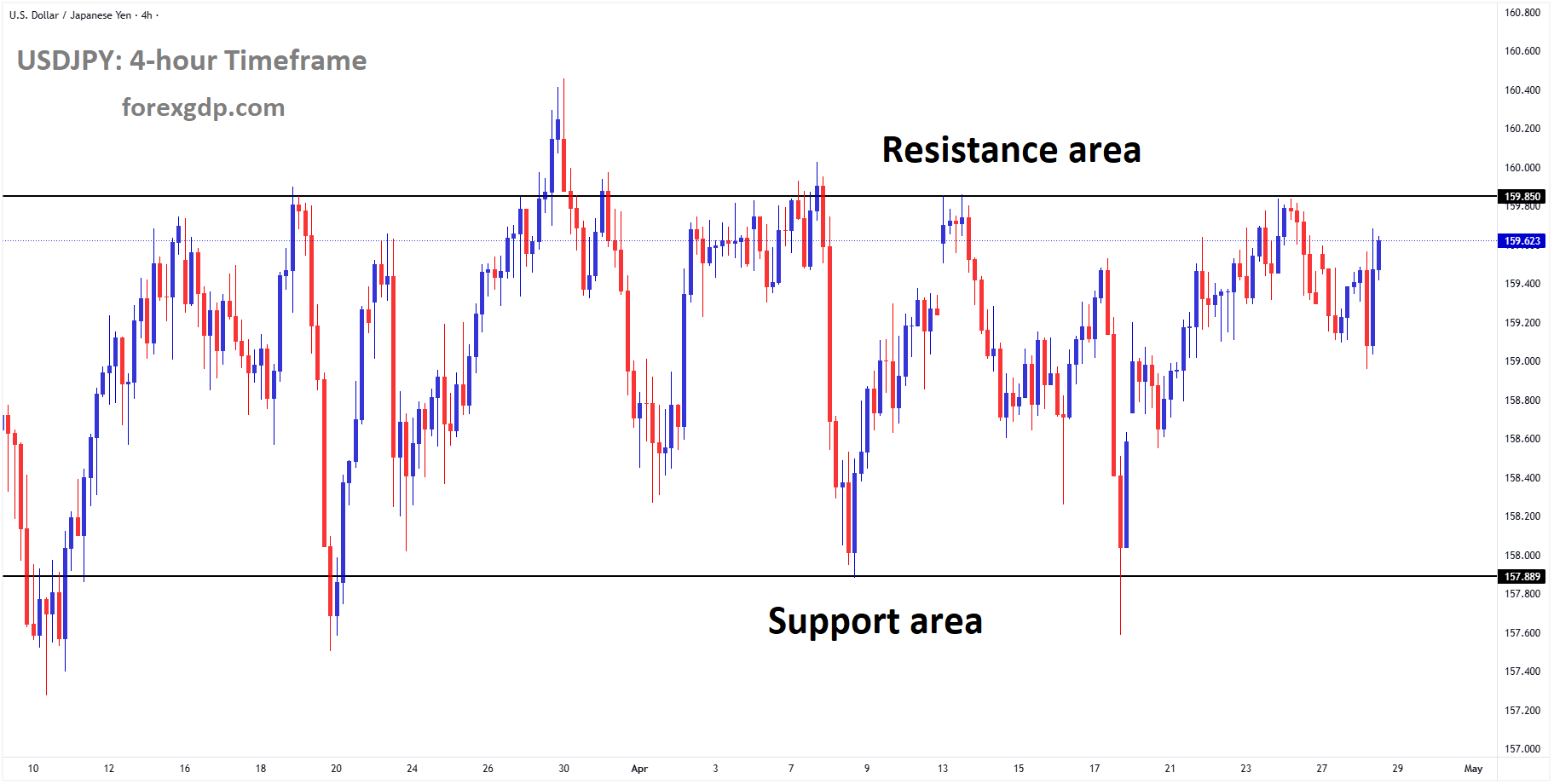
USDJPY is moving in a box pattern
Even though the initial reaction pushed the pair downward, it did not stay there for long. The exchange rate managed to recover much of its losses and settled near the 159.30 level during early European trading hours. This shows that while the Yen had support, other forces in the market were still at play.
BoJ Holds Rates but Hints at Possible Changes Ahead
The Bank of Japan decided to keep its key interest rate unchanged at 0.75% after a two-day policy meeting. This decision was widely expected, so it did not come as a surprise to traders or investors. However, what caught attention was the tone behind the decision and the split among policymakers.
Out of the nine members on the BoJ board, three supported raising interest rates. This kind of division signals that the central bank may be getting closer to tightening its policy. In addition, the BoJ raised its outlook for inflation, suggesting that price pressures in Japan may continue to rise.
These developments have strengthened expectations that a rate increase could happen in the coming months, possibly as early as June or July. When a central bank is seen moving toward higher interest rates, it often supports the country’s currency. This is exactly what helped the Japanese Yen gain ground.
Inflation Concerns Add Pressure on Policy Direction
BoJ Governor Kazuo Ueda also made important remarks during the post-meeting press conference. He pointed out that real interest rates in Japan are still very low. At the same time, he acknowledged that inflation risks are growing and could move higher than expected.
Rising inflation can reduce purchasing power and create challenges for the broader economy. Because of this, central banks often respond by tightening monetary policy. Ueda’s comments reinforced the idea that the BoJ may need to act sooner rather than later, which further supported the Yen.
Government Warnings Strengthen the Yen
Adding to the Yen’s support were comments from Japan’s Finance Minister, Satsuki Katayama. She warned that authorities are prepared to take firm action against excessive or speculative currency movements. This type of warning is often interpreted as a signal that the government may intervene in the currency market if needed.
Such statements tend to discourage aggressive trading against the Yen. As a result, they can provide short-term strength to the currency. In this case, the warning helped push the USD/JPY pair lower during the day.
Global Tensions Limit Yen’s Gains
While the Yen received support from domestic factors, it did not rise sharply. One of the main reasons for this was growing concern about global energy supply disruptions. In particular, tensions around the Strait of Hormuz have raised fears about potential interruptions in oil shipments.
Japan relies heavily on imported energy, so any disruption in supply routes can have a negative impact on its economy. This limits how much the Yen can strengthen, even when domestic conditions are supportive.
Energy Supply Risks Weigh on Market Sentiment
The Strait of Hormuz is a key passage for global oil transport. Any threat to its stability can quickly affect energy prices and global trade. Ongoing tensions in this region have made investors cautious, reducing their willingness to fully commit to the Yen.
As a result, even though the BoJ’s stance was more firm, the Yen’s gains remained somewhat limited. This balance between domestic strength and external risk kept the USD/JPY pair from falling too far.
US Dollar Finds Support from Safe-Haven Demand
At the same time, the US Dollar continued to attract buyers. During times of uncertainty, investors often turn to the Dollar as a safe and reliable asset. This demand helped support the USD/JPY pair and allowed it to recover after its earlier drop.
One key factor behind this was uncertainty surrounding geopolitical developments, particularly involving the United States and Iran. Hopes for a peaceful resolution appeared to weaken after planned diplomatic efforts were canceled.
Uncertainty Around US-Iran Talks Adds Tension

Reports suggested that US President Donald Trump canceled a planned visit by key envoys to Pakistan, which was expected to support diplomatic discussions. In addition, there were signs of disagreement over Iran’s latest proposal regarding the conflict.
These developments reduced confidence in a near-term resolution. As a result, geopolitical risks remained high, encouraging investors to move toward safer assets like the US Dollar.
A Tug of War Between Two Safe-Haven Currencies
Interestingly, both the Japanese Yen and the US Dollar are considered safe-haven currencies. This means they tend to gain value during periods of uncertainty. However, in this situation, the Dollar appeared to have a slight edge.
The reason lies in the broader global context. While Japan faces risks related to energy supply and economic sensitivity, the United States benefits from its position as the world’s primary reserve currency. This gives the Dollar a stronger foundation during times of global tension.
Because of this, the USD/JPY pair was able to bounce back after falling below the 159.00 level earlier in the day. The recovery showed that while the Yen had support, the Dollar remained resilient.
Market Reaction Reflects Mixed Signals
The overall movement of the USD/JPY pair highlights how different factors can interact in complex ways. On one side, the Bank of Japan’s more confident tone and rising inflation expectations supported the Yen. On the other side, global risks and strong demand for the US Dollar limited its gains.
This created a situation where the pair moved lower initially but then stabilized and recovered. Such movements are common in currency markets, where multiple influences are constantly at play.
What This Means Going Forward
Looking ahead, much will depend on how these factors evolve. If the Bank of Japan continues to signal a move toward higher interest rates, the Yen could gain further support. At the same time, any changes in global geopolitical tensions or energy supply conditions could quickly shift market sentiment.
The US Dollar’s strength will also remain an important factor. As long as uncertainty persists, it is likely to continue attracting safe-haven demand.
Summary
The recent movement in the USD/JPY pair reflects a balance between domestic policy signals and global uncertainty. The Bank of Japan’s decision to hold rates while hinting at future tightening gave the Yen a boost. However, concerns about energy supply disruptions and ongoing geopolitical tensions limited its gains.
At the same time, the US Dollar benefited from its safe-haven appeal, helping the pair recover after an initial drop. The result was a mixed but stable performance, showing how global and local factors can shape currency movements in different ways.
As markets continue to respond to economic updates and geopolitical developments, the interaction between the Yen and the Dollar will remain an important area to watch.